Quick Guide to Rabbit Lifespan
Let's be honest, when we bring a fluffy bunny home, we're probably thinking about the cute factor, the floppy ears, and the gentle hops. The idea of their eventual passing? Not so much. But here's the thing—understanding a rabbit's lifespan isn't morbid. It's responsible. It shapes how we care for them from day one. If you've ever wondered "how long do rabbits live," you're asking the right question for all the right reasons.
I remember picking up my first rabbit, Thumper, from a local fair. The seller casually mentioned "they live a good long while" before moving on to talk about food pellets. That vague answer left me scrambling for info later. It shouldn't be that way.
The straight answer? A well-cared-for domestic rabbit has an average lifespan of 8 to 12 years. Some, especially smaller breeds, can push into their early teens. But that number is just the headline. The real story is in the details—the factors that shorten or extend those years, the common mistakes we make, and the quiet, everyday choices that add up to a lifetime of health.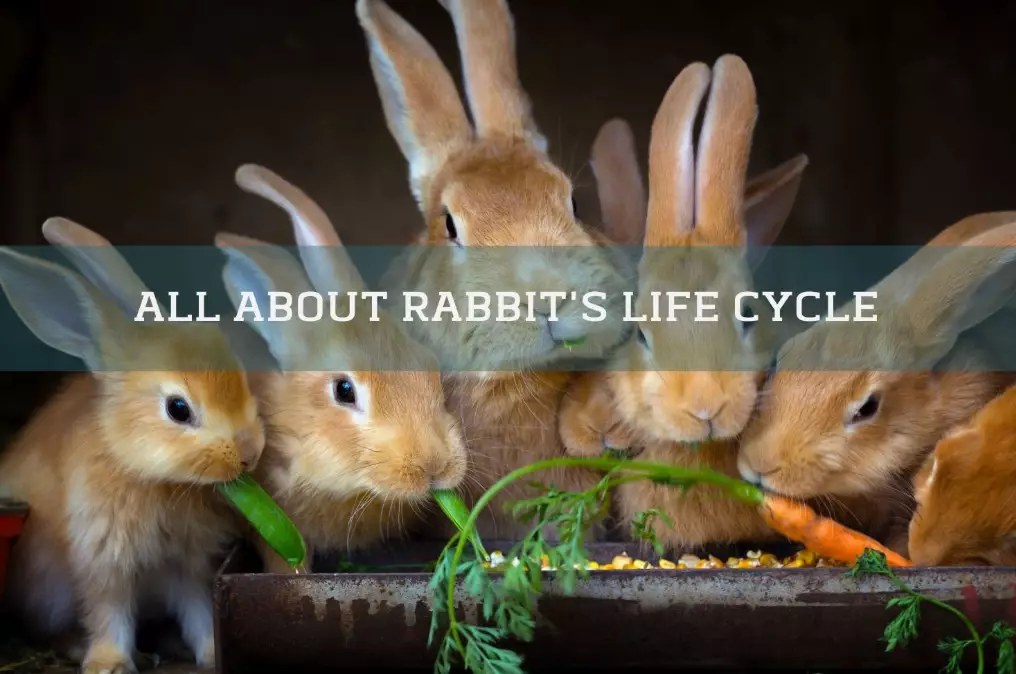
What Actually Determines a Rabbit's Lifespan?
It's not one big secret. It's a combination of things, some obvious, some surprisingly easy to overlook. And frankly, the internet is full of oversimplified lists. I want to dig deeper here, to the stuff that really moves the needle on your bunny's longevity.
Genetics and Breed: This is the starting point, the hand your rabbit was dealt. You can't change it, but you can understand it. Smaller breeds like the Netherland Dwarf and the tiny Jersey Wooly often live longer than giant breeds like the Flemish Giant. Size matters, but breed-specific health issues matter more.
You might be wondering, what are the most common health problems that affect a rabbit's lifespan? We'll get to that, but first, let's lay out the basics.
Rabbit Lifespan by Breed: A Realistic Range
Breed gives you a baseline. It's not a destiny, but a probability. A giant breed rabbit hitting 15 is like a human living to 130—it's an outlier. Here's a more realistic look:
| Breed | Typical Lifespan Range | Notes |
|---|---|---|
| Netherland Dwarf | 7-9 years | Long lifespan for a small breed, but prone to dental issues |
| Himalayan | 5-8 years | Medium-sized, generally healthy |
| Flemish Giant | 5-8 years | Large size can lead to joint problems |
See? That "typical range" has a spread. A Netherland Dwarf might live 7 years, or 12. Why the difference? That's where care comes in.
My vet once told me, "Breed gets them in the door, but care decides how long they stay." She had a Flemish Giant patient that lived to 10 because its owner was militant about weight management and joint supplements. It stuck with me.
The Big Four: Diet, Environment, Veterinary Care, and Socialization
If genetics is the canvas, these four are the paints. And honestly, I think most rabbit lifespan guides underplay the diet part.
Diet: This is huge. An improper diet is the number one killer of pet rabbits. Not pellets, not treats—hay. Unlimited, high-quality grass hay (timothy or orchard) should make up about 80% of their adult diet. Fresh veggies are important, but hay is non-negotiable. The House Rabbit Society, a fantastic resource, has been shouting this from the rooftops for decades. Check out their detailed dietary guide on their website here for specifics.
I'm going to be a bit negative here: the colorful bags of sugary pellets and yogurt drops sold at pet stores? They're often garbage. They're like feeding a kid candy for every meal and wondering why they have health issues. They can directly shorten a rabbit's lifespan by causing obesity and gut stasis.
Environment: Rabbits are prey animals. Chronic stress from loud noises, poor housing, or even a lonely life in a hutch can suppress their immune system. A stressed rabbit is a sickly rabbit. They need space to run, dig, and hide. The Rabbit Welfare Association & Fund (RWAF) has excellent minimum space guidelines that frankly, most commercial hutches don't meet.
Veterinary Care: This is the big one. Rabbits need a vet who specializes in exotics, not just a dog-and-cat vet who "sees rabbits too." Annual check-ups are crucial. Spaying or neutering is arguably the single biggest thing you can do to extend a female rabbit's lifespan, eliminating the high risk of uterine cancer. The American Veterinary Medical Association (AVMA) provides a pet owner resource center that can help you find a qualified vet in your area.
Socialization: Rabbits are social creatures. A lonely rabbit can become depressed, stop eating, and decline. A bonded partner provides grooming, companionship, and mental stimulation. It's not just nice; it's a health imperative.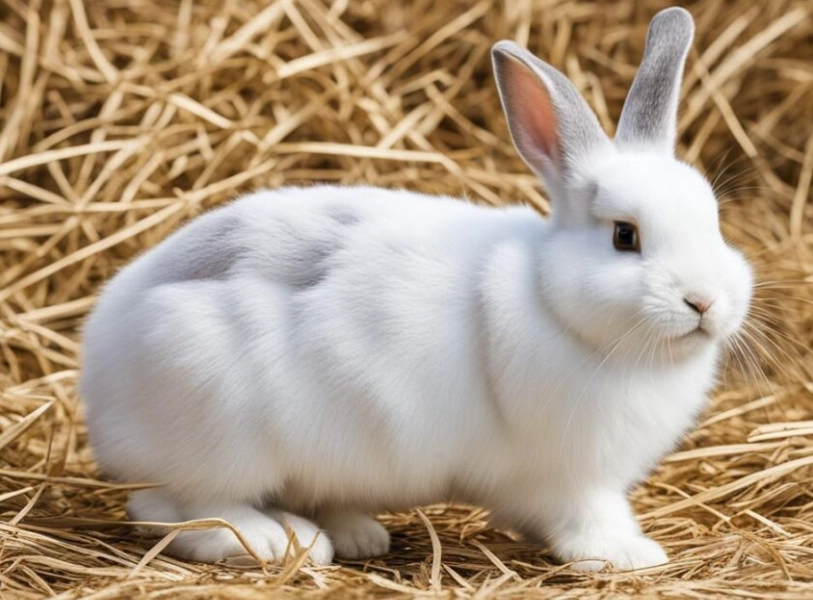
A quick but vital point: never house rabbits alone in a small cage. It's the equivalent of a life sentence in solitary confinement. It will absolutely chip away at their potential lifespan.
How to Actually Extend Your Rabbit's Lifespan
Okay, so we know the factors. What does this look like in practice, day to day? It's less about grand gestures and more about consistent, boring, good habits.
The Hay-Based Diet in Action
Unlimited hay. I'll say it again. Their digestive system needs to be constantly moving. A good rule of thumb is a pile of hay at least the size of their body every day. Fresh, leafy greens (romaine, cilantro, kale) are great, but introduce them slowly. Pellets? If you must, a very small amount of plain, high-fiber pellets—think a quarter cup for a 5-pound rabbit—not a bowlful.
Treats should be just that: rare treats. A blueberry or a slice of banana once a week, not daily.
Their teeth never stop growing. Hay is what wears them down properly. No hay = dental problems = pain = not eating = a very short rabbit lifespan.
Creating a Longevity-Friendly Home
Think like a rabbit. They need:
- Space to run: Not a cage. An exercise pen or a rabbit-proofed room. Several hours of free-roam time daily is the goal.
- Mental stimulation: Cardboard castles, tunnels, puzzle feeders with herbs inside. A bored rabbit is a destructive (and unhappy) rabbit.
- Safety: Protect wires, toxic plants, and small spaces where they can get stuck. Rabbit-proofing is a continuous process.
- Cleanliness: A clean litter box changed regularly prevents flystrike, a horrific and fatal condition.
The Non-Negotiables of Healthcare
- Spay/Neuter: For females, the risk of uterine cancer after age 4 is over 50%. Spaying removes that risk entirely. For males, it reduces aggression and spraying. It's the best investment in their long-term health.
- Find That Exotics Vet: Before you even have an emergency. Have a vet who knows how to properly handle, examine, and prescribe for rabbits. The Association of Exotic Mammal Veterinarians (AEMV) is a good place to start your search.
- Annual Check-ups: Not just for shots (rabbits don't need annual vaccinations in all areas), but for a weight check, dental exam, and overall wellness review. Catching things early is everything.
You know, sometimes the simplest advice is the hardest to follow. "Get a good vet" sounds easy, but it can mean driving an hour. It's worth it.
Common Health Issues That Shorten a Rabbit's Lifespan
Even with perfect care, rabbits can get sick. Knowing the signs can mean the difference between a treatable issue and a tragedy. These are the big ones that directly impact mortality.
Gastrointestinal (GI) Stasis: The Silent Killer
This isn't just "not pooping." It's a life-threatening condition where their gut slows down or stops. Causes? Stress, pain, a poor diet (low in fiber/high in carbs), dehydration.
Signs: Small, misshapen poops or no poops, loss of appetite, lethargy, a hunched posture. If you see this, it's a now problem. Not in an hour. Call your vet immediately. GI stasis can kill within 24 hours.
Dental Disease
Those ever-growing teeth need to align perfectly. If they don't (due to genetics or injury), they form sharp points or spurs that dig into the cheeks and tongue. Imagine trying to eat with ulcers in your mouth.
Signs: Drooling, dropping food, weight loss, reduced appetite for hay (but maybe still trying to eat softer foods). This requires a vet to file down the teeth under anesthesia.
Respiratory Issues
Rabbits are obligate nasal breathers (they must breathe through their nose). A sniffle is a big deal. Pasteurella is a common bacteria that can cause snuffles, a chronic infection that is hard to eradicate and can lead to pneumonia.
Signs: Sneezing, nasal discharge, crusty front paws (from wiping the nose), labored breathing. Requires antibiotic treatment from a vet.
Cancer
Uterine adenocarcinoma in unspayed females is devastatingly common. That's why the spay message is so critical. Other cancers occur, but that's the big preventable one.
Your Rabbit Lifespan Questions, Answered
I get a lot of the same questions from new owners. Let's tackle some head-on.
The Bottom Line on Rabbit Lifespan
So, how long do rabbits live? The rabbit lifespan isn't a mystery. It's a map.
The average of 8-12 years is just a middle point. Your choices determine which side of that average your bunny lands on. It's about the hay you provide today, the vet you found last month, the spacious pen you built, the companion you considered getting them.
It's not about achieving a record-breaking age. It's about filling whatever years you have together with health, comfort, and joy. A shorter life lived fully is better than a long life in a cage. But with knowledge and commitment, you can aim for both—a long and full life.
Start with the basics: get the diet right, find a great vet, spay or neuter, and think big when it comes to their living space. Do those things, and you've already covered 90% of what influences a rabbit's lifespan. The rest is love, attention, and watching for those subtle signs that tell you how they're really doing.
And if you take away one thing, let it be this: the question isn't just "how long do rabbits live?" It's "how well can I help my rabbit live?" Answer that one every day, and the years will take care of themselves.
Comment