Jump to Section
- The Biggest Myth: Wild vs. Domestic Rabbit Lifespan
- What's the Average? Breaking Down the Numbers
- The Real Factors That Determine How Long Your Rabbit Will Live
- Does Breed Affect How Long Bunnies Live?
- How to Help Your Rabbit Live a Long, Healthy Life: Action Plan
- Recognizing the Signs of an Aging Rabbit
- Common Questions About How Long Rabbits Live
- The Bottom Line on Rabbit Lifespan
So, you're thinking about getting a rabbit, or maybe you already have one hopping around your living room. One of the first questions that pops into anyone's head is, "How long do rabbits live?" It's a fair question. You're making a commitment, and you want to know what you're signing up for.
Here's the thing—the simple answer you often hear is "8 to 12 years." But that's like saying humans live "70 to 90 years." It's technically a range, but it doesn't tell you why one person lives to 95 and another to 72. The real story of a rabbit's lifespan is way more interesting, and honestly, it's mostly in our hands as their caretakers.
I've been around rabbits for years, and I've seen bunnies thrive into their teens and others, sadly, pass away far too young from preventable issues. The difference almost always came down to care. This isn't meant to scare you, but to empower you. If you understand what truly affects how long rabbits live, you can give your furry friend the best shot at a long, hoppy life.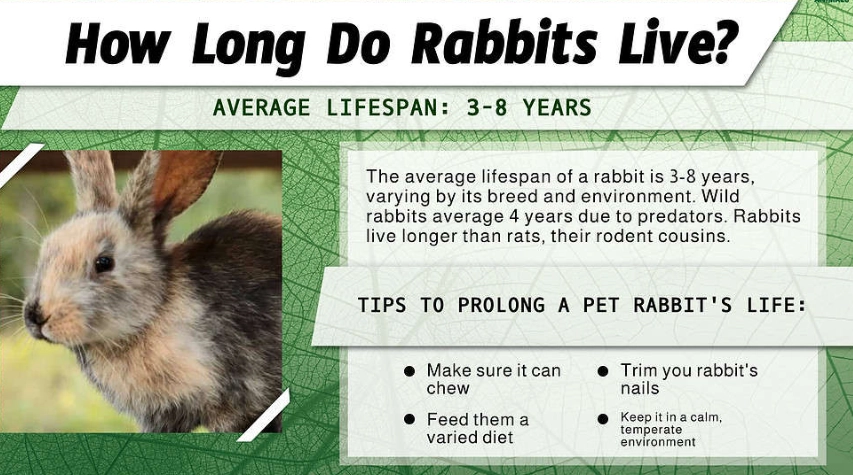
The Lifespan Short Answer: A well-cared-for domestic rabbit typically lives 8 to 12 years. However, with exceptional care, it's not unheard of for them to reach 12, 13, or even 14 years. On the flip side, rabbits with poor care or living outdoors exclusively often have tragically shorter lifespans, sometimes only 2 to 5 years.
The Biggest Myth: Wild vs. Domestic Rabbit Lifespan
Let's clear this up right away, because it causes a lot of confusion. People often think pet rabbits and wild rabbits are the same, just in different locations. That's not quite right.
Wild rabbits (like cottontails) live on average less than a year. Sounds shocking, right? But it makes sense when you think about their world. They are prey animals facing constant threats: predators (foxes, hawks, cats), disease, harsh weather, and limited food. Their evolutionary strategy is to reproduce quickly, not to live long.
Domestic rabbits (Oryctes cuniculus), the ones we share our homes with, are a different story. Through domestication, they've been removed from those extreme survival pressures. Their potential lifespan has expanded dramatically. So when we ask "how long do pet rabbits live," we're talking about a creature with the genetic potential for a decade or more of life, provided we create the right environment. Comparing the two is like comparing a wolf and a golden retriever.
What's the Average? Breaking Down the Numbers
Okay, so we know the potential is there. But what's the realistic average for a pet bunny? It's not a single number. It's a spectrum heavily influenced by one major factor: their living environment.
| Living Environment | Typical Lifespan Range | Primary Reasons for Lifespan Difference |
|---|---|---|
| Indoor-Only Rabbit (Free-roam or in a large pen inside) | 8 - 12+ years | Protection from predators, extreme temps, and parasites. Consistent diet, close observation for illness, strong bond with owner leading to quicker vet visits. |
| Mixed Indoor/Outdoor Rabbit (Supervised outdoor time in a secure run) | 7 - 10 years | Benefits from both environments. Gets exercise and fresh air but sleeps safely indoors. Risk from outdoor hazards is minimized but not zero. |
| Outdoor-Only Rabbit (Living permanently in a hutch/run) | Often only 2 - 5 years | Exposed to weather stress, predators (even with a locked hutch, the sight/smell alone causes stress), flies/parasites, and often more neglected health checks. Loneliness and boredom are huge factors. |
Seeing that table is a gut punch, I know. When I first got into rabbits, the old-fashioned idea of a "garden hutch" seemed charming. But after talking to rescuers and vets, the reality is grim. Rabbits are social, sensitive creatures. Leaving one alone in a backyard is, in my opinion, one of the biggest mistakes a new owner can make. It directly sabotages any chance of answering "how long do rabbits live" with a double-digit number.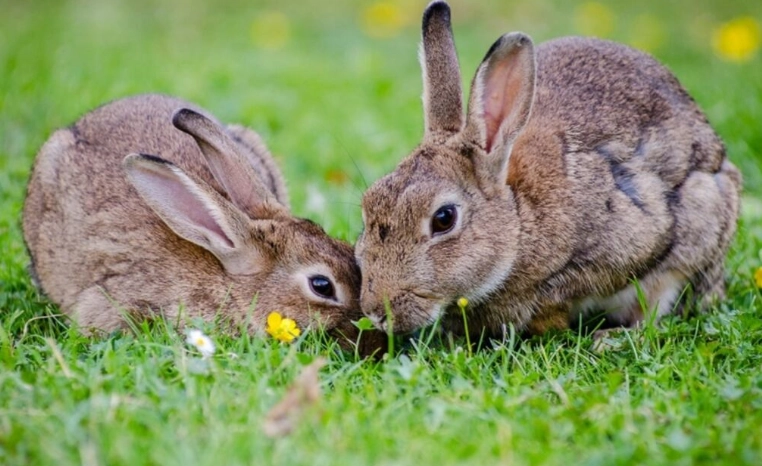
A Hard Truth: The single most impactful decision you can make for your rabbit's longevity is to make them an indoor rabbit. The safety, temperature control, and social interaction of your home add years to their life.
The Real Factors That Determine How Long Your Rabbit Will Live
Forget just genetics. While some breeds might have slight tendencies, your daily choices are the ultimate decider. I've compiled the factors that, in my experience and according to experts, make the biggest difference.
1. Diet: It's Not Just Carrots (In Fact, Go Easy on Those!)
This is probably the number one area where well-meaning owners go wrong. A rabbit's digestive system is a delicate, continuously moving engine. Feed it wrong, and it breaks down fast.
- Unlimited Hay (80-90% of diet): This isn't optional. Timothy hay, orchard grass, meadow hay—this fibrous material keeps their gut moving and teeth worn down. No hay = gastrointestinal stasis = a life-threatening emergency.
- Fresh Leafy Greens (10-15%): Romaine, kale, cilantro, spring greens. Variety is key. Introduce new ones slowly.
- Limited Pellets (5% or less): Think of these as a vitamin supplement, not the main course. A small, measured amount of high-fiber, plain pellets is plenty.
- Treats (Sparingly): Carrots and fruit are like candy. A tiny cube once or twice a week is enough. Too much sugar disrupts their gut bacteria.
I learned this the hard way. I once overdid the treats with my first bunny, thinking I was being nice. A scary bout of stasis and a huge vet bill later, I became a hay evangelist.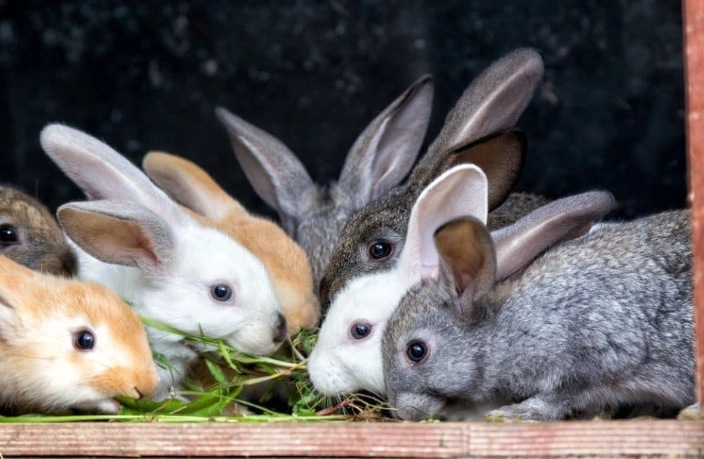
2. Veterinary Care: Finding a Rabbit-Savvy Vet
Rabbits are "exotic" pets. Not all vets are trained in their specific needs. A cat/dog vet might miss critical signs.
You need a vet who specializes in or has experience with exotics. They understand that rabbits hide pain, that anesthesia requires special protocols, and that their medications are different. The House Rabbit Society's vet list is an excellent place to start your search. Don't wait for an emergency to find one. Schedule a yearly wellness check. These check-ups can catch early signs of dental disease (very common) or other issues.
Speaking of which, get your rabbit spayed or neutered. This isn't just about preventing babies. For females, it virtually eliminates the risk of uterine cancer, which is alarmingly common in unspayed does over age 4. For males, it reduces hormonal aggression and spraying. The procedure adds years to their life.
3. Environment & Enrichment: More Than Just a Cage
Boredom and stress are silent killers. A rabbit stuck in a small cage with nothing to do will not live a long or happy life.
- Space: The minimum is an exercise pen (x-pen) that allows for at least three hops in any direction. Better yet, rabbit-proof a room or let them have free roam when you're home.
- Mental Stimulation: Cardboard castles, tunnels, willow balls, puzzle feeders stuffed with hay. Rotate toys to keep things fresh.
- Chewing Outlets: Applewood sticks, seagrass mats. Their teeth never stop growing; give them safe things to grind them down on.
- A Safe Hideaway: Every rabbit needs a covered box or hide where they can retreat and feel completely secure.
4. Companionship: The Forgotten Longevity Boost
Rabbits are social animals. In the wild, they live in complex warrens. A solitary rabbit is often a lonely, stressed rabbit. The RSPCA strongly recommends keeping rabbits in pairs or groups.
A bonded rabbit friend provides constant companionship, grooming, and play. It reduces stress immensely. Think about it—would you thrive in isolation? The bond between two rabbits is beautiful to watch, and it contributes significantly to their overall well-being and, I believe, their lifespan. The bonding process needs care and patience, but it's worth it.
Does Breed Affect How Long Bunnies Live?
It plays a role, but it's not the dictator. Generally, smaller breeds tend to outlive giant breeds, just like with dogs. Here's a quick look:
| Breed Size | Example Breeds | Typical Lifespan Range | Notes |
|---|---|---|---|
| Small/Dwarf | Netherland Dwarf, Polish, Holland Lop | 10 - 12+ years | Often robust, but some dwarf breeds can be prone to specific dental issues due to skull shape. |
| Medium | Rex, Mini Lop, Dutch | 8 - 11 years | The "average" range most commonly cited. Rex rabbits have gorgeous plush fur but need monitoring for sore hocks. |
| Large/Giant | Flemish Giant, French Lop, Checkered Giant | 5 - 8 years | Their large size can put strain on joints and organs. They require more space and may have shorter overall lifespans. |
But remember, these are just averages. A giant breed rabbit living indoors with a perfect diet can easily outlive a neglected dwarf breed. Focus on care, not just genetics.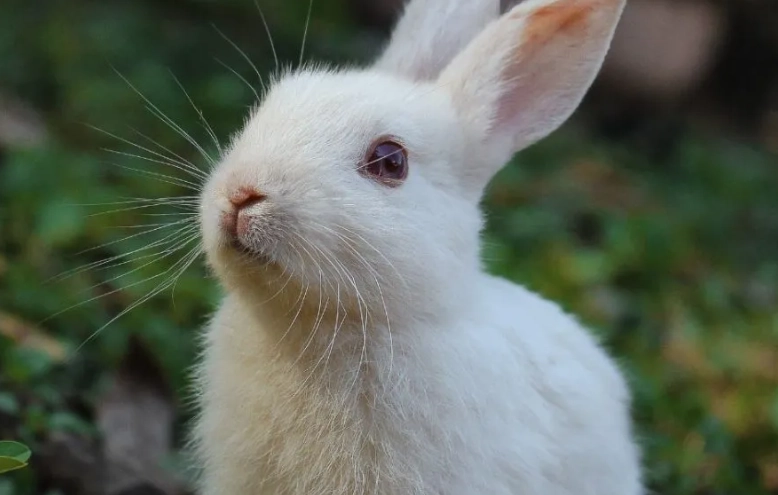
How to Help Your Rabbit Live a Long, Healthy Life: Action Plan
- Move Them Indoors: This is step one. Rabbit-proof a room, get an x-pen, and make them part of your family life.
- Master the Diet: Invest in a high-quality hay supplier. Make a weekly greens shopping list. Measure out pellets.
- Find Your Vet: Locate and book a wellness check with a rabbit-savvy vet today. Discuss spay/neuter if not already done.
- Think Companionship: If your rabbit is alone, consider adopting a friend. Contact a local rabbit rescue for help with bonding.
- Bunny-Proof Your Home: Protect electrical cords, baseboards, and furniture. Provide plenty of approved chewing alternatives.
Recognizing the Signs of an Aging Rabbit
As rabbits move into their senior years (often around 7+), their needs change. Knowing what to look for helps you adapt their care.
- Decreased Activity: Less binkying (joyful jumps), more time resting.
- Arthritis Stiffness: You might notice difficulty hopping onto couches or into litter boxes. Provide ramps and lower-sided boxes.
- Dental Issues: Senior rabbits are more prone to painful molar spurs. Watch for drooling, decreased appetite, or favoring one side of the mouth.
- Weight Changes: Monitor weight monthly. Unexplained loss or gain is a vet visit trigger.
- Coat & Grooming: The coat might become thinner or less tidy. They may need gentle help with grooming, especially around the backend.
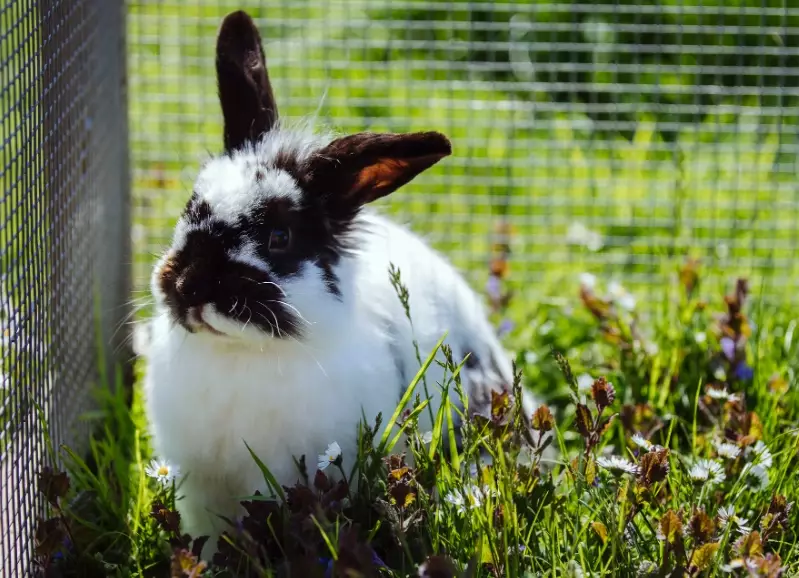
Pro Tip for Seniors: Senior rabbits benefit from twice-yearly vet checks instead of once a year. Catching age-related issues like arthritis or kidney changes early makes management much easier.
Common Questions About How Long Rabbits Live
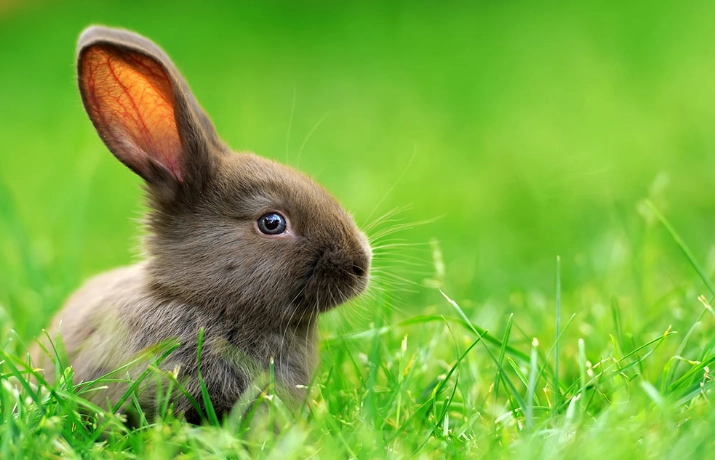
I remember my rabbit Thumper in his final year. He was 11. He slept more, his jumps were lower, but he still loved his cilantro and would nudge my hand for pets. We added a heating pad under half his enclosure for his old joints, and I hand-fed him his favorite greens. It wasn't the energetic years of his youth, but they were peaceful, comfortable months filled with love. That's the goal for their golden years—quality, not just quantity.
The Bottom Line on Rabbit Lifespan
So, back to the original question: how long do rabbits live?
The honest answer is: it's largely up to you. The 8-12 year range is the potential, but hitting the upper end of that range (or beyond) requires a specific kind of commitment. It means rejecting the old hutch-in-the-garden model, prioritizing hay over pellets, budgeting for a specialized vet, and seeing your rabbit as a sensitive, social family member who needs your engagement every single day.
It's a big responsibility. Sometimes it's challenging (like when they chew your favorite charger). But watching a rabbit flourish, express its personality, and hop happily into its senior years is an incredibly rewarding experience. They are not short-term pets. They are a decade-long commitment of love and care.
If you're willing to provide that, you're not just asking "how long do rabbits live?" You're answering it with every choice you make, giving your bunny the gift of a long, healthy, and joyful life.
Comment