Your Guide to Angora Rabbit Care
So you're thinking about getting an Angora bunny rabbit. Let me tell you, that picture in your head of a fluffy, docile cloud of fur nuzzling your hand is only half the story. I've been around rabbits for years, and Angoras are in a league of their own. They're not just "rabbits with long hair"—they're a lifestyle commitment. A beautiful, soft, sometimes frustrating, but ultimately rewarding one.
I remember the first time I held an English Angora. It was like holding a living dandelion puff. Incredible. But within five minutes, I had enough loose hair on my black sweater to knit a pair of tiny socks. That's the Angora experience in a nutshell: moments of sheer wonder punctuated by the reality of their needs.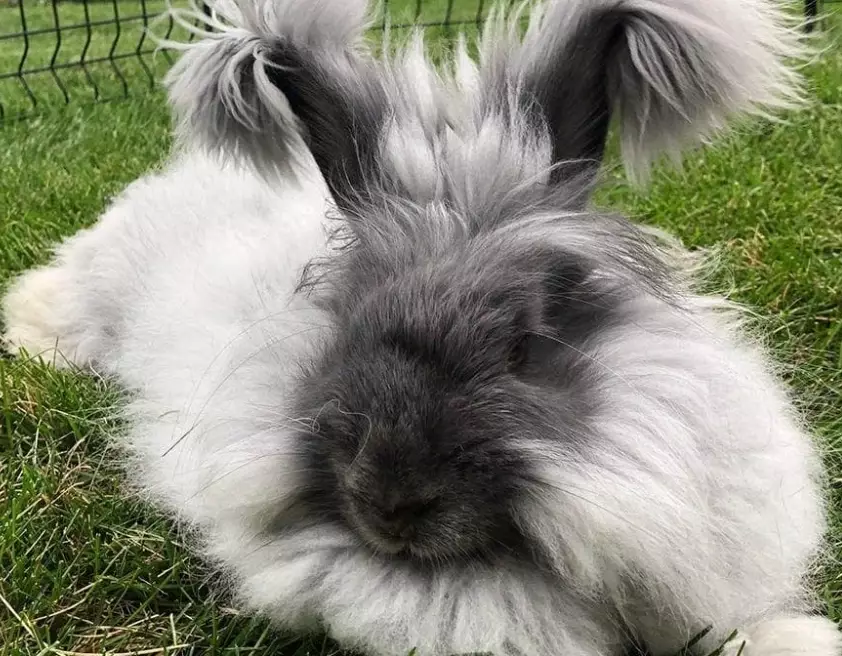
This guide isn't going to sugarcoat it. If you're looking for a low-maintenance pet, stop reading now and consider a short-haired Rex. But if you're prepared for the work, and you truly understand what you're signing up for, an Angora bunny rabbit can be an amazing companion. We're going to cover everything—the good, the bad, and the incredibly tangled.
What Exactly Is an Angora Bunny Rabbit?
It's a fair question. "Angora" refers to the type of long, soft wool they produce, not a single breed. Think of it like "sheepdog"—there are different kinds. These rabbits were historically bred for their fiber, which is harvested (by shearing or plucking) and spun into luxurious yarn. It's eight times warmer than sheep's wool and incredibly lightweight.
But here's the thing a lot of new owners miss: that gorgeous coat is a biological adaptation for insulation, but in our temperature-controlled homes, it never stops growing. Unlike a cat or dog that sheds seasonally, Angora fur just... keeps going. That's the fundamental challenge.
No shedding cycle means constant maintenance.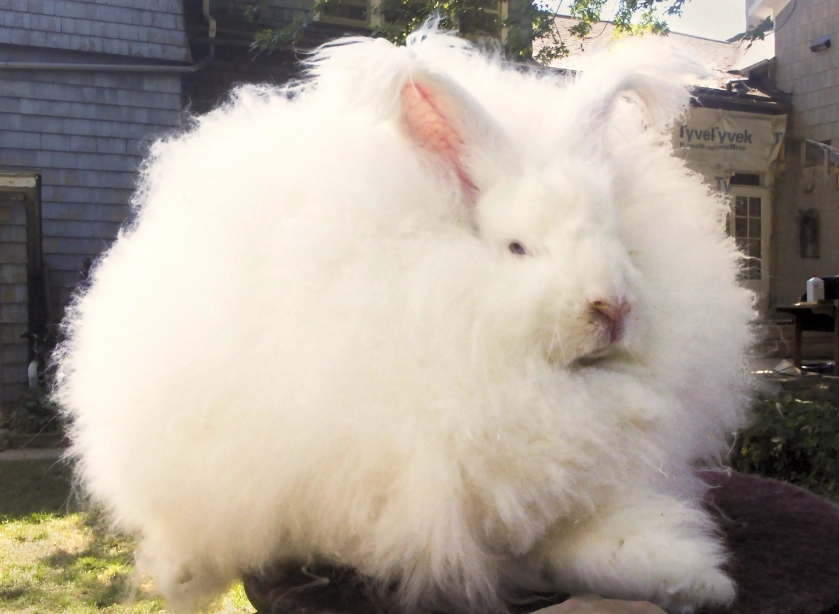
The Four Main Types of Angora Rabbits
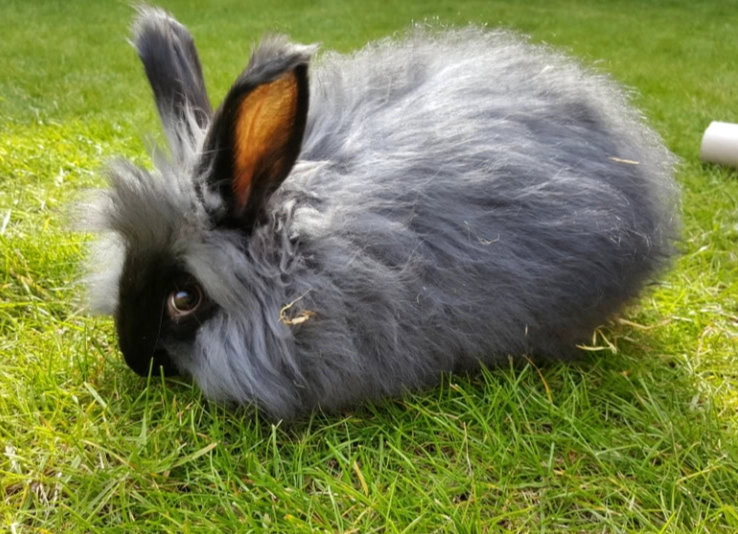
Not all Angoras are the same. The differences in size, face furnishings (the fluffy bits on the face and ears), and wool type are huge. Picking the right breed for your lifestyle is the most important decision you'll make.
| Breed | Average Weight | Wool Type & Key Feature | Grooming Difficulty | Best For... |
|---|---|---|---|---|
| English Angora | 5-7 lbs | Very fine, silky wool. Distinctive "furnishings" on face and ears (they look like little lions). | HIGH | Experienced owners, spinners who want the finest fiber. |
| French Angora | 7.5-10.5 lbs | Coarser wool with minimal furnishings on face and ears. More of a "clean face." | MODERATE | First-time Angora owners, those who want a balance of pet and fiber rabbit. |
| Satin Angora | 6.5-9.5 lbs | Wool has a unique satin sheen. Fiber is lighter and has a brilliant luster. | MODERATE to HIGH | Owners interested in unique, lustrous fiber for yarn. |
| Giant Angora | 9.5+ lbs (can exceed 12 lbs) | Largest breed. Produces massive amounts of wool. Recognized only in white by the ARBA. | VERY HIGH | Serious fiber producers, owners with ample space. |
See that? The French Angora is often the gateway breed. Their clean face means they don't get food and water matted in their cheek fur as easily, which is a constant battle with English Angoras. I made the mistake of starting with an English. Cute? Unbelievably. But wiping his face after every drink got old fast.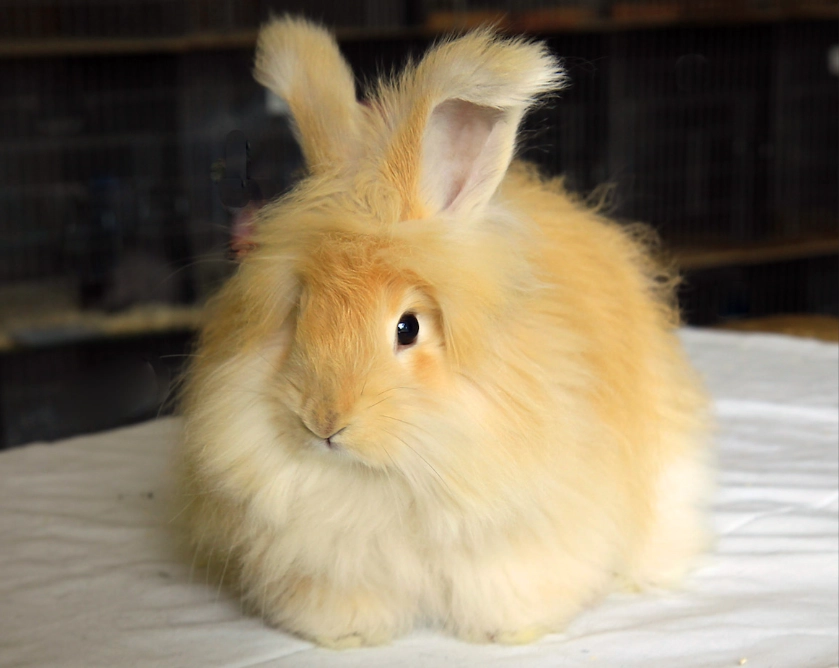
The Non-Negotiable: Angora Grooming Demystified
This is the section that decides if you'll be a successful Angora guardian or a cautionary tale. Grooming isn't a weekly chore; it's a daily interaction. It's how you bond and how you prevent disaster.
The Daily Check & Quick Comb
You don't need a full spa session every day. But you must run your fingers through their coat, feeling for any starting tangles or mats, especially under the arms, around the bottom, and behind the ears. A quick 2-5 minute once-over with a wide-toothed comb can catch small snarls before they become mats. Miss a spot? It happens. But miss it for a week, and you'll need scissors.
Mats are the enemy. They pull on the skin, restrict movement, and hide moisture and parasites.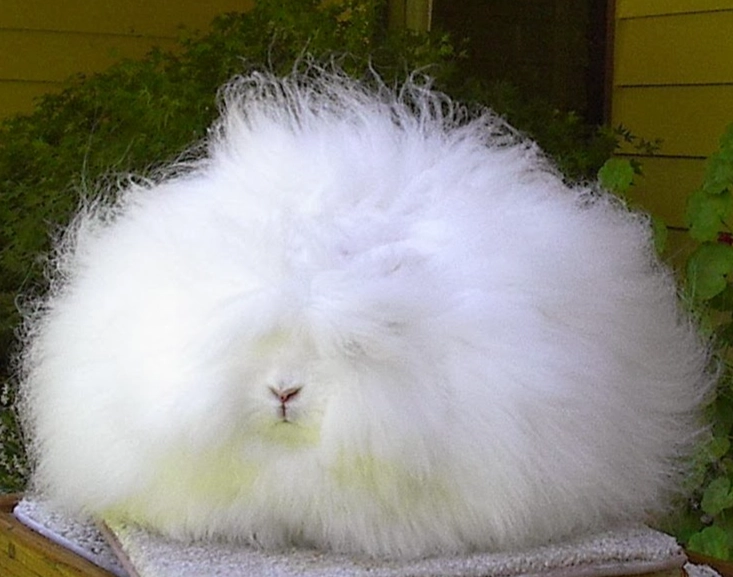
The Weekly Deep Grooming Session
This is where you clear your schedule for 30-60 minutes. You'll need the right tools: a slicker brush, a metal greyhound comb (fine and wide teeth), a mat splitter (not scissors—too easy to cut skin!), and a spray bottle with water or a dilute grooming spray to reduce static.
Start from the bottom of the hair and work up, section by section. Never drag a brush from the top of a mat down—you just tighten it. Hold the base of the fur near the skin to avoid pulling. If you find a severe mat close to the skin, the kindest thing is often to carefully clip it out. A rabbit with a bald patch is infinitely happier than one with a painful mat.
To Shear or to Pluck?
This is a big topic in the Angora world. Harvesting the wool is necessary for the rabbit's comfort, especially in warmer months.
- Shearing: Using blunt-tipped scissors or electric clippers (with a quiet motor!) to cut the wool. It's faster and less stressful for rabbits who don't "blow" their coat. The downside? The cut fibers are shorter for spinning.
- Plucking: Gently pulling the loose, ready-to-shed wool. This harvests the longest fibers. Some Angoras (often English) naturally shed their wool in cycles, and the loose wool comes out easily with gentle pulling. It should not hurt the rabbit. If it resists, it's not ready.
My take? Do what's least stressful for your specific rabbit. A calm shear every 3-4 months is better than a traumatic plucking session. The quality of the fiber matters less than the welfare of the animal.
Beyond the Fluff: Housing, Diet, and Health
You can't just stick an Angora in a standard rabbit hutch and call it a day. Their needs are specific.
Creating a Tangle-Free Home
Wire cage bottoms are torture—they cause sores and break wool. You need a solid surface. I use laminate flooring tiles over a plastic grid to allow urine drainage, covered with a thick layer of aspen shavings or horse stall pellets. Absorbent bedding is key because damp wool felts instantly.
Their space must be meticulously clean. Soil bedding gets kicked into that long wool. Daily spot-cleaning and a full change twice a week is my minimum. A lot of owners successfully keep Angora bunny rabbits as free-roaming house pets, but you must be vigilant about bunny-proofing and keeping floors clean.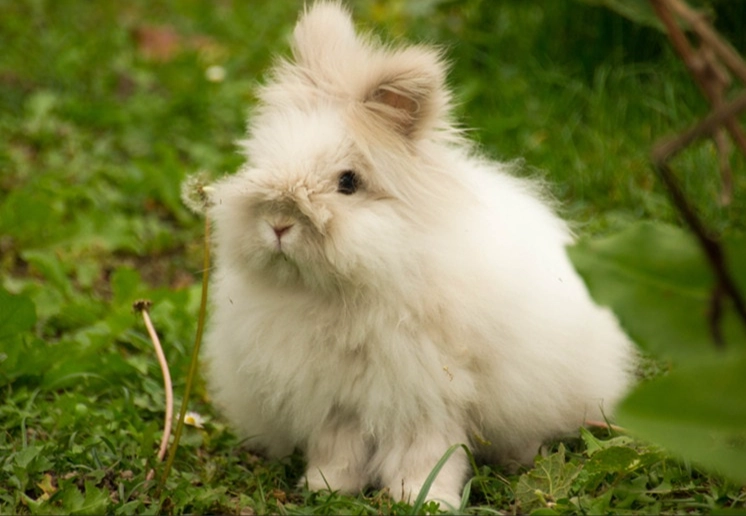
The Angora Diet: Fuel for Fiber Production
Growing all that wool takes protein and energy. Their diet is slightly different from a regular pet rabbit's.
- Unlimited Grass Hay: Timothy or orchard grass is the foundation. It provides fiber for gut motility and wears down teeth.
- High-Quality Pellets: Look for pellets with 16-18% protein (higher than the standard 14%) to support wool growth. But measure it! About 1/4 cup per 5 lbs of body weight daily to prevent obesity. The American Rabbit Breeders Association (ARBA) provides breed standards and resources from reputable breeders who can advise on diet.
- Leafy Greens & Water: Daily greens for vitamins, and a heavy ceramic bowl of fresh water (bottles don't let them drink enough).
Common Health Issues in Angora Rabbits
Beyond general rabbit concerns, Angoras are prone to:
- Wool Block (Trichobezoar): The #1 killer. They ingest hair during grooming, and it can form a solid, impassable mass in their stomach. Prevention is daily grooming (less hair to ingest) and plenty of hay and water to keep things moving. Some give a bit of fresh pineapple (enzyme bromelain) or papaya as a preventative, but evidence is anecdotal.
- Overheating: That winter coat is a liability in summer. They must be in air conditioning. Provide ceramic tiles to lie on and frozen water bottles wrapped in towels.
- Mattress Foot (Sore Hocks): Lack of proper cushioning on hard surfaces causes painful ulcers on their heels. Soft, deep bedding is non-negotiable.
Finding a vet who is truly rabbit-savvy is critical before you get the rabbit. Exotic vets are a must. Regular dog/cat vets often lack the specific knowledge.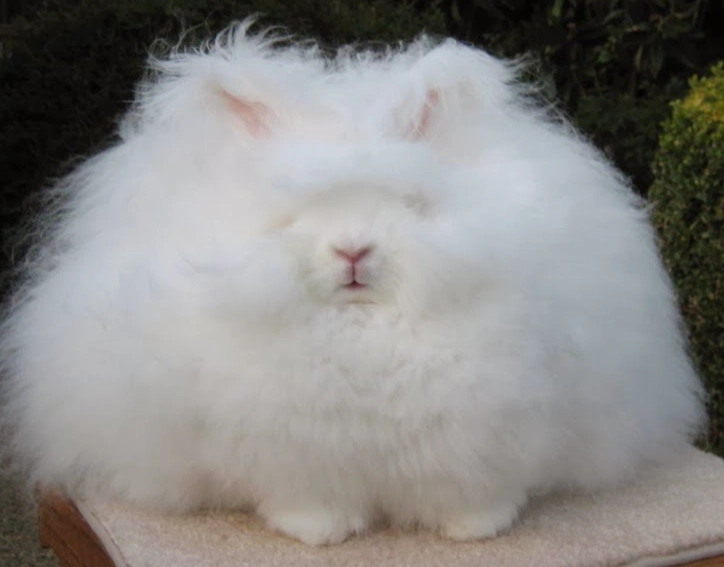
Is an Angora Bunny Rabbit the Right Pet for You? The Honest Checklist
Let's be brutally honest. Don't think about how cute they are. Ask yourself these questions:
- Can I commit to daily grooming, without fail, for the next 7-10 years?
- Do I have the time for a weekly 1-hour deep grooming session?
- Am I prepared for significant fur on my clothes, furniture, and in my food? (It's everywhere).
- Can I afford not just the rabbit ($50-$150+), but the ongoing costs: high-quality food, bedding, grooming tools, and exotic vet bills (which are steep)?
- Do I have a cool, calm, clean environment for them to live?
- Is my lifestyle stable? Traveling means finding a pet sitter who is willing and trained to do this level of care.
If you hesitated on any of these, especially the first one, pause. Really pause.
Answering Your Angora Rabbit Questions (FAQ)
The Final Word: A Commitment, Not a Whim
Angora bunny rabbits are not decorative items. They are intelligent, sensitive creatures with a very specific and demanding biological requirement—their ever-growing wool. Meeting that need is the core of ethical ownership.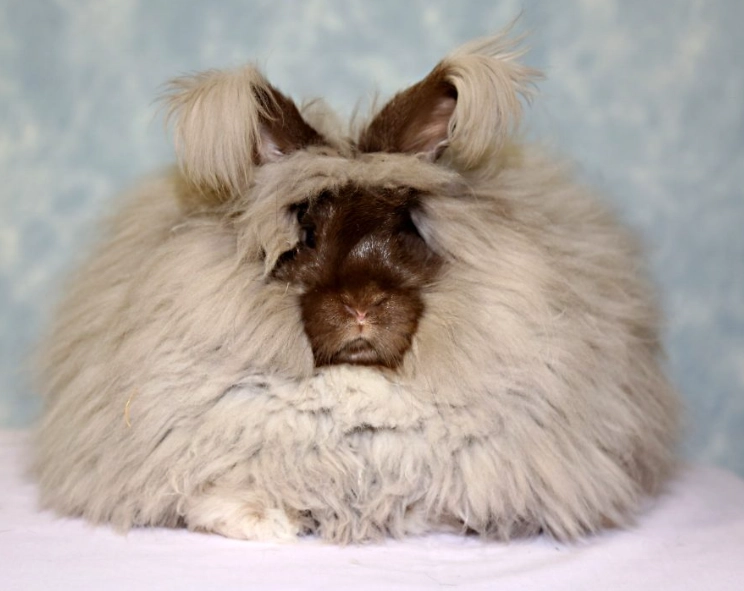
The joy comes from the partnership. There's a deep satisfaction in mastering their grooming, in seeing them comfortable and healthy, and in holding that impossibly soft bundle of trust. For the right person—someone patient, detail-oriented, and home-centered—an Angora can be a wonderful companion. You'll learn about fiber, about diligence, and about a unique kind of animal husbandry.
But for the casual pet seeker? It's a fast track to frustration, a matted rabbit, and a costly vet visit.
 Do your research. Be honest with yourself. If it's a fit, welcome to the wonderfully woolly world of Angora rabbits. If not, there are so many amazing short-haired rescue rabbits who would love a home with you. There's no shame in choosing the right pet for your life. In fact, it's the most responsible thing you can do.
Comment