Quick Navigation
- Breaking Down the Herb: What Exactly Is Cilantro?
- The Safety Spectrum: Which Pets Can and Cannot Have Cilantro
- The Not-So-Fine Print: Real Risks and Precautions
- How to Safely Offer Cilantro (If You Decide To)
- Cilantro vs. The Danger Zone: What NOT to Do
- What If Something Goes Wrong? Recognizing Trouble
- Your Top Questions About Cilantro and Pets, Answered
- The Final Verdict: A Practical Summary
You’re chopping up a fresh bunch of cilantro for your famous salsa, and those big, hopeful eyes are locked on you. Your dog’s tail is thumping, or your cat is weaving around your ankles. That leafy green herb smells so… herby. It must be good, right? Before you toss a sprig their way, you slam on the mental brakes. Wait. Is cilantro safe for pets? I’ve been there, holding a piece of cilantro over my curious dog’s head, totally frozen. The internet is full of scary lists and conflicting advice. One site says it’s fine, another hints at doom. It’s enough to make any pet parent nervous.
Well, take a deep breath. I’ve spent a good chunk of time digging through veterinary resources and talking to experts to clear up the confusion. The short answer? In most cases, yes, cilantro is generally considered non-toxic and safe for pets like dogs and cats in small, occasional amounts. But—and this is a big but—that doesn’t mean it’s a free-for-all. There’s a right way and a very wrong way to go about it. This isn’t just about a simple yes or no; it’s about understanding the nuances that keep our furry friends healthy and happy.
The Bottom Line Up Front: For the vast majority of dogs and cats, a tiny bit of washed, plain cilantro is not poisonous. It’s listed as non-toxic by major animal poison control centers. But “non-toxic” and “recommended as a regular treat” are two very different things. This guide will walk you through everything you need to know to make a safe decision.
Breaking Down the Herb: What Exactly Is Cilantro?
First, let’s get our terms straight, because this is where some mix-ups happen. Cilantro typically refers to the fresh leaves and stems of the Coriandrum sativum plant. The dried seeds of the same plant are what we call coriander spice. They have very different flavor profiles. When we ask “is cilantro safe for pets,” we’re almost always talking about the fresh, leafy green part. It’s packed with vitamins like A, C, and K, and minerals like potassium and manganese. For humans, it’s a nutritional powerhouse. The question is whether those benefits translate safely to our four-legged companions.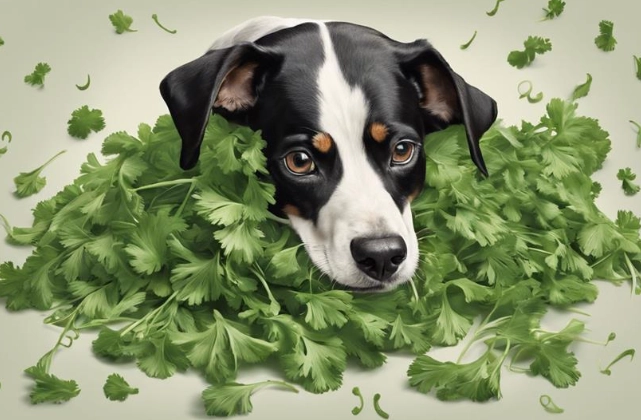
I remember the first time I let my dog, Buddy, sniff a cilantro stem. He gave it a cautious lick, then a full-on chew, and then looked at me like I’d betrayed him. The soapy, pungent taste that divides dinner parties among humans? Yeah, pets have their own strong opinions too. Some might love it, others will turn their nose up instantly. That initial reaction is your first clue about whether this herb will be a hit or a miss in your household.
The Safety Spectrum: Which Pets Can and Cannot Have Cilantro
This is the core of the issue. Safety isn’t a one-size-fits-all label. It depends entirely on the species sitting at your feet (or perched on your counter).
Dogs and Cilantro: A Generally Green Light
For our canine friends, the news is mostly good. Organizations like the ASPCA (American Society for the Prevention of Cruelty to Animals) list cilantro as non-toxic to dogs. That’s a huge relief. It means it’s not among the dangerous plants like onions, garlic, or grapes. Some vets even note that in tiny amounts, the vitamins and antioxidants could offer a minor health perk. The fiber might aid digestion slightly, but let’s be real—it’s not a miracle cure. The main benefit is as a low-calorie, flavorful occasional treat that’s different from their usual kibble.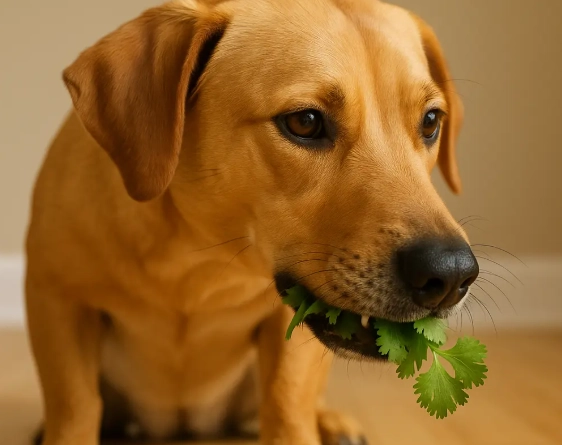
But here’s my personal take: just because they can eat it doesn’t mean they should eat a lot of it. A dog’s digestive system is designed for a meat-based diet. Too much of any unfamiliar plant matter, even a safe one, can lead to an upset stomach. Think gas, soft stools, or even vomiting. Not fun for anyone involved.
Cats and Cilantro: Proceed with Extra Caution
Cats are a different story. They are obligate carnivores, meaning their bodies are finely tuned to process meat, not plants. The ASPCA also lists cilantro as non-toxic for cats, which is the baseline for safety. However, “non-toxic” is a very low bar for a cat. Their interest in greens is often more about texture or aiding hairball passage than nutrition.
The risk with cats isn’t direct poisoning; it’s digestive upset. A cat’s gut is even more sensitive than a dog’s to dietary changes. A small piece might do nothing, or it might cause mild diarrhea. There’s also the issue of pesticides or contaminants on the leaves, which cats are particularly sensitive to. So, while the answer to “is cilantro safe for pets” technically includes cats, the practical advice is much more restrictive. If you must offer it, it should be a microscopic amount, and only if your cat shows genuine interest (which most won’t).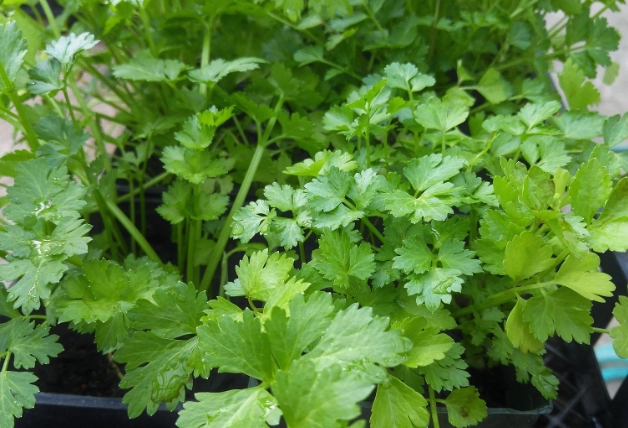
Small Pets: Rabbits, Guinea Pigs, and Birds
This is where it gets interesting. For herbivores like rabbits and guinea pigs, fresh cilantro can be a wonderful, healthy treat in rotation with other safe greens. It provides variety and nutrients. However, it should be introduced slowly and form only a small part of a diet based primarily on hay.
For birds, it’s a bit more nuanced. Some parrot owners report offering small bits of cilantro without issue. However, birds have extremely sensitive respiratory systems. The strong volatile oils in cilantro could potentially be irritating if overdone. I’d be extremely conservative here, opting for bird-safe staples like dark leafy greens instead.
And a critical warning: Absolutely avoid cilantro for pet rabbits, guinea pigs, birds, or any small animal if it has been in a dish with onions, garlic, avocado, or other known toxic foods. Cross-contamination is a silent danger.
Red Flag Pets: There is one pet group that should absolutely avoid cilantro: reptiles like iguanas or tortoises with specific dietary needs. For them, cilantro’ calcium-to-phosphorus ratio might be unsuitable. Always consult a reptile-savvy vet before offering any new greens.
The Not-So-Fine Print: Real Risks and Precautions
Calling cilantro “safe” comes with a stack of caveats. Ignoring these is where people get into trouble.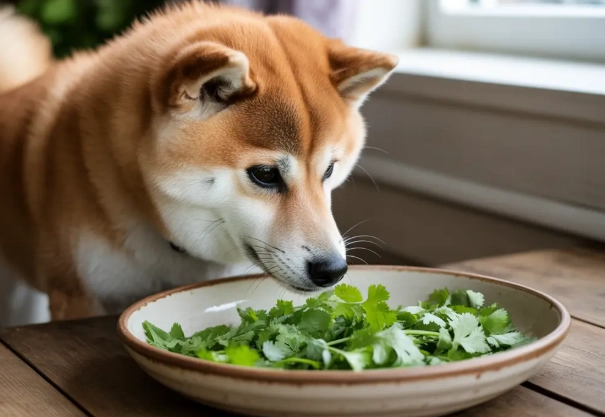
Pesticides and Contaminants: This is my biggest concern. Conventionally grown cilantro often ranks high on the “Dirty Dozen” list for pesticide residue. Washing helps but doesn’t eliminate all risk. For pets, who are smaller and more vulnerable, these chemicals can be harmful. The only way to be truly safe here is to use organic cilantro or, better yet, grow your own in a little pot on the windowsill. It’s surprisingly easy.
Choking and Obstruction: A whole cilantro stem, especially a thick one, could pose a choking hazard for a small dog or a cat that tries to swallow it whole. Always chop it finely.
Underlying Health Conditions: If your pet has kidney issues, is on specific medications, or has a known sensitive stomach, introducing any new food—cilantro included—is a conversation you must have with your vet first. It’s not worth the risk.
The “Soapy” Compound: Cilantro contains natural aldehydes, which are the compounds that make it taste soapy to some people (and animals). This isn’t a toxicity issue, but it can make the herb highly unappealing or even cause gagging. If your pet reacts this way, respect their palate and don’t force it.
How to Safely Offer Cilantro (If You Decide To)
Let’s say you’ve weighed the risks and your vet has given the okay. Here’s a step-by-step, no-nonsense approach. Think of this as a safety checklist.
Step 1: Start with a Micro-Test. Offer one single, tiny, finely chopped piece of thoroughly washed, plain cilantro. No stems, just the leaf. Observe for 24-48 hours for any signs of digestive upset or allergic reaction (like itching or hives, though this is rare).
Step 2: Keep it Minimal and Occasional. If the test passes, cilantro should remain a “sometimes” treat, not a dietary staple. For a medium-sized dog, a teaspoon of chopped leaves once a week is more than enough. For cats, a couple of shreds is the max.
Step 3: Prepare it Properly. Wash it like you’re preparing it for a human baby. Organic is best. Chop it finely to prevent choking and to mix easily into their food if desired. Never give it cooked in oil, with salt, garlic, onions, or spices. Plain is the only way.
Step 4: Watch Their Reaction. Some pets will actively seek out the taste. Others will sniff and walk away. That’s fine. Don’t try to hide it in their food to trick them; if they don’t want it, respect that.
Cilantro vs. The Danger Zone: What NOT to Do
It’s just as important to know what to avoid. Here’s a quick list of absolute no-nos.
- Never give cilantro that’s been cooked with toxic ingredients like onions, garlic, leeks, or excessive salt and fat. The herb soaks up those dangerous juices.
- Avoid wilted or spoiled cilantro. It can harbor bacteria that lead to food poisoning.
- Don’t use it as a replacement for veterinary care. While it has antioxidants, it is not a treatment for any illness.
- Never force-feed it. The stress isn’t worth it.
What If Something Goes Wrong? Recognizing Trouble
Even with the best intentions, things can go sideways. Maybe your dog got into the whole bunch while you were answering the door. Knowing the signs of a problem is crucial. Remember, a reaction is more likely from overeating or contamination than from the cilantro itself.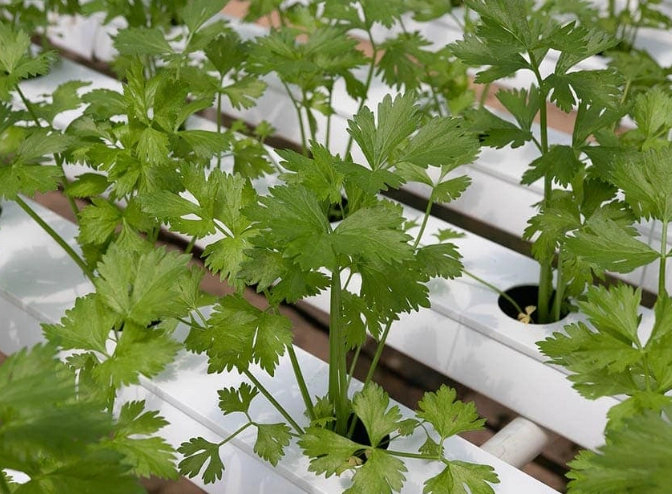
Mild Digestive Upset (Most Likely): Symptoms include vomiting, diarrhea, gas, or a temporary loss of appetite. These usually resolve on their own within a day. Withhold food for 12-24 hours (offer small amounts of water), then reintroduce a bland diet (like plain boiled chicken and rice).
Signs of Possible Pesticide Exposure or Severe Reaction: This is serious. Watch for excessive drooling, tremors, seizures, difficulty breathing, or persistent vomiting/diarrhea. These require immediate veterinary attention.
When in doubt, call your vet or a pet poison helpline. Have information ready: what they ate, how much, when, and what symptoms you’re seeing. It’s always better to overreact than underreact when it comes to our pets.
Emergency Preparedness: Keep the number for the ASPCA Animal Poison Control Center (888-426-4435) or the Pet Poison Helpline (855-764-7661) in your phone. They are staffed 24/7 by veterinary toxicologists. (Note: a consultation fee may apply).
Your Top Questions About Cilantro and Pets, Answered
Can cilantro help with my pet’s bad breath?
Maybe a tiny, temporary bit. The chlorophyll might have a mild deodorizing effect, much like parsley. But let’s be honest: if your pet has chronic bad breath, the culprit is almost always dental disease, not a lack of herbs. A vet dental check-up is the real solution. Don’t rely on cilantro as a breath mint.
My dog ate a large amount of cilantro. What now?
First, don’t panic. Assess the situation. Was it plain, fresh cilantro? If it was a whole bunch, the main risk is gastrointestinal upset due to the sudden fiber overload. Withhold their next meal, ensure they have water, and monitor closely for vomiting or diarrhea. If the cilantro was cooked with other ingredients (especially onions/garlic), or if your dog is very small and ate a massive quantity, call your vet for advice immediately.
Are coriander seeds (the spice) safe like the leaves?
This is a great question and highlights the need for precision. Ground coriander seed is a concentrated spice. While not classified as toxic, its potency makes it much more likely to cause stomach upset. I would not recommend intentionally giving your pet the powdered spice. Stick to the fresh leaves in minute quantities if you’re going to offer anything at all.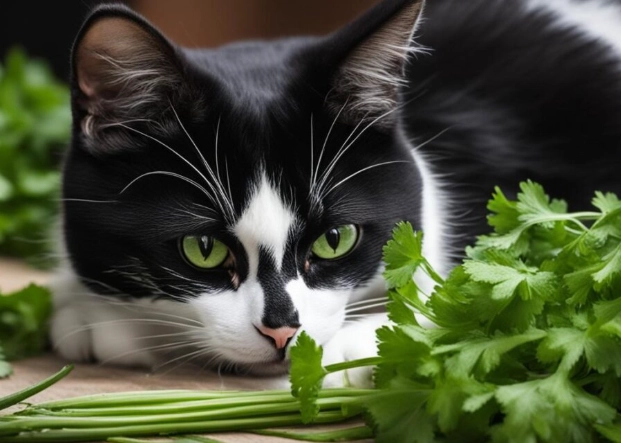
What are some safer alternative herbs or greens?
If you’re looking for pet-safe greenery to offer as a treat, you have better options than cilantro. For dogs, fresh parsley (curly, not spring parsley), basil, or small bits of chopped carrot or green bean are often better tolerated. For cats, a dedicated pot of cat grass (usually wheatgrass) is the safest choice to satisfy their desire to chew greens. Always introduce even these “safer” options slowly.
The Final Verdict: A Practical Summary
After all this, where do we land on the big question, “Is cilantro safe for pets?”
Here’s my honest, practical take:
For the average, healthy dog, a tiny bit of clean, plain cilantro as a rare treat is perfectly fine and unlikely to cause harm. For cats, it’s largely unnecessary and the potential for minor tummy trouble means it’s easier to just skip it. For small herbivores, it can be a nice dietary rotation item.
But here’s the real talk: There is no nutritional requirement for your dog or cat to eat cilantro. They live full, healthy lives without it. The urge to share our food with them is a sign of our love, but the safest way to love them is often to keep their diet consistent and tailored to their species.
If you want to give your dog a special, low-calorie treat, you’re better off with a single, plain blueberry or a small piece of apple (seeds removed). It’s just simpler and carries even less risk. The bottom line is that while cilantro isn’t a villain, it’s also not a hero in your pet’s diet. It’s a neutral player that requires careful handling. When in doubt, leaving it out of their bowl is always a safe choice. Your pet’s health isn’t worth gambling for the sake of a trendy herb.
Ultimately, you know your pet best. You’re the one watching them every day. Use this information, consult with your vet if you have specific concerns, and make the choice that lets you both sleep soundly at night. That’s what being a responsible pet parent is all about.
Reader Comments