Your Quick Guide
- Why the "How Much" Question is So Critical for Rabbits
- The Safe Cilantro Portion: Breaking It Down by Bunny Size
- How Often Can You Feed Cilantro?
- The Good Stuff: What's in Cilantro for Your Bunny?
- The "Watch Out For" List: Potential Risks of Cilantro
- How to Prepare and Serve Cilantro to Your Bunny
- Cilantro vs. Other Common Herbs: A Quick Comparison
- Answering Your Top Questions on Cilantro for Bunnies
- Putting It All Together: A Sample Feeding Week
- Final Thoughts: Trust the Process, Watch Your Bunny
So you've got a bunny, and you're standing in the kitchen with a bunch of fresh cilantro, wondering if it's okay to share. We've all been there. That sharp, citrusy smell is fantastic to us, but what does it mean for our floppy-eared friends? The short, safe answer is yes, bunnies can eat cilantro. It's not toxic. But the real question, the one that matters for your pet's health, is how much cilantro can bunnies eat without it causing problems.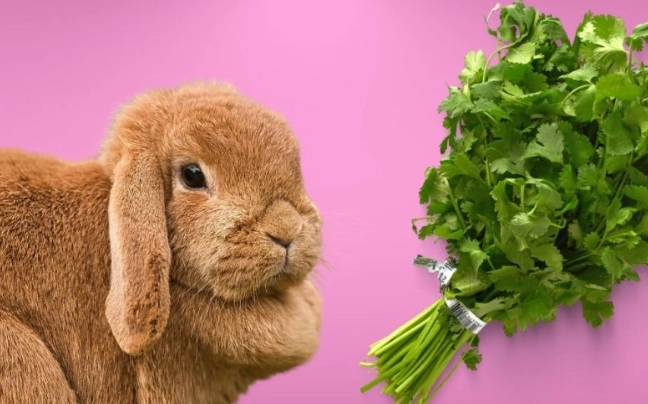
I've seen so many well-meaning owners get this wrong. They think "it's just a herb" and end up overdoing it. The truth is, a rabbit's digestive system is a finely tuned machine, built for a very specific diet of mostly hay. Throw in too much of the wrong stuff, even good stuff like cilantro, and that machine can grind to a halt. And trust me, a rabbit with digestive issues is no fun for anyone, especially the rabbit.
Let's cut through the confusion. This guide isn't about scaring you away from giving treats; it's about doing it right. We'll talk exact amounts, how often, the good stuff cilantro brings to the table, and the not-so-good stuff you need to watch for. By the end, you'll know exactly how much cilantro is safe for your bunny to munch on.
Quick Takeaway: For a standard-sized adult rabbit (approx. 2-4 kg or 4.5-9 lbs), a safe serving of cilantro is about one to two generous sprigs, 2-3 times a week. It should never replace their primary diet of unlimited hay, fresh water, and a small amount of pellets.
Why the "How Much" Question is So Critical for Rabbits
You wouldn't feed a toddler an entire family-sized bag of candy, right? Same principle applies here, but for a more delicate reason. Rabbits are hindgut fermenters. Their gut is packed with sensitive bacteria that break down fibrous foods like hay. Introduce a large amount of a new, watery, or rich food too quickly, and you risk upsetting that bacterial balance. This can lead to GI stasis—a serious, potentially life-threatening condition where the gut slows down or stops moving.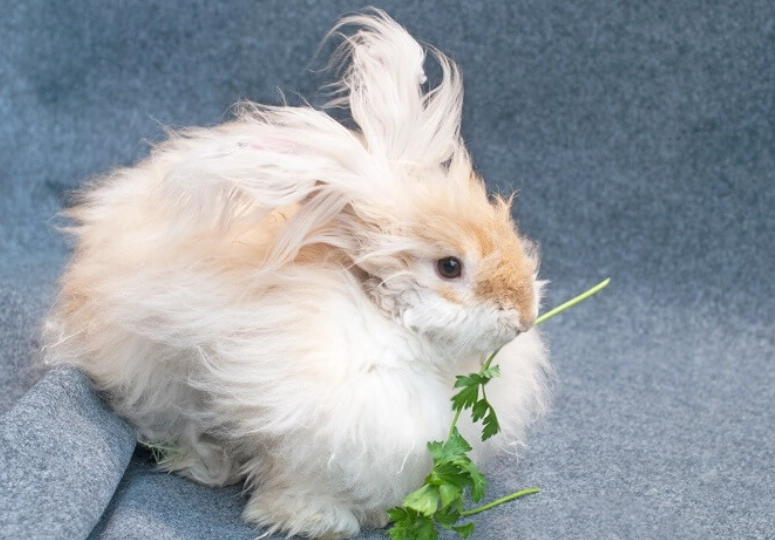
That's why the portion size for how much cilantro a rabbit can eat isn't just a suggestion; it's a guardrail for their health. Cilantro, while healthy, is high in water and contains certain compounds. In moderation, it's a benefit. In excess, it becomes a risk.
Think of cilantro (and most fresh veggies/herbs) as the rabbit equivalent of your daily multivitamin or a side salad. It's supplemental. The main course, always, is hay. Always.
The Safe Cilantro Portion: Breaking It Down by Bunny Size
Let's get specific. A "sprig" is too vague for some people. I get it. You want clear lines. So here's a more detailed look, because a Netherland Dwarf shouldn't eat the same amount as a Flemish Giant.
| Rabbit Size / Weight | Safe Cilantro Portion per Serving | Visual Guide |
|---|---|---|
| Small (e.g., Netherland Dwarf, Polish) Under 1.5 kg (3.3 lbs) |
1 small sprig or 4-6 individual leaves with stems. | About the size of a small child's palm. |
| Medium (e.g., Holland Lop, Mini Rex) 1.5 - 3.5 kg (3.3 - 7.7 lbs) |
1-2 medium sprigs. | Roughly a loosely packed handful for that rabbit. |
| Large (e.g., French Lop, Californian) 3.5 - 5.5 kg (7.7 - 12 lbs) |
2-3 generous sprigs. | A good-sized adult handful. |
| Giant (e.g., Flemish Giant, Continental Giant) Over 5.5 kg (12 lbs) |
3-4 large sprigs. | Can be a couple of decent-sized bunches. |
This table is your starting point. The most important thing is to start at the lower end. If your bunny has never had cilantro before, give them one leaf. Seriously. Just one. Watch them for 24 hours. Are their poops normal? Are they eating and drinking as usual? If all is well, you can slowly work up to the suggested portion over the next few servings.
I made the mistake of giving my first rabbit, Jasper, a whole small bunch because he loved it so much. The next day he was lethargic and his poops were weirdly small. Lesson learned the hard way. Moderation is key, even with the foods they go crazy for.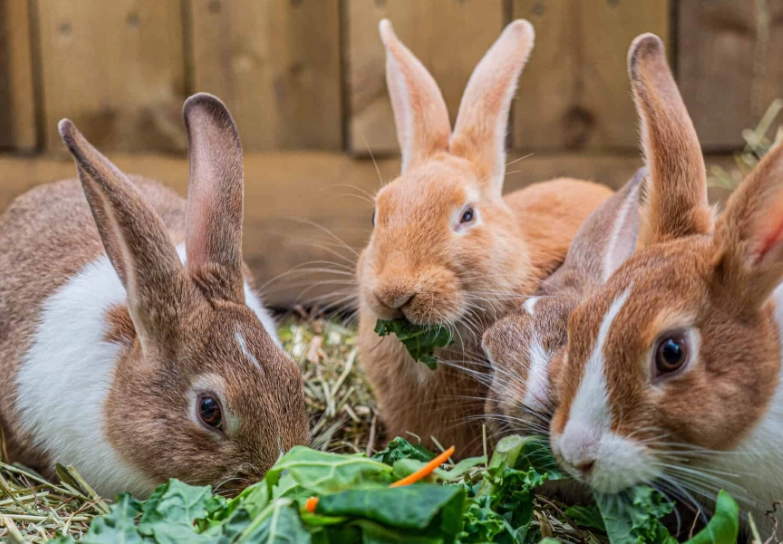
How Often Can You Feed Cilantro?
Frequency is the other half of the "how much cilantro can bunnies eat" equation. You can't just take the daily portion and feed it every single day. Variety is crucial in a rabbit's diet to provide a range of nutrients and prevent the buildup of any one compound.
- For a staple herb/veg: If cilantro is a regular part of their veggie mix, offer it 2-3 times per week. Don't give it on consecutive days. Space it out.
- As an occasional treat: It's perfectly fine to give it just once a week. This is a great way to rotate through other safe greens like romaine lettuce, bok choy, and basil.
A good rule of thumb from the House Rabbit Society, a fantastic and authoritative resource for rabbit care, is that fresh vegetables (which include herbs like cilantro) should make up about 1 cup of packed greens per 2 lbs of body weight daily. Cilantro should only be one component of that daily "salad." So, if your rabbit gets a cup of greens daily, only a fraction of that cup should be cilantro on the days you offer it.
Important: These portions and frequencies are for adult rabbits (over 7 months old). Baby rabbits (under 12 weeks) should not have any vegetables or herbs—their diet is mother's milk, alfalfa hay, and alfalfa-based pellets. For juveniles (3-7 months), introduce new greens like cilantro one at a time, in tiny amounts, and very gradually.
The Good Stuff: What's in Cilantro for Your Bunny?
So why bother with cilantro at all? If it's so tricky to get the amount right, why not skip it? Well, when fed correctly, it offers some nice benefits. It's not a magic health food, but it's a good addition.
- Vitamin K: Super important for blood clotting and bone health.
- Vitamin A & Beta-Carotene: Essential for good vision, a healthy immune system, and skin health.
- Vitamin C: An antioxidant. While rabbits produce their own Vitamin C, a little extra from food doesn't hurt.
- Minerals: Contains small amounts of potassium, manganese, and magnesium, which support nerve function and metabolism.
- Antioxidants: Contains compounds like quercetin that help combat oxidative stress.
- Hydration: Its high water content can contribute to overall fluid intake, which is always a plus.
- Mental Stimulation: Let's be honest, a new texture and taste is fun for them! It enriches their day.
You see, the goal of figuring out how much cilantro your rabbit can eat is to unlock these benefits without the downsides.
The "Watch Out For" List: Potential Risks of Cilantro
No food is perfect. Here’s what you need to keep an eye on. This isn't to panic you, but to make you an informed owner.
- Oxalates: Cilantro contains moderate levels of oxalic acid. In high amounts, oxalates can bind with calcium and potentially contribute to the formation of bladder sludge or stones in susceptible rabbits. This is a primary reason for the moderation and rotation rule. Don't feed high-oxalate foods (like spinach, parsley, beet greens) together on the same day. The Merck Veterinary Manual notes the importance of managing dietary calcium and oxalate in herbivores to prevent urolithiasis (stone formation).
- Pesticides: Always, always wash cilantro thoroughly. Better yet, buy organic if you can, or grow your own. Rabbits are small, and chemical residues hit them harder.
- Digestive Upset: As mentioned, too much too fast is the fast track to soft stools or GI stasis. The high water and fiber change can be a shock.
- The "Soapy" Gene: This is a human thing, but funny enough, some people say their rabbits are picky about cilantro. For some humans, cilantro tastes like soap due to a genetic trait. While we don't know if rabbits experience this, anecdotally, some bunnies turn their nose up at it completely. If yours does, don't force it. There are plenty of other herbs.
How to Prepare and Serve Cilantro to Your Bunny
Getting the amount right is one thing. Serving it safely is another. Here's a simple step-by-step.
- Wash It: Rinse the cilantro under cool running water. I sometimes give it a quick soak in a bowl of water with a dash of vinegar to help loosen any dirt or residues, then rinse again.
- Dry It (Optional but Good): Gently pat it dry with a paper towel or use a salad spinner. Excess water on food can sometimes cause loose stools.
- Serve Raw & Fresh: Never cook it. Cooking destroys nutrients and makes it unsuitable. Don't use dried cilantro from your spice rack either—it has no nutritional value for them and could be a choking hazard.
- Mix It In: Don't just hand over a pile of cilantro. Mix your measured portion in with their other daily greens. This prevents them from gobbling down just the cilantro and ignoring other foods.
- Remove Uneaten Portions: After a few hours, take out any leftover wet greens from their enclosure. They wilt quickly and can grow bacteria.
Feeding Checklist: Wash ✓ | Portion according to size ✓ | Mix with other greens ✓ | Feed 2-3x weekly, not daily ✓ | Remove leftovers ✓ | Observe poop and behavior ✓
Cilantro vs. Other Common Herbs: A Quick Comparison
Where does cilantro stack up in the bunny herb world? It's a good middle-ground option.
- Basil: Similar safety profile. Often a big hit. Can be fed in similar amounts.
- Mint: Very strong flavor. Some bunnies love it, some hate it. Feed in slightly smaller amounts than cilantro due to potency.
- Parsley: Higher in oxalates than cilantro. I tend to feed parsley less frequently—maybe once a week—and in smaller amounts.
- Dill: Another safe option. Feathery and fun for them to eat. Comparable portion size to cilantro.
- Oregano/Thyme/Rosemary: These are stronger, woody herbs. They are safe but should be given as tiny, occasional treats, not regular salad components.
The takeaway? Rotate through these! Give cilantro one day, basil another, a bit of dill another. This variety automatically manages the "how much cilantro" question because they're not eating it all the time.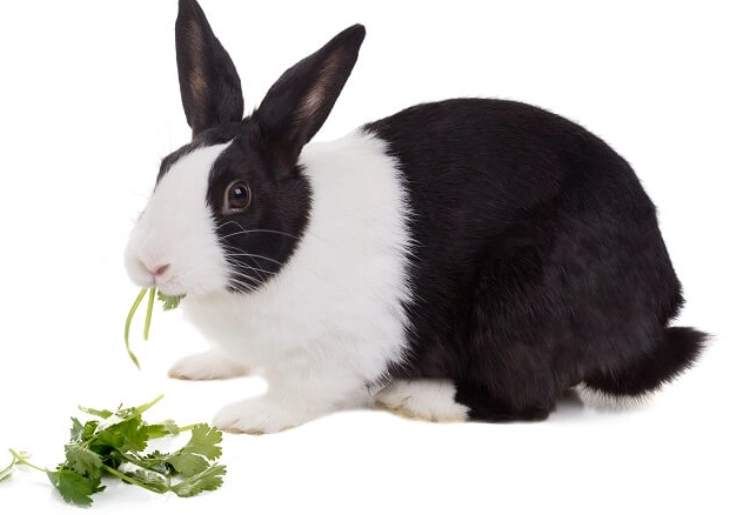
Answering Your Top Questions on Cilantro for Bunnies
Stems: Absolutely yes. The stems are tender, fibrous, and perfectly safe. In fact, many rabbits enjoy crunching on them. They are part of the "sprig."
Roots: It's best to avoid the roots. They are often caked in soil, even after washing, and don't offer the same nutritional profile as the leaves and stems. Stick to the parts above the soil line.
Not at all! Rabbits, like people, have personal tastes. Some go bonkers for bananas, others for strawberries. Some will snub cilantro entirely. It doesn't mean it's bad or that your rabbit is unhealthy. Simply try a different green herb like basil or mint. Forcing a food is never the answer. The RSPCA emphasizes providing a suitable diet that the animal will actually eat and enjoy, which supports their overall welfare.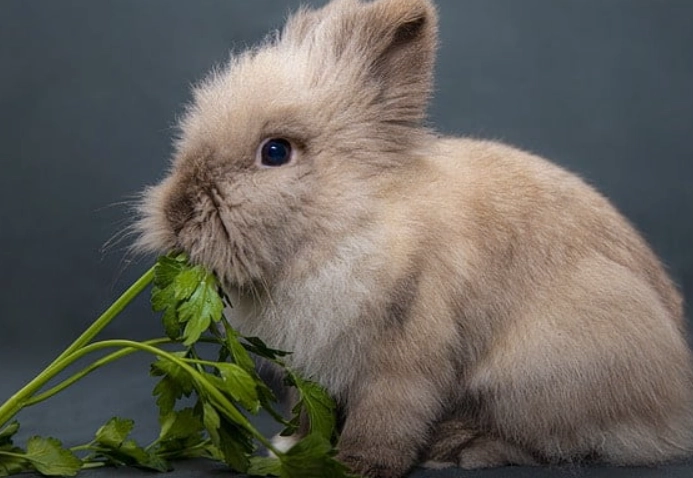
First, don't panic. One isolated overindulgence is unlikely to cause a catastrophe, but you need to monitor closely. Immediately stop all treats and veggies. For the next 24-48 hours, provide only unlimited hay and fresh water. This lets their gut reset. Watch their poop like a hawk. You're looking for normal, round, fibrous droppings. If you see soft stools, no stools, or if your rabbit stops eating hay, becomes lethargic, or shows signs of pain (hunched posture, teeth grinding), contact your rabbit-savvy vet immediately. GI stasis is an emergency.
"Better" is subjective. Parsley is richer in some vitamins but also significantly higher in oxalates. For this reason, many owners (myself included) use cilantro as a more frequent "staple" herb and parsley as a more "occasional" one. It's not that one is good and the other bad; it's about using them strategically within a varied diet. So, when planning how much cilantro can bunnies eat versus parsley, lean towards more frequent but moderate cilantro, and less frequent, smaller portions of parsley.
I don't recommend it, and neither do most experienced rabbit vets and rescues. Feeding the same food daily increases the risk of nutrient imbalances and the buildup of compounds like oxalates. It also reduces dietary variety, which is key for mental and physical health. Aim for 2-3 times a week, max. Their daily greens should be a mix of 3-5 different items.
Putting It All Together: A Sample Feeding Week
Let's make this practical. Here’s what a week of veggie/herb feeding might look like for my medium-sized Holland Lop (who loves cilantro, by the way).
- Monday: Romaine lettuce, 1 sprig of cilantro, a small piece of bell pepper.
- Tuesday: Green leaf lettuce, a few basil leaves, a broccoli floret (tiny!).
- Wednesday: No fresh veggies/herbs. Just hay, pellets, water. A "hay day" is a great gut reset.
- Thursday: Romaine lettuce, a small dill sprig, a raspberry (as a rare treat).
- Friday: Bok choy, 1 sprig of cilantro, a slice of cucumber.
- Saturday: Spring mix (no spinach), a few mint leaves.
- Sunday: Green leaf lettuce, a small piece of parsley, a blueberry.
See how cilantro appears twice, spaced apart? That's the rhythm you're aiming for. It answers how much cilantro a bunny can eat in the context of a real-life diet.
It might seem like a lot to remember, but it becomes second nature.
Final Thoughts: Trust the Process, Watch Your Bunny
At the end of the day, you know your rabbit best. Guidelines for how much cilantro bunnies can eat are just that—guidelines. A particularly sensitive rabbit might need even less. A giant, robust bunny might handle the upper end of the scale just fine.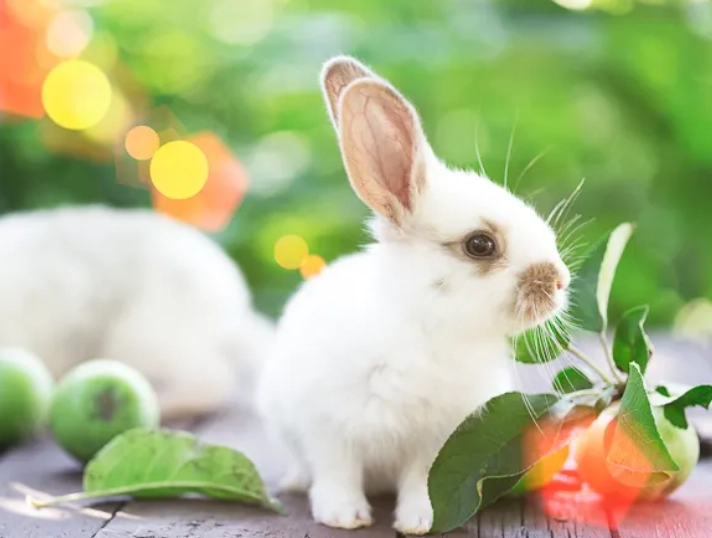
The most important tool you have is observation. Watch how they react. Monitor their output (poop is a fantastic health indicator). If in doubt, give less. You can always add a little more next time, but you can't take it back once they've eaten it.
Cilantro can be a wonderful, healthy, and enjoyable part of your rabbit's life. By nailing down the correct amount and frequency, you're not limiting their joy—you're ensuring they stay healthy and happy to enjoy many more cilantro sprigs (and all their other foods) for years to come. So go ahead, wash that cilantro, portion it out, and enjoy the sight of your happy bunny doing that adorable little munch.
Reader Comments