Quick Guide to Rabbit Nutrition
- Why Cilantro is More Than Just a Tasty Treat
- How to Feed Cilantro to Your Rabbit: A Step-by-Step Guide
- The "Dark Side" of Cilantro: Potential Risks and How to Avoid Them
- Cilantro vs. The Herb Garden: How It Stacks Up
- Your Top Questions About Rabbits and Cilantro, Answered
- Putting It All Together: A Sample Feeding Day
- Final Verdict: Is Cilantro a Yes for Your Bunny?
Let's cut right to the chase. If you're standing in your kitchen with a bunch of cilantro in one hand and a worried look for your floppy-eared friend, the short answer is yes, rabbits can absolutely eat cilantro leaves. In fact, most bunnies go nuts for the stuff. But you knew there was going to be a "but," right? There always is with rabbit diets. It's not just about whether they *can* eat it, but how much, how often, and what you need to watch out for.
I remember the first time I offered cilantro to my rabbit, Biscuit. He sniffed it, did that cute little head tilt, and then devoured it like he hadn't eaten in a week. The enthusiasm was real. But later, I started wondering—was I doing the right thing? Just because he loves it doesn't mean it's the best thing for him. That's the rabbit owner's dilemma.
So, let's dig deeper than a simple yes or no. We're going to talk about why cilantro can be a great choice, the potential pitfalls most guides don't mention, and how to make it a safe, healthy part of your bunny's menu. Because feeding your pet shouldn't be a guessing game.
Why Cilantro is More Than Just a Tasty Treat
You might be wondering, beyond being a flavorful herb, what's actually in cilantro that makes it worth considering? It turns out, this common garnish packs a decent nutritional punch for a rabbit.
The Good Stuff Inside
Cilantro (the leaves and stems of the Coriandrum sativum plant) isn't just empty calories. It's a source of several vitamins and antioxidants that can complement your rabbit's primary diet of hay. We're talking vitamin A for good eyesight, vitamin K for healthy blood, and even a bit of vitamin C and E, which act as antioxidants. It also contains minerals like potassium and manganese, though in modest amounts.
The key thing to remember is that for rabbits, cilantro leaves are a supplementary food. The core of their diet—the irreplaceable foundation—must always be unlimited, high-quality grass hay (like timothy or orchard grass). Think of cilantro as the nutritious side dish, not the main course.
One of the less-discussed benefits is hydration. Cilantro has a high water content. This can be subtly helpful, especially for rabbits who are a bit finicky about drinking from their water bottle or bowl. Every little bit of moisture from fresh veggies and herbs helps keep their digestive system moving smoothly.
Then there's the enrichment factor. Let's be honest, eating the same hay day in and day out can get boring. Introducing different safe herbs like cilantro provides sensory stimulation. The new smell, texture, and taste encourage natural foraging behavior. A mentally stimulated rabbit is often a happier, healthier rabbit.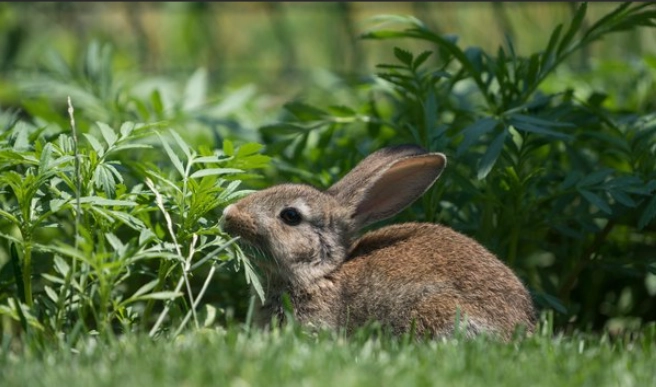
How to Feed Cilantro to Your Rabbit: A Step-by-Step Guide
Okay, so we've established that rabbits can eat cilantro leaves. Now, how do you actually do it without causing an upset stomach? This is where most owners slip up. I've seen people just dump a whole bunch in the cage, which is a recipe for trouble.
Step 1: The All-Important Introduction
If your rabbit has never had cilantro before, you must go slow. A rabbit's digestive system is delicate and finely tuned. Introducing any new food too quickly can disrupt the sensitive balance of bacteria in their gut, leading to gas, bloating, or worse, GI stasis—a serious and potentially fatal condition.
Start with a tiny amount. I'm talking one or two small sprigs, about the size of your thumb. Offer this and observe your rabbit for the next 12-24 hours. Watch their poop. This sounds gross, but it's the single best indicator of bunny health. You're looking for normal, round, firm fecal pellets. If you see small, misshapen, or mucous-covered poop, or if your rabbit stops eating or pooping altogether, stop the cilantro immediately and consult your vet. If all seems well, you can gradually increase the amount over the next week.
Step 2: Washing is Non-Negotiable
This seems obvious, but it's worth shouting about. Commercially grown cilantro, like most produce, can have pesticide residues, dirt, or other contaminants. Always wash the cilantro thoroughly under cool running water. Some owners prefer to soak it in a vinegar-water solution (1 part vinegar to 3 parts water) for a few minutes, then rinse well. The goal is to remove anything that could harm your bunny.
Step 3: Serving Size and Frequency - The Golden Rules
This is the million-dollar question: how much cilantro can a rabbit eat? The answer depends entirely on your rabbit's size, age, and overall health.
Here's a general guideline that has worked well for me and many other owners. Remember, this is for a healthy, adult rabbit whose diet is already at least 80% hay.
| Rabbit Size | Daily Fresh Veggie Guideline | Recommended Cilantro Portion (as part of daily veggies) |
|---|---|---|
| Small (e.g., Netherland Dwarf) | About 1 cup, packed | Up to 1/4 cup of sprigs (a small handful) |
| Medium (e.g., Holland Lop) | About 1.5 to 2 cups, packed | Up to 1/2 cup of sprigs |
| Large (e.g., Flemish Giant) | About 2 to 3 cups, packed | Up to 1 cup of sprigs |
Crucially, cilantro should be part of a varied mix of leafy greens and herbs. Don't just feed cilantro every day. Rotate it with other safe options like romaine lettuce, bok choy, basil, mint, and carrot tops. Variety ensures a broader range of nutrients and prevents your rabbit from developing a sensitivity to any one food.
Can rabbits eat cilantro leaves every day? Technically, yes, if they're used to it and it's part of a rotation. But I personally don't feed any single green every single day without a break. A little rotation mimics a more natural foraging diet and just feels like a safer practice.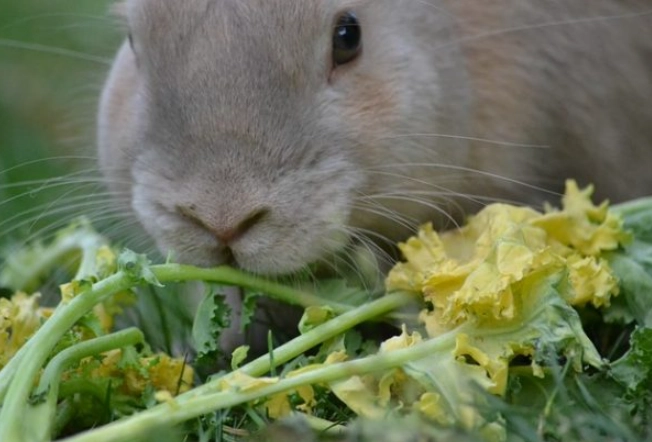
The "Dark Side" of Cilantro: Potential Risks and How to Avoid Them
No food is 100% risk-free, and it's irresponsible to talk about the benefits without covering the potential downsides. Being aware of these is what makes you a prepared owner.
The Calcium Question
Cilantro contains a moderate amount of calcium. For most healthy rabbits with a functioning urinary system, this is not a problem. Their bodies excrete the excess calcium through urine. However, for rabbits prone to urinary sludge or bladder stones (a condition more common in certain breeds and older rabbits), a diet high in calcium can exacerbate the issue. If your rabbit has a history of urinary problems, it's wise to discuss all greens, including cilantro, with your veterinarian. They might recommend lower-calcium greens like endive or cilantro in stricter moderation.
Then there's the issue of pesticides and chemicals, which we touched on with washing. But what about organic cilantro? Is it necessary? Organic is certainly a good choice as it minimizes pesticide exposure, but it's not an absolute requirement if you wash conventional cilantro thoroughly. The most important thing is the washing step.
A less common but notable risk is the simple fact that some rabbits might have an individual sensitivity or allergy. Just like people, every rabbit is unique. One might thrive on cilantro, while another might get a slightly gassy belly from it. This is why the slow introduction phase is so critical—it helps you identify your own rabbit's personal tolerance.
And let's talk about the stems. Can rabbits eat cilantro stems? Absolutely. The stems are edible, often crunchy, and many rabbits enjoy them. Just make sure they are not woody or thick to the point of being a potential choking hazard. Tender stems are perfectly fine.
Cilantro vs. The Herb Garden: How It Stacks Up
When you're wondering "can rabbits eat cilantro leaves," you're probably also thinking about other herbs. How does cilantro compare? It's helpful to see it in context.
In the grand scheme of rabbit-safe herbs, cilantro is a solid, middle-of-the-road choice. It's not as potent as something like parsley (which is also safe but very high in vitamin K and calcium), and it's not as watery as something like lettuce. It sits nicely alongside herbs like basil, mint, and dill. I tend to think of it as a reliable "base" herb to include in the weekly mix.
What about coriander? This confuses many people. Cilantro and coriander come from the same plant. In many parts of the world, "coriander" refers to both the leaves and the seeds. In the US, "cilantro" typically means the fresh leaves and stems, while "coriander" refers to the dried seeds. Rabbits should not be fed dried coriander seeds as a regular part of their diet. Seeds are high in fat and starch, which are not suitable for a rabbit's digestive system. Stick to the fresh leaves and tender stems.
Your Top Questions About Rabbits and Cilantro, Answered
Over the years, I've gotten countless questions from other rabbit owners. Here are the ones that pop up most often, the things people really want to know after the basic "is it safe" question is settled.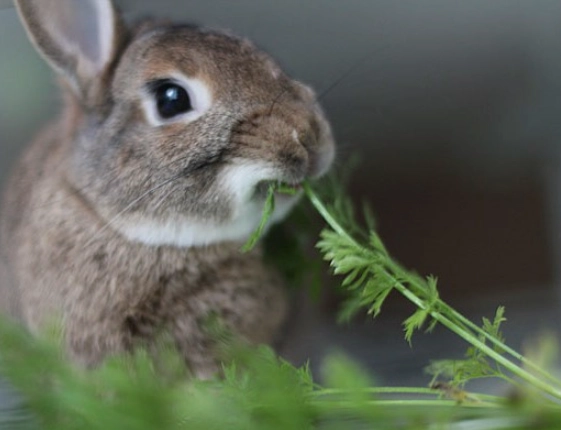
Can baby rabbits (kits) eat cilantro?
No. This is a firm rule. A baby rabbit's digestive system is extremely delicate and is designed to handle only its mother's milk and, later, alfalfa hay and pellets. Introduce any fresh vegetables or herbs, including cilantro, only after they are at least 12 weeks old, and even then, start with tiny amounts. The House Rabbit Society, a highly respected authority on rabbit care, provides excellent guidelines on juvenile rabbit diets that are worth reviewing.
My rabbit ate a huge bunch of cilantro! What should I do?
First, don't panic, but be vigilant. Remove all other food except for unlimited hay and water. The hay is crucial to keep their gut motility normal. Monitor them closely for the next 24 hours. Watch for signs of gastrointestinal distress: lethargy, hunched posture, grinding teeth (a sign of pain), loss of appetite, or a decrease in the size or quantity of fecal pellets. If you notice any of these signs, contact your veterinarian immediately. An overload of fresh food can trigger GI stasis.
Are there any rabbits that shouldn't eat cilantro?
Yes. Rabbits with known kidney or chronic urinary tract issues (like bladder stones) should have their calcium intake monitored, so cilantro might need to be limited. Rabbits with recurring digestive problems or those recovering from GI stasis should have their diet managed very carefully by a vet, and new foods introduced with extreme caution. Always follow your veterinarian's specific dietary advice for rabbits with health conditions.
What are good alternatives if my rabbit doesn't like cilantro?
Some rabbits are just picky, or they might dislike the distinctive smell of cilantro (to be fair, some humans have a gene that makes cilantro taste like soap!). Great alternatives include: romaine lettuce (not iceberg, which is nutritionally void), green leaf lettuce, bok choy, celery leaves, basil, mint, and carrot tops. The key is variety from the list of safe greens.
Can rabbits eat cilantro leaves that are wilted or slightly yellow?
I wouldn't recommend it. You should offer your rabbit the same quality of food you would eat yourself. Wilted, slimy, or yellowing cilantro is starting to break down and could harbor bacteria that could upset your rabbit's stomach. Fresh is best. If you wouldn't put it in your salad, don't put it in your rabbit's bowl.
Putting It All Together: A Sample Feeding Day
Let's make this practical. Here's what a day of healthy feeding might look like for my medium-sized Holland Lop, incorporating cilantro responsibly.
- Unlimited Access: A huge pile of fresh timothy hay. This is available 24/7 and makes up about 85% of what he eats by volume.
- Morning Pellets: A measured 1/4 cup of high-fiber, plain timothy hay-based pellets (no colorful bits or seeds).
- Evening Veggie Mix: This is where the cilantro comes in. Tonight's mix might be: a few sprigs of cilantro (about 1/4 cup), a large romaine lettuce leaf, a small sprig of mint, and a couple of carrot tops. All washed, patted dry, and chopped into manageable pieces.
- Treats (Sparingly): Maybe a tiny slice of apple or a blueberry, given by hand for bonding. Not every day.
This structure ensures hay is the star, pellets provide balanced nutrition, and the fresh greens—including cilantro—add variety, moisture, and extra vitamins.
A quick personal thought: I see a lot of anxiety online about rabbit diets. People get paralyzed trying to be perfect. The truth is, if you're asking detailed questions like "can rabbits eat cilantro leaves," you're already a caring owner. Focus on the big pillars—unlimited hay, limited pellets, fresh water, and a varied selection of safe greens—and you'll be on the right track. Don't stress over the occasional small mistake. Observe your rabbit, learn their habits, and adjust. They're tougher than we sometimes give them credit for, but they also rely on us to make good choices for them.
Final Verdict: Is Cilantro a Yes for Your Bunny?
So, after all this, where do we land? Can rabbits eat cilantro leaves? The resounding answer is yes, it is a safe and healthy herb for most rabbits when introduced properly and fed in moderation as part of a diverse diet.
The real magic isn't in any single food item. It's in the overall balance. Cilantro can be a wonderful component of that balance. It offers flavor, enrichment, and useful nutrients. But it will never replace the fundamental role of grass hay, which is essential for wearing down their constantly growing teeth and maintaining a healthy digestive tract. For authoritative, science-backed information on overall rabbit nutrition, resources from institutions like the UC Davis School of Veterinary Medicine can be invaluable.
Start small, wash it well, mix it up with other greens, and always, always keep an eye on those poop pellets. Your rabbit's health is the ultimate indicator. If you do that, you can feel confident offering those fragrant green leaves, knowing you're adding a bit of tasty variety to your beloved pet's life.
Now, go enjoy watching your bunny munch away. There are few things more satisfying than knowing you're feeding them well.
Reader Comments