Quick Navigation
- The Big Question: Why Can't Bunnies Go in Water?
- Physiological Reasons: Why Water is a Hazard for Rabbits
- Common Misconceptions Debunked
- What If Your Bunny Gets Wet? Emergency Steps
- Preventive Measures: Keeping Your Bunny Safe and Dry
- Frequently Asked Questions (FAQs)
- Comparing Pets: How Rabbits Stack Up Against Water
- Personal Experience: A Lesson Learned
- Expert Insights and Authority Links
- Final Thoughts: Keeping Your Bunny Happy and Dry
You know, I've had bunnies for years, and this question pops up all the time. Why can't bunnies go in water? It seems simple, but there's a lot going on under that fluffy surface. I remember when my bunny, Fluffy, darted near a puddle after rain—my heart skipped a beat. It's not just about them getting wet; it's about survival. And honestly, some people think it's okay to let rabbits swim, but that's a risky myth. Let's dive into the details, but not literally, because for bunnies, water is a big no-no.
I'll share my own mishap later—Fluffy once got a damp paw from a spilled water bowl, and the panic was real. It taught me a lot about why rabbits and water don't mix.
The Big Question: Why Can't Bunnies Go in Water?
So, why can't bunnies go in water? At its core, it's about physiology. Rabbits aren't built for aquatic life. Their bodies are designed for dry land, and water exposure can trigger a chain of health issues. It's not that they're afraid of water (though many are); it's that their systems can't handle it. Think of it like putting a smartphone in a pool—it just won't work right. For bunnies, going in water can lead to hypothermia, stress, and even fatal outcomes. That's why every rabbit owner should understand the risks.
If you're wondering, "Can my bunny ever touch water?" the answer is nuanced. Small amounts, like drinking, are fine, but immersion is dangerous. Why can't bunnies go in water? Let's break it down.
Physiological Reasons: Why Water is a Hazard for Rabbits
Rabbits have unique traits that make water risky. Here are the key factors—no fancy jargon, just plain facts.
Fur and Thermoregulation: A Recipe for Disaster
Rabbit fur is dense and absorbent. Unlike some animals, it doesn't repel water well. When wet, it loses its insulating properties, causing rapid heat loss. Bunnies regulate body temperature through their ears and fur, so a soaked coat can lead to hypothermia quickly. I've read studies from the American Veterinary Medical Association that highlight how small pets like rabbits are prone to temperature swings. Why can't bunnies go in water? This is a huge part—their fur turns into a cold, heavy blanket.
Plus, drying a rabbit is tough. Their skin is sensitive, and using hairdryers can burn them or cause stress. It's a messy situation all around.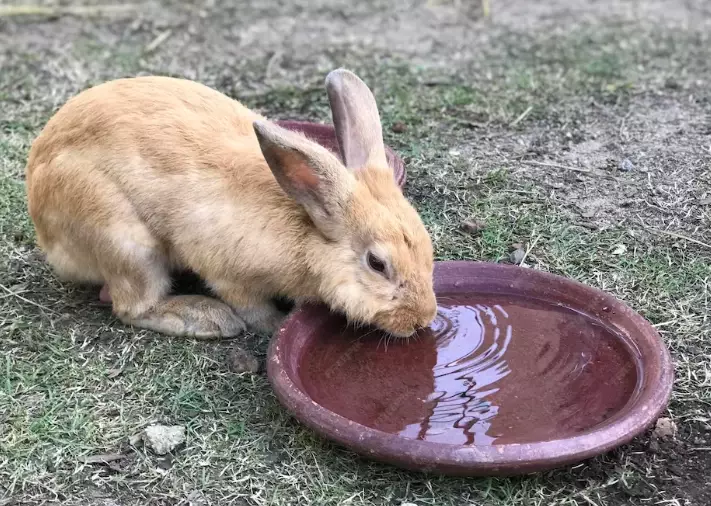
Respiratory Risks: Breathing Trouble Ahead
Rabbits have delicate respiratory systems. Water exposure can lead to inhalation of moisture, increasing the risk of pneumonia or infections. Their noses are always twitching, and if water gets in, it can block airways. The House Rabbit Society notes that respiratory issues are common in wet rabbits, and recovery is slow. So, why can't bunnies go in water? It's not just external; it messes with their breathing too.
I've seen forums where owners report sneezing fits after accidental splashes. It's scary stuff.
Stress and Shock: The Silent Killer
Rabbits are prey animals, and stress can be deadly. Being forced into water triggers a fear response, releasing stress hormones that can cause heart problems or gastrointestinal stasis—a condition where their gut stops moving. This is why you'll hear vets say, "Avoid water baths at all costs." Why can't bunnies go in water? Stress alone can tip them over the edge.
My vet once told me about a case where a rabbit went into shock after a bath, and it didn't end well. It's a reminder to keep things dry.
So, in short: fur, breathing, stress—all bad with water.
Common Misconceptions Debunked
Let's clear up some myths. I've heard it all, and some are downright dangerous.
- Myth 1: Rabbits can swim naturally. Nope. While some animals paddle instinctively, rabbits aren't built for it. Their body shape and leg structure aren't efficient for swimming. They might flail and panic, leading to drowning. Why can't bunnies go in water? Because swimming isn't in their genes.
- Myth 2: A quick bath is harmless. Wrong. Even a brief soak can wet their fur enough to cause issues. I tried giving Fluffy a "paw wash" once, and the stress was visible—she hid for hours. The PDSA advises against bathing rabbits unless medically necessary, and even then, under vet supervision.
- Myth 3: Drying them off fixes everything. Not really. The damage can be internal, like stress or inhaled water. Drying is just surface-level.
Why can't bunnies go in water? These myths spread misinformation, putting rabbits at risk. It's frustrating to see online videos promoting rabbit baths—they're often edited to hide the aftermath.
What If Your Bunny Gets Wet? Emergency Steps
Accidents happen. Maybe your bunny jumps into a sink or gets caught in rain. Here's what to do—no panic, just action.
- Stay calm. Your bunny picks up on your energy. Gently lift them out of the water, supporting their body.
- Dry immediately. Use a soft, absorbent towel. Pat gently—don't rub, as it can irritate skin. Focus on the fur, especially around the ears and belly.
- Keep warm. Wrap them in a dry towel and place them in a warm, draft-free area. A heating pad on low (covered with a cloth) can help, but avoid direct heat.
- Monitor closely. Watch for signs of hypothermia (shivering, lethargy) or respiratory distress (wheezing, nasal discharge). If you see anything off, contact a vet ASAP.
- Offer comfort. Speak softly and provide their favorite treats to reduce stress.
Why can't bunnies go in water? Because even with quick action, the aftermath can be tricky. I had to do this when Fluffy knocked over a water bowl—it was a lesson in preparedness.
Preventive Measures: Keeping Your Bunny Safe and Dry
Prevention is better than cure. Here are practical tips to minimize water risks.
- Secure water sources. Use heavy, tip-proof bowls for drinking. Place them away from play areas to avoid spills.
- Supervise outdoor time. If your bunny goes outside, ensure no pools, puddles, or open water are accessible. A secure pen is key.
- Groom regularly. Brush your bunny to prevent matting, which can trap moisture. This reduces the need for any water-based cleaning.
- Educate everyone. Make sure family members or visitors know not to expose the bunny to water. It sounds obvious, but kids might think it's fun.
- Create a dry habitat. Keep their living area clean and dry, with absorbent bedding changed frequently.
Why can't bunnies go in water? By taking these steps, you're answering that question with action. It's about creating a safe environment where the question doesn't even come up.
Frequently Asked Questions (FAQs)
I get a lot of questions from fellow rabbit owners. Here are some common ones, answered plainly.
Can rabbits drink water safely?
Absolutely! Drinking water is essential for hydration. Use clean, fresh water in a stable bowl or bottle. The concern is immersion, not consumption. So, why can't bunnies go in water? It's about soaking, not sipping.
What about cleaning a dirty bunny?
For minor messes, use a damp cloth or pet-safe wipes. Avoid full baths. If they're very soiled, consult a vet for dry shampoo options. The RSPCA recommends spot-cleaning only to prevent stress.
Do wild rabbits avoid water?
Yes, wild rabbits instinctively steer clear of large water bodies. They get moisture from dew and vegetation. Why can't bunnies go in water? Evolution has taught them it's risky.
Can bunnies learn to like water?
Probably not. Their aversion is hardwired for survival. Forcing them can cause lasting trauma. I've never met a rabbit that enjoys water, and trying to train them is, in my opinion, cruel.
What if my bunny falls in a pool?
Follow the emergency steps above, and get veterinary help immediately. Drowning risks are high, even if they seem okay initially. Why can't bunnies go in water? This scenario shows why—it's a life-or-death situation.
Remember, every bunny is different, but the rules around water are pretty universal. When in doubt, keep it dry.
Comparing Pets: How Rabbits Stack Up Against Water
To put things in perspective, let's look at how different pets handle water. This table sums it up—no fluff, just facts.
| Pet Type | Water Adaptation | Risks for Immersion | Common Misconceptions |
|---|---|---|---|
| Rabbits | Poor; not aquatic | High (hypothermia, stress) | They can swim or bathe safely |
| Cats | Variable; some dislike water | Moderate (stress, but fur sheds water) | All cats hate water |
| Dogs | Good; many can swim | Low to moderate (depends on breed) | All dogs love water |
| Hamsters | Very poor; avoid water | High (similar to rabbits) | They can be bathed like rodents |
Why can't bunnies go in water? This table highlights their vulnerability compared to other pets. It's not a stark contrast.
Personal Experience: A Lesson Learned
Let me tell you about Fluffy's close call. One summer, I left a bucket of water in the yard while cleaning. Fluffy, curious as ever, hopped over and slipped—her paw dipped in. She jerked back, but even that tiny bit of moisture made her fur clump. I dried her off, but she started shivering within minutes. We rushed to the vet, who warned about early hypothermia. It was a wake-up call. Why can't bunnies go in water? Because even a small amount can spiral fast.
I felt guilty for days. Now, I'm hyper-vigilant about water sources. It's not worth the risk.
Expert Insights and Authority Links
To back this up, I've linked to reputable sources. These aren't just random sites—they're trusted in the pet care world.
- The AVMA provides guidelines on small pet safety, emphasizing dry environments for rabbits.
- The House Rabbit Society has extensive articles on why baths are harmful, with case studies from rescued rabbits.
- The PDSA offers practical advice on rabbit care, including water avoidance tips.
Why can't bunnies go in water? These authorities confirm it's not just my opinion—it's veterinary consensus.
Final Thoughts: Keeping Your Bunny Happy and Dry
So, why can't bunnies go in water? It boils down to their biology and well-being. They're fragile creatures in many ways, and water amplifies those vulnerabilities. As owners, our job is to protect them from hazards we might not think twice about. I've learned to treat water like a poison for Fluffy—kept far away and handled with care.
If you take anything from this, let it be this: respect your bunny's limits. Why can't bunnies go in water? Because their lives depend on staying dry. Spread the word, and let's keep those fluff balls safe.
Thanks for reading—stay dry, and hug your bunny today!
Reader Comments