Quick Navigation
- The Absolute No-Go List: Vegetables That Are Truly Toxic
- The "Why Risk It?" List: Common Veggies That Are Problematic
- The Digestive Disruptors: Veggies That Cause Gas and Bloating
- So, What CAN They Eat? The Safe and Healthy Alternatives
- Answering Your Burning Questions
- Putting It All Together: A Simple Feeding Strategy
- Final Thoughts: Trust Your Instincts
So you're standing in the produce aisle, looking at all the greens, and a question pops into your head: what vegetables will rabbits not eat? It's a brilliant question, honestly. Because if you've ever owned a rabbit, you know they'll try to nibble on just about anything – your shoelaces, that important document, the corner of your favorite book. But when it comes to their actual dinner plate, we can't just assume they know what's best for them. That's our job.
I remember when I first got my rabbit, Thumper. I was so excited to share my salad with him. I figured, it's healthy for me, it must be good for him, right? I almost gave him a piece of avocado before a quick Google search sent me into a panic. That was my wake-up call. Just because it's a vegetable doesn't mean it's rabbit food. In fact, some common veggies can be downright dangerous.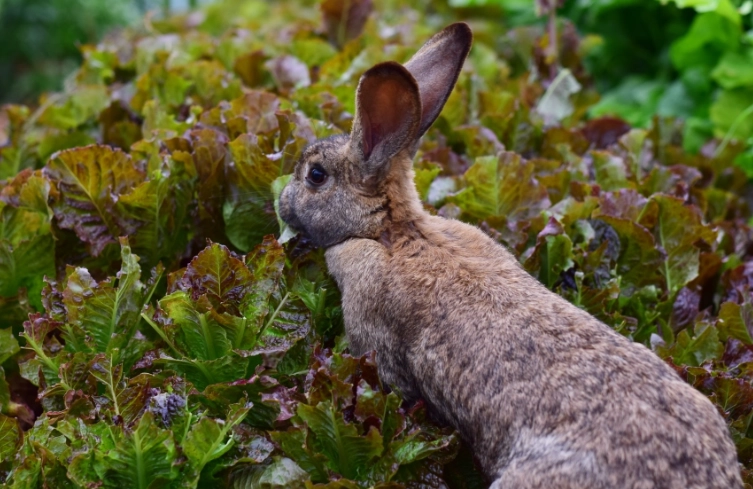
This guide is the one I wish I'd had back then. We're going to move past the simple lists and really dig into the why behind the dangers. We'll cover the obvious no-nos, the surprisingly risky ones, and even the veggies that are technically safe but might cause your bunny some serious tummy trouble. By the end, you'll be a pro at navigating the grocery store for your furry friend.
The Absolute No-Go List: Vegetables That Are Truly Toxic
Let's start with the most critical category. These are the vegetables (and parts of vegetables) you should never, ever feed your rabbit. Not as a treat, not as a tiny piece. Just avoid them completely.
Onions, Garlic, Leeks, and Chives (All Alliums): This is a big one. All members of the allium family contain compounds called organosulfoxides, specifically N-propyl disulfide. In rabbits, these compounds cause oxidative damage to red blood cells, leading to a condition called hemolytic anemia. The red blood cells literally burst. It doesn't matter if they're raw, cooked, powdered, or dehydrated – they're all toxic. Symptoms might not show up immediately but can include weakness, lethargy, pale gums, and red-tinged urine.
Avocado: Every part of the avocado plant—the fruit, pit, leaves, and skin—contains a fungicidal toxin called persin. Rabbits are particularly sensitive to it. Persin can cause severe respiratory distress, heart damage, and death. It's just not worth the risk, no matter how creamy that guacamole looks.
Potato Leaves and Stems (and Green Potatoes): The potato tuber itself isn't technically toxic, but it's starchy and terrible for rabbits (more on that later). The real danger lies in the green parts of the plant: the leaves, stems, and any potato that has turned green. These contain solanine and chaconine, which are glycoalkaloids that can cause severe gastrointestinal upset, confusion, and paralysis.
Rhubarb Leaves: The stalk might be fine for humans in pies, but rhubarb leaves are loaded with oxalic acid and anthraquinone glycosides. Ingesting them can lead to a rapid drop in calcium levels (hypocalcemia), causing tremors, drooling, kidney failure, and worse. It's one of the more acutely toxic items on the list.
The "Why Risk It?" List: Common Veggies That Are Problematic
This next group is tricky. You might see them on some "safe" lists with caveats, or hear stories of rabbits eating them with "no problem." Personally, I fall into the "better safe than sorry" camp. When you're asking what vegetables will rabbits not eat, these are the ones I'd actively avoid, even if they aren't classified as outright poisonous.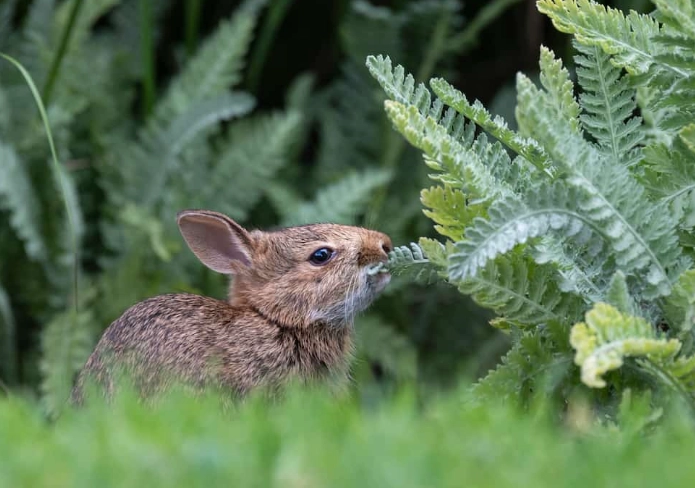
Corn (and Corn Cobs): This is a major one. The kernels are high in starch and sugar, which disrupts a rabbit's delicate gut flora. But the bigger danger is the cob. It is completely indigestible and is a leading cause of fatal gastrointestinal blockages in rabbits. A tiny piece can get stuck and stop everything from moving. It's a silent, scary killer.
Beans and Legumes (Kidney Beans, Broad Beans, etc.): Raw or dried beans contain lectins like phytohaemagglutinin, which can cause severe nausea, vomiting, and diarrhea. They're also high in protein and complex carbohydrates, which a rabbit's digestive system isn't designed to process in large amounts. It can lead to painful gas (GI stasis) and bloating.
Iceberg Lettuce: Okay, this one is controversial. It's not toxic. The issue is its high water content and the presence of lactucarium, a milky fluid that can have a slight sedative effect but is mainly just an irritant. It provides almost no nutritional value and can cause diarrhea due to the water content. Diarrhea in rabbits is a serious medical emergency. With so many better leafy greens out there (romaine, green leaf, red leaf), why bother with iceberg? It's just nutritional empty calories.
The Digestive Disruptors: Veggies That Cause Gas and Bloating
A rabbit's digestive system is a finely tuned fermentation vat. The wrong food can throw the balance of good bacteria off, leading to a slowdown or complete halt of gut motility. This condition, called GI stasis, is a leading cause of death in pet rabbits. These vegetables are known to be major culprits.
Cabbage, Broccoli, Cauliflower, Brussels Sprouts, and Kale (in large amounts): These cruciferous vegetables contain raffinose, a complex sugar. Rabbits lack the enzyme to break it down, so it ferments in the large intestine, producing large amounts of gas. A tiny, dime-sized piece of broccoli floret as a rare treat might be okay for some rabbits, but a whole leaf of kale or a chunk of cabbage is asking for trouble—bloating, pain, and potentially stasis.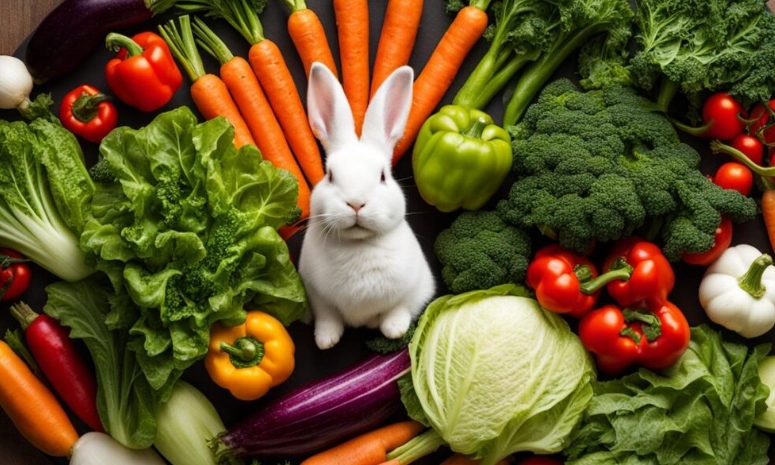
I learned this the hard way. I once gave Thumper a larger-than-usual piece of kale stem. A few hours later, he was hunched in a corner, not touching his hay. That was a long, anxious night of gentle belly massages and syringe-feeding water before he finally started pooping normally again. Never again.
Gas pain is no joke for a bunny.
Peas and Sweetcorn: Again, high in starch and sugar. They can cause a rapid, unhealthy shift in the cecal bacteria, leading to gas, soft stools, and an overgrowth of bad bacteria. The pods of sugar snap peas are less risky, but the peas themselves should be considered a very rare treat in minute quantities, if at all.
So, What CAN They Eat? The Safe and Healthy Alternatives
After all those no's, let's talk about the yeses! The world of rabbit-safe veggies is actually huge and wonderful. Here’s a quick-reference table of excellent, daily-safe options. Variety is key, so try to rotate through a few different types each day.
| Vegetable | Best Parts to Feed | Notes & Benefits |
|---|---|---|
| Romaine Lettuce | Hearts & dark outer leaves | Staple green. High in vitamin A, low in oxalates. |
| Green/Red Leaf Lettuce | All leaves | Another great staple. More nutrients than iceberg. |
| Spring Greens / Mesclun Mix | Whole leaves | Excellent variety. Avoid mixes with spinach as the only green. |
| Bell Peppers | Core and seeds removed | Superb source of Vitamin C. All colors are fine. |
| Celery | Stalks, chopped small | Good fiber. Always chop into half-inch pieces to prevent stringy bits causing choke. |
| Fennel | Bulb and fronds (herb-like tops) | Loved by many bunnies. Has a mild licorice taste. |
| Radish Tops | Leaves only | The radish root (the red bulb) is too spicy and starchy. The leaves are fantastic! |
| Basil, Mint, Cilantro, Dill | Leaves and stems | These are herbs, but count as great leafy greens. Fantastic for adding variety. |
See? Plenty of options. The golden rule is to introduce any new vegetable one at a time and in very small amounts. Watch their poop for the next 24 hours. If it stays normal, you can gradually increase the amount and consider that veggie "approved" for your bun.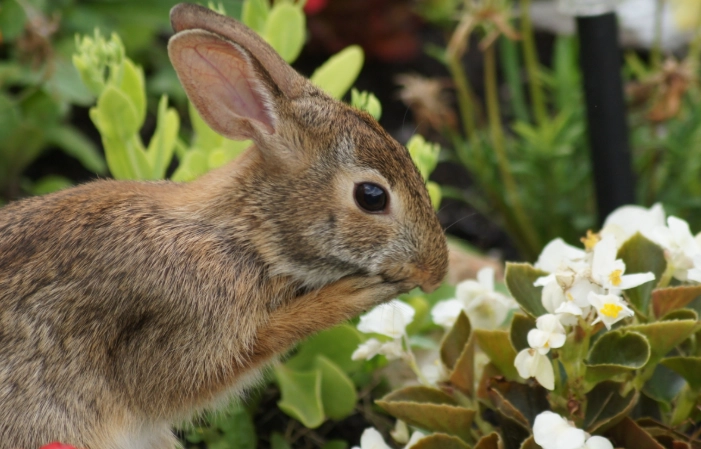
Answering Your Burning Questions
Can rabbits eat tomatoes?
This is a frequent one. The ripe red fruit of the tomato is non-toxic and can be given as an occasional, sugary treat (like once a week, a cherry tomato sized piece). However, the green parts of the plant—the leaves, stems, and unripe green tomatoes—contain solanine, just like potatoes, and are poisonous. So if you feed a bit of tomato, make sure it's just the fleshy red part.
What about spinach and carrots?
Ah, the classic Bugs Bunny dilemma. Spinach is high in oxalates, which can bind to calcium and contribute to bladder sludge or stones if fed in large, frequent amounts. It's not a daily green. A small leaf once or twice a week is the max.
Carrots are pure sugar to a rabbit. The green tops are an excellent, healthy green. The orange root should be treated like a fruit or candy—a small slice or two as a rare treat, not a daily vegetable. Feeding carrots daily is a fast track to an overweight bunny with dental problems.
Are vegetable peels safe?
It depends entirely on the vegetable. Potato peels? No, for the reasons above. Carrot or cucumber peels from vegetables you're washing for yourself? Generally fine, as long as they are washed thoroughly to remove any pesticide residue. Organic is always best if you're feeding peels. But honestly, I prefer to just feed the actual vegetable flesh to avoid any worry about what might be on the skin.
Putting It All Together: A Simple Feeding Strategy
All this information can feel overwhelming. Let's simplify it into a daily action plan.
Daily Foundation (Unlimited): Fresh Timothy Hay. This is non-negotiable.
Daily Veggie Plate: Aim for about 1 packed cup of fresh vegetables per 2 lbs of body weight. Mix it up! A good combo might be:
- 2-3 different types of leafy lettuces (romaine, green leaf).
- A small sprig of an herb (cilantro or basil).
- A 1-inch piece of bell pepper, chopped.
- A few small pieces of celery or fennel.
Weekly Treats (Tiny amounts): This is where you might offer a blueberry, a small apple slice (no seeds), or that tiny piece of carrot or broccoli floret.
Keep it simple, keep it varied, and always observe.
What to do if your rabbit eats something toxic? Don't panic, but act quickly. Remove any remaining food. Identify what and how much they ate. Contact your veterinarian or an emergency vet immediately. If you're in the US, you can also call the ASPCA Animal Poison Control Center at (888) 426-4435 (note: a consultation fee may apply). Have the plant name and your rabbit's weight ready.
Final Thoughts: Trust Your Instincts
Figuring out what vegetables will rabbits not eat is a big part of responsible ownership. The internet is full of conflicting advice, and it's easy to get confused.
My best advice? When in doubt, leave it out. There are so many proven, safe, and healthy options that there's simply no need to gamble with the questionable ones. Your rabbit's health isn't the place for experimentation.
Stick to the leafy greens, introduce new foods slowly, and make hay the star of the show. Do that, and you'll have a happy, healthy, hoppy companion for many years to come. And you can walk through the produce aisle with confidence, knowing exactly what to grab for your furry salad connoisseur.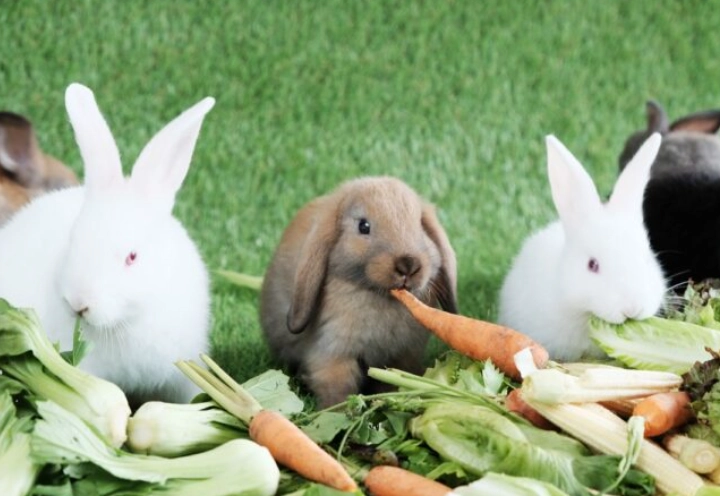
Reader Comments