Quick Navigation
So you're standing in the kitchen, chopping up a bright red bell pepper for your salad, and those little bunny eyes are locked onto you. You know the look. It's the "can I have some, please?" stare. And you pause, knife in hand, wondering: can bunnies eat bell peppers raw? Is it safe, or is it one of those foods that'll send you on an emergency vet trip?
I've been there. My rabbit, Mochi, is a food critic in a tiny fur coat. He judges every leafy green and every veggie scrap with intense scrutiny. When I first brought home bell peppers, I spent a good hour digging through conflicting forum posts and vague pet blogs. Some said yes, some said maybe, others warned of doom. It was frustrating.
This isn't just about a yes or no. It's about understanding the why, the how much, and the what-ifs. Because feeding your rabbit isn't about following a rigid list; it's about understanding their quirky digestive systems and what truly benefits them. So let's peel back the layers on this colorful vegetable.
Why Bell Peppers Can Be a Good Bunny Treat
Bell peppers aren't just crunchy water. They pack a surprising nutritional punch that can complement a rabbit's primary diet of hay. Think of them as a vitamin supplement in a tasty, edible package.
The first thing to understand is what rabbits need. Their world revolves around fiber, specifically the long-strand fiber found in timothy hay or orchard grass. This keeps their constantly growing teeth worn down and their gut motility—the movement of food through their system—in perfect rhythm. Anything else is a side dish. Bell peppers fall into that "side dish" category, but they bring some good stuff to the table.
Here are the three main benefits:
- Vitamin C Boost: While rabbits produce their own vitamin C (unlike humans or guinea pigs), a little extra from dietary sources like bell peppers, especially the red and yellow ones, can support overall immune health. It's like a little extra armor for their system.
- Vitamin A for Vision and Skin: This vitamin is crucial for good eyesight and maintaining healthy skin and fur. A deficiency is rare with a good diet, but bell peppers are a decent source to help keep levels optimal.
- Antioxidants Galore: Those vibrant red, yellow, and orange colors come from compounds like carotenoids. These act as antioxidants, helping to combat cellular damage. It's like internal maintenance for your bunny's cells.
But here's my personal take after years with Mochi: the biggest benefit I've seen isn't even on the nutrition label. It's enrichment. The different texture and juicy crunch provide mental stimulation. Watching him carefully nibble around the seeds and inner membrane is a lesson in bunny dexterity. It's more interesting for him than yet another piece of romaine.
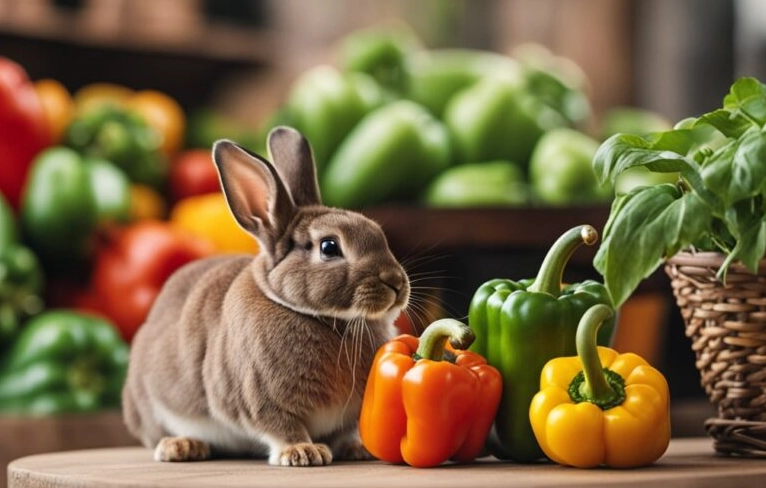
The Right Way to Feed Raw Bell Pepper to Your Rabbit
Okay, so they can have it. How do you actually do it? Throwing a whole pepper into the hutch is a recipe for a messy—and potentially problematic—snack time.
Step 1: The All-Important Preparation
Wash it. Seriously, just wash the pepper thoroughly under cool running water. You want to remove any potential pesticide residues or dirt from the surface. I'm paranoid about this, so I tend to buy organic when it's for Mochi, but a good wash is non-negotiable either way.
Next, you need to deal with the insides. The flesh of the pepper is the star. The stem, core, and seeds? Not so much.
Now, cut the cleaned pepper flesh into bunny-appropriate pieces. Think bite-sized strips or small cubes, about the size of your thumbnail or smaller. This makes it easy for them to eat and prevents them from trying to hoard and hide a large, rotting piece somewhere you won't find for days. Trust me on that one.
Step 2: Serving Size - Less is More
This is where most people slip up. Enthusiasm takes over. Bell peppers should be a treat or a dietary supplement, not a staple.
The general guideline from experts like the House Rabbit Society, a fantastic and authoritative resource for rabbit care, is that vegetables (including bell peppers) should make up about 10-15% of your rabbit's daily diet. The other 85-90%? That's hay, hay, and more hay, with a small portion of high-quality pellets.
For a medium-sized rabbit (around 5-6 lbs), a good starting point is one or two thin strips of bell pepper, or a few small cubes, 2-3 times per week. Don't offer it every single day, especially when you're first introducing it. Variety is key in the veggie portion of their diet, so rotate bell peppers with other safe options like cilantro, bok choy, or broccoli leaves.
I made the mistake of giving Mochi too much too soon when he was younger. Just a couple extra pieces. The result? Softer cecotropes (those special nighttime droppings they normally re-eat). It wasn't an emergency, but it was a clear sign his system was getting more sugar and moisture than it was used to. I scaled back, and everything went back to normal. Lesson learned.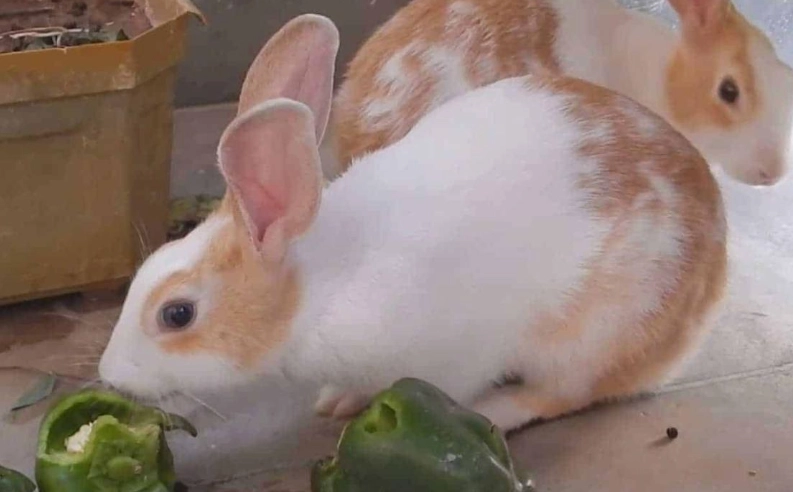
Potential Risks and What to Watch Out For
Let's not sugarcoat it. Even safe foods have caveats. Being aware of the risks is what makes a responsible rabbit owner.
The main issue with bell peppers is their sugar and water content. Compared to leafy greens, they contain more natural sugars and are very watery. A rabbit's digestive system is a finely tuned fermentation vat designed for low-sugar, high-fiber roughage. Too much sugar can disrupt the delicate balance of bacteria in their cecum (a part of their large intestine), leading to gas, bloating, or gastrointestinal stasis (GI stasis)—a serious and potentially fatal condition where the gut slows down or stops.
This is why portion control is not a suggestion; it's critical.
Another risk, which I mentioned but deserves its own spotlight, is the choking hazard posed by the seeds and tough stem. A rabbit's chewing motion is primarily side-to-side for grinding hay. A small, hard seed could theoretically be swallowed the wrong way. It's an uncommon occurrence, but removing the seeds eliminates the risk entirely. Why take the chance?
Finally, there's the issue of pesticides. Conventionally grown bell peppers often rank high on lists like the Environmental Working Group's "Dirty Dozen" for pesticide residue. Washing helps, but peeling a bell pepper isn't really feasible. This is why opting for organic, or growing your own if you can, gives extra peace of mind. If you only have conventional peppers, washing them very well is a must.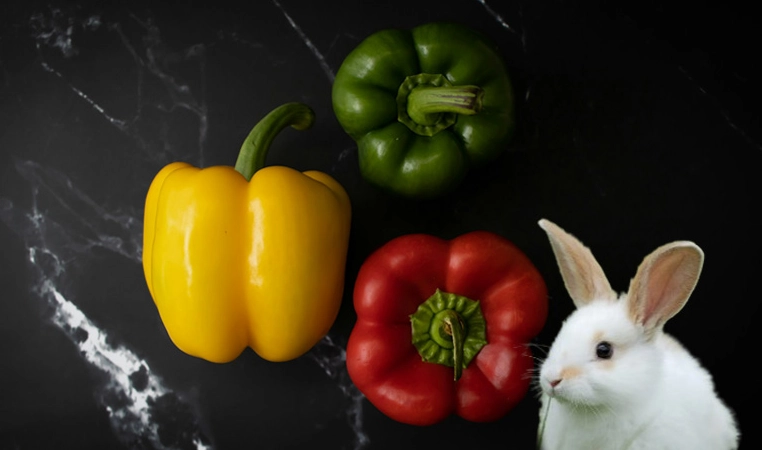
Bell Pepper Color Showdown: Does Color Matter?
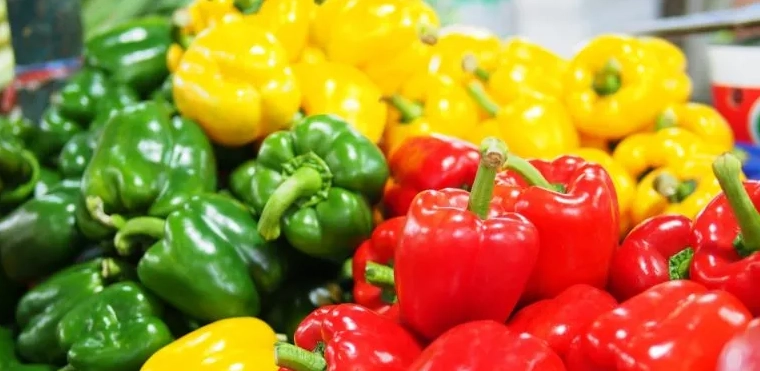
You might wonder if a green pepper is different from a red or yellow one for your bunny. It's a great question. Nutritionally, there is a difference, but from a safety perspective, all colors of standard bell peppers (green, red, yellow, orange, even purple) are safe for rabbits.
The difference lies in ripeness and nutrient density. A green bell pepper is simply an unripe pepper. As it ripens to yellow, orange, or red, its sugar content increases slightly, and its vitamin levels, particularly Vitamin C and Vitamin A, skyrocket.
| Pepper Color | Key Nutritional Notes | Consideration for Rabbits |
|---|---|---|
| Green Bell Pepper | Unripe. Lower in sugar, slightly higher in chlorophyll. Has a more bitter taste for some. | A good, lower-sugar option. Some bunnies might find it less appealing due to mild bitterness. |
| Red Bell Pepper | Fully ripe. Highest in Vitamin C, Vitamin A, and antioxidants like lycopene. Sweetest taste. | Most nutritious, but also the highest in natural sugars. Use in the smallest treat-sized portions. |
| Yellow/Orange Bell Pepper | Mid-ripe stage. Very high in Vitamin C and carotenoids. Sweet taste. | Excellent middle ground—great nutrition, slightly less sugar than red. A popular choice. |
My rabbit Mochi has a clear preference. He'll sniff at a green pepper piece, maybe take a polite nibble, and then look at me like I've insulted him. But a piece of red or orange pepper? He'll snatch it from my fingers. The higher sugar content makes it more palatable to him. Because of that, I'm even more careful with the portion size when it's the red ones.
What about other peppers? This is crucial. We're talking about sweet bell peppers only.
- Jalapeños, habaneros, chili peppers: NO. Absolutely not. These contain capsaicin, the compound that makes them spicy. It is irritating and painful for a rabbit's digestive system and can cause severe distress.
- Banana peppers, pepperoncini: These are often pickled in vinegar and salt, which are harmful. Even raw, they can have a slight heat. It's best to avoid them and stick to the safe, sweet bell varieties.
Answering Your Burning Questions (FAQ)
I get it. You read the main guide, but little specific questions pop up. Here are answers to the things I've been asked or wondered myself over the years.
I get it. You read the main guide, but little specific questions pop up. Here are answers to the things I've been asked or wondered myself over the years.
Putting It All Together: A Simple Action Plan
Let's wrap this up with a straightforward checklist you can follow. It synthesizes everything we've talked about.
- Choose Your Pepper: Any color is fine. Organic is ideal, but wash any pepper thoroughly.
- Prep It Safely: Wash, cut it open, and meticulously remove all seeds and the white inner membrane. Discard the stem.
- Cut to Size: Slice the clean flesh into small, thumbnail-sized pieces.
- Start Small: For a first-time introduction, offer just one small piece. Wait a day to monitor poop and behavior.
- Find the Right Portion: If all is well, a few small pieces, 2-3 times a week, is a good maintenance amount for an average-sized bunny. Never replace their hay with veggies.
- Observe: Always watch how your individual rabbit reacts. Some may have more sensitive stomachs than others.
So, can bunnies eat bell peppers raw? Yes, they absolutely can. It's a resounding yes. But the real skill in rabbit care isn't knowing what's on the "safe" list; it's knowing how to integrate those safe foods in a way that respects their unique biology. It's about understanding that a treat is a treat, not a right.
When I give Mochi his little piece of orange pepper now, it's a conscious choice. I know it's a vitamin boost and a fun texture for him. I also know that the bulk of his nutrition came from the huge pile of hay he demolished earlier. That balance is everything. It keeps him healthy, his digestion running smoothly, and lets him enjoy a little colorful variety in his life—which, let's be honest, is what we all want for our furry friends.
Hopefully, this takes the guesswork out of your next kitchen encounter with a begging bunny. You can confidently share a bit of that pepper, knowing exactly how to do it right.
Reader Comments