Quick Guide
- Why the Confusion? Breaking Down the Bell Pepper Plant
- The Real Risks: When "Safe" Becomes Problematic
- The Safe Feeding Protocol: A Step-by-Step Guide
- What About Other Pepper Parts? A Quick Safety Table
- Your Rabbit's Diet Hierarchy: Where Treats Like This Fit In
- Answering Your Next Questions: The FAQ Corner
- Final Verdict: To Stem or Not to Stem?
If you're like me, standing in the kitchen with a bell pepper in one hand and a curious bunny at your feet, the question pops into your head instantly. You've heard the colorful flesh is fine, maybe even the seeds. But that tough, green stem and the bit of core it's attached to? That's the million-dollar question for rabbit owners. I've been there, holding the stem over the compost bin, then pausing. Is this waste, or a weird new treat?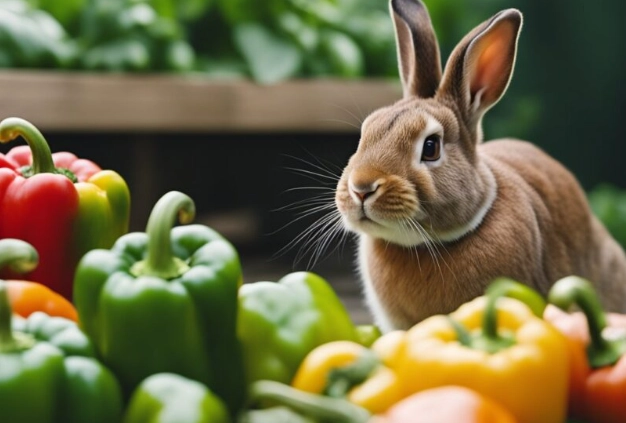
Let me save you the suspense and the frantic Googling. The short, vet-backed answer is yes, rabbits can eat bell pepper stems. They are non-toxic. But—and this is a huge but—there's a right way and a very wrong way to go about it. It's not as simple as just tossing the whole stem into their hutch. That's a shortcut to potential problems.
I learned this the semi-hard way. My rabbit, Mochi, is a food adventurer. One day I gave him a small, raw piece of stem with the flesh still mostly attached. He nibbled it with suspicion, then ignored it. It wasn't the crunchy hit he was hoping for. It taught me that just because they can eat something, doesn't mean they'll want to, or that it's ideal. This article is everything I wish I'd known before that first tentative offering.
Why the Confusion? Breaking Down the Bell Pepper Plant
To really understand if rabbits can eat bell pepper stems, we need to play plant detective for a second. The bell pepper plant (Capsicum annuum) is part of the nightshade family (Solanaceae). Now, that name sends shivers down any pet owner's spine, and rightly so. Many nightshades have toxic parts.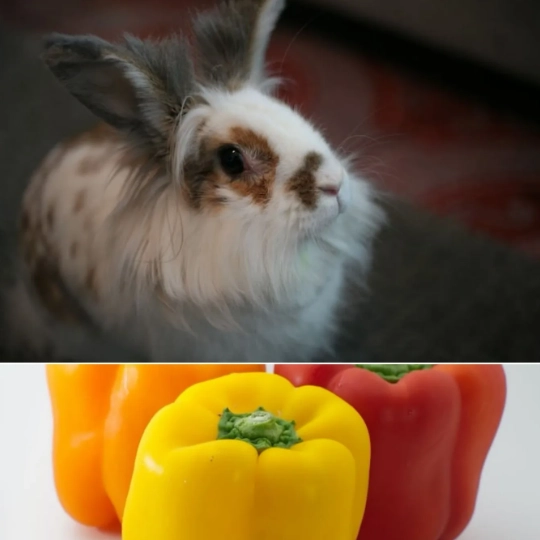
The leaves and flowers of the pepper plant? Those contain solanine and other alkaloids that can be harmful to rabbits and many other animals. That's a firm no. But the fruit itself—the pepper we eat—has evolved to be non-toxic to encourage animals to eat it and spread the seeds. The stem that attaches that fruit to the plant sits in a gray area. It's not the highly toxic leafy part, but it's also not the sweet, fleshy fruit. Its chemical makeup is different.
The primary concerns with the stem aren't usually alkaloids, but two other things: excess cellulose and lignin (making it extremely fibrous and hard to digest), and the potential for pesticide or contaminant concentration. The stem acts like a little pipe, drawing nutrients (and anything else) into the fruit.
The Nutritional Non-Profile of a Stem
Let's be clear: you're not feeding the stem for a nutritional boost. The vibrant flesh of the pepper is packed with Vitamin C, Vitamin A, and antioxidants. The stem? Not so much. Its main component is indigestible fiber. For a rabbit, whose digestive system is a finely tuned fermenting machine designed for high-fiber grasses and hays, this isn't inherently bad. But it's a very different, much tougher type of fiber than what they're built for.
Think of it like this: a rabbit's ideal food is like soft, pliable straw. A bell pepper stem is like a tough, woody twig. One is digestible roughage, the other is just... rough.
The Real Risks: When "Safe" Becomes Problematic
Okay, so it's not poisonous. Why all the caution? This is where most quick-answer articles drop the ball. They state it's safe and move on. But safety isn't binary. Here’s what can go wrong if you’re not careful about feeding bell pepper stems to rabbits.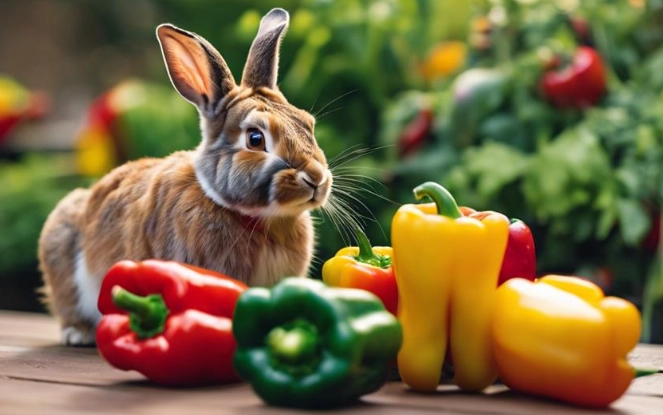
Digestive Stasis: The rabbit digestive system is a continuous motion machine. If it slows or stops, it's a life-threatening emergency called GI stasis. Introducing a large amount of a strange, highly fibrous, and difficult-to-process material can shock that system. It can cause a blockage or simply slow everything down as their gut struggles to deal with it. A tiny bit might pass through, but a chunk? That's asking for trouble.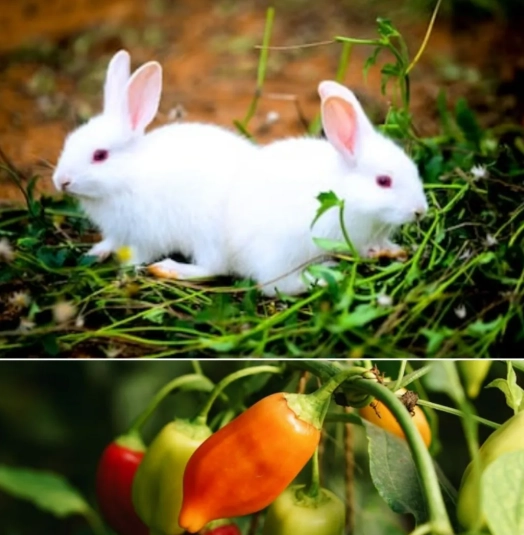
Pesticide and Chemical Concentration: This is a big one, especially for non-organic peppers. The stem is part of the plant's vascular system. Systemic pesticides or environmental contaminants can be more concentrated there than in the washed surface of the fruit. The USDA's National Organic Program outlines strict limits on synthetic substances, which is why opting for organic is crucial here if you ever consider giving stems.
Upset Stomach: Even with perfect preparation, some rabbits have more sensitive guts than others. Introducing any new food, especially one as odd as a stem, can cause soft stools, gas, or general discomfort. It's just not a natural part of their diet.
See what I mean? The question "can rabbits eat bell pepper stems" opens a door to a whole room of practical considerations.
The Safe Feeding Protocol: A Step-by-Step Guide
If, after all those warnings, you still want to offer a tiny piece (maybe your bunny is staring at you with unparalleled intensity), here is the only safe way to do it. I treat this like a laboratory procedure now.
- Source Organic Bell Peppers: This is non-negotiable. It drastically reduces the pesticide risk. Wash the entire pepper thoroughly under running water anyway.
- Remove the Stem Correctly: Cut the stem off with a generous portion of the attached pepper flesh. You don't want just the bare, woody stem. You want the stem embedded in a cushion of the safe, edible fruit.
- Trim and Chop Meticulously: Using a sharp knife, carefully trim away all the tough, green, woody stem material. Your goal is to salvage only the soft, white core that was directly connected to the flesh and the immediate base of the stem. This part is more pith than wood. Then, chop this small, soft piece into tiny, rice-sized fragments.
- Minuscule Portion Size: We're talking about 1-2 of these tiny fragments mixed into their regular greens. This is not a standalone snack. It's a garnish.
- Monitor Closely: Watch their poop and behavior for the next 24 hours. Any sign of slowdown, soft stools, or lack of appetite means your rabbit's system doesn't like it. Never offer it again.
What About Other Pepper Parts? A Quick Safety Table
Since you're thinking about stems, you might wonder about the rest of the pepper. Here’s a clear breakdown.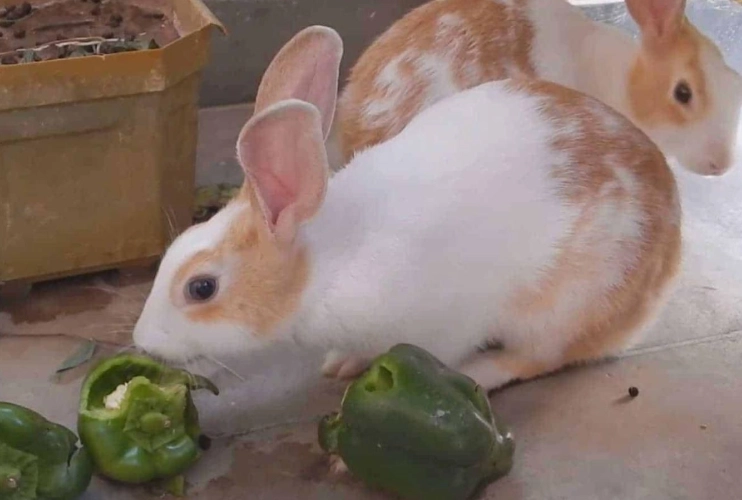
| Pepper Part | Safe for Rabbits? | Notes & Precautions |
|---|---|---|
| Flesh (Red, Green, Yellow, Orange) | Yes, excellently safe | Rich in vitamins. Remove seeds as a precaution, feed in moderation (1-2 tbsp per 2 lbs body weight). |
| Seeds | Generally considered safe | Non-toxic, but can be a choking hazard in large quantities. Most sources recommend removing them easily as they don't add nutritional value. |
| White Inner Pith/Ribs | Yes, safe | This is the spongy white part inside. It's perfectly safe and contains fiber. Some rabbits love it. |
| Stem (Green, Woody Part) | Not Recommended | As discussed: tough, fibrous, choking/digestive hazard. Avoid the hard green parts. |
| Leaves & Flowers of Plant | NO - Toxic | Contain solanine. Never feed any part of the pepper plant itself, only the fruit. |
Your Rabbit's Diet Hierarchy: Where Treats Like This Fit In
It helps to visualize a rabbit's diet to see how insignificant a question like "can rabbits eat bell pepper stems" really is in the grand scheme. Their nutritional needs are very specific.
The Foundation (80-90% of diet): Unlimited, high-quality grass hay (Timothy, Orchard, Meadow). This is non-negotiable. It's for digestion, dental health, and mental well-being. The House Rabbit Society's dietary guide is the gold standard here and emphasizes hay above all else.
The Daily Greens (10-15% of diet): A packed cup of dark, leafy greens per 2 lbs of body weight. Think romaine, kale, cilantro, bok choy, carrot tops. This is where nutrients come from.
The Occasional Treats ( This tiny slice includes a tablespoon of pellets, and the rare bit of fruit or non-leafy veg like bell pepper flesh. The hypothetical, finely-chopped bit of stem core would be a fraction of this fraction. It's a rounding error in their nutrition.
See what I mean? We spend all this energy on a treat that's at the very, very fringe of their dietary pyramid.
Answering Your Next Questions: The FAQ Corner
I know how it goes. One question leads to another. Let's tackle the natural follow-ups.
Final Verdict: To Stem or Not to Stem?
After wading through the science, the risks, and the sheer practicality of it all, here's my honest, non-sensational conclusion.
Technically, can rabbits eat bell pepper stems? Yes, the core material is non-toxic. But practically, should you feed bell pepper stems to your rabbit? For the vast majority of owners, the answer is no. The risks of choking, digestive upset, and pesticide exposure, however small, outweigh the complete lack of nutritional benefit. The preparation required to make it remotely safe is more trouble than it's worth.
Your rabbit will be perfectly happy—and healthier—with the sweet, colorful flesh of the pepper, given as an occasional treat. The stem is best left for the compost, where it can return to the earth. Your bunny's digestive tract will thank you for keeping things simple, safe, and predictable.
Focus on what truly matters: endless hay, fresh greens, clean water, and plenty of love. That's the real secret to a happy, hoppy life for your furry friend, far beyond the question of any single, questionable stem.
Reader Comments