Quick Navigation
- Are Bell Pepper Leaves Actually Safe for Bunnies?
- Why Even Consider Feeding Bell Pepper Leaves?
- The Step-by-Step Guide to Feeding Bell Pepper Leaves
- What to Watch For: Signs of Trouble
- Common Questions Rabbit Owners Ask (The FAQ)
- The Bigger Picture: A Balanced Rabbit Diet
- My Final Take: Should You Feed Them?
You're holding a bunch of bell pepper leaves from your garden, looking at your curious bunny, and the question pops into your head – can rabbits eat bell pepper leaves? I've been there. When I first grew bell peppers, I had a mountain of pruned leaves and my rabbit, Thumper, was giving me that "I want it" look. It's a common dilemma for rabbit owners who garden or buy whole peppers.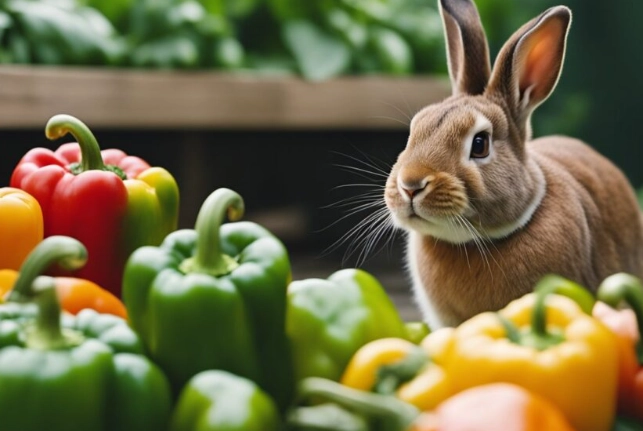
The short answer is yes, but let's be real – it's never that simple with rabbit diets, is it? There's always a "but" or a "however" waiting around the corner. I remember searching for this exact information years ago and finding conflicting advice. Some sources said go for it, others said avoid. It was frustrating.
Quick Takeaway: Yes, bell pepper leaves are generally safe for rabbits to eat in moderation. They're non-toxic and can be a nutritious addition to their varied diet of leafy greens. But (here's that but) there are important considerations about preparation, quantity, and your individual rabbit's health.
This guide isn't just about giving you a yes or no. We're going to dig into everything – the nutritional benefits, the potential risks, how to prepare them, how much to feed, and what to watch out for. I'll share what I've learned from rabbit-savvy veterinarians, reputable rabbit organizations, and my own decade of experience with these furry herbivores.
Are Bell Pepper Leaves Actually Safe for Bunnies?
Let's tackle the safety question head-on, because this is what keeps rabbit owners up at night. We've all heard horror stories about rabbits eating something they shouldn't.
The consensus from major rabbit welfare organizations is clear. Bell pepper plants (Capsicum annuum) are members of the nightshade family (Solanaceae), which does include some toxic plants. However, the pepper plant itself – including its leaves, stems, and fruits – is considered non-toxic to rabbits. The primary concern with nightshades like tomatoes or potatoes is solanine, but bell peppers contain negligible amounts, especially in the leaves and ripe fruit.
That said, I'm always cautious with anything in the nightshade family. My personal rule? When in doubt, go slow and observe.
A Critical Distinction: We're talking specifically about bell pepper leaves (the sweet peppers). Hot pepper leaves (jalapeño, habanero, etc.) are a different story. While not necessarily toxic, the capsaicin that makes peppers spicy can irritate a rabbit's sensitive digestive system. I wouldn't risk it. Stick with sweet bell pepper varieties.
I want to point you to a reliable resource. The House Rabbit Society, a leading rabbit advocacy and education organization, includes bell peppers (and by extension, their leaves, as they're part of the same plant) on their list of acceptable vegetables for rabbits. They emphasize variety and moderation, which we'll get into.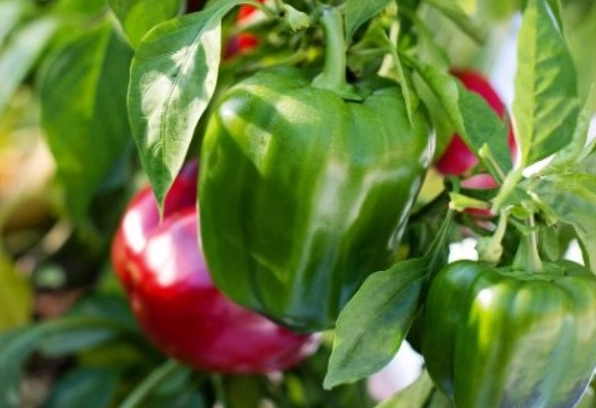
Another great source is the American Veterinary Medical Association (AVMA), which provides general guidelines on safe feeding practices for small pets. They stress the importance of knowing what you're feeding and where it comes from.
So, can rabbits eat bell pepper leaves safely? Generally, yes. But safe doesn't mean you can just toss a huge pile into their hutch.
Why Even Consider Feeding Bell Pepper Leaves?
If you're buying bell peppers from the store, you might wonder why bother with the leaves at all. For gardeners, it's a no-brainer – it's free food that would otherwise be composted. But there's more to it.
Bell pepper leaves offer some nutritional variety. Rabbits in the wild don't eat the same three greens every day. They forage from hundreds of different plants. Domestic rabbits thrive on variety too. Adding a new, safe leaf to the rotation can provide different phytonutrients and keep meals interesting for your bunny.
From a practical standpoint, it reduces waste. If you're growing peppers, pruning is necessary for a good harvest. Those leaves don't have to go in the trash.
But let's not oversell it. Bell pepper leaves aren't a superfood for rabbits. They're a supplemental green, not a staple. The core of a rabbit's diet should always be unlimited grass hay (like timothy or orchard grass), a measured amount of pellets, and a daily salad of familiar, rabbit-safe leafy greens like romaine, cilantro, or spring greens.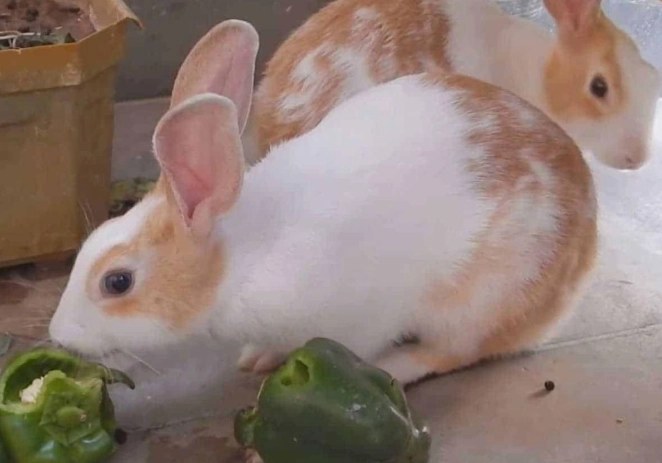
The Nutritional Profile (What's Actually in Them?)
It's hard to find a detailed nutritional breakdown for bell pepper leaves specifically, as most research focuses on the fruit. However, we can make some educated inferences based on the plant's characteristics.
Like most leafy greens, they likely provide:
- Fiber: Essential for rabbit gut motility and dental health. The leaves are less fibrous than hay but contribute to overall intake.
- Vitamins: Probably contain Vitamin C (though rabbits produce their own) and Vitamin K, along with some B vitamins.
- Minerals: Such as potassium and magnesium in small amounts.
- Water Content: Helps with hydration.
- Phytonutrients: Various plant compounds that may have antioxidant properties.
I spoke to a rabbit owner who exclusively feeds organic homegrown greens, and she swears her rabbits have shinier coats when she includes pepper plant trimmings in their mix. Is it the pepper leaves or the overall organic diet? Hard to say. But anecdotally, some people see benefits.
My own experience? Thumper enjoys them. He seems to like the slightly different texture and mild flavor. But he doesn't go crazy for them like he does for basil or dandelion greens. They're just another item in his weekly green buffet.
Potential Benefits vs. Potential Risks
Let's weigh this out honestly. It's not all upside.
| Potential Benefits | Potential Risks & Considerations |
|---|---|
| Dietary Variety: Adds a new flavor and texture. | Pesticide Residue: A major risk if leaves aren't from an organic or trusted source. |
| Utilizes Garden Waste: Makes use of pruned leaves. | Digestive Upset: Any new food can cause issues if introduced too quickly. |
| Additional Nutrients: Contributes to overall micronutrient intake. | Nightshade Family: While safe, some rabbits with sensitive systems might react. |
| Hydration: High water content. | Oxalates: Like many greens, they contain some oxalic acid. Fine in moderation, problematic in excess. |
| Enrichment: A novel food item can be mentally stimulating. | Allergic Reaction: Rare, but possible with any new food. |
Looking at that table, the risks aren't unique to bell pepper leaves. They're the standard risks for introducing any new green. The pesticide one is the biggie. You must know your source.
The Step-by-Step Guide to Feeding Bell Pepper Leaves
Okay, so you've decided to give it a try. Here's exactly how to do it, from selection to serving. This is the part most guides gloss over.
Step 1: Sourcing – Where to Get Them
This is the most critical step. Never feed leaves from store-bought bell peppers unless they are explicitly labeled organic and you wash them thoroughly. Conventionally grown peppers are often sprayed with pesticides that can linger on the leaves and stems, which are not meant for consumption.
Your best options, in order of safety:
- Your Own Organic Garden: You control what goes on the plants. This is ideal.
- A Trusted Organic Gardener: Someone you know doesn't use chemicals.
- Organic Nursery Plants: If you buy a pepper plant to grow yourself, the initial leaves are usually safe if from an organic nursery.
Avoid leaves from decorative pepper plants or unknown sources. When it comes to the question "can rabbits eat bell pepper leaves," the source is half the answer.
Step 2: Preparation – Washing and Handling
Even from your own garden, wash them. You'd be surprised what dust, bird droppings, or tiny bugs might be on there.
- Rinse under cool running water.
- Gently pat dry with a paper towel or use a salad spinner. Excess moisture can lead to dampness in the feeding area.
- Remove any thick, woody stems. The tender leaves and softer stems are best.
- Check for signs of disease or pests (like holes from insects). Avoid those leaves.
Pro Tip: I harvest leaves in the morning after the dew has dried but before the midday sun. They seem crisper and fresher. And I only pick what I'll feed that day. Wilting leaves aren't as appealing or nutritious.
Step 3: Introduction – The Slow Start
Rabbits have delicate digestive systems. A sudden change equals trouble (think GI stasis – a rabbit owner's nightmare).
Here's the introduction protocol I follow:
- Day 1: Offer one small leaf (about the size of your thumbnail) alongside their regular greens.
- Days 2-4: If no adverse reactions (more on that below), you can offer 2-3 small leaves.
- Week 2+: If all is well, you can incorporate them as a occasional part of their green mix.
Never make bell pepper leaves the main component of their salad. Think of them as the "garnish" – a small part of a larger, varied mix.
Step 4: Portion Control – How Much is Too Much?
Portion size depends on your rabbit's size. A general rule for all greens (combined) is about 1 packed cup of greens per 2 lbs of body weight per day. Bell pepper leaves should only be a fraction of that cup.
For a 5 lb rabbit:
- Total daily greens: ~2.5 cups
- Bell pepper leaves within that: A few leaves, maybe 1/4 cup max, and not every day.
Rotate them with other greens. Maybe offer them once or twice a week as part of the mix. This prevents overconsumption of any one compound (like oxalates) and maintains dietary variety.
What to Watch For: Signs of Trouble
You've fed the leaves. Now what? Monitor your rabbit closely for the next 12-24 hours.
Normal: Eating their hay normally, producing plenty of round, dry fecal pellets, acting their usual self.
Warning Signs (Stop Feeding Immediately):
- Soft Cecotropes or Diarrhea: The clearest sign their gut isn't happy.
- Reduced Hay Consumption: If they fill up on greens and ignore hay, that's a problem. Hay is non-negotiable.
- Lethargy: Sitting hunched, not moving much.
- Loss of Appetite: Refusing their favorite treats or pellets.
- Gurgling Belly: Loud gut sounds can indicate gas pain.
If you see signs of GI stasis (lethargy, no poops, not eating), this is a veterinary emergency. Don't wait. While it's unlikely to be caused by a few bell pepper leaves if introduced properly, any dietary change can trigger it in a sensitive rabbit.
Most rabbits handle bell pepper leaves just fine. But you have to be the detective for your own pet.
Common Questions Rabbit Owners Ask (The FAQ)
After talking to dozens of rabbit owners, these are the real-world questions that come up again and again.
Yes. The leaves from all sweet bell pepper varieties (green, red, yellow, orange, even purple) come from the same basic plant species. The difference is mainly in the ripening stage of the fruit. The leaves are essentially identical in terms of safety. The riper the pepper, the sweeter the fruit, but the leaves don't change much.
Stems: The tender, green stems attached to the leaves are fine. Avoid the thick, main woody stem of the plant – it's too fibrous and not palatable.
Flowers: Bell pepper flowers are also non-toxic. In fact, some rabbit owners report their bunnies love them as a rare treat. But flowers should be given even more sparingly than leaves – think one tiny flower as a special occasion bite.
Completely normal. Rabbits are individuals with distinct tastes. One of my rabbits devours raspberry leaves, the other ignores them. If your bunny sniffs and walks away, don't force it. They know what they like. Simply remove the uneaten leaf after a few hours to prevent wilting in their enclosure.
Vs. Romaine Lettuce: Romaine is a staple, higher in water, very low in oxalates. Bell pepper leaves are more of a "sometimes" green, possibly slightly higher in certain compounds. Romaine wins for daily use.
Vs. Kale: Kale is more nutrient-dense but also much higher in oxalates and goitrogens. It's also a "sometimes" food. I'd rate them similarly in terms of frequency – occasional, not daily.
Vs. Herb Leaves (Cilantro, Basil): Herbs are often more aromatic and loved by rabbits. They're generally great daily options in rotation. Bell pepper leaves are milder and less exciting for most bunnies.
No. Stick to the basics for kits (baby rabbits). Their diet until about 12 weeks should be primarily their mother's milk (or formula), alfalfa hay, and alfalfa-based pellets. Introduce any new vegetables, including bell pepper leaves, only after they are fully mature (around 6-7 months old), and then do so one at a time, extremely slowly. Their digestive systems are too immature for experimentation.
I wouldn't recommend it. Drying can concentrate compounds and also poses a choking hazard if they become brittle and sharp. Fresh is always better for greens. Save the drying for herbs like mint or oregano for occasional use.
The Bigger Picture: A Balanced Rabbit Diet
Getting hung up on one specific green misses the forest for the trees. Let's zoom out.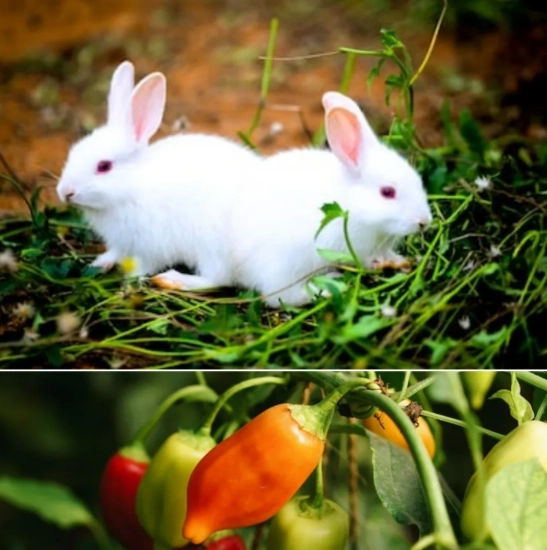
A perfect rabbit diet looks like this pyramid:
- Base (80-90% of diet): Unlimited grass hay (Timothy, Orchard, Meadow, Oat). This is for digestion, teeth, and mental well-being.
- Next Layer (5-10%): Fresh, dark leafy greens and herbs (1-2 cups per day per 2-3 lbs body weight). Variety is key here – rotate between romaine, green leaf, red leaf, cilantro, parsley, dill, mint, arugula, etc. This is where a few bell pepper leaves might occasionally fit in.
- Small Top Layer (0-5%): High-quality timothy hay-based pellets (measured) and the very occasional treat (a blueberry, a small slice of apple, a carrot top).
Bell pepper leaves, if you use them, belong in that middle "greens" layer, making up maybe 10% of that greens portion on the days you offer them.
See? It's a small piece.
My Final Take: Should You Feed Them?
After all this, here's my honest, no-BS conclusion.
If you have a source of clean, pesticide-free bell pepper leaves (from your garden or an utterly trusted source), and your rabbit is a healthy adult with no history of digestive issues, then yes, you can safely offer them as a minor, occasional part of a varied diet. Introduce slowly, watch closely, and keep portions small.
If you're buying conventional bell peppers from the grocery store just to get the leaves? Don't bother. The risk of pesticide residue isn't worth it. Just feed the actual pepper flesh (seeds and core removed) as a treat, which is a more common and well-vetted practice.
If your rabbit has a sensitive stomach or a history of GI problems, I'd skip it entirely. There are plenty of other, more tried-and-true greens out there. Why rock the boat?
For most people, the question "can rabbits eat bell pepper leaves" is more of a curiosity than a dietary necessity. They're a permissible option, not a required one. Your rabbit won't be missing out on anything crucial if they never eat one.
The bottom line is this: being a great rabbit owner isn't about finding exotic greens to feed. It's about providing a consistent, hay-based diet, plenty of love, and a safe environment. If bell pepper leaves fit safely into that picture for you, go for it cautiously. If not, there's absolutely no harm in sticking with the classics. Your bunny will be just as happy munching on their timothy hay, which is, after all, what they truly need most.
Reader Comments