In This Guide
Let's cut right to the chase, because I know that's why you're here. You're probably holding a bright red bell pepper, looking at your fluffy bunny, and thinking... can I share this? The short, simple answer is yes, rabbits can eat red peppers. In fact, it's one of the safer and more nutritious vegetable treats you can offer. But – and there's always a but, isn't there? – the how, how much, and how often are where most rabbit owners, even experienced ones, can slip up. I've seen it happen. A friend of mine got a little too enthusiastic with the pepper treats, and let's just say her bunny's litter box told a very soggy story the next day.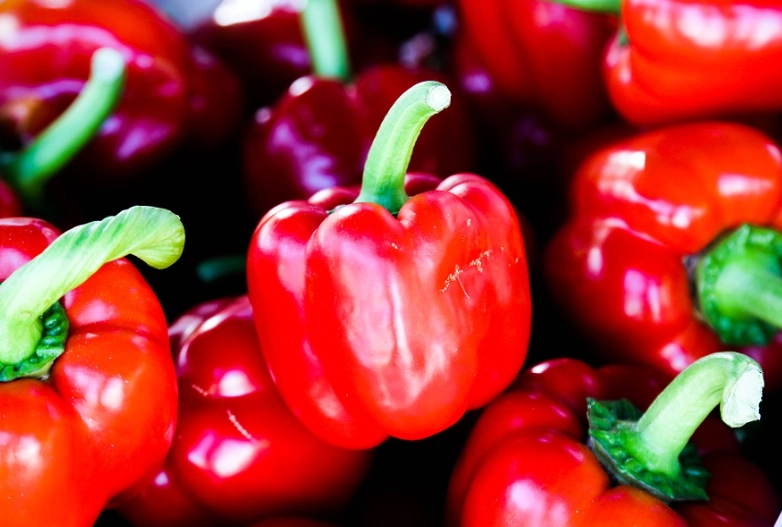
So, if you're wondering can rabbits eat red peppers without any issues, the full picture is a bit more detailed than a simple yes. This isn't just about giving them a piece; it's about understanding their tiny, sensitive digestive systems. A rabbit's gut is a finely tuned machine, built for a constant flow of high-fiber hay. Anything new, even something as seemingly harmless as a sweet red pepper, needs to be introduced with respect for that system. Think of it like this: you wouldn't feed a newborn baby a steak, right? Same principle.
Core Takeaway First: Red bell peppers (the sweet, non-spicy kind) are safe for rabbits. They are rich in Vitamin C and Vitamin A, low in sugar compared to fruits, and most bunnies find them delicious. The key is moderation and proper preparation.
Why Red Peppers Can Be a Good Choice (The Science Bit, Made Simple)
I'm not a vet, but I've spent enough time reading research from places like the RSPCA and talking to exotic pet specialists to get the gist. Red peppers aren't just empty crunch. They bring some genuine nutritional benefits to your rabbit's diet, which is otherwise 80-90% hay. Let's break down what's in that colorful flesh.
First off, Vitamin A. Crucial for good vision, a healthy immune system, and proper growth. Then there's Vitamin C. Now, rabbits actually produce their own Vitamin C, unlike humans or guinea pigs who need it from their diet. But some experts, including resources from the House Rabbit Society, suggest that extra dietary Vitamin C isn't harmful and may offer antioxidant benefits, especially for older or stressed buns. The real winner here, though, is the water and fiber content. Red peppers are about 92% water, which helps with hydration, and they provide a different type of fiber that complements the primary fiber from hay.
But here's a personal opinion – the sugar content, while low for a vegetable, is something I always keep in the back of my mind. A red pepper is sweeter than a green one. It's that natural sweetness that bunnies go crazy for, but it's also a cue for me to be extra careful with the portion size.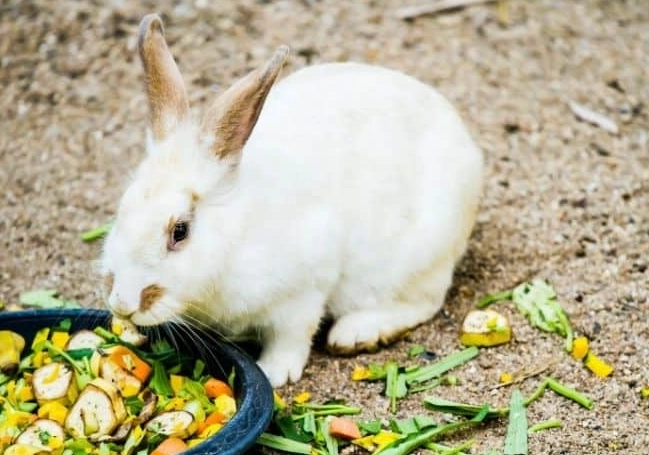
Nutritional Profile: Red Pepper vs. Common Rabbit Veggies
How does it stack up? This table gives you a quick comparison. I find visuals like this help me make better decisions.
| Vegetable | Key Nutrient (for Rabbits) | Sugar Content | Feeding Frequency Tip |
|---|---|---|---|
| Red Bell Pepper | High in Vitamin A & C | Moderate (for a veg) | 2-3 times per week |
| Romaine Lettuce | Hydration, Vitamin K | Very Low | Daily (in rotation) |
| Carrot (Top only) | Fiber, some nutrients | Low | Daily (greens) |
| Carrot (Root) | Vitamin A | High | Rare treat only |
| Cilantro / Coriander | Antioxidants | Low | Daily (in rotation) |
| Kale | Calcium, Vitamins | Low | 2-3 times per week (high calcium) |
See? It sits in a good middle ground. Not as sugary as a carrot root (which is really a treat, not a daily veg), but more nutrient-dense than something like lettuce. That's why the question can rabbits eat red peppers has a positive answer, but with the context of "as part of a varied mix."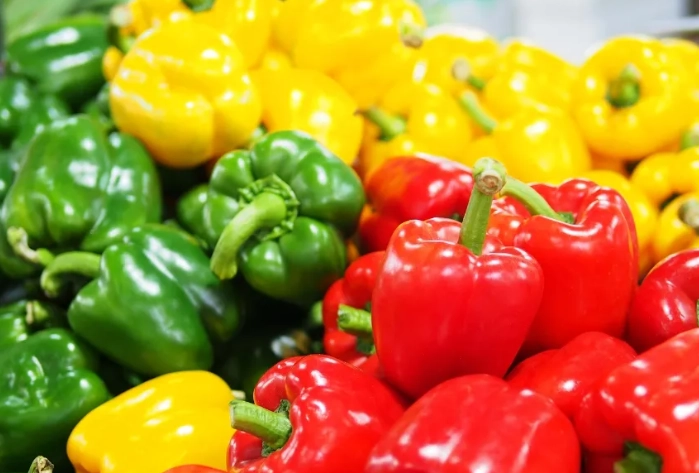
Never make red peppers the only vegetable your rabbit eats. Variety isn't just the spice of life; it's the foundation of a balanced diet.
The Step-by-Step Guide to Feeding Red Peppers Safely
Okay, you're convinced it's safe. Now let's get practical. How do you actually go from a whole pepper to a bunny-approved snack? I've developed a routine over the years that minimizes risk and maximizes enjoyment.
Step 1: Selection and Washing
Go for fresh, firm red bell peppers. Organic is fantastic if you can, simply to reduce potential pesticide exposure on the skin. Give it a thorough wash under cool running water. You'd be surprised how much stuff can be on there. I sometimes use a tiny drop of vinegar in the water for a natural clean, but a good scrub with water is essential.
Step 2: The All-Important Prep Work
This is non-negotiable. Remove the stem, the core, and every single seed. The stem is tough and a choking hazard. The core is bitter and fibrous. The seeds? While not toxic, they offer no nutritional value and can be hard to digest. Some sources say they're fine, but why risk a tiny gut upset? I just scoop them all out. It takes 10 seconds.
Then, slice the flesh into bunny-sized pieces. Think matchstick-sized strips or small, thin squares. Nothing bigger than your thumbnail. This makes it easy to eat and helps you control portions.
CRITICAL WARNING: We are talking about sweet bell peppers ONLY. Jalapeños, chili peppers, cayenne, habaneros – any pepper that is spicy – is a DEFINITE NO. The compound capsaicin, which creates the heat, is extremely irritating to a rabbit's digestive system and can cause serious pain and health issues. Never, ever feed hot peppers.
Step 3: Portion Control – This is Where Most Mistakes Happen
How much red pepper can a rabbit eat? This depends entirely on your rabbit's size. A good rule of thumb from many care guides is that fresh vegetables (all types combined) should be about 1 packed cup per 2 lbs of body weight daily. Red pepper should be just one component of that cup.
- For a small rabbit (under 4 lbs): 1-2 thin strips, 2-3 times a week.
- For a medium rabbit (4-7 lbs): 2-3 strips or a few small squares, 2-3 times a week.
- For a large rabbit (8+ lbs): 3-4 strips, 2-3 times a week.
When you first introduce it, start with a piece half that size and watch for the next 24 hours. You're looking for any change in poop (size, consistency), appetite for hay, or energy levels. If all is well, you can slowly increase to the recommended amount.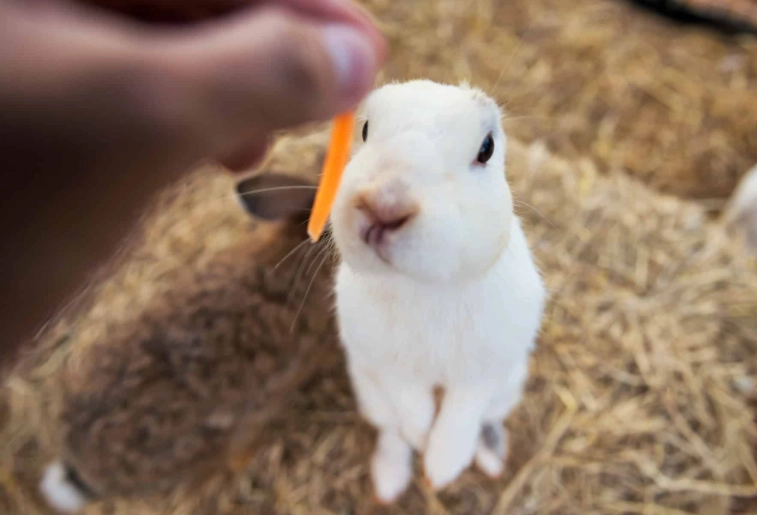
My Experience: My own rabbit, Mochi, is a 5-pound Holland Lop. He gets a mix of 3 different veggies every evening. When red pepper is in the mix, I give him two strips about the size of my pinky finger. That's it. Any more, and he tends to leave some of his hay, which is a big red flag for me. Hay is king, always.
So, can rabbits eat red peppers daily? Technically, maybe, but I wouldn't recommend it. I stick to 2-3 times a week in rotation with other veggies. This prevents them from getting bored and ensures they get a spectrum of nutrients.
Potential Risks and How to Avoid Them
No food is 100% risk-free, and it's responsible to talk about the downsides. The main risks aren't from the pepper itself, but from how we feed it.
Digestive Upset (The Big One): Introducing any new food too quickly can disrupt the delicate balance of bacteria in the cecum (a crucial part of the rabbit's gut). This can lead to soft stools, diarrhea, or worse, GI stasis – a life-threatening condition where the gut slows down or stops. This is why the slow introduction is not a suggestion; it's a must.
Pesticide Residue: As mentioned, washing is key. Peeling the thin skin is an option for extra caution, though you lose some nutrients. I usually just wash very well.
Choking Hazard: Large, slippery pieces can be a problem. Hence, small, manageable pieces.
Nutritional Imbalance: This is the sneaky one. If your rabbit fills up on tasty red pepper, they will eat less hay. Less hay means less fiber, which is the absolute cornerstone of their health, necessary for gut motility and dental wear. A rabbit not eating enough hay is a rabbit headed for problems.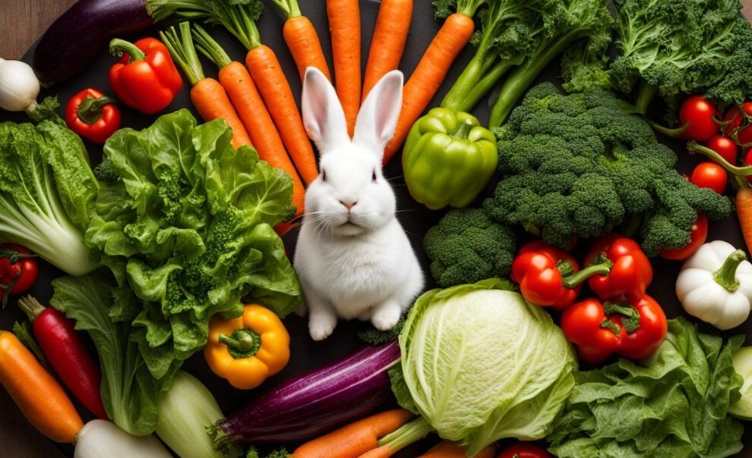
Pro Tip: Always feed red peppers (and any veggies) after your rabbit has already eaten a good amount of hay. I usually give veggies in the evening, knowing Mochi has been grazing on hay all day. This way, the pepper is a supplement, not a replacement.
Answering Your Burning Questions (FAQs)
Can rabbits eat the seeds and stems of red peppers?
I already touched on this, but let's be super clear. No to stems – too tough, risky. No to seeds as a best practice. They are not poisonous, but they are unnecessary and could potentially cause a minor blockage or irritation in a sensitive bunny. It's so easy to remove them that it's just not worth the infinitesimal risk. I always deseed.
Can baby rabbits eat red peppers?
Absolutely not. Baby rabbits (kits) should only have their mother's milk and then alfalfa hay and high-quality alfalfa-based pellets until they are about 7 months old. Their digestive systems are too immature for vegetables. Introducing veggies too early is a recipe for disaster. Wait until they are fully mature adults.
My rabbit ate a lot of red pepper at once! What should I do?
Don't panic, but monitor closely. Remove all other treats and veggies. Ensure they have unlimited access to fresh timothy hay (or other grass hay) and water. The hay will help get their gut moving properly. Watch their poop like a hawk for the next 12-24 hours. If you see no poop, small misshapen poop, or your rabbit stops eating and becomes lethargic, contact your vet immediately. It's always better to be safe.
Are other colored peppers (green, yellow, orange) safe?
Yes! All sweet bell peppers are safe. Green peppers are simply less ripe, so they have a slightly different nutrient profile (less sugar, less Vitamin C). Some rabbits have a color preference. Mochi seems to like red and orange the best, turning his nose up at green sometimes. The same preparation and feeding rules apply.
Can rabbits eat cooked red peppers?
Stick to raw. Cooking changes the nutritional structure and softens the vegetable, which reduces the beneficial dental wear that crunchy veggies provide. Rabbits are designed to eat raw plant matter. Give it to them fresh and crisp.
Honestly, the more you dig into it, the clearer it becomes that can rabbits eat red peppers is a gateway question. It leads you to think about their entire diet, which is a great thing.
Building the Perfect Rabbit Veggie Rotation
Since red peppers are a part-time player, what else should be on the team? Here’s how I think about building a weekly veggie plan. I aim for 3 items from the "daily" list and 1 from the "2-3 times a week" list each day.
Daily Staples (Low in Oxalates/Calcium, Great for Regular Feeding):
- Romaine Lettuce (not iceberg, which is nutrient-poor)
- Green Leaf / Red Leaf Lettuce
- Herbs: Cilantro, Dill, Mint, Basil
- Carrot tops (the greens, not the orange root!)
- Fennel
2-3 Times Per Week Items (Higher in certain nutrients, use in rotation):
- Red Bell Pepper (our star today!)
- Kale (high calcium, so rotate)
- Spinach (high oxalates, rotate)
- Broccoli leaves and stems (florets in tiny amounts only, can cause gas)
- Swiss Chard
I keep a list on my fridge. It sounds obsessive, but it helps me ensure variety and prevents me from over-relying on one thing, even if it's as healthy as a red pepper.
Final Thoughts and My Personal Philosophy
Look, caring for a rabbit is a journey. You're going to read conflicting advice online. You'll hear stories from other owners. When it comes to the question of can rabbits eat red peppers, the consensus among reputable organizations like the ASPCA and the veterinary community is a cautious yes. I lean on their expertise.
My philosophy? Be observant. Your rabbit is an individual. What works for Mochi might not work for your bun. Start slow, be meticulous with preparation, and never let treats—no matter how healthy—compromise their hay intake. The joy of seeing them nibble happily on a crisp strip of red pepper is wonderful, but the peace of mind that comes from knowing you're feeding them safely is even better.
So yes, go ahead. Offer that piece of red pepper. Watch their whiskers twitch with curiosity. Just remember the guidelines we talked about. Do that, and you'll have one happy, healthy bunny enjoying a colorful and safe treat.
Reader Comments