Quick Guide
- Why Bell Peppers Are a Bunny Superfood (And What's Actually In Them)
- The Core Question: Can Rabbits Eat Bell Peppers Everyday?
- Portion Control: How Much Bell Pepper is Just Right?
- Potential Risks and How to Avoid Them
- Answering Your Burning Questions (FAQ)
- Building the Perfect Rabbit Veggie Rotation
- Trusted Resources and Going Beyond the Blog
- Final Thoughts: It's About Balance, Not a Binary Yes/No
If you're standing in the produce aisle, a bright bell pepper in hand, wondering if your floppy-eared friend can have a piece, you're not alone. I've been there too. The short, upfront answer? Bell peppers are a fantastic treat for rabbits. But can rabbits eat bell peppers every day? That's where things get a bit more nuanced, and honestly, where most generic advice falls short.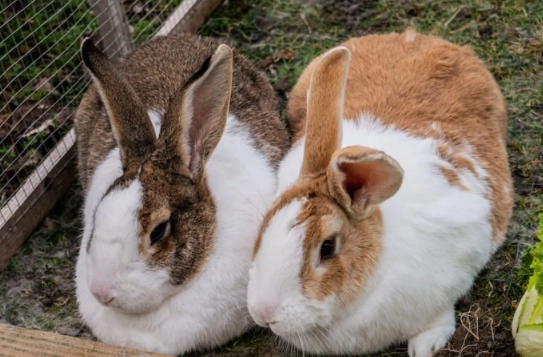
When I first got my rabbit, Thumper, I scoured the internet for a straight answer. I found a lot of "yes, they can eat it" but very little on the "how," "how much," and "how often." It's frustrating. You want to give your pet variety and nutrition, but you also don't want to upset their famously sensitive digestive systems. So let's ditch the vague answers and dive deep into what feeding bell peppers really means for your bunny's diet.
Why Bell Peppers Are a Bunny Superfood (And What's Actually In Them)
Before we talk frequency, let's see why bell peppers are worth considering in the first place. It's not just about the cute crunching sounds.
The magic of bell peppers lies in their nutrient profile. They're like little water-filled vitamin capsules. The most standout feature is their incredibly high Vitamin C content. Now, here's a common misconception: rabbits, unlike humans, can synthesize their own Vitamin C. So they don't require dietary sources to prevent deficiency like scurvy. However, that doesn't mean dietary Vitamin C is useless. Some research and many experienced rabbit owners believe extra Vitamin C can act as an antioxidant, supporting overall immune function, especially in older or stressed bunnies. It's a nutritional bonus, not a strict requirement.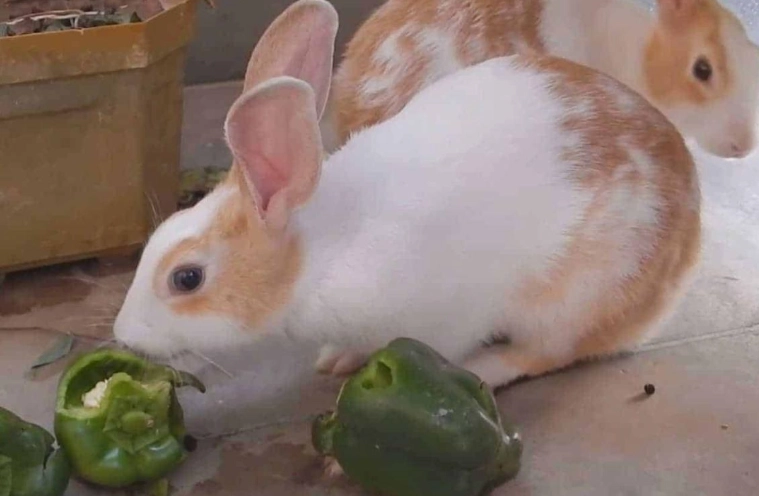
But Vitamin C is just the headline. Bell peppers are also a good source of Vitamin A (essential for good vision and skin health), Vitamin B6, and folate. They're packed with antioxidants like carotenoids, which give them their vibrant red, yellow, and orange colors. These compounds help combat cellular damage.
Perhaps the most underrated benefit for rabbits is the high water content. Bell peppers are about 92% water. This can be wonderfully hydrating, especially for rabbits who are a bit picky about drinking from their water bottle or bowl. It's a sneaky way to boost their fluid intake.
And then there's the fiber. While not as high in indigestible fiber (the crucial kind for gut motility) as hay or leafy greens, bell peppers do provide some. The skin, in particular, offers a bit of that needed roughage.
I remember introducing Thumper to his first piece of green pepper. He was suspicious at first, gave it a few tentative sniffs, and then devoured it with a gusto usually reserved for bananas. The different colors became a fun way to add visual and nutritional variety to his bowl.
Breaking Down the Colors: Is There a Best Choice?
You might have heard that red peppers are "better" than green ones. For rabbits, this is partially true, but with a caveat. The nutritional difference is real, but it doesn't make one color "unsafe." It's a spectrum.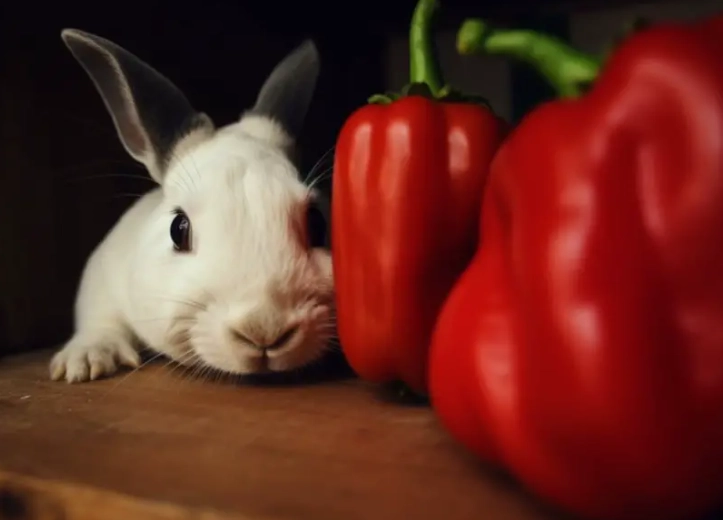
| Color | Key Nutritional Highlights | Flavor & Rabbit Appeal | My Bunny's Verdict |
|---|---|---|---|
| Red Bell Peppers | Highest in Vitamin C & Vitamin A. Fully ripe, so highest in natural sugars (but still low overall). Richest in beta-carotene. | Sweetest flavor. Most rabbits find them highly palatable. | Thumper's absolute favorite. He'll pick these out first. |
| Yellow/Orange Bell Peppers | Very high in Vitamin C. Excellent source of carotenoids like lutein. | Sweet, mild flavor. Great middle ground. | Eaten happily, but with slightly less enthusiasm than red. |
| Green Bell Peppers | Picked earlier. Lower in sugars, slightly higher in fiber. Still a great source of vitamins, just in lower concentrations than ripe colors. | More bitter, earthier taste. Some rabbits are less keen. | He'll eat them if they're chopped small and mixed in, but they're not his first choice. |
The main takeaway? All colors are safe. The red and yellow ones pack more nutritional punch per bite, but the green ones have the advantage of being lower in sugar. A mix is ideal. If your rabbit turns their nose up at green peppers, don't force it. Try a different color. The goal is to see if rabbits can eat bell peppers everyday as part of a balanced diet, and variety in color helps with that balance.
The Core Question: Can Rabbits Eat Bell Peppers Everyday?
Alright, here's the heart of the matter. Based on everything we know about rabbit digestion and nutrition, I don't recommend feeding bell peppers every single day. And this isn't just me being cautious; it's the consensus among experienced rabbit veterinarians and organizations like the House Rabbit Society.
Why not? It boils down to two main principles: variety and sugar moderation.
Rabbits thrive on a varied diet. In the wild, they'd graze on dozens of different plants, each providing a unique blend of nutrients and phytochemicals. By offering the same vegetable daily, even a healthy one, you risk creating a nutritional imbalance and, more commonly, a picky eater. What if your rabbit decides they only want bell peppers and start refusing their crucial leafy greens? It happens more often than you'd think.
Secondly, while bell peppers are low in sugar compared to fruits, the ripe ones (red, orange, yellow) do contain more natural sugars than, say, romaine lettuce or cilantro. A rabbit's digestive system, specifically the delicate balance of bacteria in their cecum, is sensitive to sugar overload. Consistent, daily intake of even moderate sugars can potentially lead to cecal dysbiosis—an imbalance of gut bacteria that causes soft, sticky droppings (cecotropes) that they don't re-ingest. It's a messy and unhealthy situation.
So, if someone asks me, "Can rabbits eat bell peppers everyday?" my answer is a qualified no. It's safer and healthier to rotate them with other safe vegetables. This approach prevents potential issues and keeps mealtime interesting for your bun.
So, What's the Ideal Feeding Schedule?
Let's get practical. How should you feed bell peppers?
A good rule of thumb is to include bell peppers in your rabbit's veggie mix 2 to 4 times per week. On the days you don't offer bell peppers, offer other safe vegetables like:
- Leafy greens: Romaine, green/red leaf lettuce, cilantro, parsley, dill, mint.
- Herbs: Basil, oregano, rosemary (in small amounts).
- Other veggies: Celery (strings removed), bok choy, Brussels sprouts (sparingly), cucumber.
This rotation ensures a broad spectrum of nutrients and keeps your rabbit's taste buds (and gut bacteria) guessing in a good way.
Portion Control: How Much Bell Pepper is Just Right?
This is where many owners go wrong. Even with good foods, too much is a problem. A rabbit's primary diet (80-90%) must always be unlimited, high-quality grass hay (Timothy, Orchard, Meadow). Vegetables are the next layer, and treats (like fruit) are the tiny tip of the pyramid.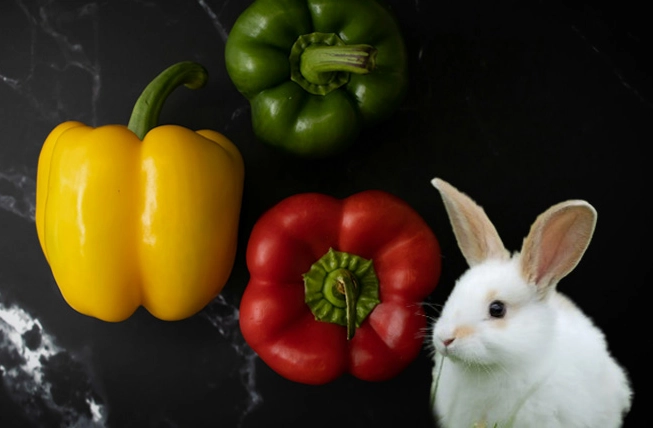
For a standard-sized adult rabbit (approx. 5-6 lbs), a good serving of bell pepper is about one or two thin slices, or a chunk roughly the size of two tablespoons. This should be part of a larger daily salad of leafy greens. The general guideline for total daily veggies is about 1 packed cup of leafy greens per 2 lbs of body weight, with non-leafy veggies like bell peppers making up no more than 15% of that cup.
For smaller or dwarf breeds, scale down accordingly. A tablespoon-sized piece is plenty.
Always introduce any new food, including bell peppers, very slowly. Start with a piece the size of your thumbnail. Wait 24 hours to monitor their droppings and behavior. If all is normal, you can gradually increase to the recommended serving over a week.
Potential Risks and How to Avoid Them
No food is 100% risk-free, and it's responsible to talk about the downsides.
Pesticide Residue: Bell peppers, especially non-organic ones, often rank high on the "Dirty Dozen" list for pesticide residue. This is a genuine concern for small animals. Always wash bell peppers thoroughly under running water. Better yet, if you can afford it, buy organic for your rabbit's portions. Scrubbing with a soft brush can help remove surface residues.
The Seeds and Core: You might have heard that pepper seeds are toxic. For rabbits, the seeds and the white, pithy core aren't toxic in the same way as, say, apple seeds (which contain cyanide). However, they are harder to digest and offer little nutritional value. They can also be a choking hazard in large clumps. It's best practice to remove the core and the cluster of seeds inside before offering a piece to your rabbit. A few stray seeds on a slice won't hurt, but don't feed the core itself.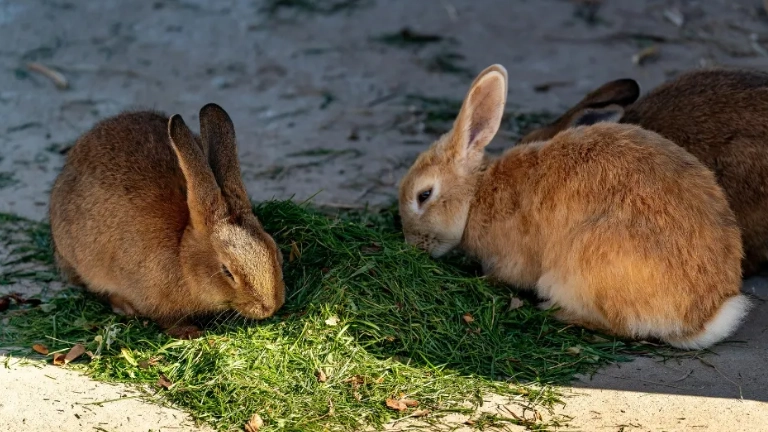
Digestive Upset: As mentioned, the primary risk of feeding bell peppers too often or in too large a quantity is digestive upset. Signs to watch for include:
- Soft, misshapen, or unusually small droppings.
- Excessively sticky cecotropes (the dark, cluster-like droppings they normally eat).
- Lethargy or loss of appetite.
If you see these signs, stop all vegetables and go back to a diet of hay and water only for 24 hours. If symptoms persist, consult your veterinarian.
Weight Gain: While not a high-calorie food, any extra food beyond hay contributes to calorie intake. For a less active or prone-to-chubbiness rabbit, even veggies need to be measured.
Answering Your Burning Questions (FAQ)
Building the Perfect Rabbit Veggie Rotation
Since the answer to "can rabbits eat bell peppers everyday" is no, let's build a better plan. Here’s a sample weekly veggie schedule for an average-sized rabbit:
- Monday: Romaine lettuce, cilantro, a slice of red bell pepper.
- Tuesday: Green leaf lettuce, parsley, a small piece of cucumber.
- Wednesday: Romaine, mint, a slice of yellow bell pepper.
- Thursday: Red leaf lettuce, dill, a celery stick (strings removed).
- Friday: Romaine, cilantro, a slice of green bell pepper.
- Saturday: Mix of lettuces, basil, a blueberry (as a treat).
- Sunday: Romaine, parsley, a slice of red bell pepper.
See how the bell pepper appears 2-3 times, in different colors, amidst a sea of leafy greens? That's the ideal model. It provides consistency without monotony.
Trusted Resources and Going Beyond the Blog
While I've poured my experience and research into this guide, it's always wise to cross-reference. Your rabbit-savvy veterinarian is your best resource for personalized advice, especially for rabbits with health issues.
For further reading, I rely on these authoritative sources:
- House Rabbit Society's Diet FAQ: The gold standard for evidence-based rabbit care advice. Their page on vegetables is exhaustive.
- USDA FoodData Central: Where I get precise nutritional data to compare foods. Looking up raw red bell peppers confirms the Vitamin C and sugar content.
- Merck Veterinary Manual: A trusted professional resource. Their section on rabbit digestion helps explain why diet balance is so critical.
These links aren't just for show; they're where I go to double-check my facts, and I think you should too.
Final Thoughts: It's About Balance, Not a Binary Yes/No
The question "can rabbits eat bell peppers everyday" is so common because we want simple rules. Rabbit care, unfortunately, is more about understanding principles than following rigid checklists.
Bell peppers are a healthy, hydrating, and vitamin-rich food that most rabbits enjoy. They are a wonderful addition to your rabbit's diet. But "addition" is the key word. They are not a staple, not a daily requirement, and not a substitute for the endless buffet of hay that should always be available.
By offering bell peppers a few times a week, in appropriate portions, as part of a rotating cast of vegetables, you give your rabbit the benefits without the risks. You get to enjoy watching them crunch happily on a colorful treat, knowing you're supporting their health in a smart, sustainable way.
So next time you're chopping a pepper for your salad, set aside a slice or two for your bunny. Just don't make it an everyday habit. Their digestive system—and their sense of culinary adventure—will thank you for the variety.
Reader Comments