Quick Navigation
So you're standing in the produce aisle, looking at that rainbow display of bell peppers, and your mind wanders to your floppy-eared friend at home. You know veggies are good for them, but which one is the right pick? The classic green? The sunny yellow? The vibrant red? It's a simple question that doesn't always have a simple answer online. I remember when I first got my rabbit, Thumper, I was terrified of giving him the wrong thing. I've learned a lot since then, through trial, error, and a lot of reading from trusted sources.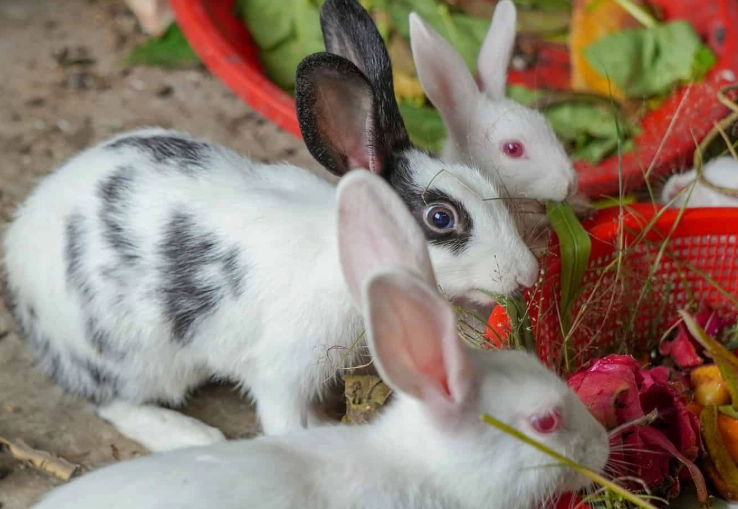
Let's cut straight to the chase, because that's what you're here for. The short answer is: rabbits can eat all colors of bell peppers—green, yellow, orange, and red. They are non-toxic and generally safe. But—and this is a big but—not all colors are created equal in the bunny nutrition world. The longer, more helpful answer is about understanding the differences, the benefits, the risks (yes, even with safe foods), and how to make the best choice for your particular rabbit.
Core Takeaway: All bell pepper colors are safe. Red, orange, and yellow peppers are sweeter and richer in certain vitamins. Green peppers are more fibrous and lower in sugar. The seeds and white inner pith are also safe, but the stem is not. Always introduce any new food slowly.
The Heart of the Matter: Breaking Down Each Color
When we ask "what color bell peppers can rabbits eat," we're really asking about the nutritional profile and sugar content of each. A bell pepper's color is a direct indicator of its ripeness and what's inside. A green pepper is simply an unripe version of the other colors. As it ripens, it changes color and its nutritional composition shifts.
This is where it gets practical for us bunny owners. Rabbits have sensitive digestive systems geared for high fiber, low sugar, and low starch. Their main diet should be unlimited hay (think 80-90%), followed by a measured amount of leafy greens, and then just a small portion of other veggies or treats. Bell peppers fall into that "other veggies" category.
Here’s a breakdown that made it click for me. I even made a little table because seeing it side-by-side helped.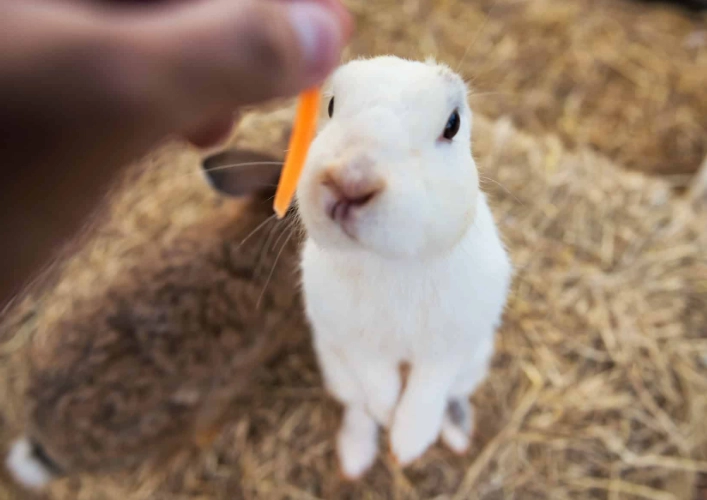
| Color & Ripeness | Key Nutritional Notes | Taste & Texture | My Bunny's Verdict |
|---|---|---|---|
| Green Bell Pepper (Unripe) | Highest in fiber. Lower in sugar and calories. Good source of Vitamin C, but less than colored varieties. | Mildly bitter, crisp, sometimes tougher skin. | Thumper eats it, but without the enthusiasm he shows for the sweeter ones. It's a solid, safe staple. |
| Orange Bell Pepper (Ripe) | Very high in Vitamin A (beta-carotene) and Vitamin C. Moderate sugar content. | Sweet, juicy, tender. | A definite favorite. He'll come running for orange. |
| Yellow Bell Pepper (Ripe) | Highest in Vitamin C among all colors. Similar sugar level to orange. | Very sweet, mild, soft texture. | Top tier treat. Disappears in seconds. |
| Red Bell Pepper (Fully Ripe) | Packed with Vitamin A, Vitamin C, and antioxidants like lycopene. Highest in sugar among bell peppers. | Very sweet, almost fruity, very tender. | The ultimate prize. I use this sparingly as a high-value reward. |
See the pattern? Ripeness brings sweetness and more vitamins, but also more sugar. For a healthy adult rabbit with no weight or dental issues, any of these in moderation is fine. But if your rabbit is prone to weight gain or has a history of digestive stasis, you might want to lean towards the green ones more often. It's about balance.
What About the Seeds and the White Stuff?
This is a super common follow-up question. You've got the pepper, you've cut it, and now you're looking at the inner core. Good news here. The seeds and the white, spongy membrane (the pith) inside a bell pepper are perfectly safe for rabbits to eat. They are not toxic or a choking hazard like some other fruit seeds can be. In fact, some rabbits might enjoy the different textures.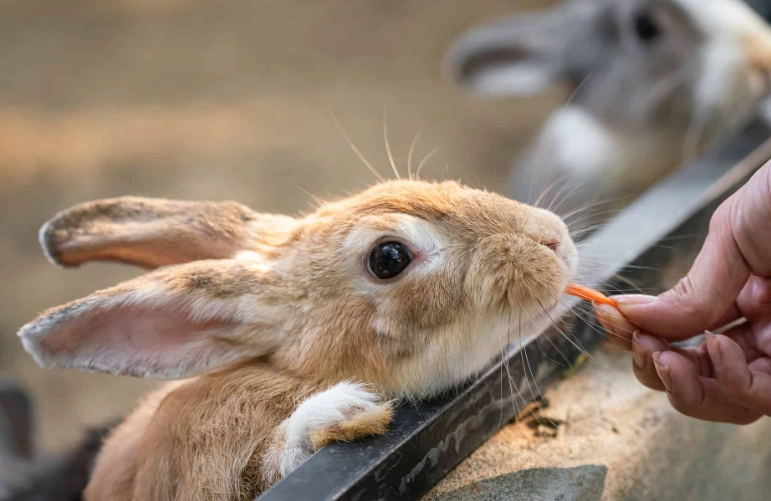
However, I usually scrape most of it out for Thumper. Not because it's dangerous, but because that pith can be a bit bitter, and he tends to leave it behind anyway, creating waste. The one part you must remove is the tough, woody stem. That is a choking hazard and is not digestible.
Watch Out: While we're on the topic of parts, never, ever feed your rabbit the leaves or flowers of the pepper plant itself (from your garden). Only the fruit (the bell pepper) is safe. The plant parts can be toxic.
How to Actually Feed Bell Peppers to Your Rabbit (The Right Way)
Knowing what color bell peppers rabbits can eat is half the battle. The other half is knowing how to serve it. Getting this wrong can turn a healthy treat into a tummy ache.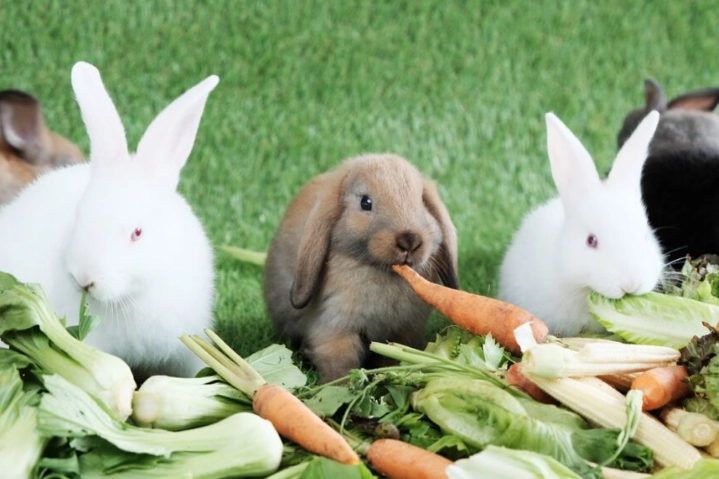
First, always wash them thoroughly. Bell peppers are on the Environmental Working Group's (EWG) list of produce that can sometimes carry higher pesticide residues. A good rinse under cool water is a must, or consider buying organic if it's within your budget, especially since we're feeding such small amounts.
Second, start ridiculously small. This is the golden rule for any new food. When you first introduce bell pepper (or any new veggie), give a piece about the size of your thumbnail. Watch your rabbit for the next 24 hours. Are their poops normal? Are they eating and acting normally? If yes, you can very gradually increase the amount over the next week.
So, what's a safe "maintenance" amount? Most rabbit experts and resources, like the widely respected House Rabbit Society, suggest that non-leafy vegetables (like bell peppers) should only make up about 1 tablespoon per 2 lbs of body weight per day. And that's total for all non-leafy veggies, not just peppers.
Let me put that in real terms. My Thumper is a 5 lb Mini Rex. He gets a big bowl of leafy greens (romaine, cilantro, kale) daily. His "treat" or supplemental veggie portion is about 2-3 tablespoons total. A typical serving of bell pepper for him is one or two thin slices, roughly equivalent to 1/8th of a pepper. Some days it's pepper, other days it's a bit of carrot top or a broccoli floret. Variety is key.
Pro Tip from a Seasoned Owner: I like to cut my peppers into thin strips or small cubes. It's easier to portion, and it seems to make them more interesting to Thumper than a big, awkward chunk. It also lets me mix colors easily—a strip of green for fiber and a cube of red for a sweet surprise.
What If My Rabbit Refuses to Eat Them?
Don't panic! Rabbits, like people, have personal tastes. Thumper went through a phase where he turned his nose up at green pepper. I just didn't offer it for a few weeks, then tried again, and he accepted it. You can try offering a different color. Sometimes the sweetness of a red or yellow pepper is more enticing. You can also try hand-feeding a tiny piece to build positive association.
But honestly?
If they never like bell peppers, it's completely fine. There are dozens of other safe vegetables. Bell peppers are a great supplemental food, but they are not a dietary necessity. The essentials are hay, water, and some leafy greens. Everything else is a bonus.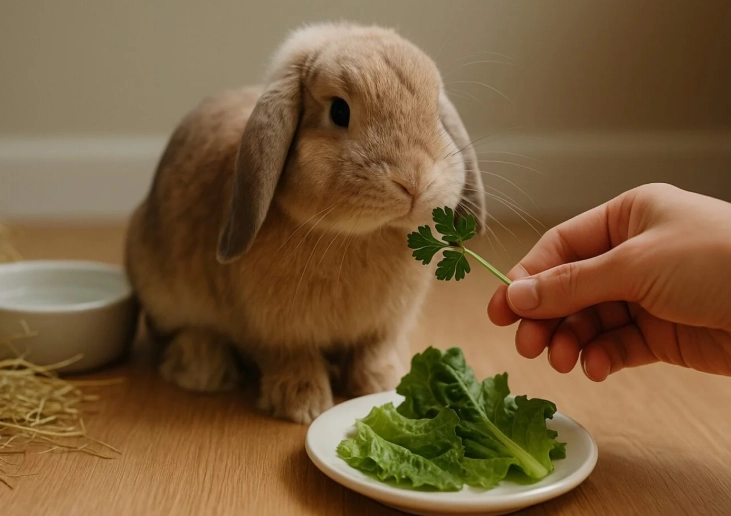
Going Beyond the Basic Question: Your FAQs Answered
Once you know the core answer to "what color bell peppers can rabbits eat," other questions naturally pop up. Here are the ones I wrestled with and asked my vet about.
Putting It All Together: A Simple Action Plan
All this information can feel overwhelming. Let's simplify it into steps you can follow today.
- Choose Your Pepper: Any color is safe. For everyday feeding, green, orange, and yellow are excellent. Save the red for an occasional sweet treat.
- Prepare It Safely: Wash it. Cut off the stem and discard it. Remove the core and seeds if you want (they're safe, but optional). Slice into bunny-sized pieces.
- Start Small: If it's their first time, offer a piece the size of a blueberry. Monitor their poop and behavior for a day.
- Find the Right Portion: For an average 5-6 lb rabbit, 1-2 thin slices or a few small cubes a day, a few times a week, is perfect. This should be part of their measured veggie portion, not in addition to it.
- Observe and Adapt: Does your bunny love it? Great. Do they get soft stools? Reduce the amount or frequency. Every rabbit is an individual.
The goal isn't perfection. The goal is to provide enrichment, variety, and extra nutrients without upsetting their delicate digestive balance. When you understand the differences between the colors, you can make an informed choice rather than a random one.
Remember, the cornerstone of rabbit health is unlimited grass hay (timothy, orchard, meadow). Fresh water. Then a pile of dark leafy greens. Treats like bell peppers, carrots, or fruit are the sprinkles on top—wonderful in small amounts, problematic in large ones. For the most authoritative and science-backed information on rabbit nutrition, I always cross-check with resources from veterinary schools, like the Cornell University College of Veterinary Medicine (they have small mammal resources) and the MSD Veterinary Manual.
So next time you're at the store, you can look at those bell peppers with confidence. You know that answering "what color bell peppers can rabbits eat" is just the start. You know that green is a fibrous workhorse, red is a sugary delight, and orange and yellow are wonderful, vitamin-packed middle grounds. You know how to serve it safely.
And most importantly, you know how to keep your bunny happy, healthy, and hopping for treats—peppers or otherwise.
Reader Comments