Quick Guide
Let's be honest, when you're chopping up a bright, crunchy bell pepper for your salad, and those cute little bunny eyes are locked onto you, it's hard to resist. You want to share the goodness. The fleshy part seems like a no-brainer, but then you look at the inner core, cluttered with those flat, pale seeds. A question pops into your head: can rabbits eat bell peppers seeds too? Should you scoop them out, or is it okay to just hand over the whole slice?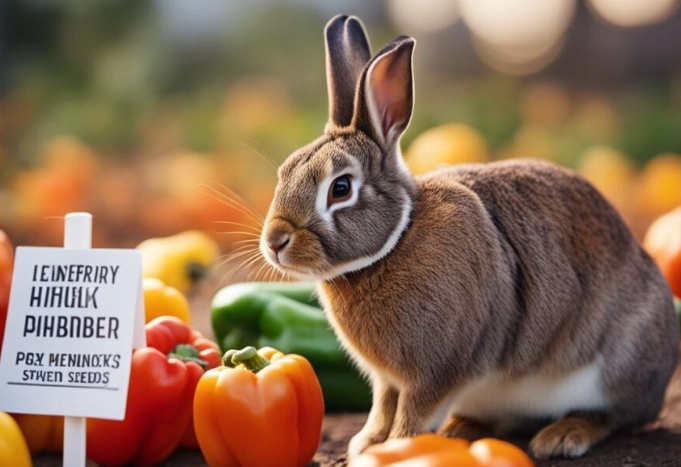
I've been there. My first rabbit, Thumper, was a curious fellow who'd try to snatch anything vaguely green from my hand. I made the mistake early on of not checking, and it led to a scary vet visit that taught me a lesson I won't forget. So, I dug deep—talked to my vet, read through resources from rabbit welfare societies, and sifted through a ton of owner forums. What I found wasn't a simple yes or no, but a nuanced guide that's crucial for keeping our floppy-eared friends safe and healthy.
The short, quick answer to can rabbits eat bell pepper seeds is this: It's not recommended, and it's better to remove them. While a tiny seed or two accidentally ingested likely won't cause a crisis, intentionally feeding them is asking for potential trouble. Why? It boils down to two main things: digestive sensitivity and choking risk. Rabbit digestive systems are finely tuned, high-fiber engines. They're not designed to process large amounts of small, hard seeds efficiently.
Core Takeaway: The nutritious, safe part of the bell pepper for your rabbit is the fleshy wall. That's where all the good vitamins (like Vitamin C and A) and hydration are. The stem, leaves, and those clusters of seeds? Best left in the compost.
Why Bell Pepper Seeds Are on the "Better Not" List
You might think, "Seeds are natural, how bad can they be?" I had the same thought. But for rabbits, "natural" doesn't always equal "safe." Their wild cousins have a very specific diet of grasses, herbs, and some select forage. Bell peppers, and certainly their concentrated seeds, aren't part of that ancestral menu.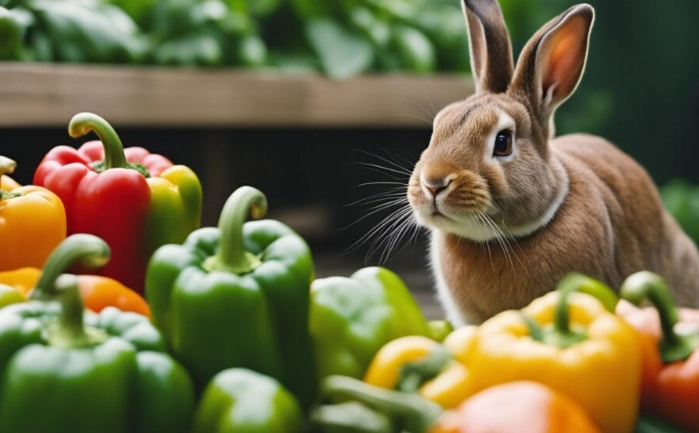
The primary concern isn't toxicity. Bell pepper seeds themselves aren't poisonous to rabbits like apple seeds (which contain cyanide) can be. The problems are more mechanical and digestive.
The Choking and Blockage Hazard
This is the big one, and it's often overlooked. Rabbit throats are small. Those little seeds, while not huge to us, can be just the right size to cause an obstruction if inhaled or swallowed hastily. Even more concerning is the risk of intestinal blockage or impaction. Rabbits cannot vomit. Anything that goes down must pass all the way through. A clump of seeds could potentially lodge in their delicate gut, disrupting the critical movement of food and hair. This can lead to GI stasis—a silent, serious, and often fatal condition for rabbits.
My vet put it plainly: "Why introduce a known physical risk when the nutritional payoff is zero?" She has a point.
Digestive Upset and Nutritional Imbalance
A rabbit's gut is a bacterial paradise that needs constant feeding with high-quality fiber (mainly from hay). Seeds are higher in fat and different proteins compared to the leafy greens and hay that should form 99% of their veggie intake. Introducing these unfamiliar components in quantity can upset the bacterial balance, leading to gas, bloating, or soft stools.
Think of it this way. A rabbit's diet is like a precision instrument. Hay is the main gear. Fresh vegetables like bell pepper flesh are the carefully calibrated cogs. Seeds? They're like throwing a bit of sand into the mechanism. It might run okay for a bit, or it might grind to a halt.
A Personal Warning: I once gave Thumper a slice of pepper with more seeds attached than I realized. Later that day, he was quieter than usual, hunched up, and not interested in his favorite herbs. A rushed trip to the emergency vet and some critical care food later, we learned he had a mild case of gas and gut slowdown. The vet couldn't say for sure it was the seeds, but the timing was suspect. It was a stressful and expensive lesson. Now, I'm fanatical about seed removal.
Bell Pepper Breakdown: What's Safe and What's Not
Let's get super clear. When we ask can rabbits eat bell peppers seeds, we're really asking about one specific part of a larger vegetable. It helps to visualize the whole pepper and make a safety map.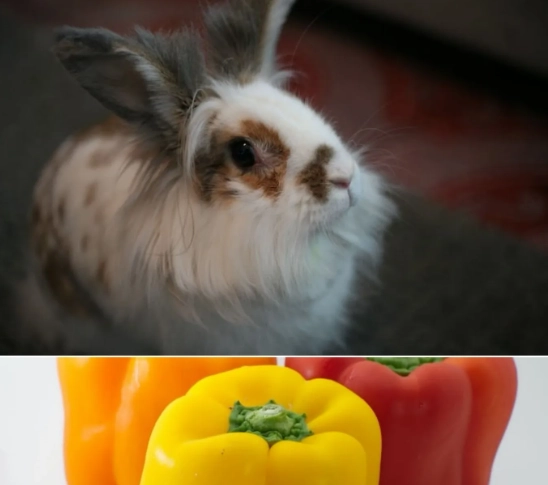
| Part of the Bell Pepper | Safe for Rabbits? | Notes & Recommendations |
|---|---|---|
| Fleshy Wall (Red, Green, Yellow, Orange) | YES, Excellent | Rich in Vitamin C, A, and water. A fantastic occasional treat. Remove all seeds and white pith/core first. |
| Seeds | NO, Avoid | Risk of choking, blockage, and digestive upset. No nutritional benefit for the risk. |
| White Pith / Inner Core / Ribs | NOT RECOMMENDED | It's tough, fibrous, and harder to digest. It can also be slightly bitter. Best removed. |
| Stem & Leaves | NO | Can be tough and may contain compounds that are irritating. Stick to the clean flesh. |
See the pattern? The rule is simple: Only the clean, colorful flesh. Everything else in that pepper should be considered rabbit waste. This isn't being overly cautious; it's about minimizing any variable that could harm an animal with such a sensitive system.
What about different colors? Nutritionally, red and yellow peppers are slightly higher in sugars and vitamins than green ones, but all are safe in moderation. The preparation rule (no seeds!) remains the same regardless of color.
How to Properly Feed Bell Peppers to Your Bunny
Okay, so we're ditching the seeds. How do we do this right? It's more than just handing over a slice.
Preparation is Key: Wash the pepper thoroughly under running water to remove any pesticide residue. I like to buy organic when I can for my bunnies, but washing is non-negotiable either way. Cut the pepper, and use your fingers or a knife to scrape out the entire seed cluster and the white membrane it's attached to. You want a clean piece of flesh.
Serving Size & Frequency: Bell peppers are a treat, not a staple. A good guideline is about one tablespoon of chopped pepper per 2 pounds of your rabbit's body weight, a few times a week at most. For my 5-pound rabbit, that's about two and a half tablespoons, twice a week. They should never replace the primary diet of unlimited hay, fresh water, and a small amount of pellets.
Introduce any new food, including bell pepper, very slowly. Start with a tiny piece about the size of your thumbnail. Watch their poop for the next 24 hours. If it remains normal, firm, and plentiful, you can gradually increase to the recommended serving over a week or two. If stools become soft or mushy, stop immediately and go back to their baseline diet.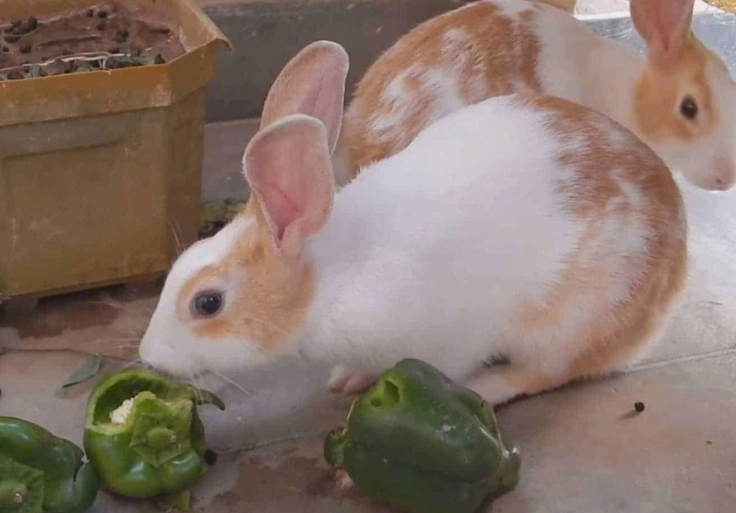
I mix my rabbit's veggie treats. A typical "salad" might be a base of romaine lettuce, a sprig of cilantro, a slice of bell pepper (de-seeded, of course), and maybe a small piece of cucumber. Variety prevents boredom and ensures a range of nutrients.
Answering Your Top Questions on Rabbits and Bell Pepper Seeds
I've spent enough time in rabbit owner groups to know the questions that keep coming up. Here are the direct answers.
What if my rabbit accidentally ate a few seeds?
Don't panic. A single seed or two that you missed during prep is unlikely to cause a major issue for a healthy, large rabbit. The danger comes from repeated, large quantities. Monitor your rabbit closely for the next 12-24 hours. Watch for signs of distress: loss of appetite, smaller or no fecal pellets, lethargy, or a hunched posture. If you see any of these, contact your vet immediately. For peace of mind, ensure they have plenty of hay and water to help keep their gut moving.
Are seeds from other vegetables safe?
This is a great follow-up question. The answer is a resounding it depends, and generally, it's best to avoid them. Cucumber and zucchini seeds are soft and usually fine in the small amounts present in a slice. Tomato seeds are surrounded by a gelatinous sack and are generally considered safe in moderation, but the green parts of the tomato plant are toxic. The golden rule: When in doubt, take it out. Research each specific vegetable. The House Rabbit Society, a fantastic and authoritative resource, has a comprehensive list of safe vegetables that is an invaluable reference.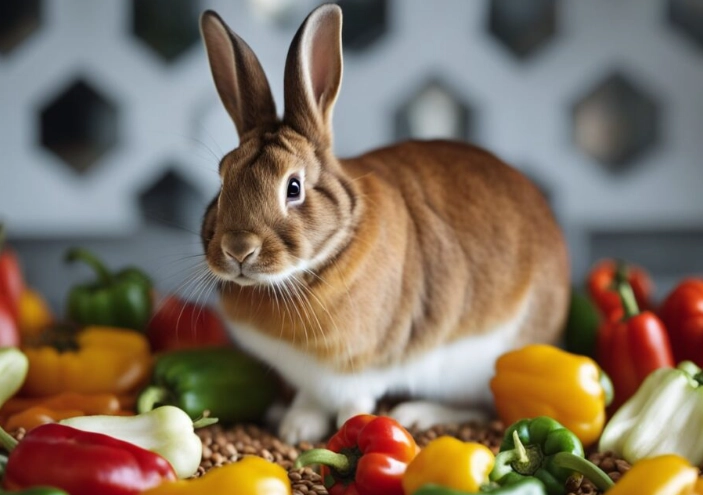
My rabbit loves the seeds! Why can't I give them as a treat?
I get it. They seem to go for the core sometimes, maybe because it's a different texture. But "loves" doesn't equal "is good for." Kids love candy, but we don't feed it to them for every meal. Your job as a caretaker is to provide what's healthy, not just what's wanted in the moment. The risks (blockage, choking) simply don't justify the complete lack of nutritional benefit. There are so many other safe and delicious treats—a sprig of basil, a small piece of banana, a blueberry—that don't come with a hazard label.
Can bell pepper seeds cause long-term health problems?
Not directly in a toxic way. However, consistently feeding inappropriate foods like seeds can contribute to chronic low-grade digestive issues, an imbalanced gut microbiome, and obesity if they displace high-fiber foods. The major risk remains acute: a sudden, life-threatening blockage. It's a preventable risk, so why take it?
The Bigger Picture: A Rabbit's Ideal Diet
Fussing over can rabbits eat bell peppers seeds is important, but it's just one tiny pixel in the big picture of rabbit nutrition. Getting the fundamentals right is what truly keeps a rabbit thriving for years.
The diet pyramid for a rabbit is non-negotiable:
- Unlimited Grass Hay (80-90% of diet): Timothy, orchard, oat hay. This is essential for wear on teeth (which never stop growing) and gut motility. It should be available 24/7.
- Fresh Water: Always available, changed daily, in a clean bowl (preferred over a bottle).
- High-Quality Pellets (Limited): A small, measured amount daily. Look for pellets high in fiber (18%+), low in protein and fat, with no colorful bits or seeds mixed in.
- Fresh Leafy Greens & Occasional Veggies (10-15%): This is where your de-seeded bell pepper comes in. The bulk should be dark leafy greens like romaine, spring greens, kale, and herbs.
- Occasional Treats: Fruit (like apple without seeds or berries) or a small piece of carrot. These are like candy—tiny and infrequent.
When you see it laid out like that, it puts the seed question in perspective. It's a detail, but a critical one, within the "occasional veggies" category. Getting the hay and water right is far more impactful than whether you miss a seed, but diligence in all areas is what defines great care.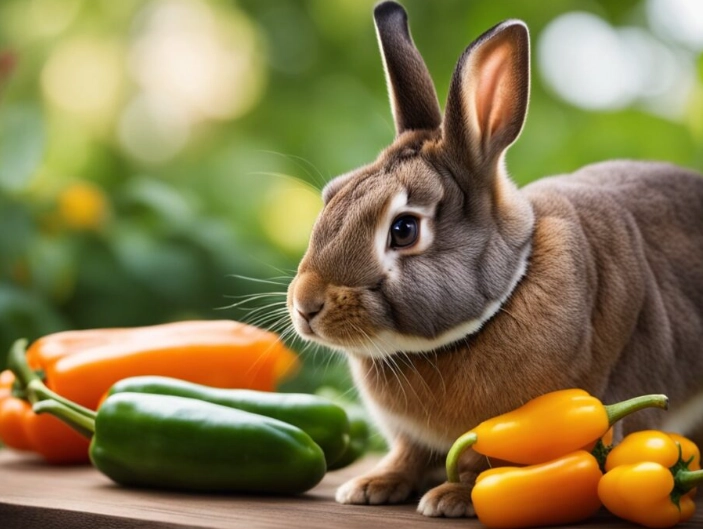
I also strongly recommend every rabbit owner bookmark the House Rabbit Society website. Their care guides are meticulously researched and updated, forming a reliable foundation for your knowledge. For specific medical concerns, always defer to a rabbit-savvy veterinarian. The Association of Exotic Mammal Veterinarians (AEMV) has a locator tool to find qualified vets near you.
Final Thoughts: Better Safe Than Sorry
So, can rabbits eat bell peppers seeds? The consensus from vets, rescue organizations, and experienced owners is a firm, "It's best not to."
The effort to remove them is minimal.
The potential consequence of not removing them is not. We choose to share our lives with these fragile, wonderful creatures, and that choice comes with a responsibility to be informed and cautious. Feeding is one of our primary interactions with them, so let's make it a source of health and joy, not hidden risk.
Stick to the bright, crunchy flesh of the pepper. Give it as part of a varied veggie mix. And then, watch your bunny happily munch away, knowing you've given them the very best—and safest—bite.
Reader Comments