Quick Navigation
So you're thinking about bringing a Holland Lop into your life, or maybe you already have one curled up in a corner. One of the first questions that pops into any responsible owner's mind is a simple one: just how long do bunnies live in Holland Lop? It's a big commitment, right? You're not just getting a cute pet for a few years; you're potentially welcoming a family member for a decent chunk of time.
I remember when I first got into rabbits, I heard all sorts of numbers thrown around. Some people said five years, others whispered about rabbits hitting fifteen. It was confusing. The truth about the Holland Lop lifespan isn't a single number—it's a range, influenced by a whole bunch of things, many of which are in your control. That's the good news. If you're asking "how long do bunnies live in Holland Lop," you're already on the right track because it means you care about giving them the best life possible.
Let's cut through the noise and get into what really matters. We'll talk averages, we'll talk extremes, and most importantly, we'll talk about how you can tilt the odds in your bunny's favor for a long, healthy, and happy life.
The Short Answer: Most reputable sources, like the House Rabbit Society, place the average Holland Lop lifespan between 7 to 12 years. With exceptional care, some can even reach 14 years or more. It's less about luck and more about the daily choices you make for them.
What's the Average? Breaking Down the Holland Lop Lifespan
You'll see the 7-12 year range everywhere, but what does that actually mean? In my experience talking to breeders, vets, and longtime owners, it seems most well-cared-for indoor Holland Lops comfortably make it to 9 or 10. The lower end of that range, sadly, often reflects outdated care practices or unforeseen health issues.
Think of it this way: a Holland Lop living to 7 years had a good life. One making it to 10 had a great life. And one pushing past 12? That's a testament to fantastic genetics and owner dedication. It's a marathon, not a sprint. Their lifespan is significantly longer than many other small pets like hamsters or guinea pigs, which is something to seriously consider before bringing one home.
Why such a broad range for how long do bunnies live in Holland Lop? It comes down to four massive pillars: genetics, diet, environment, and veterinary care. A weakness in any one of these can shorten their years. Strength in all of them is the golden ticket to longevity.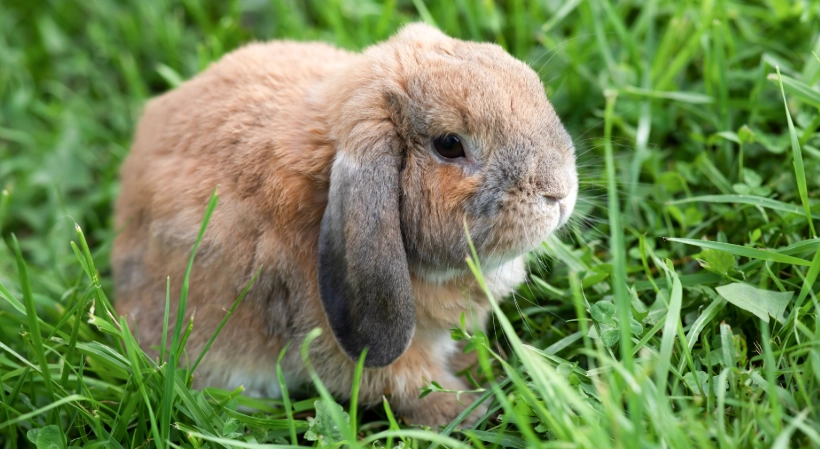
The Four Pillars That Decide Your Bunny's Lifespan
Let's get into the nitty-gritty. If you want to influence the answer to "how long do bunnies live in Holland Lop" for your own furry friend, these are the areas you need to master.
1. Genetics & Breeding: The Foundation You Can't Change Later
This is the hand your bunny is dealt at birth. A Holland Lop from a reputable breeder who prioritizes health, tests for common genetic issues, and avoids inbreeding has a huge head start. I've seen the difference firsthand. Pet store rabbits or those from backyard breeders often come from questionable genetic lines, sometimes prone to dental malocclusion (misaligned teeth) or heart issues that can surface later in life.
It's a tough truth, but where you get your rabbit sets a baseline for their potential Holland Lop lifespan. A good breeder will be happy to talk about the health history of their lines.
2. Diet: The Fuel for a Long Life
This is probably the biggest factor you control day-to-day. A rabbit's digestive system is incredibly sensitive and central to their overall health. The wrong diet doesn't just cause a tummy ache; it can lead to GI stasis, obesity, and dental disease—all lifespan-shorteners.
The gold standard? Unlimited grass hay (Timothy hay is perfect for adults). It should make up about 80-90% of their diet. It wears down their constantly growing teeth and keeps their gut moving. Fresh leafy greens daily, a limited amount of high-fiber pellets, and only the occasional treat. No sugary yoghurt drops or seed mixes, ever. The RSPCA's diet guide is a fantastic, no-nonsense resource to follow.
3. Environment & Lifestyle: More Than Just a Cage
Is your rabbit a cage ornament or a member of the family? Holland Lops are social, curious, and need mental and physical stimulation. A rabbit confined to a small cage 24/7 will be stressed, bored, and prone to illness. Stress is a killer, even for bunnies.
They need a large, safe space to run, hop, binky, and explore for several hours every single day. Rabbit-proof a room or use exercise pens. Provide toys, tunnels, and things to chew. Companionship is also huge—a bonded pair of rabbits often does better emotionally than a solitary one. A happy rabbit is a healthier rabbit, and that directly impacts how long they live.
4. Proactive Veterinary Care: Don't Wait for an Emergency
Rabbits are prey animals. They hide illness until it's often very advanced. That's why annual check-ups with a rabbit-savvy vet (an exotics vet, not just a regular cat-and-dog vet) are non-negotiable. They can spot subtle signs of trouble early.
Vaccinations are also crucial, depending on your region. In many areas, protecting against Rabbit Hemorrhagic Disease Virus (RHDV) and Myxomatosis is essential for survival. Spaying or neutering is another massive one—it drastically reduces the risk of reproductive cancers in females and improves behavior in males, leading to a longer, calmer life.
Your Action Plan: The Longevity Checklist for Holland Lops
Okay, theory is great, but what do you actually do? Here's a concrete, no-fluff checklist to help maximize your Holland Lop's lifespan. Think of this as your operating manual.
- Hay, Hay, and More Hay: Ensure an unlimited supply of fresh, grassy hay is available 24/7. This is non-negotiable for digestion and dental health.
- Find Your Rabbit Vet Now: Don't wait for an emergency. Locate a certified exotics veterinarian and schedule a wellness visit to establish care.
- Spay/Neuter: Unless you are an experienced breeder, get this done. For females, it's arguably the single biggest action to prevent uterine cancer, which is very common.
- Go Big on Space: Ditch the small pet store cage. Provide a minimum living space of at least 4ft x 2ft, with ample daily supervised time in a larger, safe area.
- Bunny-Proof Relentlessly: Electrical cords, toxic plants, and small ingestible items are hazards. A safe environment prevents tragic accidents.
- Learn Bunny Body Language: Is that sitting still a sign of contentment or pain? Knowing the difference helps you catch illness early.
- Keep Them Lean: An overweight rabbit is at high risk for arthritis, heart disease, and liver problems. Feel their spine and ribs—you should be able to feel them under a thin layer of fat.
- Groom Regularly: Especially during shedding seasons. Holland Lops have dense fur, and ingesting too much hair can cause deadly blockages.
Stick to this, and you're giving your bunny a phenomenal shot at hitting—and exceeding—that average Holland Lop lifespan.
Common Health Hurdles & How They Affect Lifespan
Even with perfect care, Holland Lops can be prone to certain conditions. Knowing about them isn't meant to scare you, but to prepare you. Early detection is everything when considering how long do bunnies live in Holland Lop.
Dental Problems: The Silent Saboteur
Those cute teeth never stop growing. If they don't wear down evenly (due to poor diet or genetics), they can develop sharp points, abscesses, or malocclusion. This makes eating painful, leading to weight loss and gut slowdown. Regular vet checks include a good look at the molars in the back, which you can't see at home.
Gastrointestinal (GI) Stasis: The Emergency Stop
This is the big one. It's not a specific disease but a condition where the gut slows down or stops. It's often triggered by pain, stress, or a poor diet. A rabbit in stasis stops eating and pooping. It's a life-threatening emergency that needs immediate vet care. This is why that hay diet is so critical—it keeps everything moving.
Respiratory Infections (Snuffles)
Chronic sniffles, sneezing, and white discharge around the eyes or nose can signal Pasteurella or another bacterial infection. While treatable with antibiotics, chronic infections can weaken a rabbit over time and affect their quality of life and longevity.
Pododermatitis (Sore Hocks)
Those fluffy feet can develop painful sores if a rabbit sits on wet bedding or hard, abrasive surfaces all day. It's painful, can get infected, and is entirely preventable with proper flooring (soft mats, fleece) and clean, dry living conditions.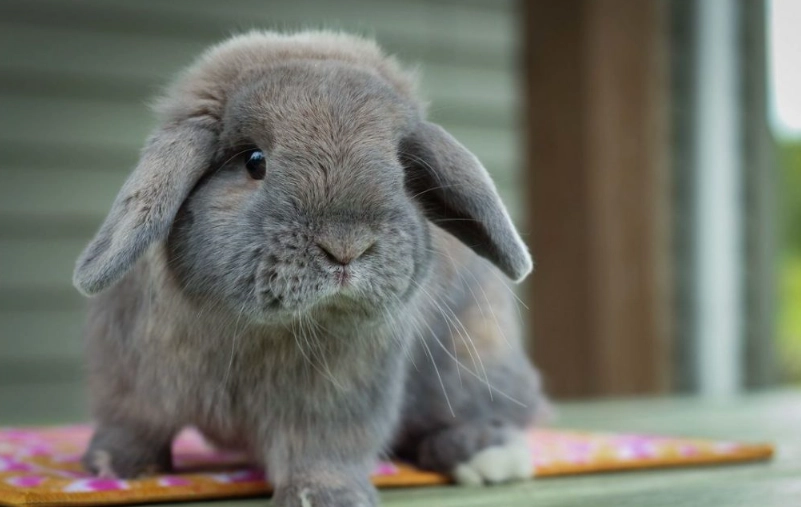
A Quick Note on "Old Age": People often say a rabbit died of "old age." In reality, older rabbits often succumb to complications from arthritis, kidney decline, or slow-growing tumors. This is why senior rabbits (age 6+) benefit from vet check-ups every 6 months. Proactive care for an aging Holland Lop is just as important as care for a young one.
Myths vs. Facts: Clearing Up Lifespan Confusion
Let's bust some common myths that muddy the waters when people ask how long do Holland Lop rabbits live.
| Myth | Fact |
|---|---|
| "Dwarf rabbits like Holland Lops don't live as long." | Actually, the opposite is often true! Well-cared-for dwarf breeds frequently outlive larger giant breeds. Their smaller size can put less strain on their bodies over time. |
| "Rabbits are low-maintenance starter pets." | This is a dangerous myth. Their complex dietary, social, and medical needs require more daily attention and specialized knowledge than a cat or dog in some ways. They are a high-maintenance commitment for a decade. |
| "If my rabbit stops eating for a day, it's fine." | No. A rabbit that hasn't eaten or produced droppings in 12 hours is a medical emergency. Their metabolism is fast, and liver damage can begin quickly. |
| "Pellets are the main part of a rabbit's diet." | This is outdated thinking. Pellets are a supplement, not the main course. The foundation is, and always will be, high-fiber hay. |
See? A lot of what we think we know is just wrong.
Answering Your Burning Questions
What's the oldest Holland Lop on record?
While official Guinness World Records are tricky for rabbits (documentation is hard), there are many well-documented cases of pet rabbits living past 14. The record often cited is held by a rabbit named Flopsy from Tasmania, who lived to 18 years old! While that's an extreme outlier, it shows the upper limits of rabbit longevity are far beyond what many expect. For a Holland Lop, reaching 15 is exceptionally rare but speaks to what's possible with impeccable care.
Do male or female Holland Lops live longer?
There's no strong biological evidence that one sex inherently lives longer than the other. However, spayed females have a dramatically lower risk of uterine cancer (which affects up to 80% of unspayed females over age 5), so in practice, a spayed female often has a longevity advantage over an unspayed one. A neutered male and a spayed female, given equal care, should have similar lifespans.
How can I tell if my Holland Lop is aging well?
Look for consistent habits. Is their appetite strong? Are their droppings normal and plentiful? Do they still engage in play and exploration, even if a little slower? A gradual slowing down is normal. Sudden changes—like sleeping much more, difficulty grooming their back, stiffness when moving, or weight loss—are signs to discuss with your vet. Aging isn't a disease, but it requires adjustments to their environment (softer flooring, easier access to food/water).
Is it worth getting pet insurance for a Holland Lop?
This is a personal finance question, but I'll give my opinion: for a potential 12-year commitment, it can be a lifesaver. Rabbit emergencies or chronic conditions (like dental issues) can easily run into the thousands of dollars. Insurance helps you make medical decisions based on what's best for the rabbit, not your bank account. It's something to seriously consider in the first year of their life, before any conditions arise.
The Bottom Line on Holland Lop Lifespan
When people ask how long do bunnies live in Holland Lop, they're usually looking for a simple number. But the real answer is a conversation. It's 7 to 12 years on average, yes. But it's also a story about daily hay, yearly vet trips, spacious living quarters, and a deep bond. Your Holland Lop's lifespan is a shared journey. You provide the care, the safety, and the love. They provide the personality, the joy, and those unforgettable floppy-eared moments.
The goal isn't just to have your rabbit live a long time; it's to have them live a full time. A life rich with exploration, good food, companionship, and comfort. When you focus on that quality, the quantity of years often takes care of itself. So here's to hoping you and your Holland Lop have many, many happy years ahead, filled with binkies, nose bonks, and the quiet contentment of a well-loved pet.
Reader Comments