In This Guide
- What Exactly Is a Flemish Giant Rabbit?
- The Heart of the Matter: Personality and Temperament
- The Real Cost of a Giant: Space, Time, and Money
- The Good, The Bad, and The Chewy: Pros and Cons
- Who Should (and Shouldn't) Get a Flemish Giant
- Your Decision Checklist: Before You Commit
- Common Questions (Stuff You're Probably Wondering)
- Final Thoughts: My Personal Verdict
Let's cut to the chase. You're probably here because you've seen a picture of a Flemish Giant rabbit online—a massive, cuddly-looking creature that seems more like a small dog than a bunny—and you're wondering, "Could that be my next pet?" I get it. I was in your shoes years ago, completely captivated by their size and gentle reputation. But before you get lost in dreams of a fluffy companion, we need to talk reality. So, do Flemish Giant rabbits make good pets? The short answer is a solid maybe. It's a fantastic "yes" for the right person and a resounding "no" for the wrong one. This isn't a decision to make lightly, and I'm not here to sell you on the idea. I'm here to give you the full, unvarnished picture.
Think of this less as a sales brochure and more as a long chat with a friend who's been through it all—the good, the bad, and the surprisingly expensive.
I remember bringing my first Flemish Giant, Barnaby, home. The sheer scale of everything he needed hit me like a ton of bricks. The cage I bought was a joke. The food bills were... noticeable. But watching him flop contentedly in his custom-built pen, his feet almost the size of my palm, made the effort worth it. For me. Would it be for you? Let's break it down, layer by layer.
What Exactly Is a Flemish Giant Rabbit?
First things first, let's understand what we're dealing with. The Flemish Giant is a breed of domestic rabbit, historically bred for meat and fur, but nowadays cherished primarily as a show animal and companion. They are the largest recognized breed of rabbit in the world. We're not just talking "big bunny." We're talking potentially small-dog-sized bunny.
The American Rabbit Breeders Association (ARBA) is the official body that sets breed standards, and they note that these rabbits have a "mandolin" body shape—semi-arched back, strong hindquarters—and are bred for their commercial body type. You can check out their official breed standard on the ARBA website to see the precise details judges look for. But for us pet owners, the key takeaways are size and temperament.
The Numbers Don't Lie: Just How Big Do They Get?
This is where most people's jaws drop. A healthy, well-bred adult Flemish Giant typically weighs between 13 to 14 pounds on the lighter side, and can easily reach 20 pounds or more. Bucks (males) often hit the higher end of that scale. They can be over 2.5 feet long when stretched out. I'm not exaggerating when I say Barnaby's litter box needed to be a concrete mixing tub from the hardware store. A standard small animal cage is utterly useless.
- Average Weight: 13-20+ lbs (5.9-9+ kg)
- Average Length: 2.5 feet (0.76 meters) from nose to tail-tip
- Lifespan: 5-8 years with excellent care, sometimes longer.
That lifespan is crucial. Getting a Flemish Giant is a multi-year commitment, similar to a dog. You can't just change your mind in a year.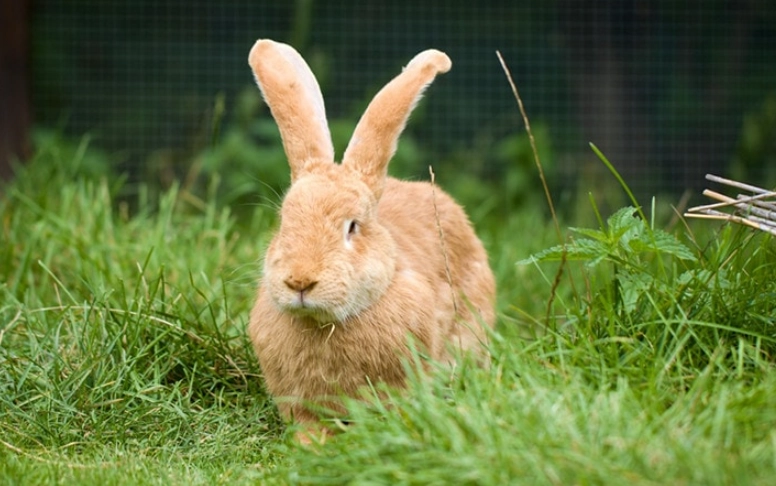
The Heart of the Matter: Personality and Temperament
This is the big selling point, and for the most part, it's true. The breed is famously known for being a "gentle giant." Most Flemish Giants are calm, tolerant, and less skittish than smaller breeds. They tend to have a stoic, laid-back attitude. Barnaby would let me handle his feet for nail trims with minimal fuss, something my smaller Netherland Dwarf would never tolerate.
But—and this is a huge but—individual personality varies wildly. Just like dogs, a rabbit's temperament depends on genetics, early socialization, and individual quirks. I've met Flemish Giants that were shy and aloof, and others that were demanding attention hogs. The breed tendency is towards calmness, but it's not a guarantee. Proper, gentle handling from a young age is absolutely critical to developing a friendly pet. The House Rabbit Society, a fantastic non-profit rabbit advocacy and education group, has extensive resources on socializing and bonding with rabbits that apply perfectly to giants.
Here's my personal take: Their size can make them seem more dog-like in their interactions. They don't zip and dart as frantically as small bunnies. Their movements feel more deliberate. This can make them feel more "present" as a companion.
But that same size means if they do get spooked and kick out, the power behind it can scratch you deeply or even break skin. It's rare with a well-adjusted giant, but it's a factor of physics, not malice.
The Real Cost of a Giant: Space, Time, and Money
This is the section that answers "Do Flemish Giant rabbits make good pets?" for 90% of people. It's all about logistics. If you live in a small apartment, work 12-hour days, or are on a tight budget, the answer might quickly become "no." Let's get brutally practical.
Space Requirements: They Need a Room, Not a Cage
Forget everything you know about rabbit hutches. A Flemish Giant cannot live in a cage. It's cruel and impractical. They need a large, dedicated space. The minimum recommended enclosure size, even for a single rabbit, is enormous.
- X-Pen Setup: A common solution is using large dog exercise pens (x-pens). You'll need a pen at least 4ft x 4ft as their base, and that's the bare minimum. Bigger is always better.
- Free-Roaming: The ideal is rabbit-proofing a room or large section of your home for them to have 24/7 access to. They need space to run, hop (they can do impressive "binkies" even at their size), and stretch out fully.
- Vertical Space: Surprisingly, many enjoy low platforms or ramps. They're not great climbers, but they appreciate having a lookout spot.
My setup involved a 5ft x 6ft pen in my living room, attached to a custom-built 4ft long hidey-house. It dominated the corner of the room. You have to be okay with your pet's habitat being a major piece of furniture.
The Financial Commitment: It's Not Just Hay
Everything is bigger, and therefore more expensive. Let's put some rough numbers to it. This isn't meant to scare you, but to prepare you.
| Item | For a Small Rabbit (Est.) | For a Flemish Giant (Est.) | Notes |
|---|---|---|---|
| Hay (Monthly) | $15-$25 | $40-$70+ | They consume a massive amount of timothy/orchard grass. Buying in bulk (e.g., a 50lb bale) is often necessary. |
| Pellets (Monthly) | $5-$10 | $15-$30 | Quality adult rabbit pellets, measured carefully to prevent obesity. |
| Fresh Veggies (Weekly) | $5-$10 | $10-$20 | Romaine, herbs, etc. Adds up quickly. |
| Litter & Bedding | $15-$20 | $30-$50 | You need more litter for larger boxes, and more bedding if used. |
| Initial Setup (Pen, Hide, Dishes) | $100-$200 | $250-$500+ | Dog-sized items: large water bowl, heavy ceramic food dish, large litter pan. |
| Veterinary Care | Standard exotic vet rates | Higher (Medication doses are larger, some procedures are more complex) | This is critical. You must find a vet experienced with giant breeds. Check the House Rabbit Society Vet List as a starting point. |
See what I mean? The ongoing cost is significant. And vet bills... a spay/neuter surgery for a 15-pound rabbit is a more involved procedure than for a 3-pound one. Emergency care costs scale up too. I always had a "rabbit emergency fund" of a few hundred dollars set aside, and I recommend you do the same.
Daily Time Investment
Rabbits are social. They need interaction. A lonely giant is a destructive or depressed giant. You should plan on spending at least a couple of hours each day interacting with and supervising your rabbit during free-roam time. This includes:
- Feeding and refreshing water (twice daily).
- Spot-cleaning the litter box (daily).
- A full enclosure clean (weekly).
- Grooming, especially during shedding seasons (several times a week).
- Active play, petting, and training time.
They can be litter-trained quite well, which helps, but you're still dealing with the volume of a large herbivore.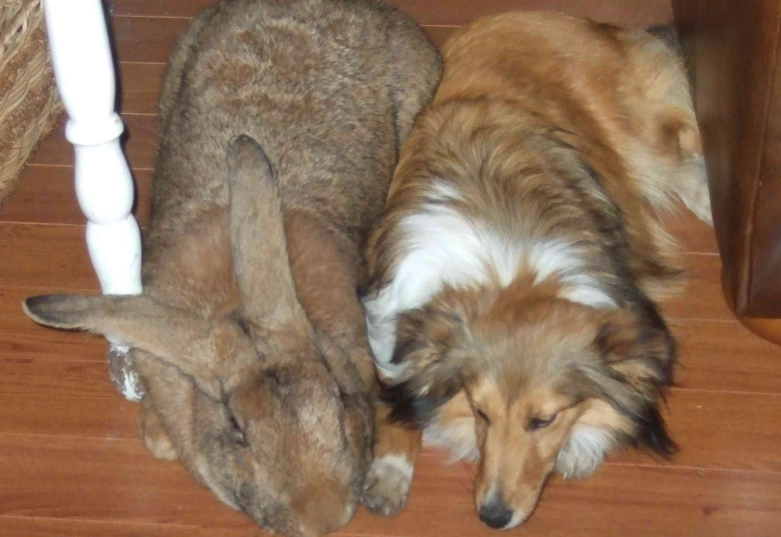
The Good, The Bad, and The Chewy: Pros and Cons
Let's synthesize everything. Here’s my blunt assessment.
Why You Might Love a Flemish Giant (The Pros)
- The "Gentle Giant" Factor: Their calm demeanor can be incredibly soothing. Petting a giant, warm rabbit is a unique stress-reliever.
- Presence and Personality: They feel more like a "real" pet companion due to their size and often more interactive nature.
- Less Fragile: While you must always handle them gently, their size can make them slightly less delicate than tiny breeds around older children (with strict supervision, of course).
- Impressive and Unique: Let's be honest, they're a conversation starter. Responsible ownership can help educate others about rabbit care.
Why You Might Regret It (The Cons)
- Space Hog: They require a staggering amount of indoor real estate.
- Costly Upkeep: From food to vet bills, the financial output is substantial.
- Destructive Power: A bored Flemish Giant can do real damage. Baseboards, chair legs, and cords are not safe. Their chewing is powerful.
- Limited Sitters: Finding someone competent and willing to care for a giant rabbit if you go on vacation is very difficult.
- Shorter Lifespan than Dogs/Cats: An 8-year commitment is still long, but losing a pet after that time can feel too soon.
- Health Issues: Like many large breeds, they can be prone to specific issues like sore hocks (pressure sores on feet) due to their weight, and heart problems. Regular vet check-ups are non-negotiable.
So, do Flemish Giant rabbits make good pets? You can see it's a complex equation.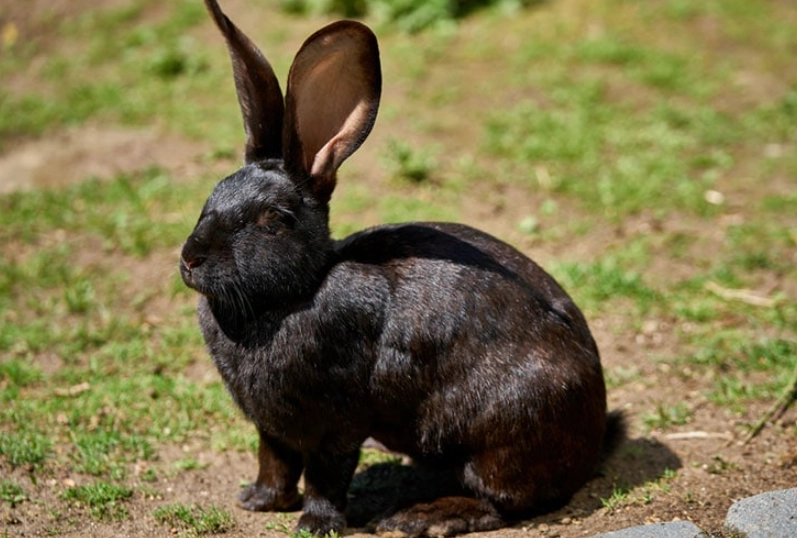
Who Should (and Shouldn't) Get a Flemish Giant
Based on all this, let's profile the ideal and the unsuitable owner.
The Ideal Owner: Someone with a spacious home (house or large apartment), a stable, generous budget for pet care, and a predictable schedule that allows for daily interaction. They should be a patient, experienced pet owner (not necessarily with rabbits, but with the responsibility of a large animal). They value a calm companion over a playful one and are committed for the animal's full life. They have also done their homework on rabbit-savvy vets in their area.
Think Twice (Probably Not a Good Fit): First-time pet owners, families with very young children (a startled kick can be serious), people in small living spaces, those with very tight budgets, individuals who travel frequently or work long hours, or anyone looking for a low-maintenance, caged pet. If you want an animal that will happily live in a hutch in the garage, this is 100% not the breed for you.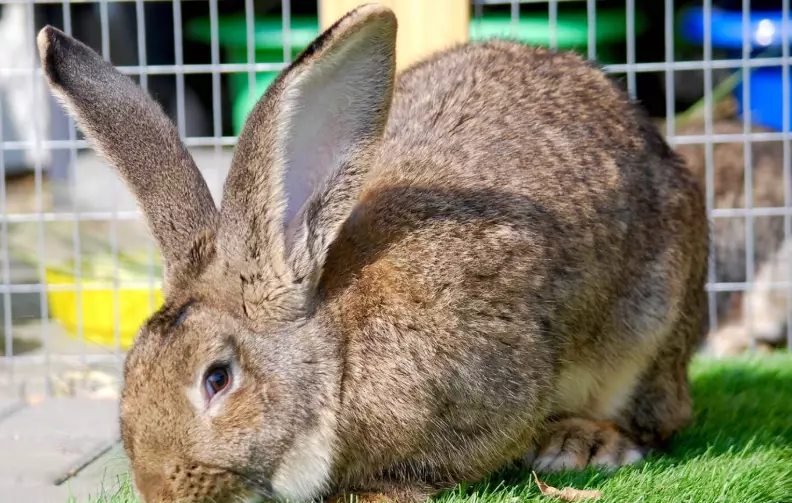
Honestly, if you're a first-time rabbit owner, I usually recommend starting with a medium-sized, well-socialized mixed breed from a rescue. Learn the ropes of rabbit care with a slightly less logistically challenging animal. Then, if you're hooked, consider a giant.
Your Decision Checklist: Before You Commit
If you're still reading and still interested, walk through this list. Be brutally honest with your answers.
- Space Audit: Have I measured and identified a specific, permanent area in my home that can dedicate at least 16-20 square feet minimum to an enclosure?
- Budget Check: Have I calculated the monthly costs (hay, pellets, litter, veggies) and am I comfortable with $80-$150+ per month? Do I have at least $500 in savings for an initial setup and emergency vet fund?
- Vet Verification: Have I called and confirmed that an exotic vet within a reasonable distance is experienced with and willing to treat giant breed rabbits? What are their exam fees?
- Source Research: Am I looking at ethical sources? AVOID pet stores. Seek out reputable, small-scale breeders who health-test and raise kits in-home with lots of handling, or—even better—check rabbit rescues. Giants sometimes end up in shelters when people are unprepared. The Petfinder website often has large rabbits for adoption.
- Lifestyle Fit: Does my daily routine (work, social life, other commitments) allow for 2+ hours of rabbit-related care and interaction each day, every day, for years?
- Household Consensus: Does everyone in my home agree to this? Are they prepared for the space, potential smell (clean litter daily!), and occasional destruction?
If you hesitated or answered "no" to any of these, it's a sign to pause. Seriously.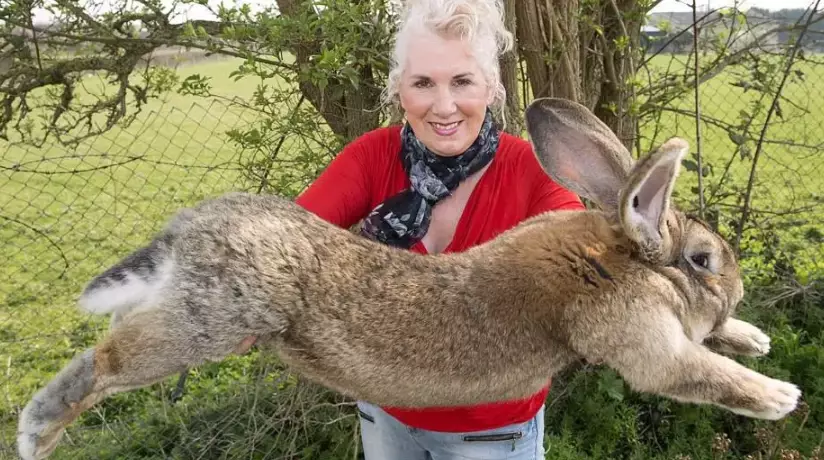
Common Questions (Stuff You're Probably Wondering)

Final Thoughts: My Personal Verdict
Look, I loved Barnaby. He was a wonderful, gentle soul who taught me more about patience and quiet companionship than I expected. When he passed, it left a giant-sized hole in my home and routine.
But would I get another Flemish Giant? Right now, with my current living situation, probably not. The space and financial commitment is something I'm not ready to take on again. That's the honest truth. They are incredible animals, but they are a specialized pet for a dedicated owner.
So, do Flemish Giant rabbits make good pets? They can be extraordinary pets for the right person—someone who goes in with eyes wide open, prepared for the scale of everything. For everyone else, they are a beautiful, heart-breaking mistake waiting to happen, often for the rabbit who ends up neglected or surrendered.
If after all this, you've assessed your life, your resources, and your heart, and you still say "yes, I can do this," then welcome. You're in for a uniquely rewarding experience. Start by researching rescues and ethical breeders, and get that vet on speed dial. Your gentle giant is waiting.
If you're on the fence, that's okay. It means you're thinking responsibly. Maybe visit a rabbit rescue, volunteer, or foster a smaller bunny first. The right pet for you is out there, whether it's a Flemish Giant or not.
Reader Comments