Quick Navigation
- The Gold Standard: Healthy Rabbit Poop Explained
- The Other Poop: Cecotropes (Night Feces)
- Rabbit Poop Chart: What's Normal and What's a Problem
- When Poop Goes Wrong: Decoding the Warning Signs
- The Big One: GI Stasis and Your Rabbit's Poop
- Your Rabbit Poop FAQ Answered
- Building a Poop-Healthy Routine for Your Bunny
- Final Thoughts: Becoming a Poop Pro
Let's be honest, most pet owners don't spend their days pondering poop. But if you have a rabbit, you quickly learn that those little droppings are a window into their health. Seriously, it's one of the most important things you can monitor. I remember when I first got my bunny, Clover, I had no idea what I was looking at. Were those clusters normal? Why were some shiny and soft? It was confusing.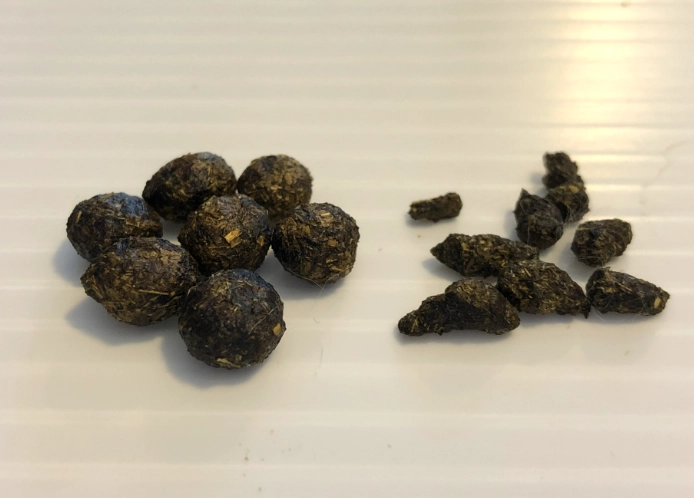
So, what does rabbit poop look like when everything is okay? And what should scare you? That's what we're going to dig into. Forget the clinical jargon—we're talking plain English and real observations from someone who's cleaned a lot of rabbit litter boxes.
Understanding your rabbit's droppings is non-negotiable for good care. Their digestive system is incredibly sensitive, and problems can escalate from zero to emergency in just hours. By the end of this, you'll be a poop detective, able to spot trouble long before your bunny shows any other signs of being sick.
Key Takeaway: For a healthy rabbit, the answer to "what does rabbit poop look like?" is simple: round, dry, uniform, and plentiful fecal pellets. Any major deviation is a clue that something's off.
The Gold Standard: Healthy Rabbit Poop Explained
When your bunny's gut is happy, its output is remarkably consistent. Here’s the breakdown of perfect poop.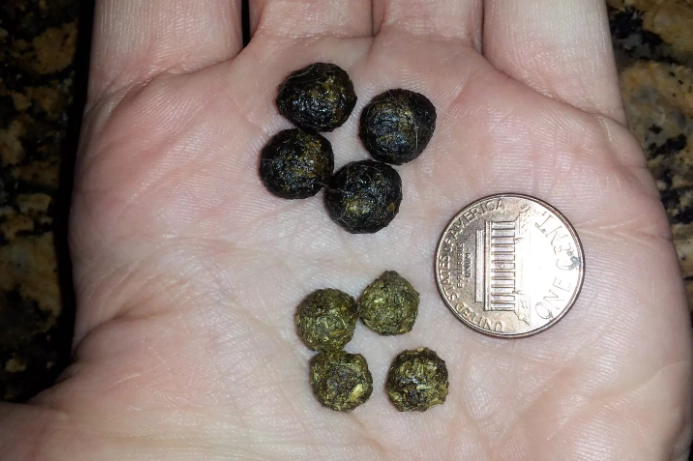
Size and Shape
Healthy fecal pellets are round, like peas or small marbles. They're uniform—each one looks pretty much like the last. Size depends on the rabbit. A Netherland Dwarf will produce smaller pellets than a Flemish Giant, obviously. But for your specific rabbit, they should be consistent in size day to day. If you suddenly notice the pellets are much smaller, it's a red flag we'll discuss later.
Color and Texture
Color is usually a medium to dark brown. Think the color of hay or whole wheat bread. It can vary slightly with diet—more greens might make it a tad darker. The texture is firm and dry. You should be able to roll them between your fingers, and they'll crumble with pressure, not squish. They shouldn't leave residue on your hands. They have a distinct, fibrous look, like compacted sawdust, which makes sense since their diet is mostly fiber.
You might see a slight sheen. That's normal. It's not the same as the wet, glossy coating of cecotropes (the other kind of poop), which we'll get to.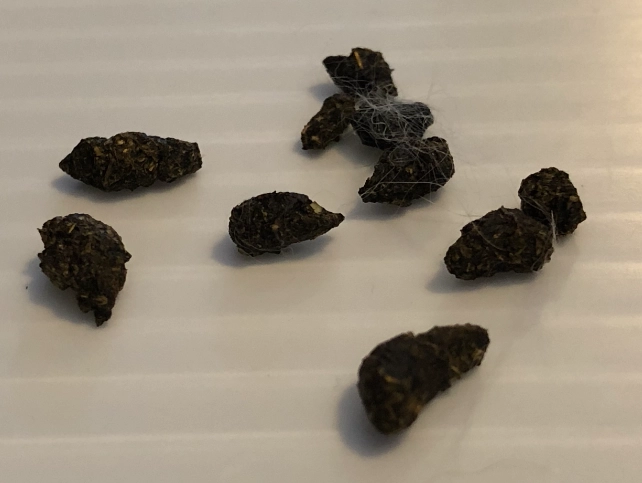
Quantity and Frequency
A healthy rabbit on a proper hay-based diet is a poop machine. They can produce hundreds of these dry pellets every day. If you clean the litter box in the morning and it's nearly empty again by evening, that's a good sign. A sudden drop in output is one of the earliest and most critical warnings of a problem, specifically gastrointestinal (GI) stasis.
So, to directly answer the search query "what does rabbit poop look like" in its ideal state: imagine a pile of dry, uniform, pea-sized, brown balls. That's the goal.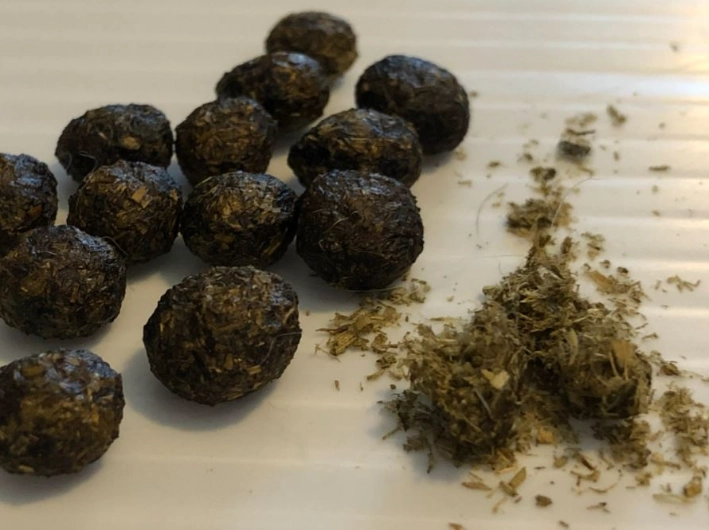
Pro Tip: Get familiar with your rabbit's normal. Take a mental picture. Knowing their personal baseline makes it infinitely easier to spot when something changes.
The Other Poop: Cecotropes (Night Feces)
This is where new rabbit owners really get confused. You might see these and panic, thinking it's diarrhea. It's not. This is a completely normal and VITAL part of rabbit digestion.
Cecotropes are nutrient-rich droppings produced in the cecum (a part of the gut). They're soft, shiny, clumped together like a tiny bunch of grapes or a blackberry, and have a strong, musky odor. Unlike the hard, dry fecal pellets, rabbits are supposed to eat these directly from their anus. It's called cecotrophy, and it's how they absorb essential vitamins (like B vitamins) and proteins.
You usually won't see them because bunnies consume them right away, often at night or during quiet periods. If you are seeing them stuck to your rabbit's fur or left in the litter box regularly, it's a sign of a problem. The rabbit isn't eating them, which means they're missing nutrients, and it creates a mess.
Common reasons for uneaten cecotropes include:
- A diet too rich in pellets, sugary treats, or carbohydrates.
- Obesity or arthritis making it hard for the rabbit to reach its bottom.
- An underlying health issue.
If you're constantly finding these sticky clusters, it's time to re-evaluate the diet, cutting back on pellets and upping the hay. A vet visit might also be needed to rule out pain or dental issues.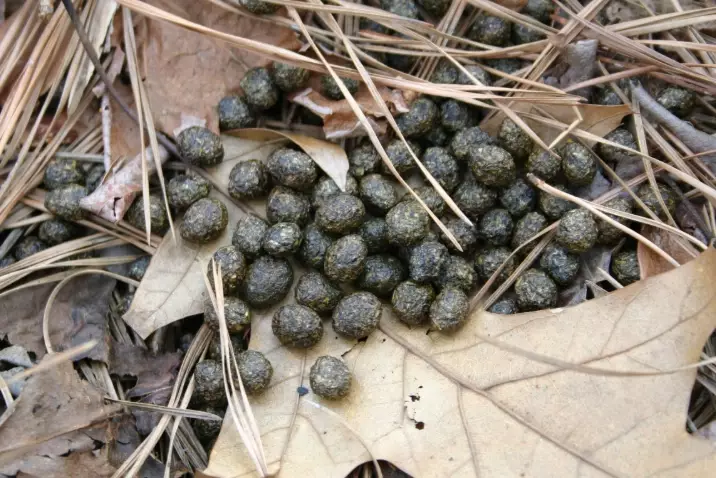
Rabbit Poop Chart: What's Normal and What's a Problem
Let's make this visual. Here’s a quick-reference table comparing different droppings. I find this helps more than paragraphs of description.
| Poop Type | What It Looks Like | What It Means | Action to Take |
|---|---|---|---|
| Normal Fecal Pellets | Round, dry, firm, uniform size/color (brown), fibrous, plentiful. | Healthy digestion. Ideal gut motility. | None. Keep up the good work with diet (unlimited hay). |
| Cecotropes (Eaten) | Soft, shiny, clustered like grapes, smelly. Rarely seen. | Normal, healthy nutrient recycling. | None. This is a good, private process. |
| Uneaten Cecotropes | Soft, sticky clusters left in habitat or stuck to fur. | Diet imbalance (too rich), potential pain, or obesity. | Reduce pellets/treats, increase hay. Check for sore hocks or mobility issues. Consider vet. |
| Small, Hard, Misshapen Pellets | Smaller than usual, irregular shapes, sometimes pointed ends. | Early warning of GI slowdown or dehydration. Often called "string of pearls" if connected by fur. | URGENT. Encourage hay eating, hydration, movement. Monitor closely. Vet if no improvement in 2-4 hours or if rabbit stops eating. |
| Mucousy Poop | Pellets or soft stool covered in clear or cloudy mucus. | Gut inflammation, infection, or parasite burden. | Requires a veterinarian. Collect a sample for testing. |
| True Diarrhea | Watery, formless, liquid stool. No solid shape. | Serious illness, severe infection, toxin ingestion, or major dietary indiscretion. | EMERGENCY. This is life-threatening for rabbits. Seek immediate veterinary care. |
| Poop with Foreign Material | Pellets strung together by hair (normal during heavy shedding) or containing bits of ingested carpet/fabric. | Excessive grooming or pica (eating non-food items due to boredom/diet deficiency). | Increase brushing during shedding. Rabbit-proof home, provide more enrichment, ensure diet is sufficient. |
See? That table clarifies a lot. The ones in red are your big alarms.
When Poop Goes Wrong: Decoding the Warning Signs
Now let's get into the nitty-gritty of the bad stuff. Because knowing what abnormal rabbit poop looks like is even more important.
Small, Hard, or Misshapen Pellets
This is arguably the most common and critical sign to catch early. The pellets are noticeably smaller, sometimes deformed, and may feel harder or drier. They might be pointed or irregular. You might also see them strung together by fur, like a morbid necklace—this is often called a "string of pearls."
What does this rabbit poop look like telling you? The gut is slowing down. Dehydration, pain (from dental issues, gas, or other illness), stress, or a diet too low in fiber can cause this. This is the precursor to full-blown GI stasis, where the digestive tract stops moving. It's deadly.
My Experience: I once missed this sign with Clover. I saw the smaller poops but thought, "Eh, she's just having an off day." Big mistake. Twelve hours later, she was hunched in a corner, refusing food. It turned into a full GI stasis emergency and a very expensive, stressful vet visit. Now, small poops make me spring into action immediately.
Action? Immediately encourage hay consumption. Offer fresh herbs like cilantro or parsley. Gently massage their belly. Ensure they're drinking. If there are no poops at all for 8-10 hours, or the rabbit stops eating, it's a direct ticket to the vet. Don't wait.
Diarrhea and Mucousy Stool
True, watery diarrhea is rare in adult rabbits and is a severe emergency. It causes rapid dehydration and electrolyte loss. More common is unformed, soft cecotropes smeared everywhere, which is a dietary issue. Then there's mucousy stool—poop covered in a jelly-like substance. This indicates significant inflammation or irritation in the intestines, possibly from parasites like coccidia, bacteria, or other disease.
Any time you see mucus or pure liquid, call your vet. They'll need a fresh sample to diagnose the cause.
Changes in Color
While brown is the norm, color shifts can happen. Very pale or chalky poop can indicate too much calcium in the diet (common with alfalfa hay fed to adult rabbits). Greenish poop might mean they've eaten a huge amount of fresh greens. Black, tarry stool is a sign of internal bleeding in the upper GI tract and is an emergency. Red streaks suggest bleeding lower down, possibly from straining or an anal issue.
Most color changes are diet-related, but sudden, dramatic shifts, especially toward black or red, need vet attention.
The Big One: GI Stasis and Your Rabbit's Poop
GI stasis isn't a specific disease but a life-threatening symptom. The gut muscles stop contracting, everything backs up, gas builds up painfully, and the rabbit stops eating and pooping. It's a vicious cycle.
The poop trail to stasis is clear:
1. Poop output slows. Pellets get smaller and fewer.
2. Poops may become misshapen.
3. Pooping stops entirely.
Concurrently, the rabbit will become lethargic, hunched (a sign of pain), and will refuse favorite treats. They may grind their teeth in pain. This is when hours count. You cannot "wait and see" with stasis. A rabbit's health can crash frighteningly fast.
Treatment involves vet-prescribed pain relief (crucial, as pain causes more stasis), gut motility drugs, fluids, and syringe-feeding critical care formula. Prevention is always better: unlimited grass hay, limited pellets, plenty of water, exercise, and regular grooming to prevent hair ingestion.
For in-depth, veterinary-backed information on recognizing and preventing GI stasis, the House Rabbit Society has an excellent resource that aligns with everything discussed here. It's a trusted site I've used for years.
Your Rabbit Poop FAQ Answered
Here are the questions I get asked all the time, the ones people are secretly searching for.
Is it normal for my rabbit to eat its poop?
Yes! But only the cecotropes (the soft, smelly clusters). They are not eating the hard, round fecal pellets. Eating cecotropes is essential for their health. If you see them doing this, don't stop them. It's like a nutritional supplement straight from the source.
How often should a rabbit poop?
Constantly. They are grazers, and their gut should always be moving. You should see a steady production of new dry pellets throughout the day. A complete cessation is a dire emergency.
My rabbit's poop is strung together with hair. Is this bad?
It's common, especially during heavy shedding seasons. It means they're ingesting a lot of fur while grooming. It becomes a problem if the fur causes a blockage. To help, brush your rabbit daily during sheds to remove loose fur before they can eat it. Ensure they have unlimited hay, as the fiber helps move any ingested fur through the system. If the "strings" are very frequent or the poops attached to them are tiny, increase grooming and monitor closely.
What should I do if my rabbit stops pooping?
This is a veterinary emergency. Do not delay. While you contact the vet, you can try to encourage gut movement: gently massage their belly in a downward motion, make sure they are warm (stress and pain can lower body temperature), and try to offer very wet fresh herbs or a bit of banana (sugar can sometimes stimulate appetite). But your primary job is to get professional help. Time is critical.
Can diet change the look of rabbit poop?
Absolutely. Introducing new vegetables too quickly can cause soft stools. Too many sugary treats (fruit, carrots) can disrupt cecotrope production, leading to uneaten clusters. A diet based on unlimited timothy hay (or other grass hay) is the foundation for perfect poop. The PDSA offers a great, simple breakdown of a balanced rabbit diet that supports healthy digestion.
Building a Poop-Healthy Routine for Your Bunny
It's not just about reacting to problems; it's about creating an environment where problems are less likely to happen.
Diet is King (Queen?): 80-90% of your rabbit's diet should be grass hay. Timothy, orchard, oat, meadow hay—just make it unlimited and fresh. This provides the necessary fiber for gut motility and tooth wear. Pellets should be a small supplement (1/4 cup per 5 lbs of body weight is a common guideline), not the main event. Fresh greens daily, treats sparingly.
Hydration: Always have fresh water available. Some rabbits prefer bowls, some bottles. Offer both and see. Wet leafy greens also contribute to fluid intake.
Exercise and Enrichment: A bored, sedentary rabbit is more prone to gut issues. They need space to run, jump, and explore. This physical activity helps keep their insides moving.
The Daily Poop Check: Make it a habit. When you refresh their hay or tidy the litter box, take a 10-second look. Is the volume normal? Are they round and brown? Any strange shapes or sizes? This daily glance is your most powerful health monitoring tool.
It sounds simple, but consistency here prevents most issues.
Final Thoughts: Becoming a Poop Pro
So, what does rabbit poop look like? It looks like information. It's a daily, tangible report card on your bunny's internal health. Learning to read it might feel odd at first, but it's one of the most caring things you can do as a rabbit owner.
Don't get paranoid about every single pellet. Variations happen. But you now know the major warning signs: a significant reduction in size or number, complete stoppage, mucus, or diarrhea. You know the difference between healthy fecal pellets and vital cecotropes. You understand the link between unlimited hay and perfect poop.
When in doubt, always err on the side of caution and consult a rabbit-savvy veterinarian. Rabbits are masters at hiding illness until they are very sick. Their poop often tells the truth long before they act sick.
Stick with the basics—hay, water, exercise, love, and a watchful eye on the litter box—and you'll give your rabbit the best chance at a long, healthy, and poop-filled life.
And yes, you will now forever be known as the person who knows a suspicious amount about rabbit droppings. Welcome to the club.
Reader Comments