Quick Guide
- The Golden Rule: Their Natural Diet is King
- Safe Foods List: What You *Can* Offer
- The Danger Zone: Foods to Absolutely Avoid
- How to Feed (If You Decide To): The Right Way
- A Quick-Reference Food Table
- Beyond Food: Creating a Rabbit-Friendly Habitat
- Answering Your Questions (The FAQ Section)
- Wrapping It Up: A Balanced Perspective
So you've got wild rabbits hopping around your yard, and that little part of you wants to put something out for them. I get it. They look cute munching on your clover, and the idea of helping them through a dry spell or a harsh winter feels good. But here's the thing I learned the hard way: figuring out what to feed wild rabbits isn't as simple as tossing out leftover salad. Get it wrong, and you can do more harm than good. Seriously, I once saw a neighbor proudly putting out stale bread crusts, thinking she was being kind. That's a big no-no, and I'll tell you why in a bit.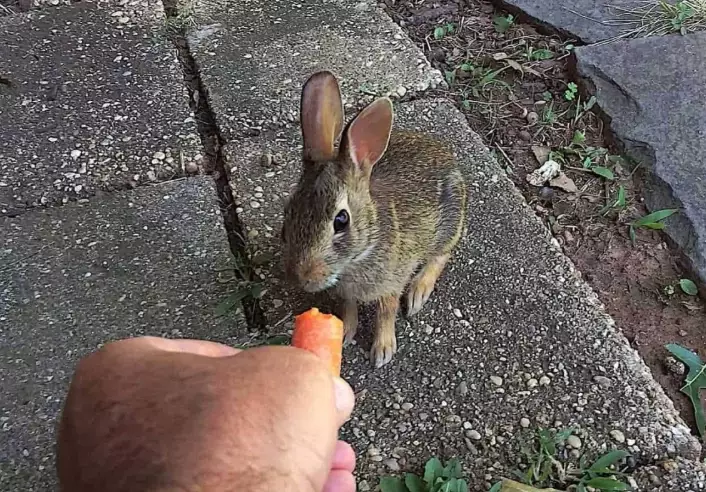
This guide isn't about turning you into a full-time wildlife rehabber. It's for the person who cares, who wants to help occasionally without disrupting nature's delicate balance or, worse, making the rabbits sick. We'll cut through the myths and get straight to what works, what doesn't, and why the best answer to what can wild rabbits eat is often found growing right under their feet.
The Golden Rule: Their Natural Diet is King
Before we list a single food item, this is the most important point. Wild rabbits, like cottontails, have digestive systems fine-tuned over millennia for a very specific diet. It's high in fiber, relatively low in sugar and fat, and requires them to constantly graze. Their gut bacteria are a delicate ecosystem. When you suddenly introduce foods that system isn't built for, you can cause gastrointestinal stasis—a fancy term for a gut shutdown that can be fatal. It's a quiet, horrible way for a rabbit to die.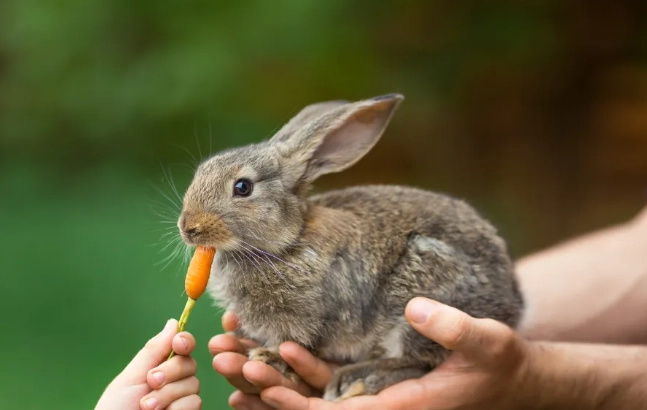
So, the primary answer to what to feed wild rabbits is simple: support their access to their natural foods. In spring and summer, that's an abundance of grasses (timothy, orchard, brome), clover, wildflowers, and broad-leafed weeds like dandelion greens and plantain. In winter, they switch to woody plant matter: twigs, buds, and the bark of trees like maple, birch, and oak.
If your yard is a manicured, chemical-free lawn with some clover patches, you're already providing a decent buffet. Sometimes, the best thing you can do is nothing at all.
Safe Foods List: What You *Can* Offer
Okay, there are times when you might want to offer a supplemental snack. Maybe a late frost killed the new growth, or you have an injured-looking rabbit hanging around (note: if it's truly injured, call a wildlife rehabilitator). If you must feed, stick to items that closely mimic their natural forage.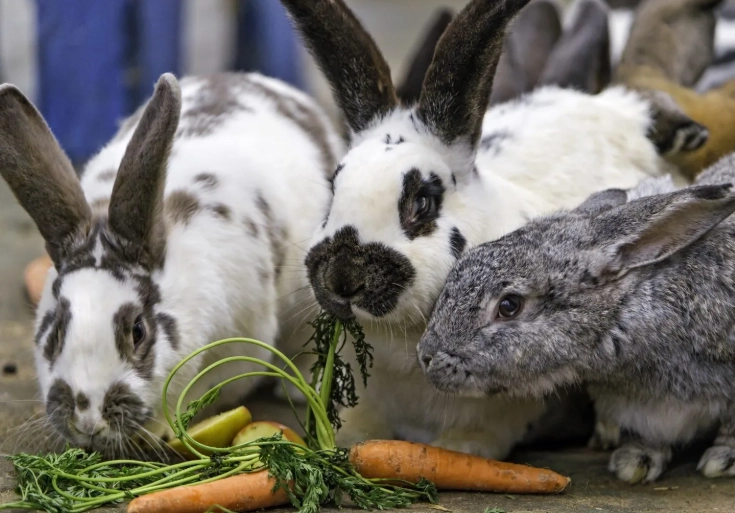
Think dark, leafy greens and herbs. These should be fresh, washed, and given in very small quantities—think a small handful per rabbit, not a whole bowl.
- Leafy Greens: Romaine lettuce, green leaf or red leaf lettuce (avoid iceberg—it's mostly water and has little nutritional value). Kale, but only in tiny amounts as it's high in calcium.
- Herbs: Parsley, cilantro, mint, basil, dill. These are aromatic and usually a hit.
- Garden Tops: Carrot tops and beet greens are excellent. Funny, right? The part we throw away is the healthy part for them.
- Other Safe Veggies: Bell peppers (any color), zucchini, Brussels sprouts. Introduce one at a time and in small pieces.
What about the classic rabbit food, carrots? Here's my take. An occasional thin slice or a small baby carrot as a rare treat is probably fine for a healthy wild rabbit. But carrots are high in sugar compared to greens. Making carrots a staple is like feeding a kid candy every day. It's not good for their teeth or their digestion. So if you're wondering what can wild rabbits eat from your kitchen, a bit of bell pepper is a far better choice than a carrot.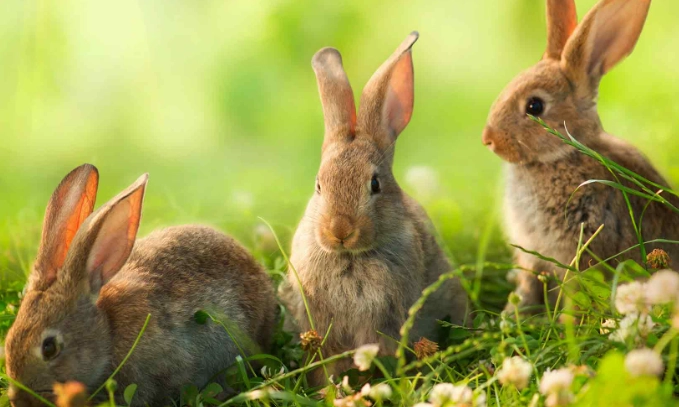
Hay: The Unsung Hero
If you want to provide one thing that is almost always beneficial, especially in winter or dry periods, it's grass hay. Timothy hay or orchard grass hay is perfect. You can buy it at any pet store. Scatter a small flake in a dry area. It provides the essential long-strand fiber their digestive systems crave and helps wear down their constantly growing teeth. It's the closest thing to a universal safe supplement when considering what to feed wild rabbits.
The Danger Zone: Foods to Absolutely Avoid
This list is critical. These foods can cause severe illness or death.
- Human Processed Foods: Bread, crackers, cookies, cereal, pasta. Their stomachs cannot process grains and sugars like this. It leads to fatal gut imbalances and painful bloating.
- Certain Fruits & Vegetables: Onions, leeks, garlic (highly toxic). Potatoes (especially green parts). Corn (the hull can cause a fatal blockage). Iceberg lettuce (can cause diarrhea).
- High-Sugar Fruits: Apples, bananas, berries, grapes. These should be considered extremely rare treats, if at all. A tiny piece of apple flesh (no seeds) once in a blue moon is the max. Sugar causes bacterial overgrowth in their cecum.
- Meat or Dairy: They are strict herbivores. This one seems obvious, but you'd be surprised.
- Houseplants or Garden Plants: Many common ones are poisonous. This includes rhubarb leaves, tomato leaves, ivy, foxglove, and azalea. The ASPCA's poison control page, while focused on pets, has a great searchable database that highlights toxic plants to avoid.
I know people who swear they've fed rabbits bread for years "and they're fine." Maybe they got lucky, or maybe they didn't see the rabbit that wandered off and died painfully later. It's not worth the risk. Feeding the wrong thing is often an act of kindness that backfires tragically.
How to Feed (If You Decide To): The Right Way
Let's say you've decided to put out some romaine lettuce and a bit of hay. How you do it matters almost as much as what you do.
Location: Place food near natural cover like bushes or a brush pile, not in the wide-open middle of your lawn. Rabbits are prey animals and feel vulnerable eating in the open.
Quantity: Less is more. Put out a small amount that will be eaten within a few hours. Leaving piles of food overnight attracts raccoons, rats, and other nocturnal visitors you might not want.
Cleanliness: Remove any uneaten fresh food the next day before it molds. A moldy piece of vegetable can kill a rabbit.
Water: A shallow, heavy dish of clean water can be a lifesaver during a drought. Change it daily to prevent mosquito breeding. This is often more helpful than food.
The goal is to provide a temporary supplement, not create dependency. A wild rabbit that waits by your door for food has lost its natural foraging instinct, which makes it vulnerable.
A Quick-Reference Food Table
Here's a simple table to summarize the do's and don'ts when deciding what to feed wild rabbits.
| Food Item | Category | Frequency & Notes |
|---|---|---|
| Timothy/Orchard Grass Hay | Excellent | Unlimited. The safest supplement year-round. |
| Dark Leafy Lettuce (Romaine, Green/Red Leaf) | Very Good | Small handful, a few times a week. |
| Fresh Herbs (Parsley, Cilantro, Mint) | Very Good | Small sprigs, occasional treat. |
| Carrot Tops / Beet Greens | Very Good | Small amount, excellent choice. |
| Bell Peppers | Good | Thin slice, remove seeds, occasional. |
| Carrot (flesh) | Caution | Tiny piece only, very rare treat. High sugar. |
| Apple (flesh, no seeds) | Caution | Tiny piece, extremely rare. High sugar. |
| Bread, Crackers, Cereal | Dangerous | Never. Causes fatal digestive issues. |
| Onions, Garlic, Leeks | Toxic | Never. Causes blood cell damage. |
| Iceberg Lettuce | Avoid | Can cause diarrhea, no nutritional value. |
Beyond Food: Creating a Rabbit-Friendly Habitat
Honestly, this is where you can make the biggest positive impact. Instead of worrying about what to feed wild rabbits, focus on making your yard a place where they can find their own perfect food, safely.
- Go Organic: Avoid pesticides and herbicides. Rabbits eat the plants you spray.
- Leave a "Wild Corner": Let a section of your lawn grow longer with clover, dandelions, and grasses. It's a rabbit paradise.
- Provide Shelter: A simple brush pile of fallen branches offers protection from predators and the elements.
- Plant Native: Consider planting native shrubs and plants that provide natural forage. The National Wildlife Federation's Garden for Wildlife program has fantastic, region-specific guides on creating habitats.
A habitat like this supports not just rabbits, but birds, insects, and the whole local ecosystem. It's a more effective and hands-off way to help.
Answering Your Questions (The FAQ Section)
Can wild rabbits eat rabbit pellets from the pet store?
I wouldn't. Commercial pellets are formulated for domestic rabbits with specific life stages and activity levels. The protein and calorie content can be wrong for a wild rabbit and may discourage them from eating the fibrous hay they truly need. Stick to hay and greens.
What about baby wild rabbits?
If you find a nest of baby bunnies (they look like little furballs in a shallow depression), the best thing is to leave them alone. The mother only visits at dawn and dusk to feed. If you are certain the mother is dead (e.g., you saw it happen), do not try to feed them yourself. Their needs are incredibly specific. Contact a licensed wildlife rehabilitator immediately. The Humane Society has a guide on finding one.
Is it okay to feed them in winter?
This is a common concern. Wild rabbits are adapted to winter. Their diet shifts to bark and buds. Supplemental hay is the absolute best thing you can offer in winter if you're concerned. It provides the necessary fiber without disrupting their system. Never give high-carb foods like corn or bread in winter, as the myth that they "need the calories" is dangerous.
Will feeding them make them tame or dependent?
It can, especially if you feed them consistently in the same spot. They may lose their natural wariness, which is a problem around pets or cars. It can also concentrate rabbits in one area, increasing the spread of disease and attracting predators to your yard. Occasional, minimal feeding is key.
What if a rabbit eats something toxic from my garden?
Signs of poisoning can include lethargy, loss of balance, seizures, or difficulty breathing. Again, your only course of action is to contact a wildlife rehabilitator or vet immediately. Prevention—knowing what plants are in your garden—is crucial. The USDA's website and various state agricultural extensions have resources on poisonous plants common in different regions.
Wrapping It Up: A Balanced Perspective
Look, I love watching the rabbits in my yard. There's a peace to it. After all this research and talking to experts, my personal philosophy has shifted. I rarely put out specific food anymore. Instead, I keep a chemical-free yard with a messy edge, I have a shallow birdbath (which they use more than the birds some days!), and in the dead of winter, I might scatter a bit of timothy hay under the evergreen shrubs.
The core of understanding what to feed wild rabbits is respecting their wildness. Their system is a perfect machine for the diet evolution designed. Our job isn't to redesign the menu, but to protect their access to it. Sometimes that means putting out a safe supplement in a pinch. More often, it means stepping back and letting nature handle the catering.
If you take one thing from this, let it be this: when in doubt, grass hay is safe. When in serious doubt, providing clean water and a safe habitat is the greatest gift. And if you see a rabbit in trouble, call a pro. That's the most responsible and kindest way to channel that urge to help our wild neighbors.
Reader Comments