Quick Navigation
Let's be honest. There's nothing quite as frustrating as spending a weekend planting tender lettuce, fragrant herbs, and colorful flowers, only to wake up and find them nibbled down to stubs. You look out the window and see the culprit—a fluffy-tailed rabbit, looking utterly innocent as it feasts on your hard work. If you're nodding your head right now, you're not alone. Figuring out how to keep rabbits out of yard spaces is a battle countless gardeners and homeowners face every season.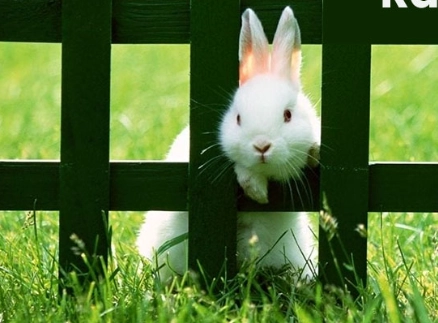
I've been there. My first vegetable garden looked like it had been visited by a tiny, furry lawnmower. It's enough to make you want to throw in the trowel. But after years of trial, error, and research (and more than a few failed experiments), I've learned that winning this war isn't about one magic trick. It's about understanding your opponent and using a smart, layered defense. This guide is all about those proven strategies, from quick fixes to long-term solutions that actually work.
The Core Idea: Rabbits are creatures of habit and opportunity. The most effective plan to keep rabbits out of your yard doesn't just scare them once; it permanently removes the reasons they want to be there in the first place—food, shelter, and safety.
Why Are Rabbits in Your Yard? (Understanding the Enemy)
Before we jump into building fortresses and mixing repellents, it helps to know what you're dealing with. Rabbits aren't out to ruin your day; they're just following their instincts to survive. If your yard is attractive, they'll come. It's that simple.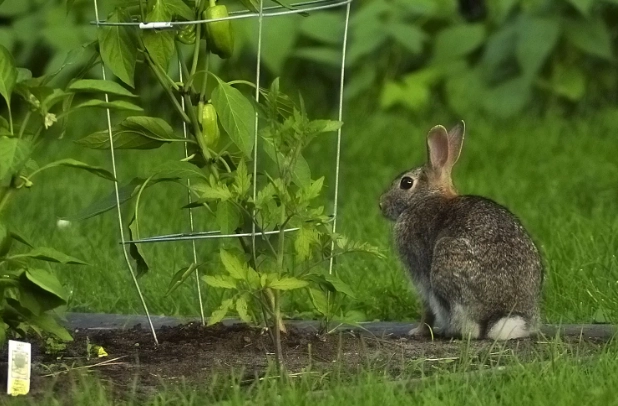
Their motivations boil down to three basic needs:
- Food Buffer: Your lawn is a salad bar. Clover, grass, dandelions, and those expensive garden center plants are all premium cuisine. They especially love young, tender shoots—think seedlings, pea shoots, and bean sprouts.
- Shelter and Nesting: Dense shrubbery, tall grass, brush piles, and the space under your deck or shed are perfect hiding spots from predators and the elements. A mother rabbit (doe) seeks out secluded, grassy areas to dig a shallow nest for her kits.
- Safety Corridors: Rabbits are prey animals. They feel safest when they can dart from one cover to another. A wide-open lawn is terrifying to them. They prefer yards with interconnected hiding places along fences or hedges.
So, when you're thinking about how to keep rabbits out of yard areas, you're really asking how to make your property less of a five-star rabbit resort. You need to address all these points.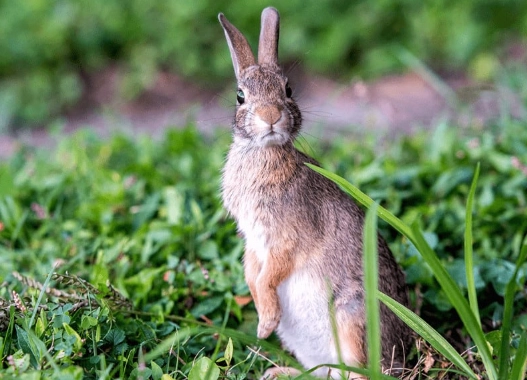
Your Arsenal: Methods to Keep Rabbits Out
No single method is foolproof. Rabbits are persistent and adaptable. The best approach is an integrated one, combining a few tactics. Think of it like home security: you have locks (barriers), motion lights (deterrents), and you avoid leaving valuables in plain sight (habitat modification).
Physical Barriers (The Most Reliable Solution)
If you want a guarantee, this is it. A physical barrier is the number one way to protect specific, high-value areas like a vegetable garden or a flower bed dedicated to rabbit favorites like pansies and snapdragons.
Fencing is King. But not just any fencing. Chicken wire or hardware cloth is your best friend. The key details most people miss:
- Height: At least 2 feet tall is standard, but athletic rabbits can jump higher. For serious protection, go for 3 feet.
- Mesh Size: 1-inch or smaller mesh. Baby rabbits (kits) can squeeze through incredibly small spaces.
- The Critical Underground Bury: This is the step everyone forgets, and it's why their fence fails. Rabbits are diggers. You must bury the bottom 6-10 inches of fencing outward, in an L-shape, or bend the bottom outward flat against the soil and secure it with landscape staples. This creates an underground apron they can't dig under.
For individual plants or young trees, cylinder guards made of hardware cloth are perfect. Just make sure they're tall enough so a rabbit standing on snow in winter can't reach the tasty bark above it.
A Personal Mistake: I once installed a beautiful 2-foot fence around my garden but just staked it into the ground. Felt so proud. The next morning, a rabbit was inside, looking at me. It had simply dug a little trench under the edge. Burying that fence edge was a humbling but necessary re-do.
Here’s a quick comparison of barrier types: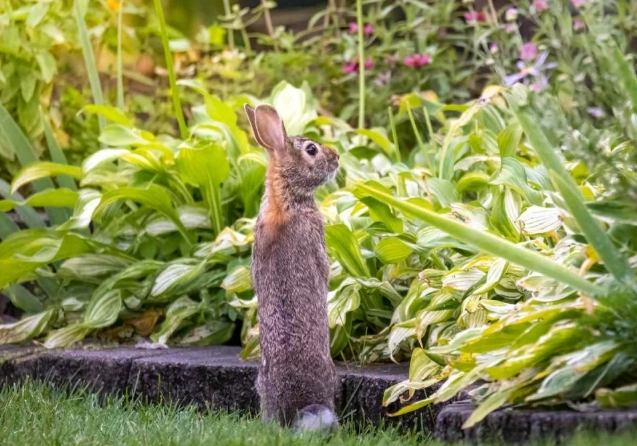
| Barrier Type | Best For | Pros | Cons |
|---|---|---|---|
| Hardware Cloth Fence (1") | Vegetable gardens, prized flower beds | Extremely effective, durable, keeps out babies | More expensive, less visually appealing |
| Chicken Wire Fence | Larger garden areas, perimeter defense | Less expensive, easy to work with | Can rust over time, may not stop tiny kits |
| Plastic Mesh/Netting | Temporary protection for seedlings | Cheap, easy to install and remove | Not durable, can entangle wildlife |
| Individual Plant Cages | Protecting shrubs, young trees, specific plants | Targeted, can be decorative (twig cages) | Labor-intensive for many plants |
Deterrents and Repellents (Changing Their Minds)
When fencing the entire yard isn't practical, deterrents can make rabbits think twice. Their effectiveness varies wildly, and they often need rotation and reapplication.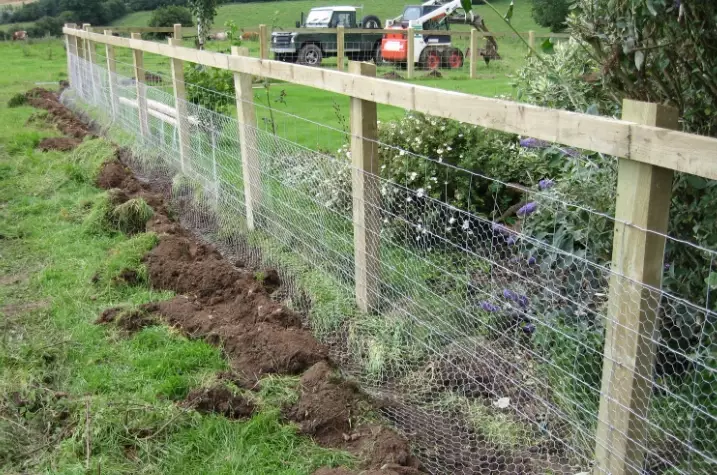
Commercial Repellents: These usually work by smell or taste. Common active ingredients include putrescent egg solids, capsaicin (hot pepper), or garlic. They can work well but have big caveats. Rain washes them off. You have to reapply religiously, especially after watering or a downpour. And rabbits may just get used to them. The University of Nebraska-Lincoln Extension has published useful findings on the relative efficacy of various repellent types, noting that persistence is the key to any repellent strategy.
Homemade & Natural Options: Many gardeners swear by sprinkling cayenne pepper, blood meal (a fertilizer that also smells like predation to rabbits), or human hair clippings around plants. I've had spotty success with these. The hair and blood meal need frequent refreshing. The pepper can irritate your eyes and nose when you're gardening, and a heavy rain renders it useless.
Scare Tactics & Motion-Activated Devices: This category is hit-or-miss. A scarecrow? A rabbit will figure it out in a day. Plastic owls? They're lawn decorations to a savvy bunny. The most effective are motion-activated sprinklers. These are brilliant. They detect movement and blast a sudden jet of water. It startles the rabbit, gets it wet (which they dislike), and creates a negative association with your yard. The downside is cost and that they can surprise you, your kids, or your dog too.
Ultrasonic devices that emit high-frequency sounds claim to repel pests. Reviews from real users are very mixed. Some see results; others see no change. Rabbits may habituate to the sound if they don't associate it with a real threat.
Habitat Modification (The Long-Term, Strategic Game)
This is the most sustainable way to learn how to keep rabbits out of yard spaces. You're not just blocking them; you're redesigning the invitation. It takes more effort upfront but pays off for years.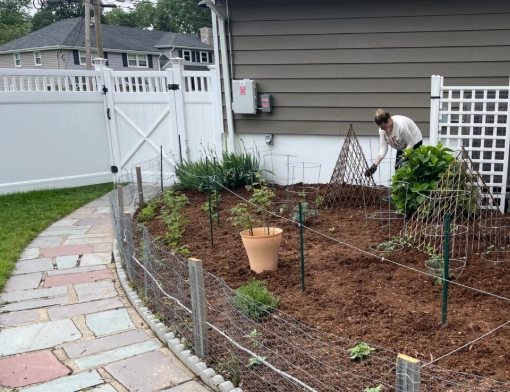
- Remove Shelter: Clear away brush piles, tall weeds, and debris where rabbits can hide. Keep grass mowed. Seal off gaps under sheds, decks, and porches with sturdy wire mesh buried into the ground.
- Eliminate Food Sources (Where Possible): This doesn't mean stripping your yard bare. It means being strategic. Consider planting a border of less-palatable plants that rabbits tend to avoid as a sacrificial buffer. They generally steer clear of plants with strong scents, thick or fuzzy leaves, or milky sap.
- Disrupt Travel Routes: If rabbits use a specific path along a fence, place obstructions like prickly branches (roses, holly trimmings) or a low, loose roll of chicken wire there. Make the commute inconvenient.
The Power of Natural Predators
You can't (and shouldn't) go out and get a coyote. But you can encourage their presence. A well-trained dog that spends time in the yard is one of the best rabbit deterrents in existence. The scent and sight of a canine predator will make rabbits extremely wary. Even the smell of dog hair or urine can be a signal. The same goes for cats, though their impact is more localized.
Attracting birds of prey can help too. Installing a tall perch pole can give hawks and owls a vantage point. They are natural rabbit predators. Remember, this is about creating an environment where rabbits feel exposed and unsafe, not about causing harm.
What Doesn't Work (And Saves You Time & Money)
Let's be real for a second. In my quest to learn how to keep rabbits out of yard spaces, I've wasted money on duds. You probably don't need to.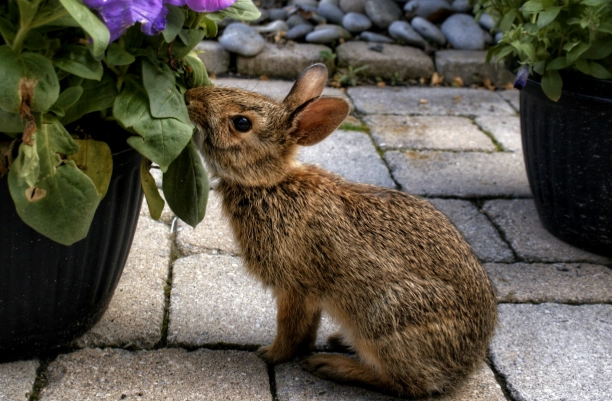
- Mothballs: Often suggested, but this is a bad idea. They are pesticides meant for enclosed spaces and are toxic to children, pets, and wildlife. They can pollute soil and water. Just don't.
- Irish Spring Soap: The old-timer's tale. The idea is that the strong scent repels them. Some people swear by it; in my experience, the rabbits didn't even notice it after a day or two. At best, it's a very short-term, mild scent mask that weathers away quickly.
- Ultrasonic Spikes (alone): As mentioned, the evidence is anecdotal at best. If you try one, pair it with other methods.
- Any single, set-it-and-forget-it solution: Rabbits are adaptive. If your solution is static, they will overcome it.
Planting a Rabbit-Resistant Landscape
This is a brilliant passive defense. While a starving rabbit will eat almost anything, they have clear dislikes. By favoring these plants, especially in vulnerable border areas, you reduce temptation.
Rabbit-Resistant Plants (A Partial List):
- Perennials: Lavender, Russian Sage, Catmint, Bleeding Heart, Foxglove, Peony, Iris, Daffodil (toxic to them).
- Annuals: Snapdragons (the fuzzy ones), Geraniums, Marigolds, Sweet Alyssum, Wax Begonias.
- Herbs: Rosemary, Thyme, Sage, Mint, Oregano, Lavender. Their strong scents are unappealing.
- Shrubs: Boxwood, Butterfly Bush, Barberry, Potentilla, Rose (beware the thorns!).
It's worth noting that "resistant" is not "proof." New, tender growth on any plant might get sampled. But established plants from this list are generally left alone. The Royal Horticultural Society (RHS) provides extensive lists of plants considered less palatable to rabbits, which is a great resource for planning a beautiful yet resilient garden.
Pro Tip: When planting new, susceptible plants, protect them with a cylinder of wire mesh for their first season until they become established and less tasty. It's like putting a helmet on a kid learning to ride a bike.
Answering Your Big Questions (FAQ)
For a specific, high-value area like a vegetable patch, a properly installed fence with a buried edge is the only method that comes close to 100% effectiveness. For the whole yard, a combination of habitat modification (removing shelter), consistent use of deterrents like motion sprinklers, and encouraging a dog's presence is your strongest bet.
They can, but think of them like sunscreen. They work for a while, but they wear off and need reapplication. Their success depends heavily on weather, the specific rabbit population, and how hungry they are. Never rely on them as your sole method.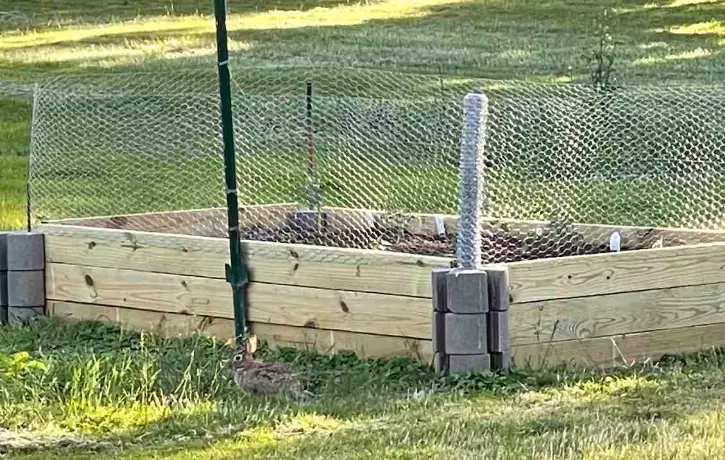
For about 48 hours, maybe. Rabbits are not that dumb. They quickly realize the plastic owl hasn't moved or eaten in days. It becomes part of the scenery. Motion-activated devices that create a real consequence (like a spray of water) are far more effective than static decoys.
Using humane methods like fencing, repellents, and habitat modification is not cruel. You are simply defending your property and redirecting the rabbits to natural forage areas. It's no different than locking your door to protect your home. The goal is coexistence, not extermination. Always avoid poisons or traps intended to kill, as they are inhumane and can harm pets and other wildlife.
Rabbits are crepuscular, meaning most active at dawn and dusk. This is when you'll see them feeding. It's also the best time to observe their patterns and entry points if you're planning your defense.
You'd be shocked. A full-sized cottontail can squeeze through a 4-inch gap. A baby rabbit (kit) can get through a hole barely larger than a quarter. This is why mesh size on fences matters so much.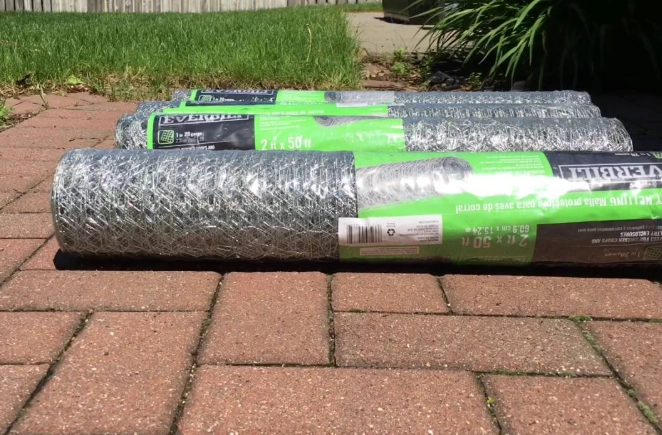
Putting It All Together: A Sample Action Plan
Feeling overwhelmed? Don't be. Here's how you might tackle this problem step-by-step, like I finally did.
- Assess & Observe: For a week, just watch. Where do you see them? Where are the damaged plants? Where might they be hiding or entering? Identify the core problem zones.
- Secure the Prize First: Immediately protect your most valuable plants (veggie garden, new shrubs) with physical barriers—fencing or individual cages. This stops the bleeding.
- Clean Up the Neighborhood: Spend a weekend removing obvious shelter: tall grass, brush piles, and block off access under structures with buried hardware cloth.
- Deploy Active Deterrents: In areas you can't fence, like ornamental beds, apply a commercial repellent or set up a motion-activated sprinkler. Be prepared to refresh or move it periodically.
- Think Long-Term: As you add new plants, choose rabbit-resistant varieties for non-fenced areas. Consider the long-term value of a well-trained yard dog.
- Be Patient and Persistent: Rabbits have lived in your area for generations. Changing their behavior takes consistent effort. Don't get discouraged if you see one after implementing your plan. It might be testing the new boundaries. Stay the course.
The journey to learn how to keep rabbits out of yard spaces is really a lesson in gardening itself. It requires observation, adaptation, and a bit of stubbornness. There's no instant fix, but there are definitive, effective solutions. Start with a strong physical barrier for what you can't afford to lose, then layer on the other strategies to make your entire property less appealing. You'll get your garden back. I promise.
Honestly, some years are worse than others. Rabbit populations boom and bust. But with these tools in your shed, you'll never feel helpless against the floppy-eared invaders again. You'll just have a well-defended, thriving garden that happens to be located in rabbit territory. And that's a win.
Reader Comments