Navigate This Guide
So you've got a rabbit, or you're thinking about buying one, and now you're staring at it wondering what on earth to do next. I get it. The first time I had to figure out how to cook rabbit, I was equal parts excited and completely lost. It's not chicken, that's for sure, but that's what makes it interesting. It's leaner, the flavor is a bit more... well, gamey (in a good way), and it requires a slightly different touch. But once you get the hang of it, you'll realize it's one of the most rewarding and delicious meats to work with.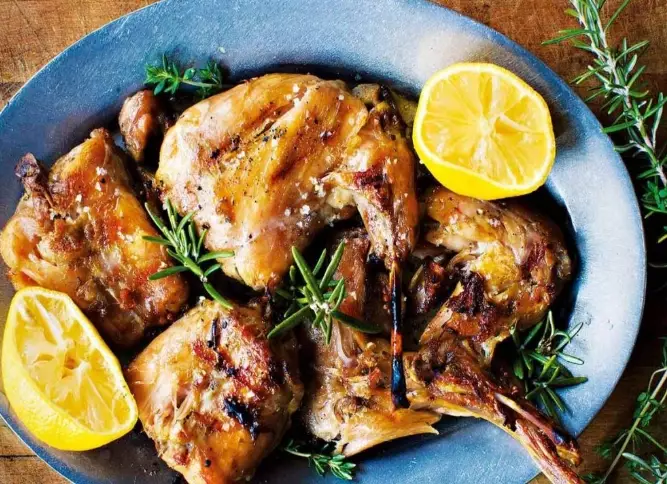
This isn't just another list of recipes. We're going to walk through the whole process together, from the moment you pick up the rabbit at the store or butcher to the moment you serve a perfectly cooked, fall-off-the-bone tender dish. I'll share the mistakes I made (and trust me, I made a few dry rabbits early on) so you don't have to. We'll cover the why and the how, not just the what.
Why Cook Rabbit Meat Anyway?
Before we dive into the knives and pots, let's talk about why you'd want to learn how to cook rabbit meat. It's not just for the adventurous eater.
First off, it's incredibly lean. We're talking significantly lower in fat and calories than chicken, beef, or pork. If you're watching your diet but tired of the same old chicken breast, rabbit is a fantastic alternative. It's also packed with high-quality protein and minerals like iron and phosphorus.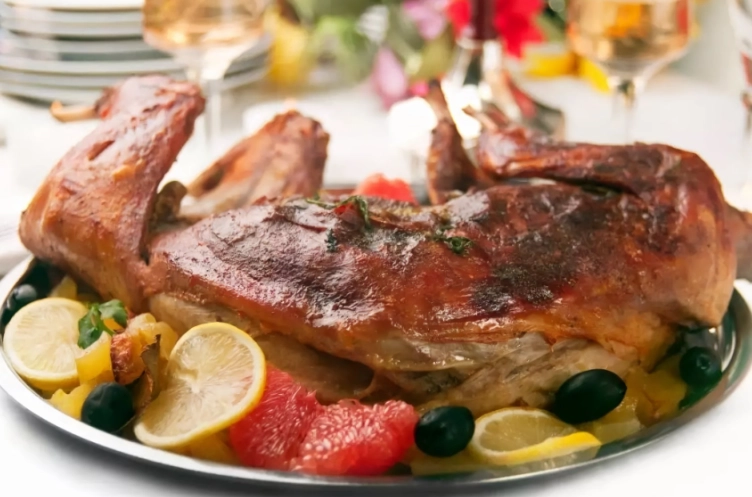
Then there's the flavor. Describing it as "like chicken" does it a disservice. It's milder than most game but has a distinct, slightly sweet, and earthy note that's all its own. It's a flavor that absorbs marinades and herbs beautifully but also stands up confidently on its own in a simple roast.
There's also the sustainability angle. Rabbits reproduce quickly and require far less feed and space than larger livestock. For the home cook interested in ethical and environmental eating, it's a compelling choice. Organizations like the National Geographic Society have highlighted the role of smaller, alternative livestock in future food systems.
But here's the catch. That leanness is a double-edged sword. It's why so many first attempts at cooking rabbit end in disappointment—dry, tough meat. The number one question I get is: "How do I keep it from drying out?" That's exactly what this guide is designed to solve.
Step One: Selecting and Preparing Your Rabbit
You can't cook a great dish without starting with the right foundation. This stage is more important with rabbit than with many other meats.
Buying Rabbit: What to Look For
Most home cooks will be buying farmed rabbit, which is more readily available and has a milder flavor than wild hare. You can typically find it a few ways:
- Whole, dressed: This is the most common. It's the entire rabbit, gutted and skinned, usually weighing 2.5 to 4 pounds. This is your best bet for learning how to cook rabbit because you can break it down yourself for different uses.
- Cut into pieces: Butchers often sell it pre-cut into standard serving pieces (legs, saddle/loin, front shoulders). This is a great time-saver.
- Frozen vs. Fresh: Frozen is perfectly fine, especially if it's vacuum-sealed. Just plan for adequate, slow thawing in the fridge (24+ hours). Fresh rabbit should have a clean, mild smell and flesh that's pale pink, not gray.
My personal go-to is a whole, fresh rabbit from a local farm or a reputable butcher. You get more control over the cuts, and you can use the bones for stock. Speaking of which, always ask for the bones if you're having it cut up! They make the most incredible, gelatin-rich stock.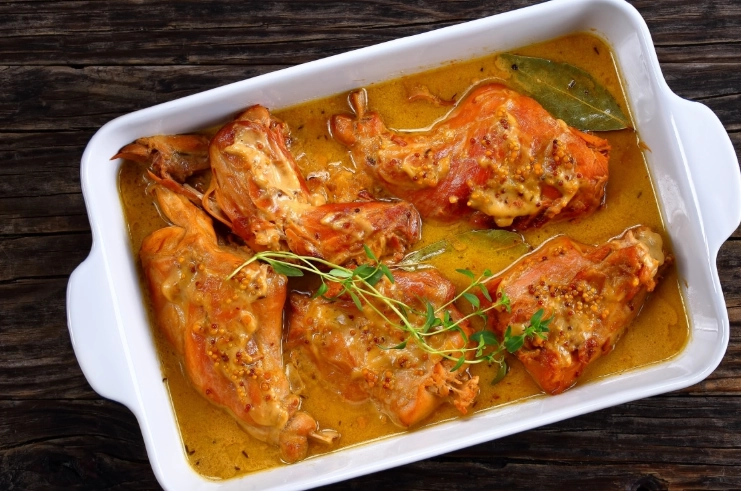
The Essential Prep: To Soak or Not to Soak?
Here's a point of contention among cooks. Some swear by soaking rabbit pieces in a brine or buttermilk bath for several hours or overnight. The theory is that it adds moisture and can temper any overly strong gamey flavors.
I've done it both ways. For a very simple roast, a quick brine (a couple tablespoons of salt dissolved in a quart of water) for 2-4 hours can help. For stews or braises where the meat will be cooking low and slow in plenty of liquid, I often skip it. The long cooking time takes care of tenderness. If you're short on time, patting the pieces very dry and seasoning them well is more important than a soak.
How to Break Down a Whole Rabbit
Don't be intimidated. Breaking down a rabbit is simpler than a chicken because the joints are very clear. You'll need a sharp, sturdy knife or a pair of kitchen shears.
- Remove the hind legs: Find the joint where the leg connects to the body. Bend it back, and you'll see the natural seam. Cut through that joint. Do the same for the other leg.
- Remove the front legs (shoulders): These are attached mainly by skin and a bit of tissue. They don't have a ball-and-socket joint like the hind legs. Just cut them away from the body, staying close to the rib cage.
- Separate the saddle from the rib cage: The saddle is the prized loin meat running along the back. Flip the remaining body over. You'll see where the rib cage ends. Cut straight across the spine to separate the saddle (the long, meaty back section) from the thinner rib section.
- Divide the saddle: You can leave the saddle whole for roasting or cut it crosswise into 2-3 smaller pieces for stews.
Now you have your pieces. And you understand why knowing how to prepare rabbit meat properly sets the stage for everything that follows.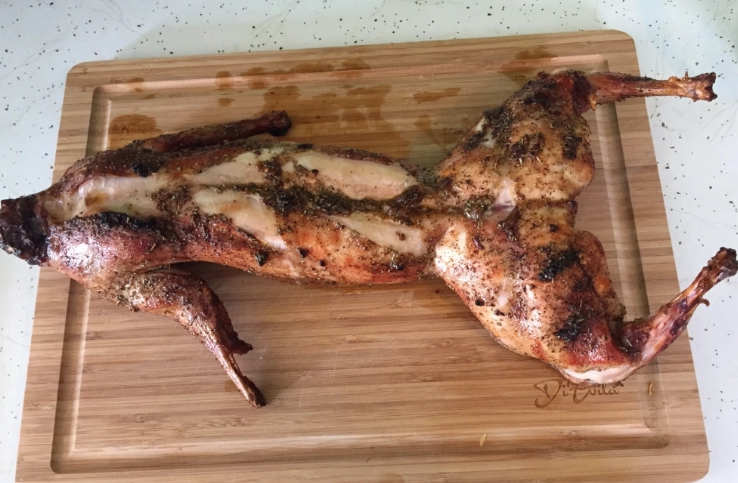
Understanding the Cuts: A Rabbit Butcher's Guide
Not all parts of the rabbit cook at the same rate or are suited for the same methods. Treating them appropriately is the secret to a perfect dish.
| Cut of Rabbit | Characteristics | Best Cooking Methods | My Go-To Use |
|---|---|---|---|
| Hind Legs | Dark meat, lots of connective tissue, tough if rushed. | Braising, stewing, slow-roasting, confit. | Classic Coq au Vin-style stew. They become incredibly tender and flavorful with long, moist cooking. |
| Front Legs (Shoulders) | Less meat, more sinew. Flavorful but can be tricky. | Braising, stewing, grinding for sausage/ragu. | I often add them to the stew pot with the hind legs. If I'm making a pasta sauce, I'll braise them, shred the meat, and mix it in. |
| Saddle/Loin | The premium cut. Tender, lean, quick-cooking. | Quick roasting, pan-searing, grilling. | Pan-seared with herbs and butter, served medium-rare to medium. It's a treat you don't want to overcook. |
| Rib Section | Bony, with little meat clinging to it. | Stock, soup base. | Straight into the stockpot with some onions, carrots, and herbs. Don't try to serve this as a piece—it's for flavoring liquid. |
| Whole Rabbit (cut up) | A mix of all textures. | Fricassee, pie filling, large braises. | A hearty rabbit fricassee with mushrooms and pearl onions, using all the pieces for a complete meal. |
See how that works? You wouldn't slow-braise the tender saddle for hours, and you wouldn't try to quickly pan-sear the tough hind legs. Matching the cut to the method is 80% of the battle when learning how to cook rabbit successfully.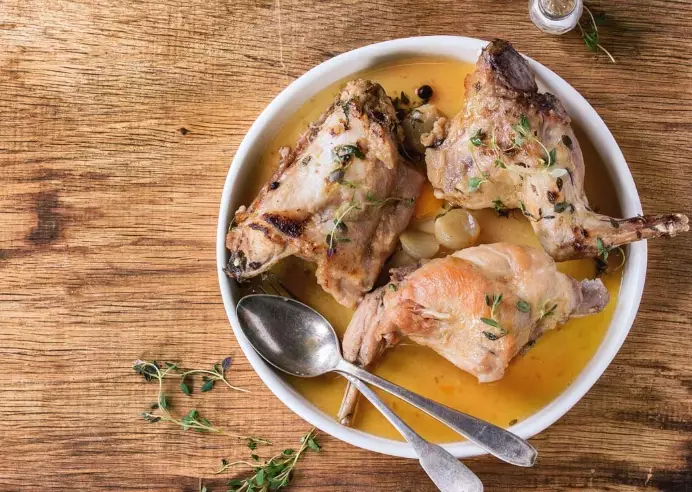
Mastering the Core Cooking Methods
Now for the fun part. Let's get into the actual cooking. I'll outline the three most reliable and delicious ways to cook rabbit, with specific instructions for each.
Method 1: Braising and Stewing (The Foolproof Favorite)
This is, hands down, the best way for a beginner to guarantee a great result. Moist heat over a long time melts the connective tissue in the tougher legs and shoulders, transforming them into spoon-tender goodness.
The Basic Principle: Brown the rabbit pieces well, then let them simmer gently in a flavorful liquid (wine, stock, tomatoes) until tender.
- Brown: Pat 1 rabbit (cut into pieces) dry. Season heavily with salt and pepper. In a heavy Dutch oven, heat oil and brown the pieces in batches until golden on all sides. Don't crowd the pan! This step is non-negotiable for flavor. Remove and set aside.
- Build the Base: In the same pot, cook a diced onion, a couple of chopped carrots, and two chopped celery stalks until soft. Add a few cloves of minced garlic for the last minute.
- Deglaze: Pour in about a cup of dry white wine or red wine (or a mix of stock and a splash of vinegar). Scrape up all the delicious browned bits from the bottom.
- Braise: Return the rabbit to the pot. Add enough chicken or rabbit stock to come about 2/3 up the sides of the meat. Throw in a bundle of fresh herbs (thyme, rosemary, bay leaf). Bring to a very gentle simmer.
- Cook Low and Slow: Cover and place in a preheated 325°F (160°C) oven, or keep it on the stovetop at the barest simmer. Cook for 1.5 to 2 hours, until the meat on the legs is fork-tender and wants to fall off the bone.
- Finish: Remove the rabbit pieces. If the sauce is too thin, reduce it on the stovetop until it coats the back of a spoon. You can stir in a spoonful of Dijon mustard or a splash of cream for richness. Return the meat to the sauce to warm through.
That's the blueprint. You can go French with mustard and tarragon, Italian with tomatoes, rosemary, and olives, or Spanish with paprika and sherry. The method stays the same.
Method 2: Roasting (For a Show-Stopping Centerpiece)
Roasting a whole or half rabbit is beautiful and seems simple, but it's trickier because of the leanness. The goal is a crisp, golden skin and juicy meat. The trick? Barding. This means covering the lean meat with a layer of fat.
How to Roast Rabbit Without Drying It Out:
- Brine or Dry-Brine: For roasting, I almost always brine the rabbit overnight. It gives you a bigger safety net against dryness.
- Bard It: Lay strips of bacon or pancetta over the back (saddle) of the rabbit, or drape thin slices of pork fat (caul fat, if you can find it) over the whole thing. You can also rub it generously with softened butter or olive oil mixed with herbs.
- Roast on High, then Low: Start with a blast of high heat (425°F / 220°C) for 15-20 minutes to crisp the skin/fat. Then, lower the temperature to 350°F (175°C) and roast until the internal temperature at the thickest part of the thigh reaches 160°F (71°C). For a 3-pound rabbit, total time is usually 45-60 minutes.
- Rest: This is critical. Tent it with foil and let it rest for 10-15 minutes before carving. The juices will redistribute.
Roasted rabbit pairs wonderfully with root vegetables roasted in the same pan, which soak up all the delicious juices.
Method 3: Pan-Searing and Sautéing (For the Tender Cuts)
This is how you cook the prized saddle or loin. It's a quick, high-heat method. The goal is a beautiful crust and a pink, juicy interior. Think of it like cooking a nice steak or duck breast.
Quick Sautéed Rabbit Loin:
- Remove the loin/saddle from the bone if needed (or ask your butcher to do it). Keep it whole or cut into medallions.
- Season liberally with salt and pepper.
- Heat a neutral oil (like grapeseed) in a heavy skillet until very hot but not smoking.
- Add the rabbit. For a whole saddle, cook for 3-4 minutes per side. For medallions, 1.5-2 minutes per side. You're aiming for a deep golden-brown crust and an internal temperature of 145-150°F (63-65°C) for medium.
- Remove the meat to a plate. In the same pan, add a knob of butter, some fresh herbs (thyme, sage), and maybe a minced shallot. Let it sizzle, then add a splash of wine or stock to deglaze. Pour this simple pan sauce over the rabbit.
Serve immediately. It's elegant, fast, and highlights the delicate flavor of the best cut.
Flavor Pairings and Recipe Ideas
Rabbit is a versatile canvas. Here are some classic and not-so-classic pairings that work wonders.
- Herbs: Rosemary, thyme, sage, tarragon, and bay leaf are classics for a reason. They complement the earthy flavor without overpowering it.
- Mustard: Dijon or whole-grain mustard in a cream sauce is a French bistro classic with rabbit. It's a perfect pairing.
- Wine: Dry white wines (Sauvignon Blanc, Chardonnay) or lighter reds (Pinot Noir, Beaujolais) are excellent for braising. The acidity helps tenderize and brighten the dish.
- Mushrooms: Wild mushrooms like chanterelles or morels are a luxurious match. Even simple cremini mushrooms work beautifully.
- Prunes & Apricots: A touch of dried fruit in a braise adds a subtle sweetness that balances the savory notes. It's a traditional combination in dishes like Belgian Carbonnade.
- Olives & Capers: For a Mediterranean twist, add Kalamata olives and capers towards the end of cooking a braise or stew.
Looking for a trusted recipe structure? The Epicurious website has several well-tested rabbit recipes from reputable sources that can give you solid inspiration once you understand the basics we've covered here.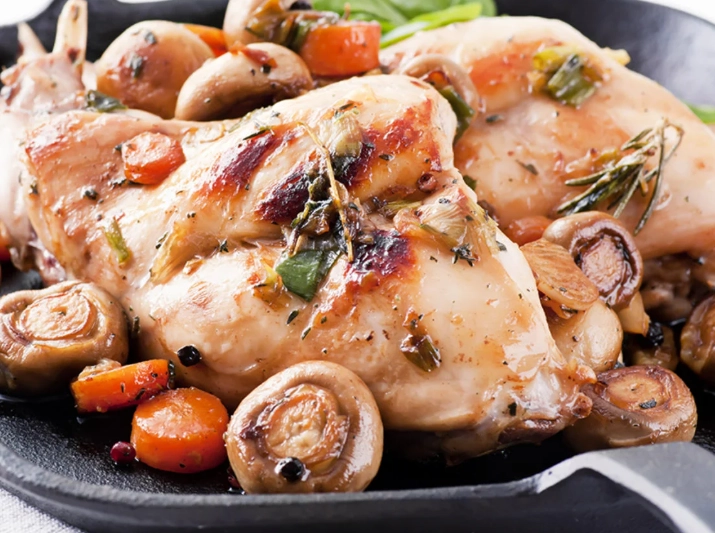
Common Questions (And My Honest Answers)
A Quick-Reference Cooking Method Table
| Method | Best For These Cuts | Key Temperature/Time | Pro Tip for Success |
|---|---|---|---|
| Braising/Stewing | Hind legs, front legs, whole cut-up rabbit | ~325°F (160°C) for 1.5-2.5 hrs, until fork-tender. | Brown the meat deeply first for flavor. Keep the simmer gentle. |
| Roasting | Whole rabbit, saddle, hind legs (bone-in) | Start high (425°F/220°C), then 350°F (175°C) to internal temp of 160°F (71°C). | Bard with fat (bacon, butter) to prevent drying out. Rest before carving. |
| Pan-Searing/Sautéing | Saddle/Loin only (boneless) | High heat, 2-4 mins per side to 150°F (65°C). | Get the pan screaming hot. Don't move the meat until a crust forms. |
| Confit (Advanced) | Hind legs | Cooked submerged in fat at 200-250°F (93-121°C) for 2-3 hrs. | Presalting (dry brine) for 24 hours first is essential. Results in unbelievably tender, preserved meat. |
So there you have it. A complete, from-the-ground-up guide on how to cook rabbit. It might seem like a lot at first, but really, it boils down to a few key principles: respect the leanness, match the cut to the cooking method, and don't be afraid of low, slow, moist heat for the best results.
The most rewarding part of learning to cook rabbit is the reaction you get. It's a conversation starter, a dish that shows care and skill. It connects you to older, slower traditions of cooking that are all about drawing the deepest flavor from simple ingredients.
Start with a simple stew. Get comfortable with the process. Then maybe try a roast. Before you know it, you'll be confidently browsing rabbit recipes, knowing exactly how to adapt them for success. You've got this. Now go get cooking.
Reader Comments