Quick Navigation
- The Short Answer (Because I Know You Want It)
- Diving Deeper: The Science Angle (Where They Are the Same)
- Where the Confusion Really Lives: Language & Perception
- Side-by-Side: When to Use Which Term
- The Other Big Mix-Up: Rabbits vs. Hares
- Why Does This Bunny vs. Rabbit Question Even Matter?
- Frequently Asked Questions (The Stuff You're Actually Searching For)
- Final Thoughts: A Matter of Respect and Context
Okay, let's be honest. If you've ever found yourself searching for "what's the difference between a bunny and a rabbit," you're not alone. I've been there too. For years, I used the words interchangeably, thinking it was just a cute way to say the same thing. I'd call my pet rabbit a bunny when he was being sweet, and a rabbit when I was being more formal. It seemed harmless. But then I started digging a little deeper, and boy, was I surprised. The rabbit hole, pun absolutely intended, goes a lot deeper than I thought.
This isn't just some trivial grammar nitpick. If you're looking into getting a pet, or you're a writer trying to get your terms right, or you're just plain curious, understanding this distinction actually matters. It touches on science, language, and culture. So, let's clear up the confusion, step by step, without any of the jargon that makes you want to click away.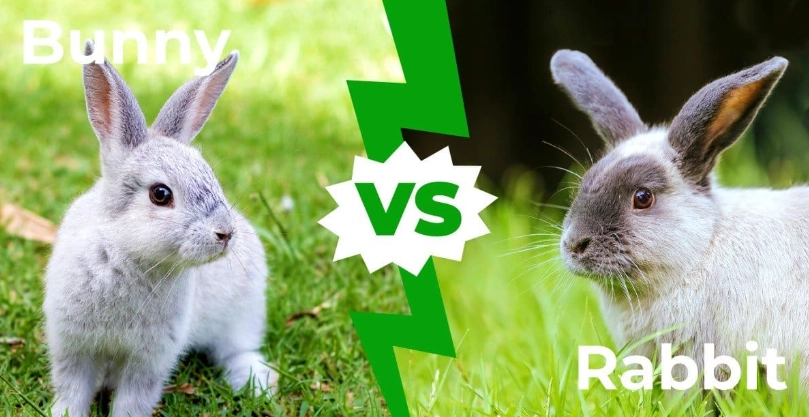
The Short Answer (Because I Know You Want It)
In strict biological terms, there is no difference. None. Zilch. A bunny is a rabbit, and a rabbit is a bunny. They refer to the same animal. Scientifically, they all belong to the order Lagomorpha and the family Leporidae (which includes hares too, but that's a whole other confusing story).
So, if that's the case, why does this question even exist? Why do we have two words?
Ah, that's where it gets interesting. The real difference between a bunny and a rabbit isn't in the animal itself, but in the word and how we use it. It's all about connotation, context, and a bit of linguistic history. "Rabbit" is the standard, formal, all-encompassing term. "Bunny" is a colloquial, affectionate, often child-oriented nickname. Think of it like the difference between "automobile" and "car," or "canine" and "doggy." One's formal, one's familiar.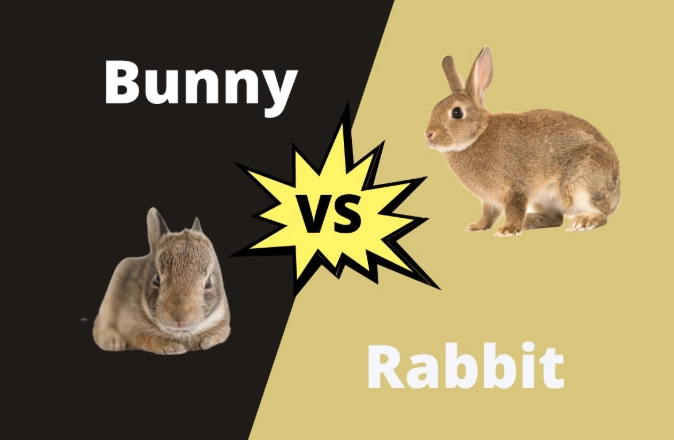
The Core Takeaway: All bunnies are rabbits, but not all rabbits are called bunnies. "Bunny" is a subset of the term "rabbit," filtered through a lens of cuteness and informality.
Diving Deeper: The Science Angle (Where They Are the Same)
Let's get the science out of the way first, because this is the bedrock. When a biologist looks at these animals, they see Oryctolagus cuniculus (the European rabbit, ancestor of most domestic breeds) or various species of Sylvilagus (cottontail rabbits). The word "bunny" does not appear in any scientific classification.
Key biological traits that define both "rabbits" and "bunnies":
- Digestive System: They are hindgut fermenters and practice cecotrophy (eating their own special droppings, called cecotropes, to absorb nutrients). A not-so-cute fact that applies equally to a bunny and a rabbit!
- Dentition: They have continuously growing teeth.
- Reproduction: They are known for their rapid breeding rate.
- Physiology: Powerful hind legs, long ears, short tails.
For authoritative information on rabbit biology, organizations like the Animal Diversity Web from the University of Michigan Museum of Zoology provide excellent, verified details. It's a fantastic resource if you want to go beyond the basics.
So, scientifically, asking for the difference is like asking for the biological difference between a "kitty" and a "cat." It's a linguistic question, not a zoological one.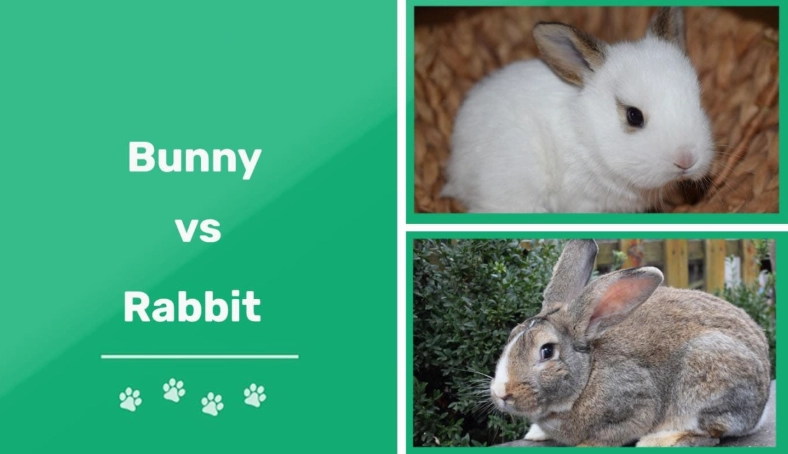
Where the Confusion Really Lives: Language & Perception
This is the heart of the matter. The words evoke completely different feelings and images.
The Word "Rabbit"
"Rabbit" is the neutral, adult, standard term. It's used in formal writing, science, agriculture, and veterinary medicine. You'll see "rabbit" on pet food bags, in veterinary textbooks, and on wildlife documentaries. It can refer to the animal in any context—wild, domesticated, young, old, cute, or not-so-cute.
Think about it. You'd say "rabbit stew," not "bunny stew." You'd read about the "rabbit population" in an ecosystem report. It's the default.
The Word "Bunny"
"Bunny" is a different beast altogether, linguistically speaking. Its origins are actually kind of sweet. It likely comes from the Scottish word "bun," referring to a squirrel or a rabbit's tail. It was a term of endearment that stuck, especially for children.
Here’s what "bunny" specifically conveys:
- Cuteness & Youth: It's almost exclusively used for animals perceived as cute, small, and often young. A giant Flemish Giant might less frequently be called a "bunny" compared to a tiny Netherland Dwarf, even though they're the same species.
- Domestication & Pet Status: We use "bunny" primarily for pet rabbits or rabbits in benign, human-centric contexts (like the Easter Bunny). You're unlikely to call a wild cottontail darting across a field a "bunny."
- Child-Friendly Tone: It's the go-to word in children's books, cartoons, and toys. It softens the animal's image.
So, when someone asks what's the difference between a bunny and a rabbit, they're often sensing this gap in tone and usage, even if they can't articulate it.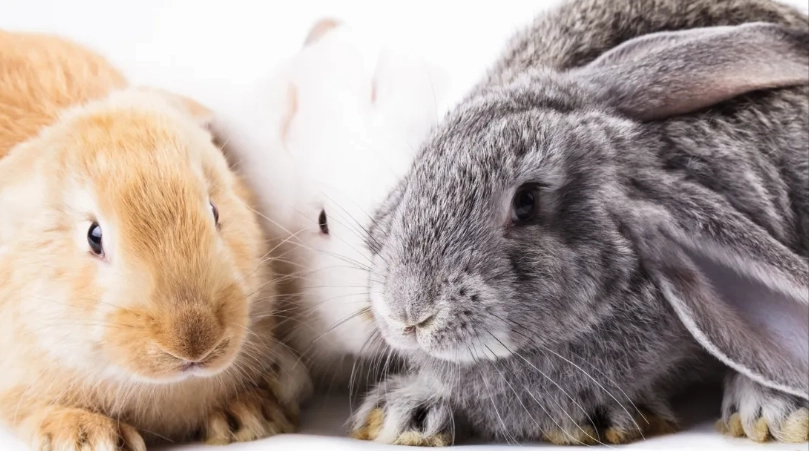
Side-by-Side: When to Use Which Term
This table might help visualize the contextual divide. It's not a hard rule, but it reflects common usage.
| Context | Term Typically Used | Why? |
|---|---|---|
| Veterinary Visit | Rabbit | Formal, medical, and precise. The vet's chart will say "rabbit." |
| Children's Storybook | Bunny | Evokes softness, friendliness, and approachability. |
| Discussing Wild Animals | Rabbit | Neutral and descriptive of a wildlife species. (e.g., "The rabbits are eating my garden.") |
| Talking About Your Pet | Both (Bunny more at home) | "Bunny" as a pet name at home, "rabbit" when explaining to others. |
| Scientific Research | Rabbit | Absolute standard in academic and scientific literature. |
| Easter Holiday | Bunny (Easter Bunny) | Fully entrenched in culture as a mythical, cute figure. |
| Culinary Context | Rabbit | "Bunny" would be considered distasteful and infantilizing here. |
The Other Big Mix-Up: Rabbits vs. Hares
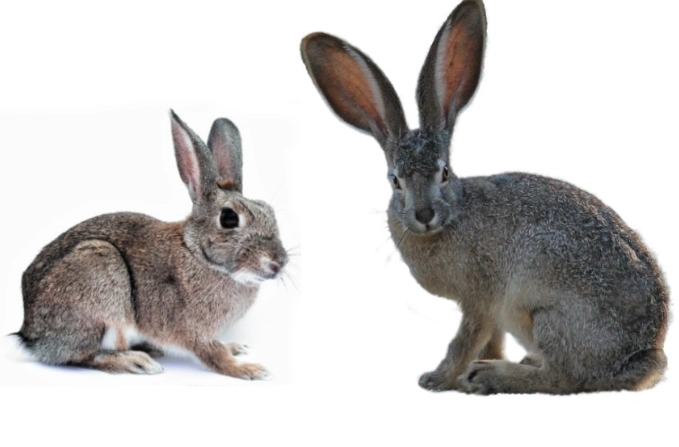
While we're untangling terms, we have to address the elephant in the room—or rather, the hare. This is a real biological difference that often gets lumped into the bunny/rabbit confusion. People sometimes think "bunny" might mean hare, or that hares are just big rabbits. They're not.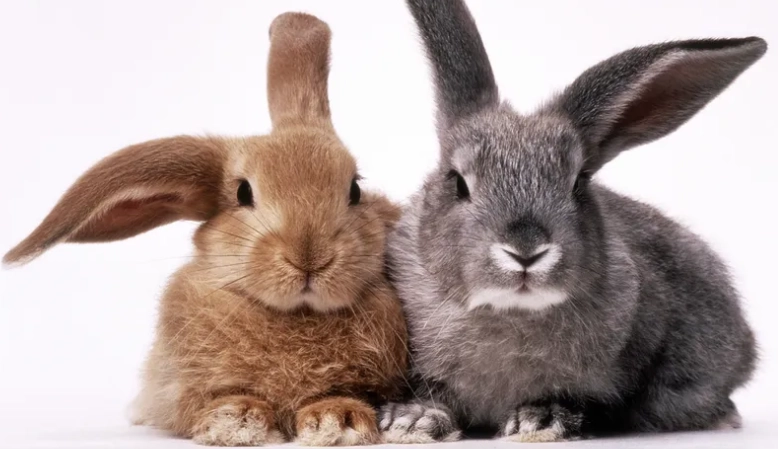
This is where accurate terminology is crucial. According to resources like the Encyclopedia Britannica, hares (genus Lepus) and rabbits (genera like Oryctolagus and Sylvilagus) are different genera within the same family. Key distinctions:
- Birth: Rabbits are altricial—born hairless, blind, and helpless in burrows. Hares are precocial—born fully furred, eyes open, and ready to move, above ground.
- Physique: Hares are generally larger, with longer ears and much longer, powerful hind legs.
- Behavior: Rabbits are social burrowers. Hares are more solitary and nest in simple depressions (forms).
Common Myth: "Jackrabbits" are hares, not rabbits. The name is a misnomer that has stuck. So if you're trying to be precise, knowing this is more important than the bunny/rabbit debate!
Frankly, I find the rabbit vs. hare distinction far more interesting and substantive than the bunny vs. rabbit one. It's actual biology versus semantics.
Why Does This Bunny vs. Rabbit Question Even Matter?
You might be thinking, "Okay, but who cares? It's just a word." In casual conversation, it probably doesn't matter much. But in specific situations, using the right term has weight.
If you're searching for care information online, using the keyword "rabbit care" will yield more comprehensive, professional results from veterinary sources like the House Rabbit Society, a highly respected authority in rabbit welfare. Searching for "bunny care" might lead you to more beginner-focused or commercially-oriented sites. Both have value, but knowing the difference helps you find what you need.
If you're advocating for rabbit welfare or writing about them seriously, using "rabbit" establishes a more authoritative tone. It presents them as the complex, intelligent animals they are, not just as fluffy accessories. I've noticed that the most dedicated rescuers and veterinarians almost always use "rabbit."
And for pet owners, it's about respect. Calling your pet a "rabbit" acknowledges it as a full-fledged animal with specific needs, not just a temporary cute toy. "Bunny" can sometimes carry a hint of disposability, which is a real problem in pet abandonment after Easter.
Frequently Asked Questions (The Stuff You're Actually Searching For)
Is "bunny" a baby rabbit?
Not technically. The correct term for a baby rabbit is a kitten or kit. However, because bunnies are strongly associated with smallness and youth, people often use "bunny" to refer to babies. It's a common, if inaccurate, shorthand.
Can I call my adult pet rabbit a bunny?
Of course you can! In your home, as a term of endearment, it's perfectly fine. My own rabbit, a dignified elderly gentleman, still gets called "grumpy bunny" when he thumps at me. The key is understanding the context. At home, use whatever feels right. In a discussion about his health with a vet, you'd switch to "rabbit."
Why is the Easter character called the Easter Bunny and not the Easter Rabbit?
This perfectly illustrates the cultural power of the word "bunny." The Easter figure is meant to be friendly, magical, and child-friendly. "Easter Rabbit" sounds clunky, formal, and slightly odd. "Bunny" fits the mythical, cute persona perfectly. It's a marketing and cultural victory for the cuter term.
Do other languages have this bunny/rabbit distinction?
Many do! It's a common linguistic pattern. In Spanish, "conejo" is rabbit, and "conejito" is the diminutive (little rabbit/bunny). In French, "lapin" is rabbit, and "lapereau" is a young rabbit, but affectionate terms like "bunny" are cultural imports. English just happened to develop a very distinct and popular nickname.
What's the most accurate answer to "what's the difference between a bunny and a rabbit"?
The most accurate, one-sentence answer is: "Bunny" is an affectionate, informal nickname for a rabbit, often implying a young, small, or domestic animal, but they are biologically the same creature. If you want to be 100% correct in all situations, "rabbit" is the safe bet.
Final Thoughts: A Matter of Respect and Context
 After all this, my own view has shifted. I still call my pet a bunny when we're hanging out. It's a habit born of affection. But I'm much more mindful now. When I'm talking to his vet, reading studies, or explaining his needs to someone, I use "rabbit." It feels more respectful of his nature.
The quest to understand what's the difference between a bunny and a rabbit ends not with a scientific discovery, but with a lesson in language. Words have power. They carry tone, expectation, and subtle meaning.
For anyone getting a pet, I'd say this: learn everything you can about "rabbit" care—their need for space, hay-based diet, social nature, and vet requirements. Then, once you're equipped with that knowledge, feel free to shower your new family member with all the "bunny" talk you want. The best owners understand the serious "rabbit" behind the cute "bunny" exterior.
And if anyone ever asks you the difference, you can now give them the full story. It's about so much more than just synonyms. It's about how we see, and name, the world around us.
Just don't call a hare a rabbit. That's where I'll draw the line.
Reader Comments