Explore the Winter Rabbit Survival Guide
You see them all spring and summer, those little cotton-tails bouncing around your yard. Then, come the first frost, they seem to vanish. Poof. Gone. It's a question that pops into my head every single year when I'm shoveling snow and notice the absence of those familiar tracks: where do rabbits go in the winter? I used to think they just hibernated like bears, tucked away in some magical underground den. Boy, was I wrong. The reality is so much more interesting, and honestly, a bit tougher than I imagined.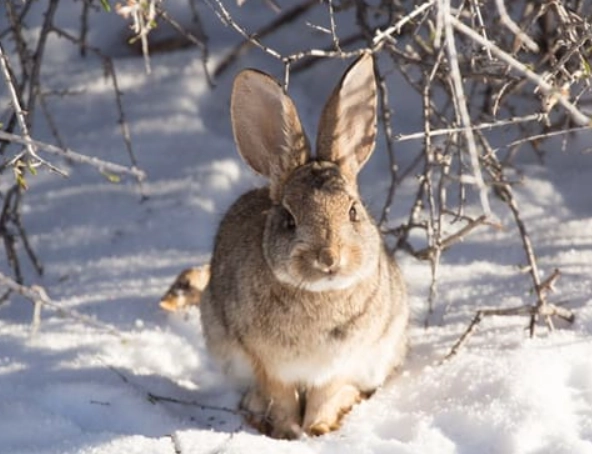
I remember one particularly brutal winter a few years back. The snow was deep, and I was worried about the little family of eastern cottontails that lived near our woodpile. I did what I thought was helpful and left out some lettuce. Big mistake. It turns out that well-intentioned act could have done more harm than good. That experience sent me down a rabbit hole (pun absolutely intended) of research, talking to local wildlife experts, and observing what I could. What I learned completely changed how I view these resilient little creatures.
So, if they're not sleeping, where are they? The answer isn't one single place. It's a combination of behavior, physiology, and pure grit. For wild rabbits, winter is a season of calculated energy conservation and seeking shelter, not travel. They aren't packing their bags for Florida. They're hunkering down right in your neighborhood, just in ways you might not notice.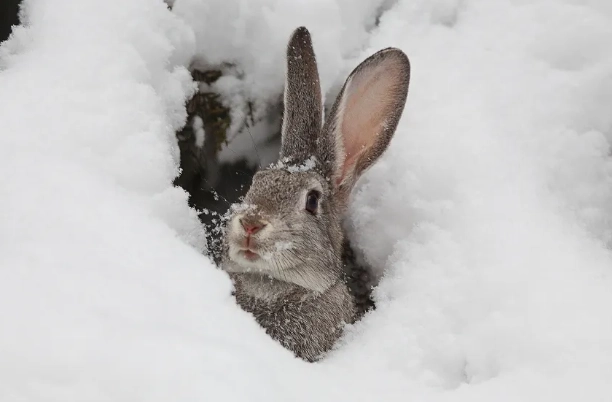
The Wild Rabbit's Winter Playbook: Survival Hour by Hour
Wild rabbits, like the ubiquitous Eastern Cottontail or the snow-loving Snowshoe Hare, have a winter strategy that's less about a specific destination and more about a complete lifestyle overhaul. Asking "where do rabbits go in the winter" is like asking where a commuter goes during a blizzard—they go to the safest, closest shelter they can find and stay put as much as possible.
Home is Where the Hideout Is: Shelter Strategies
Rabbits are masters of using existing landscapes. They don't typically dig deep, complex burrows like groundhogs. Instead, they seek out "forms" or sheltered depressions.
- Natural Forms: These are simple, shallow scrapes in the ground, often under thick brush piles, fallen logs, or dense evergreen shrubs like junipers or yews. The overhead cover protects them from snow and wind, and the evergreen foliage provides visual cover from predators like hawks and foxes. I've spotted a few of these in my own backyard under a massive, overgrown spirea bush—the entrance is always littered with tiny tracks after a fresh snow.
- Brush Piles & Woody Debris: If you have a brush pile from yard cleanup, you might be running a five-star rabbit hotel. The tangled branches create an insulated, protected maze that's perfect for escaping the elements and predators. The National Wildlife Federation even recommends building brush piles as a way to support local wildlife, rabbits included.
- Rock Walls and Foundation Crevices: Old stone walls or gaps in the foundation of outbuildings (like sheds or barns) offer excellent windbreaks and thermal mass that retains a bit of heat.
- Abandoned Burrows: Sometimes, a rabbit will get lucky and repurpose a burrow started and abandoned by another animal. It's the real estate market of the animal kingdom—find a fixer-upper and move right in.
They might use several of these shelters within their small territory, moving between them based on wind direction, predator activity, or snow depth.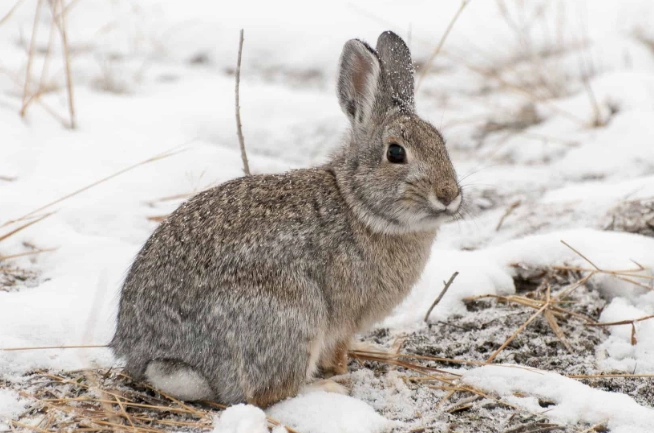
The Daily Grind: Feeding and the Winter Menu
This is where things get really tough. The lush clover, grass, and garden veggies are long gone. A rabbit's winter diet is harsh, dry, and not very nutritious. So they switch gears.
Their primary food source becomes woody vegetation: the bark, twigs, and buds of trees and shrubs. You'll often see clean, angled cuts on the stems of young trees like maples, apples, and raspberries about 2-3 feet off the ground—that's the telltale sign of a hungry rabbit. They'll also forage for any remaining dried plants, seeds, or dead grass they can find under the snow.
Their digestive system, which is already highly efficient at extracting nutrients, works overtime. They also practice coprophagy—eating their own special nighttime droppings (cecotropes) to pass food through their system twice and get every last vitamin. Not glamorous, but incredibly effective for survival.
Truth: Nope. They have no way to store or hoard food. Every meal is found and eaten on the same day. This is why winter is such a high-mortality time—a few days of ice crust over everything can mean starvation.
The Physical Makeover: Their Built-In Winter Gear
Rabbits get a winter wardrobe upgrade. They molt their thinner summer coat and grow a denser, thicker winter coat with more guard hairs. The fur on their paws also gets thicker, acting like natural snowshoes (especially for the Snowshoe Hare, which is named for this very adaptation). Their ears—a major source of heat loss—see reduced blood flow to conserve warmth.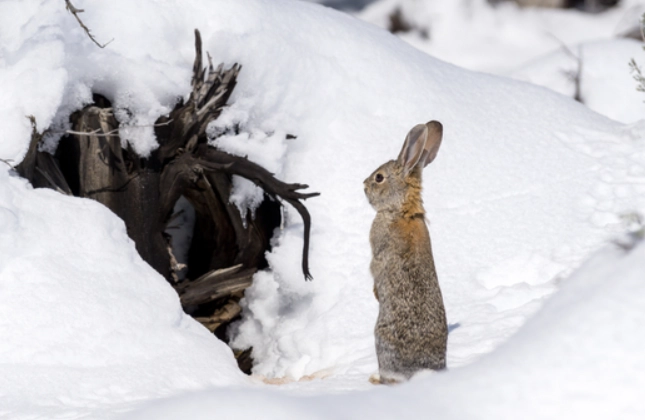
Their behavior shifts dramatically too. They become mostly crepuscular, meaning most active at dawn and dusk, when temperatures are slightly more moderate. During the bitter cold of day or night, they hunker down in their form, tucking their feet and nose into their fur to form a warm, furry ball. They enter a state of reduced activity to conserve calories, but they are always alert and can bolt at a moment's notice.
| Winter Survival Tactic | How It Works | Common Species Example |
|---|---|---|
| Shelter in "Forms" | Using natural depressions under cover; no digging required. | Eastern Cottontail |
| Diet Shift to Bark & Twigs | Eating woody, less nutritious food; relies on efficient digestion. | All North American wild rabbits |
| Seasonal Coat Molt | Growing thicker fur with more insulating undercoat. | Snowshoe Hare (turns white!) |
| Crepuscular Activity | Being most active at dawn/dusk to avoid extreme cold. | Jackrabbits (which are actually hares) |
| Using Existing Structures | Moving into brush piles, rock walls, or under decks. | Swamp Rabbit |
Domestic Rabbits: A Completely Different Winter Story
Now, if you're a pet rabbit owner wondering where do rabbits go in the winter, the answer is simple: they should go inside. This is non-negotiable for the vast majority of pet breeds. The rabbit you buy at a store is generations removed from the wild and lacks the specific adaptations for winter survival.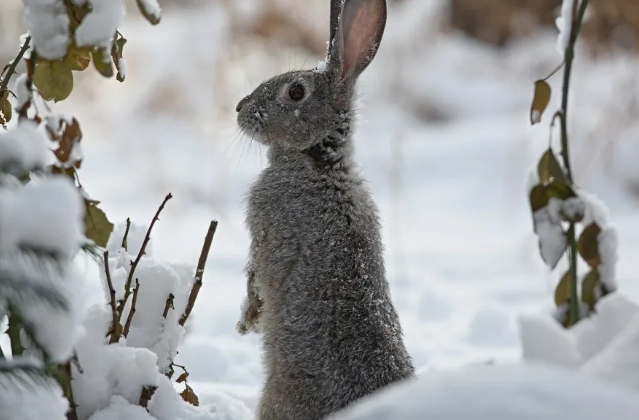
I learned this the hard way with my first rabbit, Thumper. We tried keeping him in a well-insulated hutch one fall, thinking he'd be fine with extra hay. He got a respiratory infection by late November. The vet was blunt: "Domestic rabbits are not wild animals. They are pets bred for our homes." We brought him inside, and he lived happily for another 8 years.
For domestic bunnies, proper winter care means:
- Bringing Them Indoors: This is the safest, kindest option. A temperature-controlled house, free from drafts, is ideal.
- If They MUST Stay Out (With Caveats): Some experienced owners in mild climates may keep rabbits in specialized, permanent setups. This requires an extremely well-insulated, weatherproof, and ventilated (not drafty) hutch, placed in a sheltered location. The Rabbit Welfare Association & Fund (RWAF) in the UK has stringent guidelines on outdoor housing, stressing protection from rain, wind, and temperature extremes. Even then, many vets advise against it.
- Increased Food: Outdoor rabbits burn more calories to stay warm. They need more unlimited, high-quality hay (like timothy or orchard grass). Pellet portions might be slightly increased, but always consult a vet.
- Water, Not Ice: This is critical. Water bottles freeze incredibly fast. You need a heated water bowl or a system to provide liquid water multiple times a day. Dehydration is a silent winter killer.
Busting Common Myths About Rabbits in Winter
There's so much misinformation out there. Let's clear some of it up.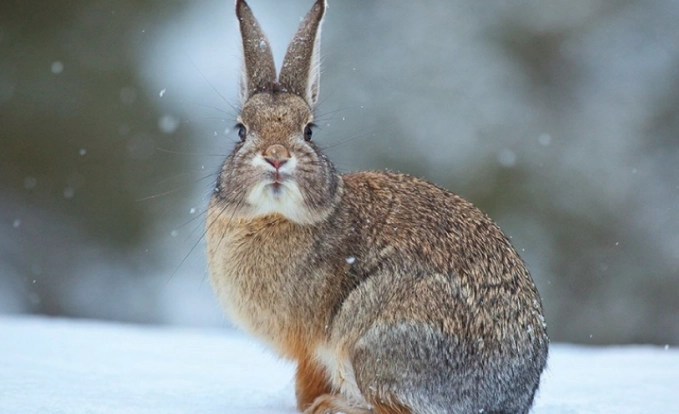
Myth: Rabbits hibernate in hollow logs or old stumps.
Truth: While they might use a hollow log for temporary shelter, they are not deep sleepers inside it. They are awake, alert, and will leave daily to forage.
Myth: If you see a rabbit out in a snowstorm, it's lost and needs rescue.
Truth: It's probably just moving between its feeding area and its shelter. Rabbits have to eat every day, so they brave the weather. Interfering is usually unnecessary and stressful for the animal. Only intervene if the animal is clearly injured or in immediate, unnatural danger (like trapped in a window well). Resources like your state's U.S. Fish and Wildlife Service office or a licensed wildlife rehabilitator can offer guidance.
Myth: Feeding bread or lettuce to wild rabbits in winter helps them.
Truth: This can be deadly. Their winter gut is adapted to coarse, fibrous material. Sudden, wet, starchy food like bread or iceberg lettuce can cause fatal digestive stasis (GI stasis). It also teaches them to rely on humans and congregate in unsafe areas.
Your Role: How to Help (and How Not To)
If you care about the wild rabbits in your area, you can support them in ways that align with their natural behavior.
- Do Nothing (Sometimes the Best Thing): Respect their space and don't try to lure them with food. A healthy, undisturbed rabbit knows what it's doing.
- Create Habitat, Not Handouts: In the fall, leave some areas of your yard "messy." Don't cut down all dead flower stalks. Leave a brush pile in a corner. Plant native evergreen shrubs. This provides natural food and shelter.
- Protect Your Garden the Right Way: If rabbits are munching on your prized shrubs, use cylindrical hardware cloth cages around the trunks in late fall. It's more effective and safer than chemical repellents.
- Be a Careful Snow Shoveler: Before clearing deep snow with machinery, check brush piles for any sheltered wildlife.
The Bottom Line on Winter Rabbit Whereabouts
So, where do rabbits go in the winter? They don't go to one magical place. Wild rabbits become ghosts of the landscape, hunkering down in the nooks and crannies we overlook, living a life of stark simplicity focused solely on conserving energy and finding the next meal. They are out there, in that brush pile, under your deck, in the thicket at the edge of the field. They are a testament to toughness and adaptation.
For our pet rabbits, the answer is unequivocal: they go into our warm, safe homes. Treating a domestic rabbit like a wild one in winter is, in my opinion after my own failure, a misunderstanding of their biology and needs.
The mystery of where rabbits go in winter isn't about a geographical location. It's about a shift into a quieter, harder, and more resilient mode of existence. Understanding it makes seeing those first spring bunnies all the more rewarding.
Reader Comments