Quick Navigation
Okay, let's be honest. If you've ever found yourself wondering what is the difference between a rabbit and bunny, you're definitely not alone. It's one of those things that seems obvious until you actually try to explain it. You see a fluffy creature hopping in your yard. Is it a rabbit? Is it a bunny? Your friend calls it one thing, your kid calls it another, and the internet has about a million conflicting answers. It's enough to make your head spin.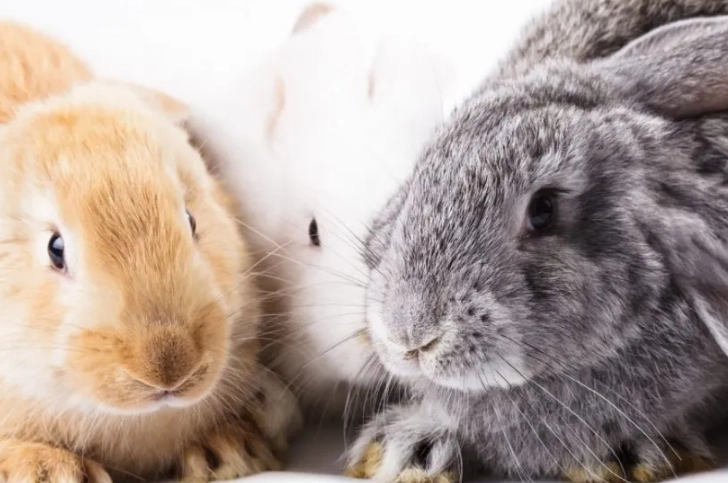
I remember trying to explain this to my niece a few years back. She had just gotten a pet and was adamant it was a “bunny,” while the vet's paperwork said “rabbit.” Cue the confusion. It sent me down a pretty deep rabbit hole (pun absolutely intended) of research, talking to breeders, and reading way too many old books on etymology. What I found was actually way more interesting than I expected. It's not just a simple “they're the same” answer. There's a whole layer of language, science, and culture wrapped up in these two words.
The Short Answer (Because I know you want it): Scientifically and biologically, there is no difference. A bunny is a rabbit, and a rabbit is a bunny. They refer to the same animal. The distinction is almost entirely about language, perception, and context. “Bunny” is a colloquial, cutesy term, often for a young or small rabbit, while “rabbit” is the standard, formal name for the animal. But oh, there's so much more to it than that.
So, if you're looking for a clear, no-nonsense breakdown of the difference between a rabbit and bunny, you've come to the right place. We're going to unpack this from every angle – science, everyday speech, pet culture, and even a bit of history. By the end, you'll not only know the answer, you'll understand why we use these words the way we do. Let's hop to it.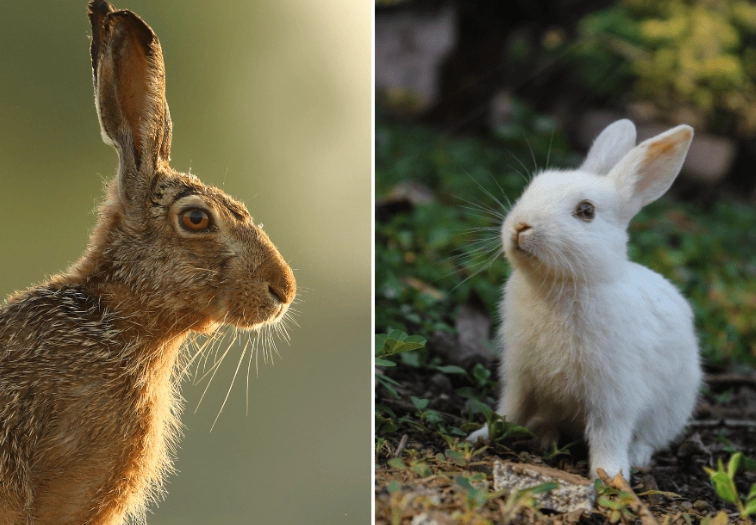
The Scientific Truth: They're the Same Creature
First things first, let's get the cold, hard facts from biology out of the way. From a zoological standpoint, this debate is a non-starter.
All animals we call rabbits or bunnies belong to the biological order Lagomorpha and the family Leporidae. The most common species kept as pets or seen in backyards across North America and Europe is the European rabbit (Oryctolagus cuniculus). Whether you call it a floppy-eared bunny or a long-tailed rabbit, you're talking about Oryctolagus cuniculus.
There is no separate genus or species called “Bunnius cuteus” or anything like that. Taxonomists don't have a category for “bunny.” It simply doesn't exist in scientific classification. If you're reading a wildlife biology paper or a veterinary manual, you will only ever see the term “rabbit.” For authoritative information on rabbit biology and taxonomy, resources like the American Veterinary Medical Association (AVMA) or the International Union for Conservation of Nature (IUCN) species listings use the formal term exclusively.
Myth Buster: A common misconception is that “bunny” refers specifically to baby rabbits (kits) and “rabbit” to adults. While this usage is common in everyday talk, it's not a hard rule. You'll often hear full-grown pets referred to as bunnies, especially by their owners. The age association is more of a strong suggestion than a definition.
So, the core answer to what is the difference between a rabbit and bunny in a science lab? Zero. None. Nada.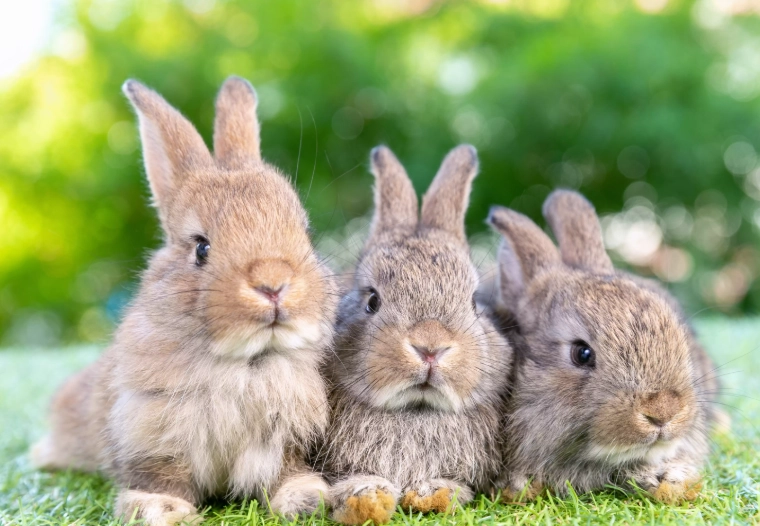
Where the “Difference” Really Lives: Language and Culture
This is where it gets fun. The real distinction isn't in the animal's DNA; it's in our heads and our history. The words “rabbit” and “bunny” carry different connotations, emotional weights, and are used in different situations.
The Origin Story of the Words
Knowing where the words came from explains a lot about how we use them today.
Rabbit: This word has been around in English since the late 14th century. It originally referred specifically to the young of the species, believe it or not. The word likely comes from Walloon (a Romance language from Belgium) robett. Over time, its meaning expanded to cover the animal at any age. It's the standard, neutral term.
Bunny: Now here's the cute one. “Bunny” is a much more recent invention, popping up in the 1600s. It started as a pet name, coming from the Scottish word bun, which referred to a squirrel or a rabbit's tail. It was essentially a term of endearment. Calling something a “bunny” was like calling it “sweetie” or “cutie-pie” for an animal. That affectionate, diminutive vibe has stuck with it for centuries.
See the vibe? “Rabbit” is the official name. “Bunny” is the nickname. That fundamental difference in tone drives almost all modern usage.
How We Use Them Today: A Side-by-Side Look
The best way to see the difference between a rabbit and bunny in action is to look at context. Here’s a breakdown:
| Context | You'll Probably Hear/See “Rabbit” | You'll Probably Hear/See “Bunny” |
|---|---|---|
| Formal & Scientific | Veterinary journals, biology textbooks, wildlife conservation reports (e.g., IUCN Red List). | Almost never. It would be considered unprofessional. |
| Everyday Pet Talk | “I need to take my rabbit to the vet.” “Rabbit food is in the aisle.” A neutral, owner-to-owner term. | “Look at my cute bunny!” “Bunny-proof your home.” The go-to term for pet owners expressing affection. |
| Marketing & Products | Serious pet care brands, hutches, specialized feed. Implies maturity and specific care. | Children's toys, Easter decorations, cartoon characters (Bugs Bunny notwithstanding!), fluffy slippers. Implies cuteness, softness, playfulness. |
| Age Reference | Can refer to any age. “Adult rabbit,” “baby rabbit.” | Often, but not always, implies youth or small size. “Baby bunny” is redundant but very common. |
| Culinary Context | Always. “Rabbit stew.” “Hasenpfeffer.” Using “bunny” here would be bizarre and off-putting. | Never. Thank goodness. |
See the pattern? “Rabbit” is for serious, factual, or neutral situations. “Bunny” is for affectionate, cute, childish, or marketing-driven situations. It’s about the feeling you want to convey.
I have to admit, even though I know all this, I still mostly call my own pet a “bunny.” It just feels right. “Rabbit” sounds a bit too clinical when I'm talking about the little guy who steals socks. Language is funny that way.
Digging Deeper: Other Factors That Fuel the Confusion
Okay, so we've covered the big picture. But people often have more specific questions. Let's tackle some of the nuances that keep this topic alive.
Does Size or Breed Matter?
Sometimes. There's a loose, unofficial tendency to use “bunny” for smaller breeds and “rabbit” for larger ones.
Think about it. A tiny Netherland Dwarf, weighing maybe 2 pounds, is almost universally called a bunny. It fits the “small and cute” archetype perfectly. A Flemish Giant, which can weigh over 15 pounds and look like a small dog? You're more likely to hear “rabbit” first. It just doesn't fit the “bunny” image as easily. But this is a tendency, not a rule. A Flemish Giant owner might still lovingly call their giant pet a “big bunny.”
The Wild vs. Domestic Divide
This is a strong one. “Bunny” is overwhelmingly a term for domesticated animals.
You see a cottontail in your garden? That's a wild rabbit.
You see a similar-looking animal in a cage at a pet store? That's a bunny.
The wild ones are perceived as more independent, skittish, and “serious” animals—fitting for the term “rabbit.” The domestic ones are companions, often bred for docility and cuteness, prime candidates for the “bunny” label. Organizations like the Humane Society of the United States will use “rabbit” in their wildlife rehabilitation contexts but may use “bunny” in adoption campaigns for pets, playing into that affectionate appeal.
The Cultural & Holiday Connection
You can't talk about bunnies without talking about Easter. The “Easter Bunny” is never, ever called the “Easter Rabbit.” That feels wrong, doesn't it? The holiday cemented “bunny” as the ultimate symbol of spring, fertility (going way back), and harmless, child-friendly fun. This holiday association massively reinforced the word's connection to cuteness, youth, and whimsy, further separating it from the more utilitarian “rabbit.”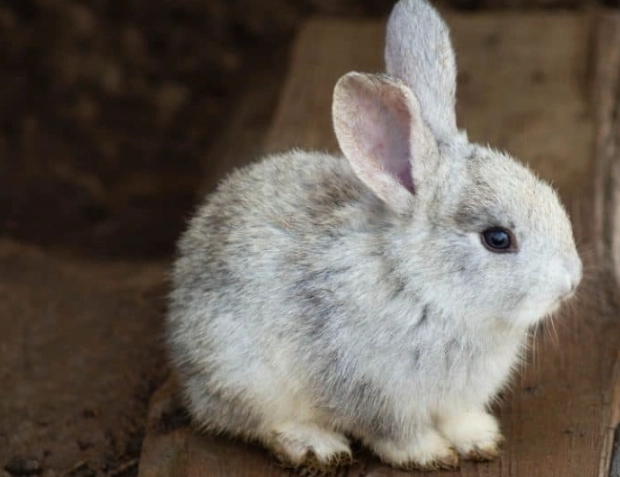
Key Takeaway: The more an association is about emotion, affection, or imagery, the more likely “bunny” will be used. The more it's about biology, reality, or function, the more likely “rabbit” will be used.
What This Means for You as a Pet Owner or Enthusiast
This isn't just academic. Understanding this distinction can actually help in real life.
If you're searching for pet care information online, using the term “rabbit care” will often lead you to more comprehensive, serious resources from veterinary sites or expert breeders. Searching for “bunny care” might lead you to more beginner-friendly forums, product sites, and social media groups. Both are useful, but they serve different stages of your journey.
When talking to a vet, using “rabbit” might subconsciously signal that you're approaching your pet's health seriously. But don't worry, if you slip and say “bunny,” they'll know exactly what you mean—they probably use the term at home too!
The most important thing? It doesn't matter what you call your furry friend. The care, love, and responsibility are the same. Knowing what is the difference between a rabbit and bunny is about understanding language, not ranking one term above the other.
Frequently Asked Questions (The Stuff You Actually Search For)
Is a bunny just a baby rabbit?
In common, everyday talk, yes, that's often what people mean. But strictly speaking, no. “Bunny” is not an official life stage like “kitten” or “puppy.” You can correctly call an adult a bunny, especially if it's a pet. It's more about cuteness and affection than age.
Why do we say “bunny” if it's the same as a rabbit?
Because language isn't just about labels; it's about feeling. “Bunny” is a term of endearment. It's softer, sweeter, and less formal. It makes the animal feel more like a cuddly companion and less like a biological subject. We have similar pairs for other animals: dog/puppy, cat/kitty, horse/pony (though pony is a different size category).
Is it wrong to call my pet rabbit a “bunny”?
Absolutely not! It's your pet. Call it whatever feels right. In the pet community, “bunny” is incredibly common and widely accepted. The only place it might be “wrong” is in a formal scientific paper.
What about “hare”? Where does that fit in?
Now that's a real biological difference! Hares (like jackrabbits) are a different genus (Lepus) within the same family as rabbits. They're generally larger, have longer ears and legs, are born fully furred with eyes open, and live in simple nests above ground rather than complex burrows. So, the difference between a rabbit and bunny is linguistic, but the difference between a rabbit and a hare is genetic and behavioral.
Does the word “bunny” make people take rabbit care less seriously?
This is a great question, and sometimes, yes, it can. The “cutesification” of an animal can lead to underestimating its needs. Rabbits are complex, sensitive pets requiring specialized vet care, a lot of space, and a specific diet. Calling them “bunnies” might contribute to the impulse buy around Easter, without proper research. Responsible rescues and educators often use “rabbit” in their serious messaging to combat this. But a well-informed owner can use “bunny” with love while still providing expert-level care.
Wrapping It All Up
So, after all that, what's the final word on what is the difference between a rabbit and bunny?
Think of it like this: “Rabbit” is the animal's government name. It's what's on its passport. “Bunny” is the cute nickname its friends and family use.
Biologically, they are identical. The difference exists purely in the realm of human language, culture, and emotion. “Rabbit” is standard, formal, and neutral. “Bunny” is affectionate, diminutive, and cute. You use “rabbit” at the vet's office and in science class. You use “bunny” when you're cuddling your pet, buying a stuffed animal, or helping a child point at one in the yard.
The confusion makes total sense because the line is blurry. But that's language for you. It's messy, emotional, and alive.
The Ultimate Test: Next time you see one, try out both words. “Look at that rabbit.” Now try, “Look at that bunny.” Feel the difference in tone? That’s the whole story, right there.
At the end of the day, whether you're team rabbit or team bunny, the important thing is appreciating these amazing, social, and often misunderstood creatures. Now you can explain the difference between a rabbit and bunny with confidence—and maybe a little bit of newfound appreciation for the quirks of the English language.
Reader Comments