Quick Guide: Your Bunny's Diet Essentials
So you've got a fluffy new bunny, or maybe you've had one for a while, and the big question hits you: what can I feed a rabbit, really? It's not as simple as just carrots, despite what Bugs Bunny taught us. I remember when I first got my rabbit, Thumper, I was overwhelmed. The pet store had a wall of bags with smiling rabbits on them, online forums were full of conflicting advice, and I was terrified of feeding him something that would make him sick.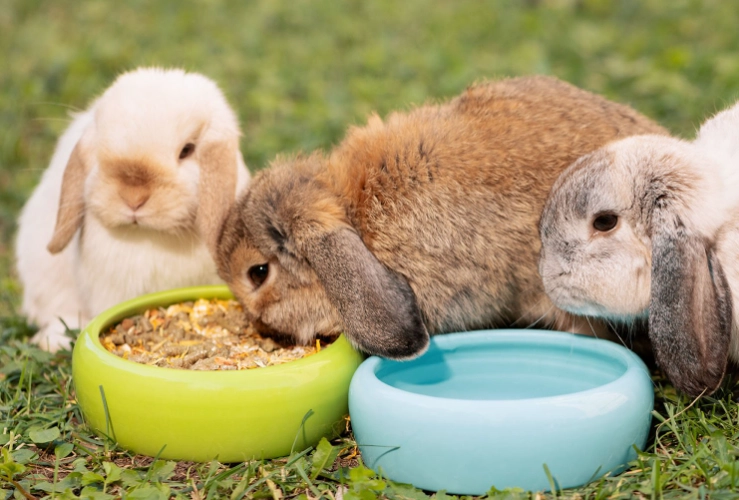
Let's cut through the noise. A rabbit's diet is the absolute cornerstone of its health. Get it right, and you'll have a happy, energetic, long-lived companion. Get it wrong, and you're looking at expensive vet bills and a lot of heartache. Their digestive systems are finely tuned, sensitive things—not like a dog's or a cat's at all.
The Golden Rule: A proper rabbit diet isn't about one magic food. It's a specific, balanced combination of hay, fresh foods, pellets, and water. Mess up the ratios, and problems start.
This guide is going to walk you through exactly what to put in that food bowl, what to keep far away from it, and how much of everything your bunny needs. We'll cover the staples, the treats, the dangers, and answer those nagging questions you might be too embarrassed to ask. Because figuring out what can I feed a rabbit shouldn't feel like solving a mystery.
The Non-Negotiable Foundation: Hay, Hay, and More Hay
If you take away one thing from this entire article, let it be this: hay is not optional. It's not just bedding or something to nibble on. It's about 80-90% of what your rabbit should be eating. Seriously.
Why is hay so critical? First, it's packed with the fiber their unique digestive systems need to keep moving. A rabbit's gut is a perpetual motion machine—if it stops, they get sick, fast. This condition is called GI stasis, and it's a medical emergency. Second, chewing the long, abrasive strands of hay wears down their teeth, which never stop growing. No hay often equals overgrown teeth and a trip to the vet for a dental trim.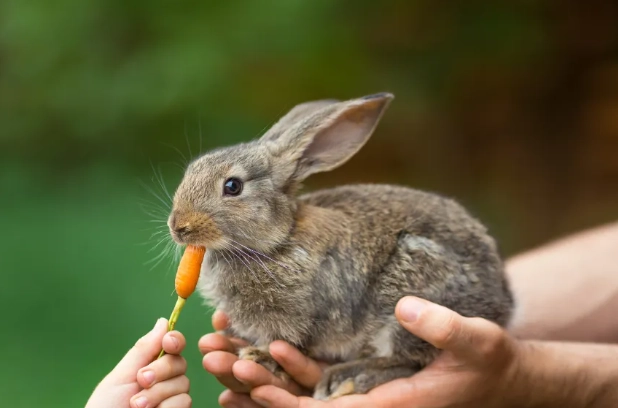
You should be offering an unlimited amount of fresh hay, 24/7. Your rabbit should always have access to a pile bigger than itself.
Types of Hay: Which One is Best?
Not all hay is created equal. The main types you'll see are:
- Timothy Hay: The gold standard for most adult rabbits. It's high in fiber, lower in protein and calcium, which is perfect for their needs. This is what I feed Thumper daily.
- Orchard Grass Hay: A great alternative to Timothy, with a softer texture. Some picky bunnies prefer it. It has a similar nutritional profile.
- Meadow Hay: A mix of grasses and sometimes herbs. Good for variety, but the quality can be more variable.
- Alfalfa Hay: This is the one to be careful with. It's legume hay, not grass hay. It's rich, high in protein and calcium. It's fantastic for baby rabbits (kits), pregnant or nursing does, and underweight bunnies. But for healthy adult rabbits, it's like feeding them cake every day—it can lead to obesity and urinary problems. Switch to grass hay once they're about 7 months old.
My advice? Start with a high-quality Timothy hay. If your bunny turns its nose up, try Orchard Grass. The smell should be sweet and fresh, not dusty or musty. A good source for understanding hay's central role is the House Rabbit Society, a fantastic non-profit with decades of rabbit care advice.
The Fresh Stuff: Vegetables and Herbs
This is the fun part for most owners—giving them fresh greens. But it's also where a lot of mistakes happen. When people ask "what can I feed a rabbit," they're often picturing a salad bowl. And they're not wrong, but there are rules.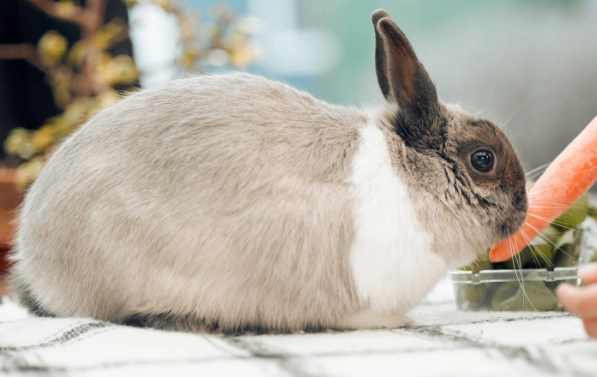
Fresh veggies provide essential vitamins, minerals, and hydration. They should make up about 10-15% of your rabbit's diet (the bulk still being hay). A good daily serving is about 1 packed cup of mixed greens per 2 lbs of your rabbit's body weight. Introduce any new vegetable one at a time and in a tiny amount to see how their tummy handles it.
I learned this the hard way. I once gave Thumper a big handful of kale for the first time. Let's just say the results were... messy. Now I introduce anything new over the course of a week.
The Safe Veggie List (The Daily Staples)
These are leafy greens you can feed regularly. Aim to rotate a few different ones each day for variety.
- Dark Leafy Lettuces: Romaine, green leaf, red leaf, arugula (rocket). Avoid iceberg lettuce—it's mostly water and has little nutritional value, and some types can even be harmful.
- Herbs: Cilantro (coriander), parsley (flat-leaf or curly), mint, basil, dill. Bunnies usually go crazy for these.
- Leafy Tops: Carrot tops (yes, the greens are great, the carrot root is a treat), radish tops, beet greens.
- Others: Bok choy, celery leaves (the stalks are stringy, chop them small), endive, escarole.
The "Sometimes" Veggies (Feed in Moderation)
These are higher in sugar, starch, or oxalates. Think of them as the side dish, not the main green.
- Bell peppers (any color, remove seeds)
- Broccoli (stems and leaves are great, florets can cause gas in some bunnies)
- Brussels sprouts (same gas warning)
- Carrot (the orange root—it's a treat, not a staple!)
- Zucchini / Courgette
- Fennel
Here's a quick-reference table I wish I had when I started. It breaks down common foods by safety and frequency.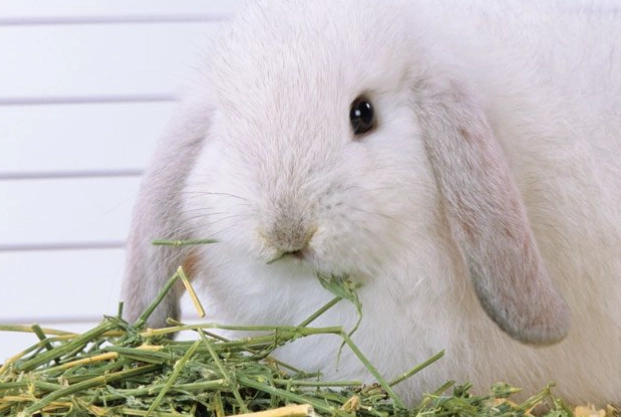
| Food Item | Part | Category | Notes & Frequency |
|---|---|---|---|
| Timothy Hay | N/A | STAPLE | Unlimited, daily. The foundation of the diet. |
| Romaine Lettuce | Leaves | DAILY VEG | 1-2 cups daily per 2 lbs body weight as part of a mix. |
| Parsley | Leaves & Stems | DAILY VEG | Great for variety. High in Vitamin C. |
| Carrot | Root (Orange part) | OCCASIONAL TREAT | High in sugar. A thin slice or two is plenty, 2-3 times a week max. |
| Blueberry | Fruit | WEEKLY TREAT | 1-2 berries per week. High in antioxidants but also sugar. |
| Apple | Flesh (no seeds) | WEEKLY TREAT | A small slice, skin on. Seeds contain cyanide. |
| Iceberg Lettuce | Leaves | AVOID | Low nutrition, can contain lactucarium which is harmful in quantity. |
| Onion / Garlic | Any part | TOXIC | Causes blood damage. Keep all alliums far away. |
| Rhubarb | Leaves | TOXIC | Extremely poisonous. Stalks are also not recommended. |
The Forbidden List: Foods That Can Harm Your Rabbit
This is the scary but necessary part. Some common human foods are outright dangerous to rabbits. Their livers aren't equipped to process certain compounds. When researching what can I feed a rabbit, knowing what not to feed is just as important.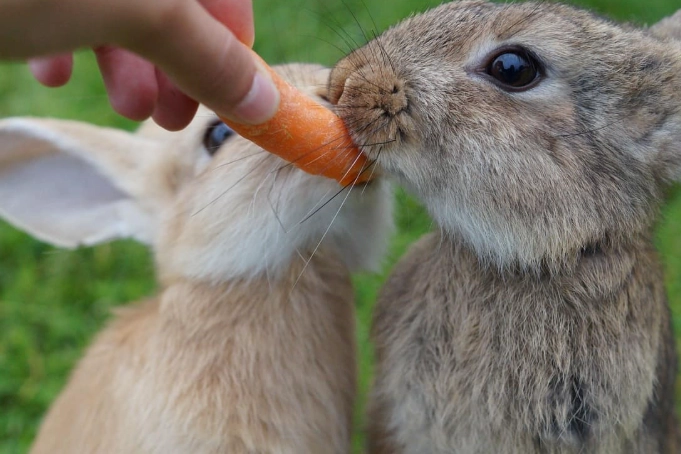
Never, ever feed these:
- Alliums: Onions, garlic, leeks, chives. These destroy red blood cells.
- Grains & Legumes: Bread, crackers, cereal, pasta, beans, peas, corn kernels. These cause severe digestive upset and can lead to stasis.
- Nuts & Seeds: Too high in fat and can be a choking hazard.
- Dairy Products: Rabbits are lactose intolerant. No yogurt drops, cheese, or milk.
- Meat or Eggs: They are strict herbivores.
- Chocolate, Candy, Caffeine: Obviously toxic, just like for dogs and cats.
- Certain Plants: Houseplants like lilies, ivy, philodendron, and garden plants like foxglove, rhubarb leaves, and nightshades are often poisonous. The ASPCA's Animal Poison Control site has a comprehensive list if you're unsure about a specific plant.
See corn on that list?
It's a big one. The corn kernel itself is a starchy grain, and the husk can cause a blockage. I see "rabbit treats" in stores with corn in them all the time, and it drives me nuts. It's cheap filler that's no good for them.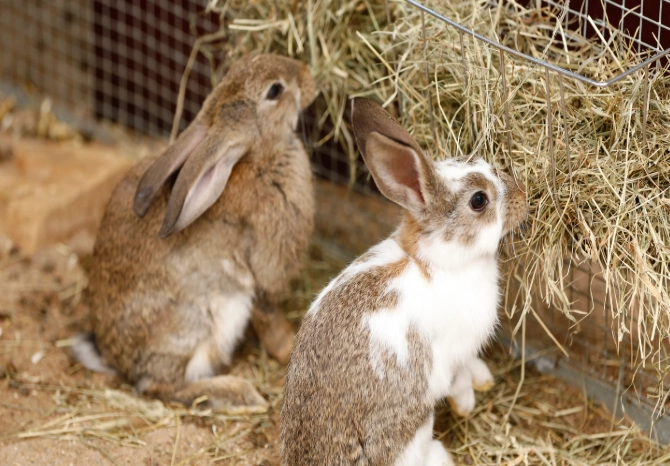
Pellets: The Supplemental Bit
Pellets are a concentrated source of nutrients, but they are a supplement, not the main course. Think of them as a daily vitamin, not dinner.
A common mistake is overfeeding pellets. A rabbit that fills up on tasty pellets will eat less hay, and that's where the trouble starts. For a healthy adult rabbit, a mere 1/4 cup of plain Timothy-based pellets per 5 lbs of body weight per day is sufficient. That's it. It doesn't look like much in the bottom of a bowl, but it's all they need.
Choosing pellets is key. Look for:
- Timothy hay as the first ingredient. (Not alfalfa, for adults).
- High fiber (18% minimum).
- Low protein (14% or less).
- No added seeds, nuts, colored bits, or dried fruit. Those are just junk food mix-ins. A plain, uniform, greenish-brown pellet is what you want.
Brands like Oxbow and Small Pet Select are generally reliable. The RSPCA's rabbit diet page offers great, vet-backed guidelines on pellet portioning that align with this.
Fruit: The Deceptive Treat
Fruit is nature's candy for rabbits. It's packed with sugar. So while a small piece of apple or a single blueberry is a wonderful, enriching treat, it must be given very sparingly.
A good rule is a teaspoon-sized amount of fruit per 2 lbs of body weight, only 2-3 times a week at most. And always remove any pits or seeds (apple seeds, peach pits, etc.) as they can contain cyanide.
Great treat options: a thin slice of banana (their absolute favorite, but super high in sugar), a single strawberry top, a raspberry, a small chunk of peeled pear.
Pro Tip: Use fruit as a training tool or to hide in foraging toys. It makes the tiny amount more exciting and engages their brain.
Putting It All Together: A Sample Daily Menu
Let's make this practical. What does a day of feeding a 5-pound adult rabbit look like?
- Morning: Refresh the unlimited Timothy hay rack (it should always be full). Give 1/4 cup of plain Timothy pellets. Refill water bowl/bottle with fresh water.
- Evening: Offer a large, packed salad bowl with about 2 cups of mixed greens. Tonight it's romaine lettuce, a handful of cilantro, and a few sprigs of parsley. Once a week, maybe add a tiny slice of bell pepper or a broccoli leaf to the mix.
- Treat (Wednesdays & Saturdays): After some bonding time or a training session, offer one blueberry or a thin slice of apple.
Simple, right? The hay is always there, the pellets are measured, the veggies are fresh and varied, and the treats are rare and special.
Answering Your "What Can I Feed a Rabbit" Questions
Figuring out what can I feed a rabbit feels like a big responsibility at first, and it is. But it quickly becomes second nature. You'll get to know your bunny's preferences—Thumper turns his back on bok choy but will do backflips for basil. You'll learn the signs of a happy gut (consistent, round droppings) and a healthy appetite.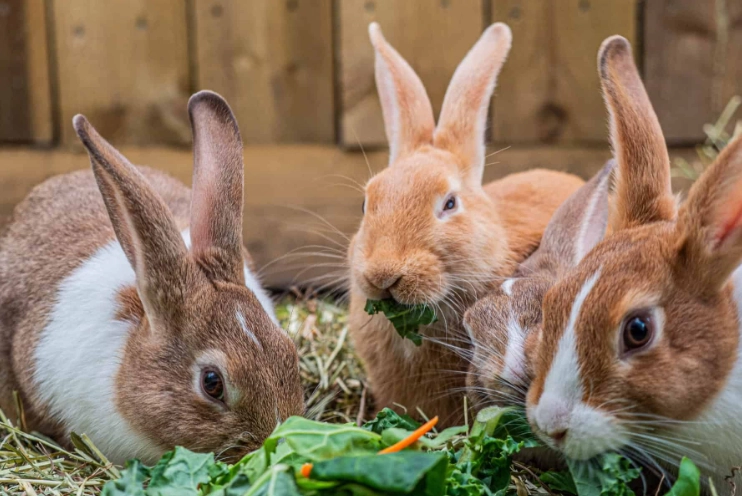
The payoff is immense. A properly fed rabbit is a vibrant one. Their coat is glossy, their eyes are bright, and they have the energy to binky (that joyful jump and twist they do) around the room. You're not just feeding them; you're giving them the foundation for a long, healthy, and happy life. And honestly, that's the best part of being a bunny parent.
Remember: This guide is for general information. Always consult with a rabbit-savvy veterinarian for advice tailored to your specific pet, especially if they have any health conditions.
Reader Comments