Quick Guide
Let's be honest, finding a nest of baby rabbits or realizing your pet rabbit has given birth can send you into a bit of a panic. They look so tiny, hairless, and fragile. I remember the first time I saw newborn kits (that's the proper term for baby rabbits, by the way), I was terrified to even touch them. Everything you've heard about the mother rejecting them if you touch them? Mostly a myth, but we'll get to that. The truth is, knowing how to care for newborn rabbits is a mix of science, patience, and a whole lot of careful observation. It's not always easy, and sometimes, despite your best efforts, nature takes its course. But giving them the best shot is what matters.
This guide isn't meant to scare you. It's meant to walk you through it, step-by-step, from that first moment of "oh no, what do I do?" all the way to seeing them hop around as fuzzy little juveniles. We'll cover the emergency stuff first, then the day-to-day care, and finally the long-term milestones. Whether you're a first-time rabbit owner who had a surprise litter or a good Samaritan who found an orphaned nest, this is the practical, no-nonsense info you need.
The First Rule: Don't assume they're orphaned. Mother rabbits (does) only feed their kits once or twice a day, usually at dawn and dusk, for just a few minutes. She stays away the rest of the time to avoid attracting predators. So if you find a nest of seemingly alone babies, they're probably fine. Watch from a distance. If the nest is tidy and the babies are warm and have round bellies, mom is likely doing her job.
First 48 Hours: Emergency Assessment and Immediate Care
This is the most critical period. Newborn rabbits are altricial, meaning they're born blind, deaf, and nearly hairless, completely dependent on their mother. If you've determined they truly need intervention (cold to the touch, nest destroyed, mother confirmed deceased), here's your action plan.
Step 1: Warmth is Non-Negotiable
Hypothermia is the number one killer of orphaned kits. Their bodies can't regulate temperature. You need to warm them gradually. Don't use direct heat like a heating pad on high or a hairdryer.
- Create a "Hot Water Bottle" Nest: Fill a sock with uncooked rice, tie it off, and microwave it for short bursts until warm (not hot). Wrap it in a soft towel. Place it in a small box lined with soft, unscented bedding (like clean hay or fleece). Put the kits next to it, not on top.
- Use a Heating Pad: If you have one, set it to the lowest setting and place it under only half of the box. This lets the kits move away if they get too warm.
The ideal ambient temperature for the first week is 95-100°F (35-38°C). You can use a digital thermometer to check the area around them.
Warm first, feed later. A cold kit cannot digest food.
Step 2: The Dreaded First Feeding
This is where most people get anxious. Rabbit milk is incredibly rich. The best substitutes are kitten milk replacer (KMR) or goat's milk. Never use cow's milk. You'll also need special syringes or pet nursers. I've had mixed results with the tiny bottles—sometimes the kits just don't get it.
Here's a quick feeding mix recipe I've used in a pinch, based on recommendations from the House Rabbit Society, a fantastic and authoritative resource for all things rabbit:
- 1 part Kitten Milk Replacer (powder mixed as directed)
- 1 part Goat's Milk (canned is fine)
- A tiny pinch of probiotic powder (from a pet store) for gut health.
Warm the milk to body temperature (test a drop on your wrist).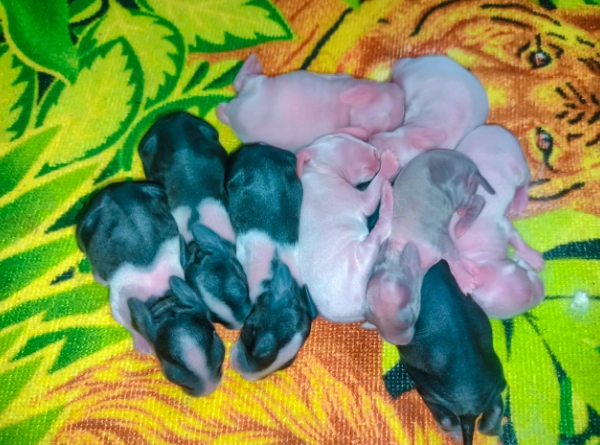
Step 3: How to Actually Feed Them
You must be gentle. Their mouths are tiny. Use a 1ml oral syringe without a needle. Let the kit suckle the drop at the tip. Do not squirt milk into its mouth—this can cause aspiration pneumonia, which is almost always fatal. Tilt them slightly belly-down, mimicking how they would nurse from their mother.
How much? It's not much at all. For a newborn, start with about 0.5 ml per feeding. Let their belly be your guide. You want a gently rounded belly, not a tight, bloated one. Underfeeding is safer than overfeeding at this stage.
| Age | Feeding Frequency | Approx. Amount per Feeding | Key Notes |
|---|---|---|---|
| Birth - 1 Week | Twice daily (every 12 hrs) | 0.5 - 2 ml | Warmth is more critical than food volume. |
| 1 - 2 Weeks | Twice daily | 2 - 5 ml | Eyes open around day 10. Fur starts growing. |
| 2 - 3 Weeks | Twice daily | 5 - 7 ml | Start introducing hay and oat pellets. |
| 3 - 6 Weeks | Once daily, then wean | 7 - 10+ ml | Weaning process begins. Milk intake decreases as solid food increases. |
Step 4: Stimulating Elimination
This part surprises new caregivers. Mother rabbits lick their kits' bellies and genital areas to stimulate urination and defecation. You have to do this too, before or after each feeding. Use a cotton ball or soft cloth dampened with warm water. Gently stroke the area until you see results. Do this until their eyes open (around 10 days old), as their systems mature and they can go on their own.
Big Mistake Alert: Skipping this step. If you don't stimulate them, they can become impacted and die from toxin buildup. It's not optional in the early weeks.
The Weekly Breakdown: What to Expect as They Grow
Learning how to care for newborn rabbits means understanding their development timeline. It's your roadmap to know if you're on track.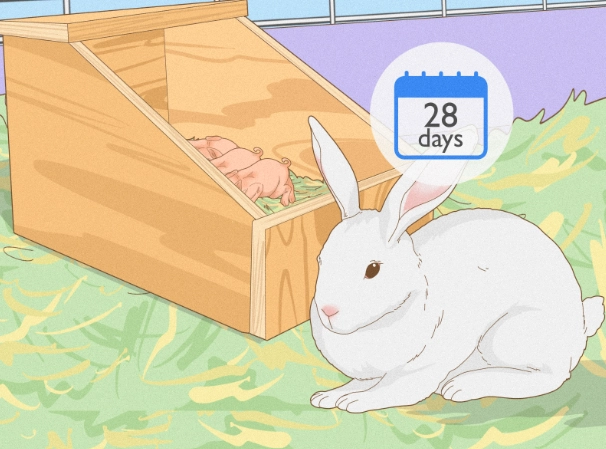
Week 1: The Fragile Phase
They'll look like pink, hairless mice with tiny claws. Their only activities are sleeping, wriggling, and nursing. Keep them in a quiet, dark, and consistently warm place. Disturb them only for feedings and cleaning. Weigh them daily with a small gram scale—steady weight gain (even a gram or two) is a great sign. Loss is a red flag.
I once had a runt in a litter that just wouldn't gain. It's a tough, helpless feeling. Sometimes focusing on keeping it warm and hydrated is all you can do.
Week 2: The Transformation Begins
Fur! It starts growing in around day 4-5, and by the end of the week, they'll look like proper, fuzzy bunnies. Their ears begin to detach from their heads. Their activity level increases slightly. They might start to crawl a bit. This is when you can breathe a tiny sigh of relief—they're getting stronger.
Week 3: Eyes Open and Exploration
Around day 10, their eyes pop open. It's a magical moment. Suddenly, they're aware. They'll start to venture out of their nest area, wobbling on unsteady legs. This is the time to introduce solid foods. Place a shallow dish of fresh alfalfa hay (high in protein and calcium for growing babies) and a small amount of high-quality alfalfa-based young rabbit pellets in their enclosure. Also provide a shallow dish of water. They'll start nibbling and imitating.
Pro Tip: Don't use a water bottle with a ball bearing yet. They might not understand it. A heavy, shallow ceramic dish prevents tipping and is easier for them to learn to drink from.
Their milk intake will still be high, but you'll see them playing with the hay. This is also when their personalities start to peek through. Some are bold, some are shy.
Weeks 4 to 6: Weaning and Independence
This is the messy, fun phase. They're hopping, binkying (those joyful jumps), and eating more solids. The process of learning how to care for newborn rabbits shifts to managing juveniles. Start reducing the amount of milk replacer you offer. By 6-8 weeks, they should be fully weaned onto a diet of unlimited alfalfa hay, a measured amount of alfalfa pellets, and fresh water.
Now, here's a critical health note: their gut flora is establishing. Any sudden diet changes can cause fatal enteritis. Stick to hay and pellets. Introduce fresh greens like romaine lettuce or cilantro very, very slowly and only after 12 weeks of age, one type at a time.
The transition from milk to solids is the second most dangerous period after the first 48 hours. Go slow.
Common Health Problems and Red Flags
Even with perfect care, things can go wrong. Knowing the signs can mean the difference between life and death.
- Bluated or Sunken Belly: A hard, bloated belly after feeding is a sign of overfeeding or gas. A sunken, wrinkled belly signals dehydration or underfeeding.
- Lethargy/Coldness: A kit that feels cool and doesn't squirm when handled is in serious trouble. Return to emergency warming protocol.
- Diarrhea or No Feces: Diarrhea is often fatal in kits and points to infection or wrong formula. No feces means you need to improve stimulation or they're not eating enough.
- Flies or Maggots: This is a nightmarish but real issue called flystrike. Keep the nest impeccably clean. If you see even one fly egg (look like tiny grains of rice), wipe them off immediately with a damp cloth. An infested kit needs immediate veterinary care.
Speaking of vets, find an exotic veterinarian before you have an emergency. Not all vets see rabbits, and even fewer are experienced with neonates. The Association of Exotic Mammal Veterinarians (AEMV) has a locator tool. It's worth the search.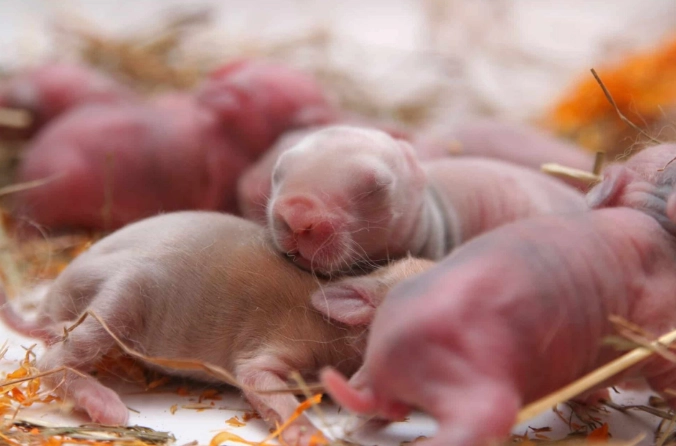
Beyond Survival: Socialization and Long-Term Planning
Okay, they're weaned and hopping. You've mastered the basics of how to care for newborn rabbits. Now what?
Sexing and Separation
You need to determine their sex. This can be tricky before 8-10 weeks. Males (bucks) and females (does) must be separated by 12 weeks absolute latest, as they can become sexually mature. Unplanned litters are how most people end up in this situation to begin with! A vet can help you sex them accurately.
Spaying and Neutering
This isn't optional for responsible rabbit ownership. It prevents reproductive cancers (very high in unspayed does), reduces hormonal aggression, and allows for bonding. Discuss the timing with your exotic vet, usually around 4-6 months of age.
Socialization
Handle them gently and frequently once their eyes are open. Get them used to human touch, different sounds, and being picked up. This makes them better pet companions down the line. But respect their need for quiet time—they still sleep a lot.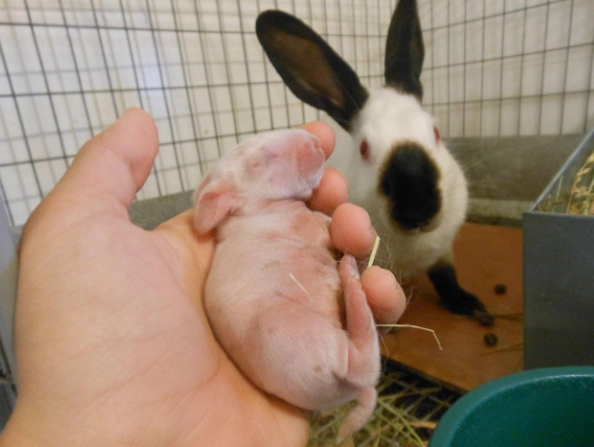
The Hard Questions: FAQ Based on Real Searches
Let's tackle some specific worries people have when they search for how to care for newborn rabbits.
"I touched the babies, will the mother reject them now?"
Almost certainly not. This is a pervasive myth. Rabbit mothers are driven by instinct to care for their young. However, your scent can attract predators. If you need to check on wild kits, gently cover your hands with clean grass or leaves from the nest before touching them. For domestic rabbits, it's fine.
"How can I tell if the mother is feeding them?"
Check their bellies in the morning. They should be plump and round. The skin should look smooth, not wrinkled. They should be warm and content, piled together sleeping. If they're scattered, cold, and crying (a faint squeaking sound), there may be a problem.
"What's the single most important thing for survival?"
In the first week? Consistent, proper warmth. In the second week? Proper feeding technique to avoid aspiration. After that? A stable, correct diet during weaning.
"When can they leave their mother?"
For domestic rabbits, a minimum of 8 weeks is standard. This allows for proper social learning from the mother and littermates and ensures they are fully eating on their own. Some ethical breeders keep them until 10-12 weeks.
"I found a wild baby rabbit alone, what do I do?"
Re-read the "First Rule" at the top of this article. If it's furred, has open eyes, and is larger than a tennis ball, it's likely a juvenile exploring and the mother is nearby. Leave it alone. Only intervene if it's clearly injured, covered in flies, or in immediate danger (like in the middle of a road). For true orphans, contact a licensed wildlife rehabilitator immediately. The Humane Society has guidance on finding one. Raising wild cottontails is extremely difficult and often illegal without a permit.
Wild rabbits are not pets. Their needs are different, and their stress levels in captivity are high.
Final Thoughts from Someone Who's Been There
Caring for newborn rabbits is a marathon, not a sprint. It requires setting alarms for midnight feedings, dealing with the stress of potential loss, and a significant time investment. It's not always successful, and that's a hard truth. I've had litters where every kit thrived, and I've had ones where I lost a few despite doing everything "by the book." It hurts.
But seeing a kit you warmed back to life open its eyes for the first time, or watching a wobbly baby take its first hop towards a piece of hay… there's nothing quite like it. It teaches you about fragility and resilience in equal measure.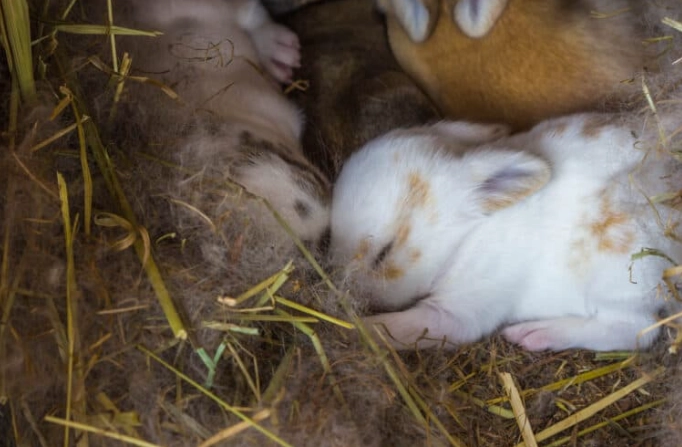
The goal of this guide was to strip away the panic and give you a clear, actionable path. It's the guide I wish I had years ago. Remember, your best tools are patience, observation, and a good exotic vet on speed dial. You've got this.
Now, go check on those babies. And wash your hands.
Reader Comments