Quick Guide to Rabbit Lifespan
- What Really Determines How Long Your Rabbit Will Live?
- Breed Matters: How Old Do Different Types of Rabbits Live?
- The Secret to a Long Rabbit Life: Proactive Care, Not Reactive
- Spotting the Signs of Aging: What Changes as Rabbits Get Older?
- Your Top Questions About Rabbit Lifespan, Answered
- The Emotional Side: It's a Long Commitment
So, you're thinking about getting a rabbit, or maybe you already have one hopping around your living room. One of the very first questions that pops into anyone's head is, how old do rabbits live? It's a big deal, right? You're committing to a little life, and you want to know what you're signing up for. I remember when I got my first rabbit, Thumper, years ago. I asked the pet store employee the same thing, and she just shrugged and said "five or six years, maybe." That wasn't very helpful. It turns out, the answer to "how old do rabbits live" is a lot more complicated—and interesting—than a simple number.
The short, average answer is 8 to 12 years for a well-cared-for house rabbit. But that's like saying the average human lives 80 years. It doesn't tell you about the person who lives to 110 or the factors that cut a life short. For rabbits, that range can swing wildly from just 5 years to an impressive 14 years or more, and it almost entirely depends on you and the choices you make.
Key Takeaway Right Off the Bat: Asking "how old do rabbits live" is the wrong first question. The better question is: "What do I need to do to help my rabbit live the longest, healthiest life possible?" The lifespan is the result, not the starting point.
What Really Determines How Long Your Rabbit Will Live?
Forget luck or genetics for a second (we'll get to those). The biggest chunk of your rabbit's lifespan is determined by care. It's not a mystery. Think of it like a pie chart in your head.
A massive slice of that pie, maybe 60%, is just basic, proper husbandry. Get this wrong, and you're fighting an uphill battle from day one. The other slices are genetics, environment, and a little bit of that unpredictable luck with health.
The Big Three: Diet, Housing, and Vet Care
These are non-negotiable. Skimp here, and you're directly answering the "how old do rabbits live" question with a lower number.
Diet is Everything. I can't stress this enough. A rabbit's gut is a finely tuned, sometimes temperamental engine. The foundation is unlimited, high-quality grass hay (Timothy, Orchard, Oat). It should make up about 80% of what they eat. It keeps their teeth worn down (rabbit teeth never stop growing!) and their digestive system moving. Then, a daily cup of fresh, dark leafy greens (romaine, kale, cilantro—but research which ones are safe). Pellets should be a limited supplement, not the main course. And treats? A tiny piece of fruit is a rare luxury. An improper diet leads directly to GI stasis, dental disease, and obesity—the top killers of pet rabbits.
Housing = Space to Be a Rabbit. The tiny, store-bought cage is a lifespan-shortener. Full stop. Rabbits need room to run, jump (binky!), and explore. The House Rabbit Society, a fantastic resource I wish I'd known about earlier, recommends a minimum enclosure space of at least 8 square feet, plus several hours daily of supervised time in a rabbit-proofed room. A cramped rabbit is a stressed, unfit, and often depressed rabbit. Their muscles weaken, their bones get fragile, and their mental health suffers. It's a slow, sad way to live.
Veterinary Care: The Specialized Kind. This is where many new owners get a nasty surprise. Not all vets are "exotics" vets. You need a veterinarian who specifically knows rabbits. They have unique anatomy and physiology. A standard dog-and-cat vet might miss critical signs. A rabbit-savvy vet will ensure your bunny gets the right vaccinations (like for Rabbit Hemorrhagic Disease Virus, which is nasty and often fatal), knows how to properly spay/neuter them (which itself drastically increases lifespan by eliminating cancer risks), and can diagnose subtle illnesses. Annual check-ups are a must. When you wonder how old do rabbits live in a healthy home, the ones hitting the upper teens always have a great exotics vet on speed dial.
A Personal Mistake I Made: With Thumper, I fed him a diet too heavy on pellets and not enough hay because that's what the bag said to do. He developed mild dental spurs and had a scary bout of GI stasis at age 4. It was a wake-up call. Switching him to a hay-first diet after that incident added, I'm convinced, years to his life. Don't make my early mistake.
Breed Matters: How Old Do Different Types of Rabbits Live?
Here's where genetics come into play. Generally, smaller rabbit breeds tend to outlive the giant ones. It's a common trend in the animal kingdom. A massive Flemish Giant's body just works harder than a tiny Netherland Dwarf's.
Let's break it down. This table gives you a realistic look at average lifespans based on breed size, but remember, these are averages with excellent care. A neglected dwarf rabbit won't live longer than a cherished giant.
| Breed Size Category | Example Breeds | Average Lifespan (with good care) | Key Considerations |
|---|---|---|---|
| Small/Dwarf | Netherland Dwarf, Polish, Holland Lop | 10 - 14+ years | Often hardy, but some dwarf breeds can be prone to specific dental issues due to compact skull shapes. |
| Medium | Rex, Mini Lop, English Spot | 8 - 12 years | The "sweet spot" for many owners—good size and generally robust health. |
| Large/Giant | Flemish Giant, French Lop, Checkered Giant | 5 - 9 years | More prone to arthritis and heart issues later in life due to their size. Require more space and can have higher food costs. |
| Mixed Breed / Rescue | Your typical wonderful mutt-bunny | 8 - 12 years | Often benefit from "hybrid vigor"—mixed genetics can reduce the risk of inherited disorders common in purebred lines. |
See that last row? I'm a huge advocate for adopting mixed-breed rabbits from shelters or rescues. Not only are you giving a home to a bunny in need, but you often get a resilient, healthy animal with a great potential lifespan. My current rabbit, Mochi, is a Rex mix from a rescue, and she's a tank of health at 9 years old.
The Secret to a Long Rabbit Life: Proactive Care, Not Reactive
Waiting until your rabbit is sick to act is the biggest mistake. Long-lived rabbits have owners who are detectives, always observing. You need to know what's normal so you can spot abnormal.
- Daily Health Checks: Just a quick minute during petting. Feel their body for any unusual lumps or bumps. Check their bottom to make sure it's clean (flystrike is a horrific, fast-moving risk for dirty bunnies). Watch them eat and poop. Yes, really. Their poop is a vital health indicator. Round, firm, uniform droppings are good. Small, misshapen, or no droppings is a five-alarm emergency.
- Mental Stimulation: A bored rabbit is a destructive and unhappy rabbit. Provide toys they can toss, chew tunnels, cardboard castles to destroy, and puzzle feeders. Rotate toys to keep things fresh. A stimulated mind keeps them active and engaged.
- Companionship: Rabbits are social creatures. In the wild, they live in complex warrens. A lone rabbit can get lonely and depressed. Consider bonding your rabbit with a neutered/spayed friend. The House Rabbit Society has excellent guides on bonding. Watching two bonded rabbits groom each other and snuggle is heart-melting and adds immense quality—and I believe quantity—to their lives.
It's the little daily things that add up to years.
Spotting the Signs of Aging: What Changes as Rabbits Get Older?
Around 5-6 years old, your rabbit is entering its senior years. Knowing how old rabbits live means knowing what aging looks like. It's not just grey fur (though some get that adorable "salt and pepper" look).
You might notice they're less interested in crazy zoomies and more into long, luxurious naps. Their joints might get a bit stiff, especially in the morning or in cold weather. They may need help grooming hard-to-reach spots, like their back or base of the tail. Their appetite might become more finicky, or they may drink more water. Vision and hearing can diminish.
This isn't a time to pull back on care—it's time to double down. Senior rabbits need:
- More frequent vet visits: Twice a year check-ups to catch issues like kidney disease or arthritis early.
- Dietary adjustments: Softer hay if dental issues arise, maybe a senior-specific pellet.
- Environmental modifications: Lower-sided litter boxes for easier access, more soft bedding, ramps instead of jumps.
- Patience and gentleness: They may startle more easily if their hearing is going. Move slowly and talk to them as you approach.
Your Top Questions About Rabbit Lifespan, Answered
What's the oldest rabbit ever recorded?
The Guinness World Record holder was a rabbit named Mick from Illinois, USA, who lived to be 16 years old. There are plenty of anecdotal reports of rabbits reaching 14 or 15. These are the outliers, the centenarians of the rabbit world, but they prove what's possible with exceptional genetics and care.
Do indoor or outdoor rabbits live longer?
This isn't even a contest. Indoor rabbits live significantly longer, often by several years. Outdoor rabbits face constant threats: extreme temperatures, predators (even with a secure hutch, the stress is immense), parasites, flies, and loneliness. They are also more likely to be forgotten during daily health checks. Bringing a rabbit indoors is one of the single best things you can do for its lifespan and wellbeing. The RSPCA strongly advocates for house rabbits for these very reasons.
Does spaying/neutering affect how long rabbits live?
Absolutely, and overwhelmingly for the better. For female rabbits, spaying eliminates the risk of uterine cancer, which has a shockingly high incidence rate of up to 80% in unspayed does over the age of 4. It's a primary killer. For males, neutering reduces aggression, spraying, and the risk of testicular cancer. The surgery also generally makes rabbits calmer and easier to bond. The benefits for longevity and quality of life are immense.
What are the most common health problems that shorten a rabbit's life?
If you want your rabbit to beat the average on how old rabbits live, you need to be vigilant about these:
- Gastrointestinal (GI) Stasis: The gut slows or stops. It's an emergency. Symptoms include no appetite, no poop, and lethargy. Prevention is through a high-fiber hay diet and stress reduction.
- Dental Disease: Overgrown teeth, spurs, or abscesses. Prevent with unlimited hay to grind teeth down naturally.
- Respiratory Infections (Snuffles): Chronic sniffles, sneezing, discharge. Needs prompt antibiotic treatment from a vet.
- E. Cuniculi (EC): A microscopic parasite that can cause neurological issues, head tilt, and kidney disease. Many rabbits carry it latently; stress can trigger it. Discuss testing and prevention with your vet.
- Cancer: Especially reproductive cancers in unspayed females.
Pro Tip: Start a "bunny first-aid kit" with critical supplies like recovery food (Oxbow Critical Care), a stethoscope to listen for gut sounds, and a pet carrier that's always ready to go. Knowing what to do in the first hour of an emergency can save your rabbit's life.
The Emotional Side: It's a Long Commitment
When you research how old do rabbits live, you're really asking about a relationship. An 8-12 year commitment is longer than many people keep a car or live in a house. It means planning for vacations (who will care for them?), budgeting for potential vet bills (pet insurance for rabbits is a thing, and worth looking into), and understanding that your lifestyle will change.
They're not low-maintenance pets. They're complex, intelligent, sometimes stubborn, and incredibly rewarding animals. The flip side of that potentially long lifespan is the inevitable goodbye. It hurts. Deeply. But the years of companionship, the silly binkies, the gentle nose bonks, and the quiet trust are worth every second.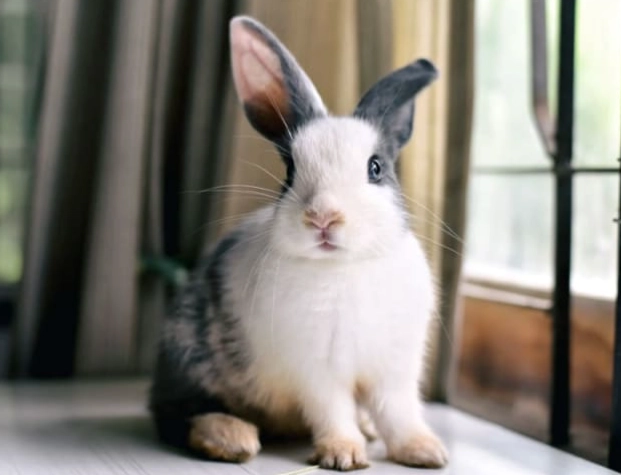
So, instead of just asking "how old do rabbits live," ask yourself: "Am I ready to provide the home that will let a rabbit live to its fullest, oldest potential?" If the answer is yes, you're in for one of the most unique and wonderful friendships imaginable. Start with the basics—unlimited hay, a big space, a rabbit-savvy vet, and a lot of love—and you'll be well on your way to having a happy, hoppy companion for many years to come.
The goal isn't just to have a rabbit that lives a long time. It's to have a rabbit that thrives for all the time it's with you. Lifespan is the number, but quality of life is the whole story.
Reader Comments