Quick Navigation
- First Things First: Why Breed, and Are You Ready?
- The Pre-Breeding Checklist: Getting Your Ducks (or Rabbits) in a Row
- The Main Event: A Step-by-Step Look at How Do You Mate Rabbits
- What Comes After: From Mating to Kits
- Common Problems and How to Solve Them
- Frequently Asked Questions (The Stuff You're Really Wondering)
- Final Thoughts: The Responsibility of Knowing How to Mate Rabbits
So, you're thinking about breeding rabbits. Maybe you want a few more for your backyard, perhaps you're interested in showing, or maybe you're just curious about the whole process. Whatever your reason, the question "how do you mate rabbits" is where it all starts. It sounds simple, right? Just put a buck and a doe together. I used to think that too, back when I started. Let me tell you, it's a bit more nuanced than that, and getting it wrong can lead to stress, injury, or no babies at all.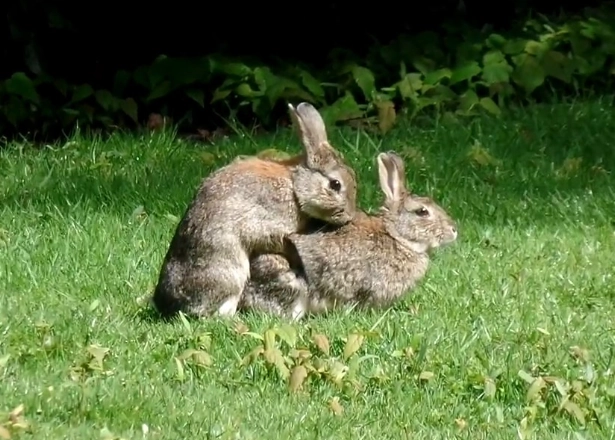
Over the years, I've made my share of mistakes—tried pairing rabbits that absolutely hated each other, misjudged a doe's readiness, even had a buck who was more interested in exploring the room than his potential mate. It's a learning process. This guide isn't just a dry list of steps; it's everything I wish I'd known when I first started, packed with the practical, sometimes messy details you only get from experience.
First Things First: Why Breed, and Are You Ready?
Let's hit pause for a second. Before you figure out how do you mate rabbits, ask yourself why. Is it for pets? For show? For meat or fiber? Your goal shapes everything from the breeds you choose to how you manage the process. Breeding pet rabbits to sell requires a different mindset than breeding for specific show standards.
And readiness isn't just about the rabbits. It's about you. Do you have the space for multiple cages (because you should never house bucks and does together permanently)? The time for daily checks, especially during kindling? The budget for potential vet bills if something goes wrong? The resources to feed a suddenly larger colony? Be brutally honest with yourself here.
The Pre-Breeding Checklist: Getting Your Ducks (or Rabbits) in a Row
Okay, you've thought it through and you're committed. Excellent. Now, success in learning how do you mate rabbits is 70% preparation. Rushing this part is the biggest mistake beginners make.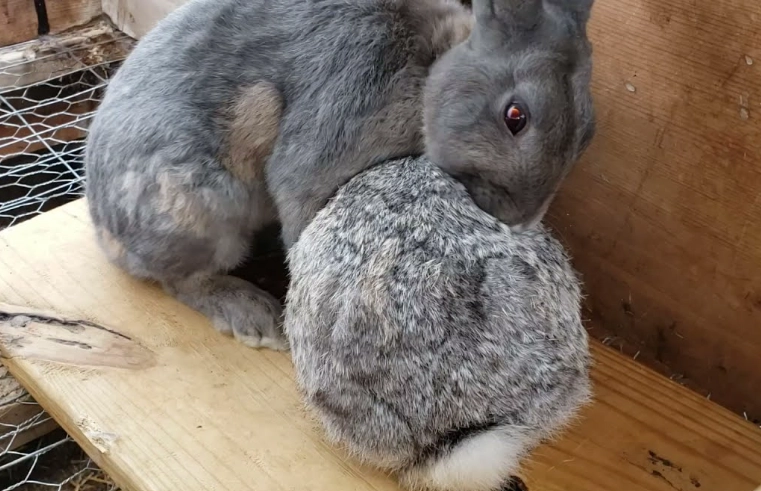
Choosing Your Breeding Stock
You can't just pick any two rabbits. Health and temperament are non-negotiable. Never breed from a rabbit with a history of illness, genetic defects (like malocclusion), or a nasty temperament. That last one is often heritable, and nobody wants a cage full of aggressive bunnies. Look for active, curious rabbits with bright eyes, clean fur, and a good body condition—not too fat, not too thin.
Age is critical. A doe should be at least 6 months old for small/medium breeds and 8-9 months for giants. Bucks can be ready a bit earlier, around 5-7 months. Breeding too early can stunt the doe's growth and lead to complications. On the flip side, breeding a doe for the first time after she's 2-3 years old can also be tricky, as her pelvic bones may fuse.
Setting Up the Breeding Environment
Always, always bring the doe to the buck's cage. Never the other way around. Does are fiercely territorial. If you put the buck in her space, she's likely to attack him to defend her territory, and you'll end up with a injured, terrified buck instead of a successful mating. The buck's cage is neutral ground for her.
Make sure the buck's cage is clean, has solid footing (wire floors can be slippery and dangerous during mating), and has all toys, food bowls, and distractions removed. You want his focus to be on one thing only. A spacious cage is better than a cramped one for this activity.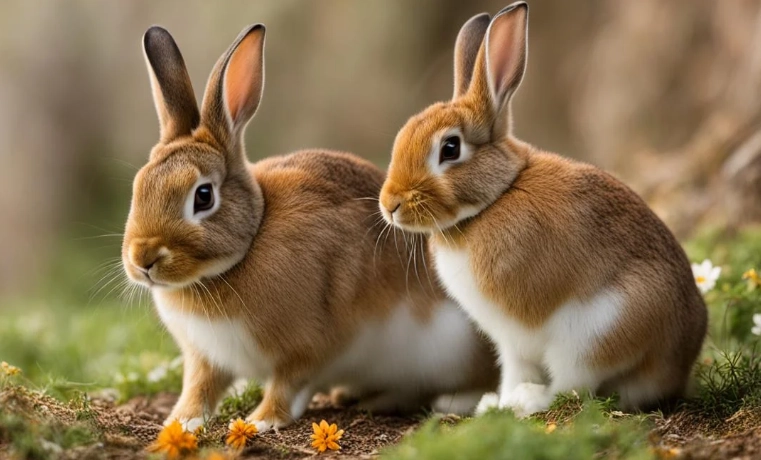
Health and Nutrition Prep
About a month before you plan to breed, get both rabbits checked for overall health. Ensure they are up-to-date on any preventative care. Their diet should be optimal—a base of high-quality grass hay (like timothy), a measured amount of good pellets, and fresh greens. An overweight rabbit will have a harder time breeding and kindling. An underweight one won't have the reserves for pregnancy.
The Main Event: A Step-by-Step Look at How Do You Mate Rabbits
Here we go. The actual process of how do you mate rabbits. It can be quick, or it can require patience. Set aside at least 30 minutes where you can observe without rushing.
- The Introduction: Gently place the doe into the buck's cage. Do it calmly. Then, step back. Do not hover over the cage making nervous noises—it distracts them. Watch from a slight distance.
- The Dance: The buck will likely approach immediately, sniffing and circling. The doe might initially be standoffish. She may even grunt or box at him. A little of this is normal as they establish the interaction. If she is aggressively attacking, remove her immediately to prevent injury.
- The Mount and Fall: If the doe is receptive, she will eventually lift her hindquarters and arch her back, presenting herself. The buck will mount. Successful mating is very quick. You'll see him thrust a few times, then he will typically let out a distinct squeal or grunt and fall over sideways or backwards. This "fall off" is the classic sign of a successful mating.
- The Repeat (Maybe): Often, a single successful fall is enough. Many breeders, however, will leave the doe with the buck for a second mating after a short break (10-15 minutes) to increase the chances of conception. Some bucks will mate multiple times in a session.
- The Separation: Once you're done (whether after one fall or a few), promptly and calmly remove the doe and return her to her own cage. Give them both a favorite treat and some quiet. The buck, especially, will be tired.
What if she's not interested? It happens. Does have cycles of receptivity, often every 7-10 days, where their vulva becomes dark pink, red, and swollen. A pale, light pink vulva usually means she's not in the mood. If she's just being stubborn, some tricks include:
- Taking her for a short, bumpy car ride (sounds weird, but the stress can sometimes trigger receptivity).
- Placing her in a cage next to the buck for a day so they can get acquainted through the wire.
- Switching cages for a few hours before the introduction (so she smells like his space and vice versa).
If she's consistently aggressive or disinterested, don't force it. Try again in a few days.
What Comes After: From Mating to Kits
Knowing how do you mate rabbits is just chapter one. What you do next determines if you get healthy babies.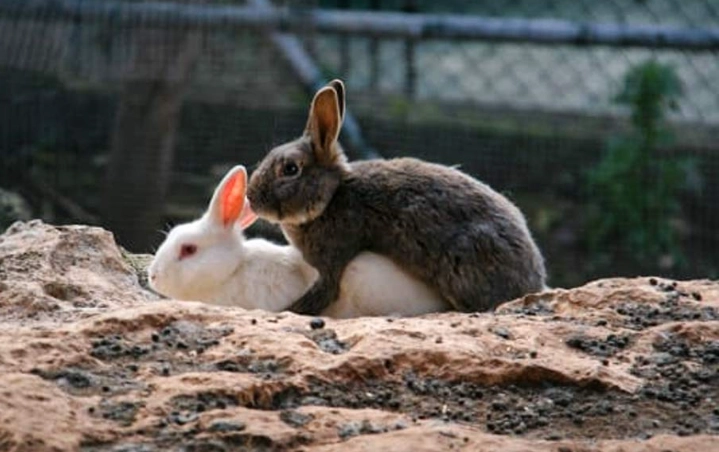
Confirming Pregnancy and Gestation Care
Rabbit gestation is short—about 28 to 32 days. You can try to palpate the doe's abdomen around day 10-14; you might feel small, marble-sized embryos. I'll be honest, I'm not great at this and often worry I'm just feeling poop. It takes practice. More reliable signs are weight gain, increased appetite (especially in the last week), and nesting behavior closer to day 28.
During pregnancy, the doe's diet should be gradually increased. By the final week, she should have unlimited access to pellets and hay. Fresh water is absolutely critical. Provide a sturdy nest box around day 26-27. Fill it with soft hay. She'll rearrange it and pull her own fur to line it.
The Big Day: Kindling
Kindling (birth) usually happens at night or in the early morning. It's fast and private. Your job is to check the nest box once she's done. Do this calmly. Remove any deceased kits or placenta. Count the healthy ones. The doe will cover them back up with fur. Do not handle the kits excessively in the first few days unless necessary.
A common worry: "The doe isn't sitting on the babies!" That's normal. Rabbits are prey animals and only nurse their kits once or twice a day for just a few minutes, usually under cover of darkness. As long as the kits are warm and have round bellies in the morning, she's feeding them.
Raising the Kits
The kits will open their eyes around 10-12 days and start venturing out of the nest box soon after. The doe will continue to nurse them until weaning, which typically starts around 4-5 weeks and finishes by 8 weeks. At weaning, separate the kits by sex. Brothers can start fighting as they reach sexual maturity, and you absolutely do not want accidental sibling breedings.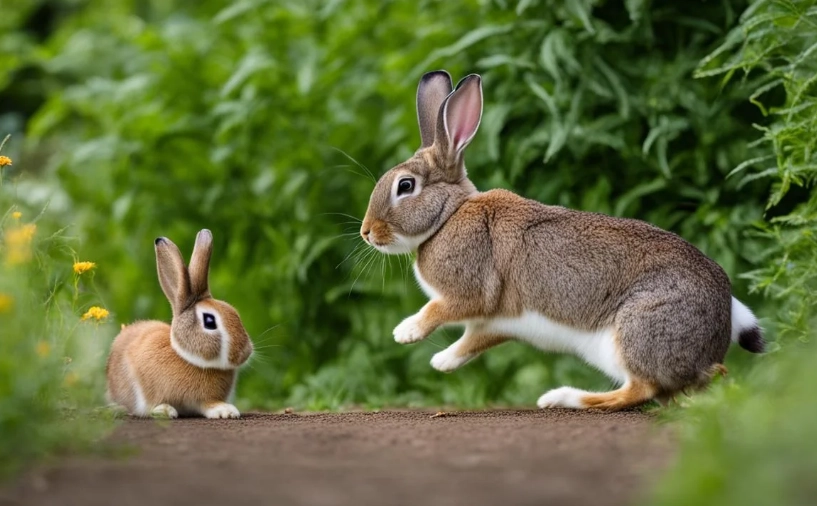
| Breed Size Category | Minimum Doe Breeding Age | Average Litter Size | Gestation Period | Weaning Age |
|---|---|---|---|---|
| Small (e.g., Netherland Dwarf) | 6 months | 2-4 kits | 28-31 days | 6-8 weeks |
| Medium (e.g., Rex, Californian) | 6-7 months | 6-8 kits | 29-31 days | 7-8 weeks |
| Large/Giant (e.g., Flemish Giant) | 8-9 months | 6-10 kits | 30-32 days | 8-9 weeks |
Common Problems and How to Solve Them
Even when you know the textbook answer to how do you mate rabbits, things go sideways. Here's a quick trouble-shooter:
- The Buck Won't Mate: Is he too hot? Overweight? Stressed? Try early morning or late evening when it's cooler. Ensure his diet is lean. Sometimes a younger, more experienced buck is just... shy. A different, very receptive doe can sometimes boost his confidence.
- The Doe Eats Her Litter: This is heartbreaking. It can be due to stress, lack of water (crucial for milk production), nutritional deficiency, or a first-time mother's inexperience. Providing a quiet environment, unlimited water, and a high-protein snack after birth (like a piece of plain oatmeal) can help.
- No Pregnancy After Multiple Tries: Either the buck or doe could be infertile. Age, obesity, or underlying health issues (like infections) can be causes. It might be time for a vet check for both. The Merck Veterinary Manual notes that reproductive issues in rabbits can stem from various factors, including nutritional imbalances and environmental stress.
Frequently Asked Questions (The Stuff You're Really Wondering)
This is a big ethics question. A doe's body needs time to recover. Commercial operations might breed back immediately after weaning, but for a hobbyist, I think that's too hard on her. A common, more conservative schedule is 3-4 litters per year max, with ample rest between. A reputable source like the American Rabbit Breeders Association (ARBA) provides guidelines on responsible breeding practices for different goals.
Technically, yes, they can and will. But you should never intentionally allow this. Inbreeding (linebreeding is a controlled version used by experts) dramatically increases the risk of genetic defects, weakened immune systems, and stillbirths. Always separate littermates by sex before they reach maturity (10-12 weeks).
It is surprisingly possible, especially if the wire spacing is large enough. Rabbits are determined. Consider it a successful mating and mark your calendar. This is why you should not house mature, intact bucks and does in adjacent cages with large wire gaps.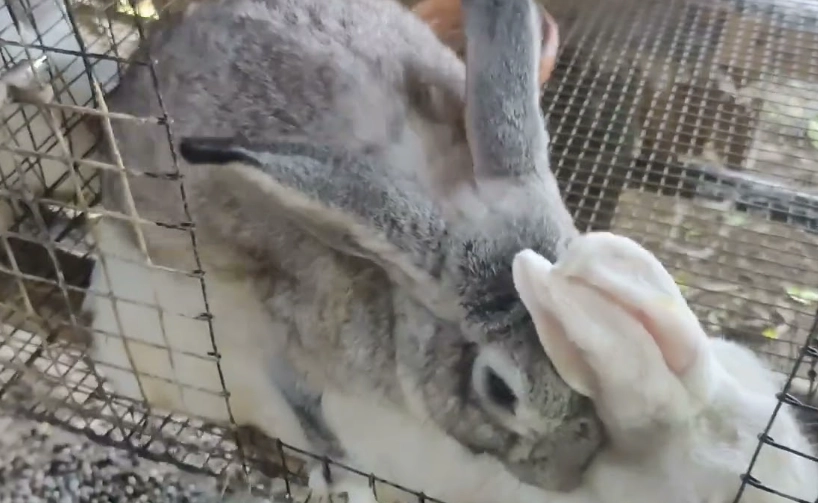
A doe can exhibit all the signs of pregnancy—weight gain, nest building, even pulling fur—without being pregnant. It's triggered by the mating process or sometimes just by the presence of a buck. It usually resolves on its own in about 17-18 days. If it happens frequently, it might indicate low fertility.
Final Thoughts: The Responsibility of Knowing How to Mate Rabbits
Learning how do you mate rabbits is the easy part. The real work is in the preparation, the daily care, the problem-solving, and the lifelong commitment to the animals you bring into the world. It can be incredibly rewarding to see a healthy litter grow up, but it's also messy, sometimes sad, and always a lot of work.
My personal rule now? I only breed when I have a specific goal (improving a line for show, preserving a color) and guaranteed homes for every single kit. The pet overpopulation problem is real, and adding to it carelessly is irresponsible.
Start slow. Breed one pair. Learn from the experience. Talk to other breeders, join forums, and never stop asking questions. The best rabbit breeders are the ones who realize there's always more to learn about these fascinating, complex animals. Good luck!
Reader Comments