Quick Guide
- The Basics: Rabbit Reproduction 101
- When Are Rabbits Ready to Mate?
- The Rabbit Mating Dance: Step-by-Step
- How to Tell if Mating Was Successful
- The Numbers: Rabbit Pregnancy and Litter Facts
- Common Questions About How Rabbits Mate
- The Big Responsibility: Why You Should Think Twice
- Caring for a Pregnant Doe and Newborn Kits
- Final Thoughts on Bunny Reproduction
So, you're wondering how do rabbits mate. Maybe you're a new rabbit owner, a curious kid with a pet bunny, or someone who just saw a wild rabbit chase and got intrigued. It's a common question, but the answer is more fascinating than you might think. It's not just about putting two bunnies together and hoping for the best. There's a whole dance to it, a set of instincts and behaviors that have kept rabbits thriving for millennia.
I remember when I first got into rabbits. I read all the books, thought I knew everything. Then I tried to introduce my first pair. Let's just say it didn't go as smoothly as the textbooks promised. One was eager, the other wanted nothing to do with it. That's when I realized understanding how do rabbits mate is less about cold biology and more about reading their body language.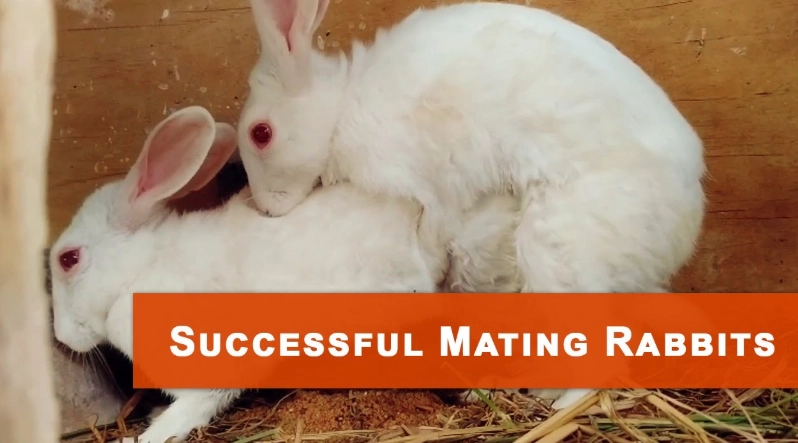
This guide will walk you through the entire process, from the first flirtatious hop to caring for a potential litter. We'll ditch the overly technical jargon and talk about what actually happens, what you should look for, and the big responsibilities that come with rabbit breeding.
The Basics: Rabbit Reproduction 101
Rabbits are famous for their, well, enthusiasm for reproduction. There's a reason for the phrase "breeding like rabbits." They are induced ovulators. That's a fancy way of saying the female rabbit (doe) doesn't have a regular heat cycle like dogs or humans. Instead, she releases eggs in response to the act of mating itself. This biological trick is a huge part of why they can reproduce so quickly and efficiently.
It means the timing is almost always right from the doe's perspective, provided she's mature and healthy. The buck (male rabbit), on the other hand, is pretty much always ready. This biological setup is the engine behind the whole process of how rabbits mate.
Key Takeaway: Because does are induced ovulators, pregnancy is extremely likely after a successful mating. There's no "safe period." If you don't want baby rabbits (kits), keep males and females strictly separated. No exceptions.
When Are Rabbits Ready to Mate?
This is where many first-time owners get tripped up. Rabbits reach sexual maturity way earlier than their size might suggest.
Smaller breeds (like Netherland Dwarfs or Polish) can be ready as early as 3.5 to 4 months. Imagine that—a tiny bunny that still looks like a baby can become a parent. Medium to large breeds (like Californians or Flemish Giants) mature a bit later, around 5 to 8 months. It's crucial to separate males and females by 10-12 weeks at the absolute latest to prevent any surprise litters.
Just because they can mate, doesn't mean they should at that age. Breeding a doe on her first possible heat is like asking a teenager to run a marathon. Her body isn't fully developed. Most responsible breeders wait until a doe is at least 6-8 months old for smaller breeds and 8-10 months for larger ones. Bucks can be used a bit earlier, but it's wise to let them mature mentally as well.
The Rabbit Mating Dance: Step-by-Step
Alright, let's get to the core of how do rabbits mate. It's a fast process, but each step has meaning.
1. The Introduction and Courtship
Never just toss two rabbits into a cage. That's a recipe for a fight. The introduction should be in a neutral space, one neither rabbit considers its territory. A bathroom, a playpen, or a table top works.
Watch the body language. A receptive doe might initially seem aloof or even grumpy. She may circle the buck, lower her head, or present her hindquarters. The buck will be interested, sniffing, nuzzling, and maybe doing a little dance called "honking"—circling her while making a soft grunting or buzzing sound. He might also spray urine, which is a territorial and courtship behavior (not the most pleasant part, honestly).
If the doe is NOT receptive, she'll make it painfully clear. Growling, lunging, biting, or running away. If this happens, separate them immediately. Trying to force it is stressful and dangerous. You can try again another day, but some does are just picky.
2. The Actual Act
If the doe is receptive, she'll eventually lift her hindquarters and arch her back, presenting herself. This is the green light. The buck will mount from behind very quickly. The actual copulation lasts mere seconds—you might just see a quick thrust and then he'll often fall off to the side or backwards, sometimes with a little squeak or kick. This is completely normal.
A single successful mating is usually enough to trigger ovulation and cause pregnancy. However, in controlled breeding, it's common to allow the buck to mate with the doe several times over a short period (like returning him to her after a 10-15 minute break) to increase the chances of conception. After he's done, he might seem disinterested or even groom himself. The doe might also shake herself off.
3. After Mating: The "Fall Off"
That dramatic fall or flop the buck does? It's a classic sign of a successful mating. It's not him being clumsy; it's a physiological reaction. Consider it nature's confirmation message.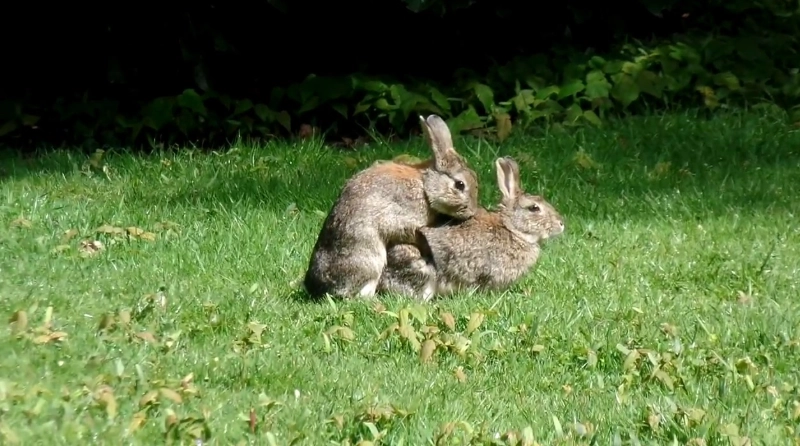
How to Tell if Mating Was Successful
You won't know for sure for a couple of weeks, but there are early hints. About 10-14 days after mating, you can try a method called "palpating." This involves gently feeling the doe's abdomen for small, grape-sized embryos. I must stress, this takes practice and a very gentle touch. If you're not confident, don't do it—you could harm the developing kits. It's often better to wait for other signs or have a vet check.
Other signs of pregnancy include:
- Nesting behavior: Around day 28-29 (just before giving birth), she'll start pulling fur from her chest and belly and gathering hay or bedding to build a nest.
- Increased appetite and weight gain: She'll start eating more and her sides will begin to round out.
- Behavioral changes: She might become more territorial, moody, or on the flip side, more affectionate.
A Critical Warning: If a doe is bred but does not conceive (a "false pregnancy"), she may still show nesting behavior and even pull fur around 18 days post-mating. This hormone-driven phase will pass in a few days. It's confusing, I know. It shows why understanding the full cycle is key when learning how do rabbits mate and reproduce.
The Numbers: Rabbit Pregnancy and Litter Facts
Let's break down the timeline and statistics, because rabbits are nothing if not efficient.
| Stage | Timeframe | Key Details |
|---|---|---|
| Gestation Period | 28 to 32 days | Average is 31 days. Smaller breeds tend to have shorter pregnancies. |
| Litter Size | 4 to 12 kits | Average is 6-8. First-time moms often have smaller litters. |
| Time to Re-breed | Can be immediate | A doe can conceive again within 24 hours of giving birth. This is called a "back-to-back" pregnancy and is extremely taxing on her body. Responsible breeders always avoid this. |
| Weaning Age | 6 to 8 weeks | Kits start nibbling solid food around 3 weeks, but need mom's milk for full nutrition. |
| Doe's Fertility Window | Most of adult life | Does can produce litters for 4-5 years, but breeding is usually stopped earlier for their health. |
Seeing these numbers, it becomes crystal clear why rabbit populations can explode. A single doe can theoretically produce many, many litters in a year. In a domestic setting, this is a huge responsibility.
Common Questions About How Rabbits Mate
Here are the things people really want to know, the questions that pop up after the basic "how do rabbits mate" is answered.
Do rabbits mate for life?
No, not at all. Rabbits are not monogamous. In the wild, they live in loose colonies and males will mate with any receptive female. In captivity, they don't form lifelong pair bonds through mating. Bonding between pet rabbits is a separate, social process.
How long does rabbit mating take?
The physical act itself is incredibly brief, often just a few seconds. The entire courtship and introduction process beforehand can take from a few minutes to half an hour.
Can a brother and sister rabbit mate?
Yes, they absolutely can and will if kept together past sexual maturity. This is called inbreeding and it's a terrible idea. It significantly increases the risk of genetic defects, weak immune systems, and stillborn kits. Always separate littermates by 10-12 weeks.
My rabbits mated by accident. What do I do?
First, separate them immediately to prevent another pregnancy. Then, mark your calendar. In about a month, you need to be prepared for kits. Ensure the pregnant doe has an excellent diet (unlimited hay, fresh greens, and increased pellets). Provide a nest box around day 28. And start thinking about homes for the babies well before they are born. This is the number one headache for rabbit shelters—unplanned litters.
Why is my rabbit refusing to mate?
So many reasons. She might be too old, too young, not in optimal health, overweight, or stressed. The environment might be wrong (too noisy, too hot, her territory). Or, she might just not like that particular buck. Personality plays a bigger role than we give them credit for. I've had does who would accept any buck, and others who were utterly disdainful of every suitor I introduced.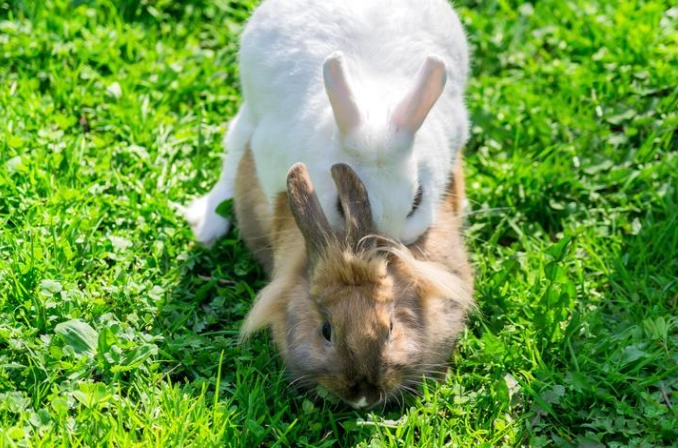
The Big Responsibility: Why You Should Think Twice
Here's my personal opinion, born from years of experience and seeing the fallout in rescue communities: most people should not breed their rabbits. Understanding how do rabbits mate is interesting, but acting on it is a serious commitment.
There are already thousands of wonderful rabbits in shelters needing homes. Breeding should only be done with a clear purpose: to improve a recognized breed with excellent health and temperament, with a waiting list of responsible homes, and with the resources to care for the doe and kits if anything goes wrong. It's not a way to "let the kids see the miracle of life." That miracle often involves complications, vet bills, and eight more rabbits to responsibly rehome.
The single most important thing you can do for your rabbit's health and to prevent unwanted litters is to have them spayed or neutered. This eliminates reproductive cancers (very common in unspayed does), reduces territorial behaviors, and allows for safe bonding. Organizations like the House Rabbit Society have extensive resources on the benefits of rabbit surgery and finding a rabbit-savvy vet.
If you're fascinated by the biology, that's great. Learn about it. Watch documentaries. Read resources from agricultural extensions, like those from University of Minnesota Extension, which provide science-based information on animal reproduction. But please, unless you are prepared for the immense responsibility, enjoy your rabbits as spayed/neutered companions.
Caring for a Pregnant Doe and Newborn Kits
If you are in a responsible breeding program or dealing with an accidental pregnancy, here's what you need to know.
The doe needs a high-quality diet: unlimited grass hay (timothy or orchard), fresh leafy greens (romaine, kale, cilantro), and a slight increase in her pellet ration. Provide a quiet, stress-free environment. Around day 28, give her a nest box filled with soft hay. She'll arrange it and pull her fur to line it.
Kindling (birth) usually happens at night or in the early morning. It's fast and she does it alone. Do not disturb her. She will eat the placenta and clean the kits. Your job is to check on them quietly once she's left the nest. Remove any dead kits (sadly, it happens). The kits will be hairless, blind, and deaf. Just ensure they are in the nest and covered with fur.
The biggest mistake new breeders make is constantly fussing over the nest. Leave it alone. The doe will feed them once or twice a day, usually when no one is watching. As long as the kits are warm and have round bellies, they are fine. By two weeks, they'll have fur and open their eyes. By three weeks, they'll hop out of the nest and start exploring.
Weaning happens between 6-8 weeks. At 8 weeks, they should be fully independent and can be separated from the mother. They should also see a vet for a check-up before going to their new homes.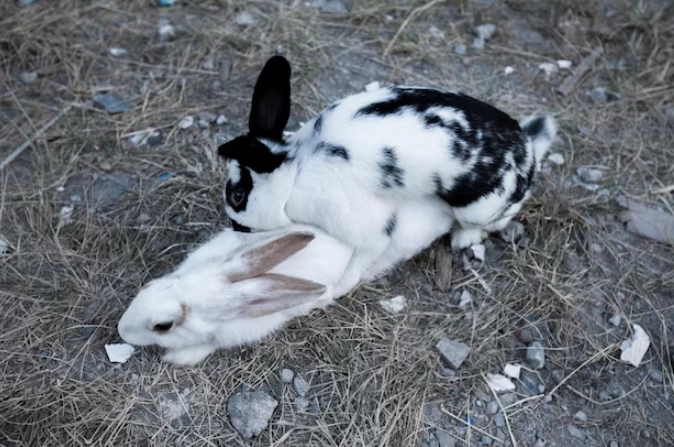
Final Thoughts on Bunny Reproduction
So, how do rabbits mate? It's a swift, instinct-driven process perfected by evolution for speed and efficiency. From the buck's courtship dance to the doe's induced ovulation, every step maximizes the chance of new life.
But knowing how it works is just the first page of the story. The real story is about the life that follows—the 31-day pregnancy, the blind and helpless kits, the eight weeks of care, and the lifelong commitment to finding them good homes. It's demanding, sometimes heartbreaking, and always a huge responsibility.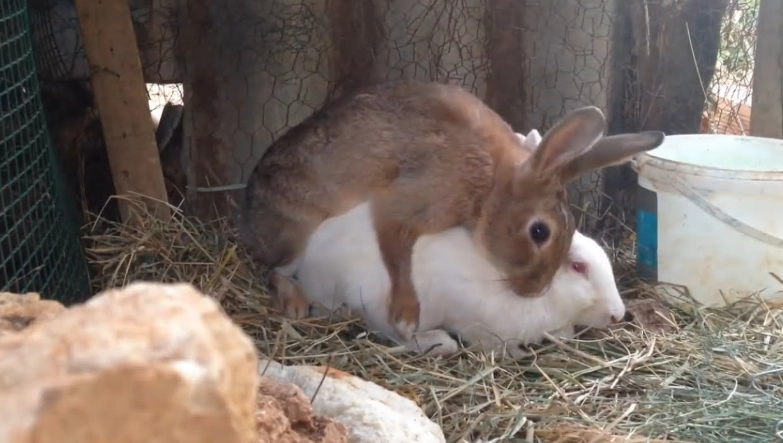
My advice? Appreciate the incredible biology. Be a responsible owner by spaying and neutering. And if you ever do decide to breed, do it with your eyes wide open, for the right reasons, with all the knowledge and resources you can gather. The rabbits will thank you for it.
For more in-depth, scientific information on rabbit physiology and breeding management, reputable sources like MSD Veterinary Manual offer peer-reviewed material that can deepen your understanding beyond the basics of behavior.
Reader Comments