Quick Guide
- Why Are Rabbits in My Yard? (Understanding the Enemy)
- The Rabbit Deterrent Leaderboard: Ranking Your Options
- Method Deep Dive: How to Actually Make It Work
- What About More Extreme Measures?
- The Long Game: Making Peace (or at Least a Truce)
- Answers to the Questions You're Actually Asking
- Wrapping It Up: Your Action Plan
Let's be honest. One minute you're admiring your tender young lettuce sprouts, and the next, they look like they've been hit by a tiny, furry lawnmower. You stare at the clean-cut stems, see the little round droppings, and the question forms with a sigh: how do I get rid of rabbits? It's a frustrating battle, one I've fought myself in my own backyard. They're cute, sure, until they turn your prized hostas into lace and your bean seedlings into memories.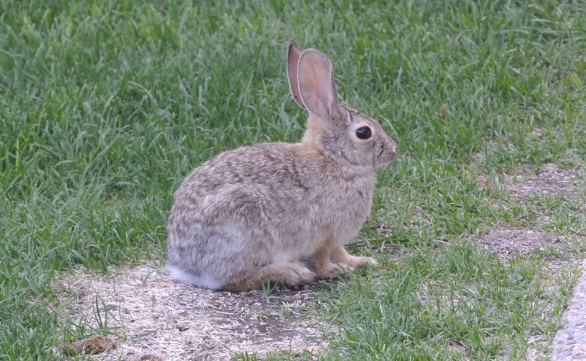
This isn't about declaring war on all bunnies. It's about coexistence on your terms. Getting rid of rabbits isn't usually about one magic trick; it's about a strategy. They're persistent, clever foragers with a great sense of smell and a need to eat constantly. So, if you're looking for a quick fix, you might be disappointed. But if you want a clear, step-by-step plan that combines understanding, prevention, and action, you're in the right place. We'll dive into everything from why they picked your yard in the first place to the most effective (and humane) ways to encourage them to dine elsewhere.
The Core Idea: Rabbit control is less about attack and more about making your property an unattractive, inconvenient, and unsafe dining option compared to your neighbor's place. Think like a security consultant for your garden.
Why Are Rabbits in My Yard? (Understanding the Enemy)
Before you start buying gadgets and sprays, take a minute. Why did the rabbits choose you? If you don't solve this, any solution will be temporary. Rabbits need three things: food, shelter, and safety.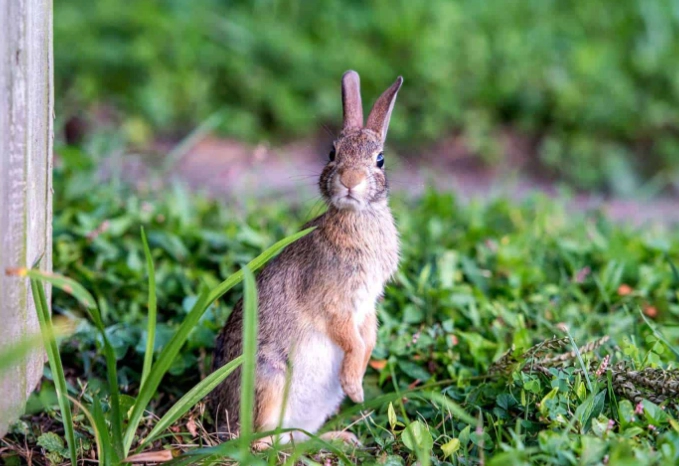
Food: Your lawn isn't just grass to them. Clover, dandelions, plantain—these are rabbit caviar. Your garden? That's a five-star buffet. Tender veggies (beans, peas, lettuce, broccoli), herbs, and even the bark of young trees in winter are all on the menu.
Shelter: They need places to hide from hawks, foxes, and the neighbor's cat. That pile of brush, the space under your deck or shed, thick shrubbery, or tall, unmowed grass at the edge of your property—these are perfect rabbit condos.
Safety: They feel safe in places with quick escape routes. An open lawn is terrifying. A lawn bordered by dense cover is inviting.
So, look around. If you're providing a tasty buffet right next to a safe apartment complex, you've rolled out the welcome mat. The first step in figuring out how to get rid of rabbits in yard spaces is auditing your own landscape.
The Rabbit Deterrent Leaderboard: Ranking Your Options
Not all methods are created equal. Some are brilliant, some are okay, and some are a total waste of money. Based on effectiveness, cost, and effort, here's my personal ranking of the main ways people try to get rid of rabbits.
| Method | Effectiveness | Effort/Cost | Best For | My Notes |
|---|---|---|---|---|
| Physical Fencing (Properly Installed) | Excellent | High/Moderate-High | Vegetable gardens, prized flower beds | The gold standard. If done right, it's 95% effective. It's work to set up, but then you can relax. |
| Habitat Modification | Very Good | Moderate/Low | Whole-yard management, long-term prevention | This is the smart, long game. Remove their housing and they'll move on. It takes consistency. |
| Commercial Repellents (Liquid/Granular) | Good to Fair | Low-Moderate/Moderate | Supplemental protection, specific plants | Weather washes them away. You must reapply constantly. Can be pricey over a season. Some smell awful. |
| Natural/Home Repellents | Fair to Unreliable | Low/Low | Experimenters, mild infestations | Things like blood meal, pepper spray, or human hair. Results are hit-or-miss. Rabbits can get used to them. |
| Scare Devices & Noise | Poor | Low/Moderate | A temporary shock at best | Rabbits are smarter than we think. They figure out fake owls and flashing lights are harmless in days. Ultrasonic devices? I've seen zero convincing evidence they work on rabbits. |
| Trapping & Relocation | Legally & Ethically Complex | High/Varies | Last resort, local laws permitting | This is a minefield. Many states prohibit relocating wildlife. It often just moves the problem and stresses the animal. Check your local USDA Wildlife Services and state regulations first. |
See that? The most reliable methods aren't the flashy gadgets. They're the physical and environmental changes. That tells you a lot about how do i get rid of rabbits effectively—it's more about labor than magic.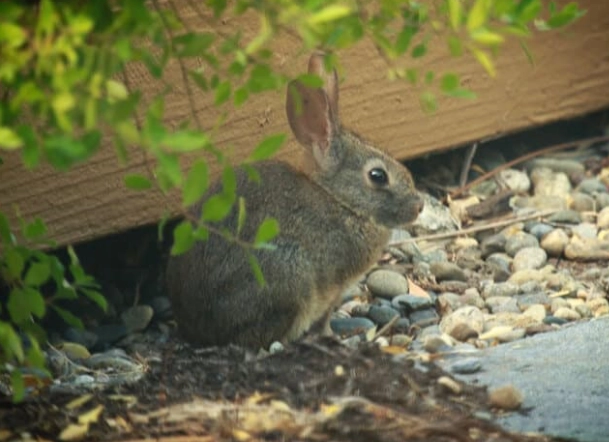
Method Deep Dive: How to Actually Make It Work
Okay, so you know the rankings. Let's get into the nitty-gritty of making the top methods work for you.
The Fence: Your Garden's Fortress Wall
This is the single best answer to how to get rid of rabbits from a specific area. But you have to do it right. A chicken wire fence that stops at the soil surface is just a suggestion to a rabbit.
The Rules for a Rabbit-Proof Fence:
- Material: Use 1-inch or smaller mesh chicken wire or hardware cloth. Baby rabbits can squeeze through anything bigger.
- Height: At least 2 feet tall. Rabbits aren't great high jumpers, but they can scramble.
- The Critical Part - The Bury: This is where most fail. Rabbits dig. You must bury the bottom 3-6 inches of the fence outward, away from the garden, forming an "L" shape underground. Or, pin the bottom tightly to the ground with landscape staples every few feet. No gaps.
- Gates: Don't forget the gate! It needs the same tight, ground-level seal.
A Personal Mistake: I once just stapled fencing to wooden posts and called it a day. Woke up to a rabbit inside the fenced area, happily munching. It had simply pushed under a slightly loose section. Burying or securing the bottom is non-negotiable.
Habitat Modification: Take Away Their Home
This is about making your yard a bad neighborhood for rabbits. It's proactive and, in my opinion, the most satisfying long-term solution.
Action List:
- Clear Clutter: Remove brush piles, stacks of wood, and piles of leaves. These are prime hiding and nesting spots.
- Seal Off Structures: Install sturdy wire mesh (hardware cloth) around the base of decks, sheds, and porches. Leave a small gap for ventilation but block access.
- Manage Vegetation: Keep grass mowed, especially at property edges. Trim back the bottom branches of dense shrubs to open up sight lines and remove hiding spots.
- Consider Your Plant Choices: While they'll eat almost anything if hungry, rabbits tend to avoid plants with strong scents, fuzzy leaves, or milky sap. Lavender, sage, peonies, daffodils, and marigolds are less palatable. The University of Minnesota Extension has great lists of rabbit-resistant plants for your region.
It's not instant, but over a season, it makes a huge difference. You're not just figuring out how do i get rid of rabbits today, you're preventing the next family from moving in.
Repellents: The Spicy, Stinky, Sometimes-Useful Tools
Repellents work by taste, smell, or fear. The key thing to remember: they are a barrier, not a wall. Rain, sun, and time degrade them.
Commercial Chemical Repellents: These often use ingredients like putrescent egg solids, capsaicin (hot pepper), or thiram. They can be effective if applied diligently before damage starts and reapplied after every rain or every two weeks. Read the label! Some aren't for food crops.
Natural DIY Options: The internet is full of these. Here's the real talk on a few:
- Blood Meal: A fertilizer that also smells like predator urine. Works okay until it gets wet or washes into the soil. Can attract dogs or scavengers.
- Cayenne Pepper Spray: Mix with water and dish soap. Can deter nibbles, but needs very frequent reapplication. Don't use on a windy day—learned that the hard way.
- Human/Pet Hair: The idea is the scent of a predator. In my experience, it's wildly unreliable. Maybe if you have a very prolific and scary-smelling dog.
The effectiveness of any repellent depends heavily on pressure. A starving rabbit in a barren landscape will brave terrible smells. A well-fed rabbit with other options will be easier to deter.
What About More Extreme Measures?
Let's talk about the stuff that makes people uncomfortable but sometimes gets asked about.
Trapping: Live trapping (using cage traps) is technically an option. But here's the harsh reality. First, you must check your state and local laws. In many places, it's illegal to relocate wildlife without a permit, as it can spread disease and often just sentences the animal to a slow death in unfamiliar territory. Second, if you remove one rabbit, another will likely fill the vacancy unless you've changed the habitat. The Humane Society of the United States provides guidance on the ethical and legal complexities.
Predator Urine: You can buy fox or coyote urine granules. The theory is sound—scare them with the smell of death. The practice is… smelly. And its effectiveness is debated. Rabbits may avoid a specific spot for a while, but the scent fades and doesn't cover a large area well.
My two cents? Focus your energy and money on the physical barriers and habitat changes first. These extreme measures are often a last-ditch effort with more complications than they're worth for the average homeowner.
The Long Game: Making Peace (or at Least a Truce)
You might not eradicate every rabbit from your county. The goal is to protect what's important to you. That means a layered defense.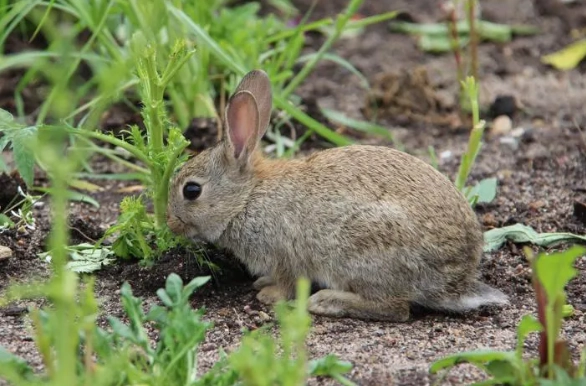
For a Vegetable Garden: A properly installed fence is your #1 priority. It's worth the investment. Use repellents on the outside of the fence as an extra deterrent.
For Ornamental Beds: Consider individual plant cages (made of wire) for especially tasty plants like hostas. Use a combination of rabbit-resistant plants and a perimeter application of granular repellent.
For the Whole Yard: Habitat modification is key. Make the edges uninviting. You can also try establishing a "sacrificial" area at the far edge of your property with clover or other plants they love, hoping they'll stay there. Hasn't worked perfectly for me, but some swear by it.
Answers to the Questions You're Actually Asking
Wrapping It Up: Your Action Plan
So, you've read the novel. Here's your cheat sheet for figuring out how do I get rid of rabbits.
- Assess: Walk your property. Find their food (your garden) and their shelter (brush, under structures).
- Protect the Valuables: Immediately fence your vegetable garden or prized flower bed. Do it right—bury the edges.
- Clean House: Start habitat modification. Clear brush, seal off decks/sheds, trim shrubs.
- Use Repellents Strategically: If you use them, apply to the perimeter of fenced areas or specific plants. Set a reminder to reapply after rain.
- Be Patient and Persistent: It takes a week or two for them to get the message that the free lunch is over and the neighborhood has gone downhill.
It's a process, not an event. I still see the occasional bunny at the tree line, watching. But they don't come into the yard much anymore. The hostas are full, the lettuce is for our salads, and there's a kind of quiet understanding. They can have the clover in the far corner. The rest is mine.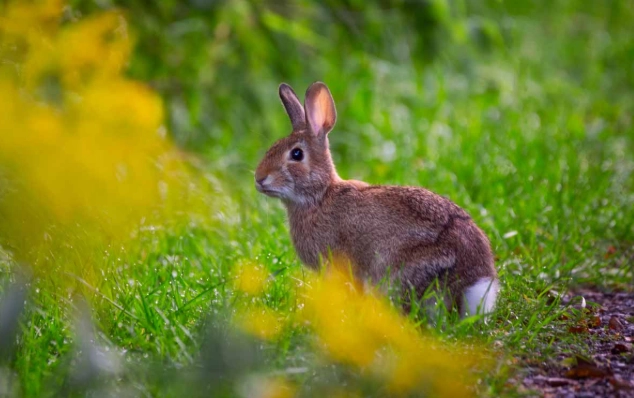
Good luck. It's a winnable fight, I promise.
Reader Comments