快速导览
Okay, let's talk about rabbits. Most of us see them as those cute, twitchy-nosed creatures hopping around gardens or cuddled up in pet stores. I used to think that was the whole story. But then I started digging, and honestly, I was blown away. The question "how do humans use rabbits" opens up a whole world you probably never considered. It's not just about companionship, although that's a huge part. We're talking about agriculture, science, clothing, even environmental management. It's a bit mind-bending when you realize how deeply intertwined humans and rabbits have been for centuries.
I remember visiting a small homestead a few years back. They had chickens, goats, and then this neat little setup for rabbits. The owner wasn't just keeping them as pets; she was raising them for meat and fertilizer. It was my first real, in-person look at a different answer to how humans use rabbits. It challenged my purely pet-centered view and got me curious. So, I spent a lot of time researching, talking to breeders, farmers, and pet owners. What I found is that rabbits are one of the most versatile animals we've partnered with. This article is my attempt to lay it all out for you, beyond the fluff and the cartoons.
More Than a Pet: The Six Core Ways We Partner with Rabbits
To really understand how do humans use rabbits, we need to move past a single idea. It's not a simple list; it's a spectrum of relationships, from emotional to highly utilitarian. Based on my research, I've grouped these uses into six main categories. You'll see that for many rabbit owners, especially on small farms, a single rabbit might fall into two or even three of these roles. That's part of what makes them so efficient.
Let's break it down.
1. Companionship and Emotional Support (The Pet Rabbit)
This is the most common image in our minds, and for good reason. Rabbits as indoor house pets have exploded in popularity. They're quiet, can be litter-trained, and have distinct personalities. But is having a rabbit as a pet a valid "use"? Absolutely. The human use here is for companionship, stress relief, and teaching responsibility. For many people, including myself when I had one, a rabbit is a family member. Their quiet presence, the way they binky (that joyful jump and twist in the air) when happy, it all provides genuine emotional value.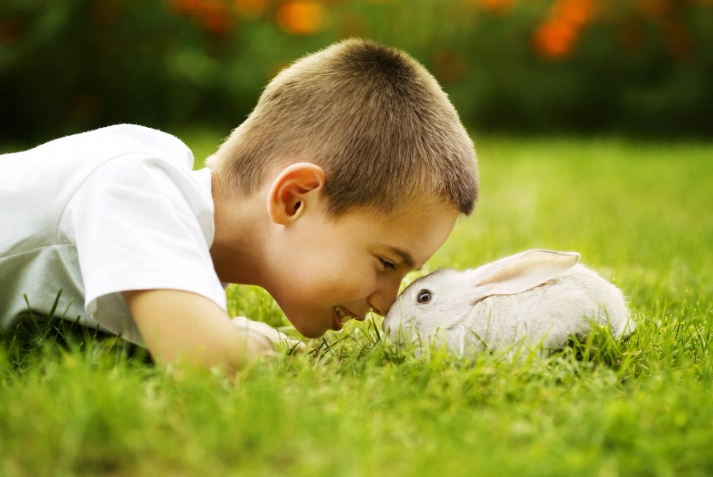
However, let's be real for a second. The pet store narrative often glosses over the work. They're not low-maintenance. They need space to run, a specific diet (not just carrots!), regular vet care (exotic vets, which can be pricier), and they can live 8-12 years. They chew everything. Everything. Baseboards, charger cables, important documents. You have to rabbit-proof your home like you would for a toddler. So, while the emotional payoff is high, the commitment is too. Anyone considering this as a way they might use a rabbit needs to go in with eyes wide open.
2. Sustainable Source of Meat and Fertilizer (Rabbit Farming)
This is where the conversation often gets tense, but it's a fundamental part of answering "how do humans use rabbits" globally. Rabbit meat, called "cuniculture" in agricultural terms, is a major protein source in many parts of the world, like Europe, Asia, and Africa. It's gaining traction again in North America among homesteaders and those seeking sustainable meat.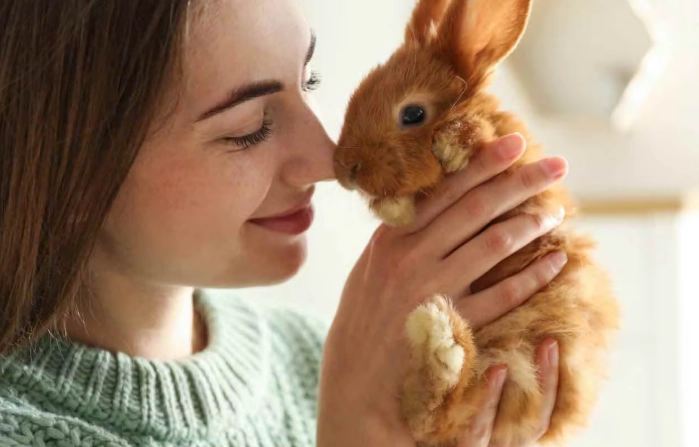
Why? The efficiency is staggering. Rabbits reproduce quickly, require less space and feed per pound of meat produced than cattle or pigs, and their meat is lean, high in protein, and low in cholesterol. The Food and Agriculture Organization of the United Nations (FAO) has long promoted rabbit farming as a tool for food security. It's a practical, if sometimes emotionally challenging, answer.
Then there's the fertilizer. Rabbit manure is gold for gardeners. Unlike manure from chickens or cows, it's considered "cold" manure, meaning it can be added directly to gardens without composting first (though composting is still best practice). It's nutrient-rich and doesn't burn plants. For a small-scale homesteader, this creates a closed-loop system: you feed the rabbits, they provide meat and manure, and the manure helps grow more food (some of which can feed the rabbits). It's a powerful example of integrated farming.
| Breed | Primary Use | Adult Weight | Key Trait for Homesteaders |
|---|---|---|---|
| New Zealand White | Meat, Research | 9-12 lbs | Fast growth, good feed conversion, calm temperament. |
| California | Meat | 8-10 lbs | Excellent meat-to-bone ratio, distinctive markings. |
| Flemish Giant | Meat, Pet | 13+ lbs | Very large size, gentle, but eats more and matures slower. |
| Silver Fox | Meat, Fur | 9-11 lbs | Rare breed, unique fur that stands up like a fox's. |
| American Chinchilla | Meat, Fur | 9-12 lbs | Beautiful dense fur, dual-purpose, historic breed. |
Choosing a breed depends entirely on your primary goal. Want maximum meat efficiency? New Zealand or California. Want a dual-purpose rabbit with beautiful fur? Look at the Silver Fox or Chinchilla.
3. Producers of Luxury Fiber (Angora Rabbits)
If you've ever worn a super soft, warm angora sweater, you've benefited from this specific human use of rabbits. Angora rabbits are bred specifically for their long, silky wool, which is harvested by shearing or plucking. It's a niche but valuable agricultural product. The fiber is eight times warmer than sheep's wool and is incredibly light, often blended with other yarns.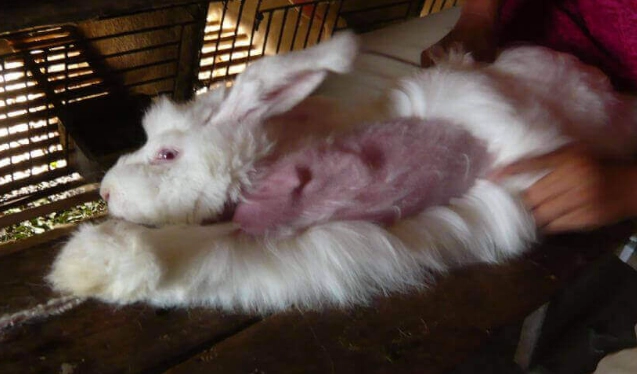
I've spoken to small-scale angora breeders, and it's a labor of love. The rabbits require meticulous grooming to prevent their wool from matting. The ethical harvest of the wool is paramount; done correctly, it doesn't hurt the rabbit, and it's a necessary process for their health to prevent wool block (where they ingest too much of their own fur). This is a classic example of a symbiotic relationship: humans provide care and shelter, and rabbits provide a renewable, high-value fiber. It answers "how do humans use rabbits" in a way that's both ancient and modern, catering to a market for sustainable, natural luxury fibers.
4. Partners in Science and Education
This is a complex one. Rabbits have been used in biomedical research for decades. They've been crucial in developing vaccines (like for rabies), studying diseases, and testing product safety. Their physiological similarities to humans in certain areas make them valuable models. Now, I have mixed feelings about this. The ethical debate is huge and valid. But to ignore it would be to present an incomplete picture of how humans use rabbits.
On a less contentious note, rabbits are also used in education. They're common in classrooms (with proper care) to teach children about biology, responsibility, and animal life cycles. 4-H programs across the U.S. often include rabbit projects, where youth learn animal husbandry, genetics, and showmanship. In this context, the "use" is for learning and skill development, shaping future farmers, veterinarians, or simply more informed citizens.
5. Working Animals for Pest Control and Land Management
This is a more historical but resurging use. The concept is simple: use a natural behavior for human benefit. Rabbits are grazers. In some parts of the world, and now in some progressive land management schemes, rabbits are used in controlled, mobile paddocks to graze down weeds and brush. It's a form of targeted, organic vegetation control.
More commonly, their role in pest control is a bit... indirect. By maintaining healthy predator populations (foxes, hawks, etc.) that prey on rabbits, ecosystems can balance pests that might harm crops. You're not directly using the rabbit, but you're acknowledging its role in the food web that humans manage. It's a more ecological perspective on the question.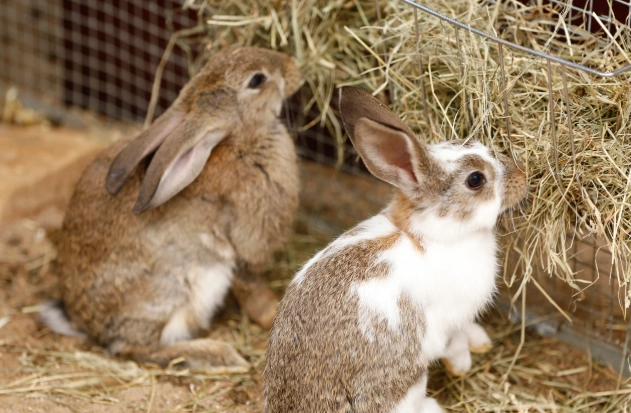
6. Cultural and Sporting Roles
Finally, we can't ignore culture. How do humans use rabbits in tradition and sport? Rabbit shows are a massive hobby, where breeders showcase the perfect conformation of hundreds of different breeds, judged against strict standards set by organizations like the American Rabbit Breeders Association (ARBA). It's about preservation, artistry, and community.
Then there's the fraught topic of hunting. Cottontail rabbits are a popular game animal in many regions, managed as a renewable wildlife resource. It's a traditional food source and a form of population control. Like farming, it's a practical use that comes with its own ethical considerations and regulations.
So, You're Thinking About How YOU Could Use a Rabbit?
Let's get practical. Maybe you're reading this and one of these uses has sparked an idea. Here’s a blunt, no-nonsense comparison to help you think it through.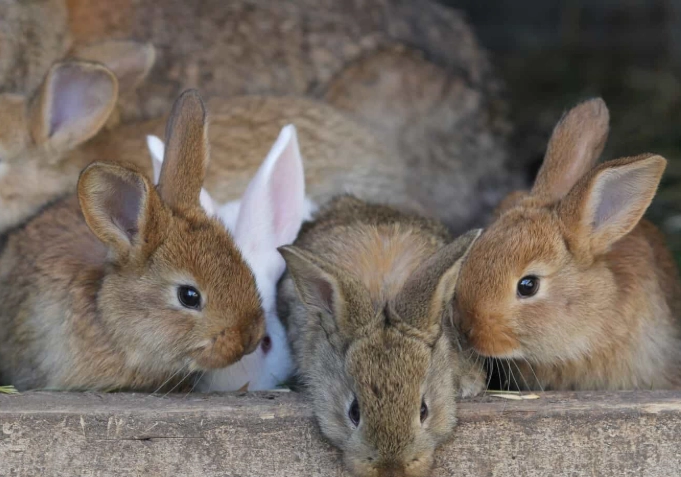
As a Pet: Budget for a large cage or pen ($100+), vet fund ($200+/year), fresh veggies, hay, pellets. Time commitment: 1-2 hours daily for feeding, cleaning, and socializing. Reward: a quirky, quiet companion for a decade.
For Meat/Sustainable Farming: Startup is higher. You need proper outdoor hutches or a colony setup ($200-$500), breeding stock ($50-$100 per rabbit), feed system. Time: daily feeding/watering, weekly deep cleans, processing days. Reward: high-quality meat, fertilizer, and food independence. You have to be comfortable with the entire life cycle.
For Fiber (Angora): High-maintenance. Need climate-controlled space, grooming tools, shearing equipment. Time: extensive daily grooming during blowouts. Reward: pounds of luxurious fiber per year for spinning or sale. It's a craft, not a casual hobby.
See the pattern? Each answer to "how do humans use rabbits" carries a different weight of responsibility, cost, and emotional investment.
Common Questions People Really Ask
I get it. After all this info, you might have specific questions. Here are some I've been asked or have searched myself.
Is it ethical to use rabbits for meat or fur?
That's a personal ethical decision. From an agricultural sustainability standpoint, rabbits score very high. They have a small environmental footprint. The ethical key, in my opinion, lies in the husbandry. Were the animals raised with space, proper diet, and humane treatment throughout their lives, including a respectful end? That's the difference between factory farming and responsible homesteading. You have to decide what lines up with your values.
What's the easiest way for a beginner to start?
Hands down, getting a pet rabbit from a rescue. You learn about their care without the pressure of breeding or farming. You provide a home for an animal in need. It's the lowest-barrier entry point to understanding rabbit behavior and needs. Before you even think about breeding for meat or fiber, master being a pet owner. Trust me on this.
Can you really make money with rabbits?
It's tough. The "get rich quick with rabbits" schemes are mostly myths. You can generate some income selling breeding stock (of quality, registered animals), selling meat to a niche market, or selling angora fiber to hand-spinners. But most small operations just offset their own costs. View it as a hobby that might pay for itself, not a primary income stream, unless you scale up significantly and treat it like a serious business.
The story of how humans use rabbits is really a story about human needs: for food, for fiber, for companionship, for understanding our own world. The rabbit, in its quiet, efficient way, has adapted to fill these niches alongside us.
Wrapping It Up: A Relationship of Many Layers
So, how do humans use rabbits? We've seen it's not a single answer. It's a multifaceted relationship that spans from our living rooms to our farmyards, from research labs to show tables. For some, it's a source of cozy sweaters; for others, it's about putting sustainable food on the table. For many more, it's the simple, profound joy of a soft nose nuzzling your hand.
What strikes me most is the rabbit's adaptability. We've shaped their genetics through breeding for size, fur, or color, and in turn, they've provided for a stunning array of human needs. Whether you're drawn to them as pets, respect them as livestock, or admire them in shows, understanding these roles fosters a more informed and respectful relationship with these remarkable animals.
My own journey from seeing just a pet to understanding the broader picture has been humbling. It's made me a more thoughtful consumer and a more curious observer. I hope this deep dive has done the same for you, answering not just the basic question, but the deeper ones lurking behind it. The next time you see a rabbit, you'll see a little more of the complex, enduring partnership between our species and theirs.
Reader Comments