Quick Guide
- Understanding Rabbit Reproduction Basics
- The 8 Key Signs of Rabbit Pregnancy
- The Week-by-Week Pregnancy Timeline
- The Tricky Thing: False Pregnancy (Pseudopregnancy)
- When and How to Get a Veterinary Confirmation
- Caring for Your Pregnant Rabbit
- Common Questions Rabbit Owners Ask (FAQs)
- Final Thoughts: Trust the Process, But Verify When Needed
So, you think your doe might be expecting. Maybe you planned it, maybe it was a happy (or not-so-happy) surprise after a brief encounter with a buck. Figuring out if your rabbit is pregnant can feel like a mystery, especially since they're masters at hiding things until the last minute. Unlike dogs or cats, the signs aren't always obvious. I remember the first time I was in this spot, staring at my rabbit, trying to see if she looked "rounder," feeling completely clueless. It's a common feeling.
The question "how can you tell if a rabbit is pregnant" is one of the most searched by rabbit owners, and for good reason. Knowing what to look for is crucial for providing the right care. Getting it wrong means you might miss preparing a nest box, or worse, mistake a false pregnancy for the real thing and stress yourself (and your bunny) out for nothing.
Let's cut through the confusion. This guide isn't just a list of symptoms. We're going to walk through the whole timeline, from the first subtle hints to the undeniable "she's definitely pregnant" moments. We'll cover behavioral changes, physical signs you can safely check for, and the things you should absolutely leave to a vet. By the end, you'll have a clear picture of what to expect week by week.
Understanding Rabbit Reproduction Basics
Before we dive into the signs, a quick primer helps. Rabbits are induced ovulators. This means the act of mating triggers the release of eggs. It's a highly efficient system, which is why they have their famous reputation for breeding quickly. The gestation period is remarkably short, averaging 31 to 33 days. That's just about a month from conception to kindling (the term for rabbit birth).
This short timeline is why signs develop and change rapidly. What you see at two weeks is completely different from what you see at four weeks. It also means you don't have a lot of time to get prepared once you confirm a pregnancy.
If you're breeding intentionally, you should have a detailed record of the mating date. This is your single most important piece of information. If the pregnancy is suspected but unplanned, you'll have to rely more heavily on observing the signs we're about to discuss.
The 8 Key Signs of Rabbit Pregnancy
So, let's get to the heart of it. How can you tell if a rabbit is pregnant? Look for a combination of these signs, especially if several appear together. Don't rely on just one.
Behavioral and Early Signs (Week 1-2)
These are the first clues. Your rabbit's mood and habits will often tip you off before her body does.
- Nesting Behavior: This is a big one. About a week before giving birth (around day 25+), a pregnant doe will start gathering materials to build a nest. She might pull fur from her chest, belly, and dewlap (that fluffy chin area). You'll find this fur, along with hay or bedding she's gathered, piled in a corner. Some does start this earlier, some later. A doe building a serious nest is a very strong indicator. But note: false pregnancies can also cause nesting and fur pulling.
- Increased Aggression or Irritability: Your normally sweet bunny might turn into a grump. She may grunt, lunge, or even nip when you try to pet her or reach into her space. This is due to hormonal changes and a protective instinct. It's not personal! Give her space.
- Changes in Appetite: This can go both ways. Some pregnant rabbits start eating more early on to support the growing kits. Others may go off their food slightly due to feeling unsettled. A sudden, complete loss of appetite is a vet emergency, but a mild fluctuation can be normal.
- Restlessness or Lethargy: You might notice her pacing more, digging more, or rearranging her cage frequently. Conversely, some does become more subdued and spend more time resting.
Physical and Mid-Term Signs (Week 2-3)
As the kits develop, physical changes become more apparent. Be very gentle when checking for these.
- Weight Gain and Abdominal Enlargement: This is usually noticeable around the 2-week mark. Her abdomen will feel firmer and look rounder, especially when viewed from above. Don't expect a huge, bloated belly until the final week. The weight gain is often subtle at first—maybe just a few ounces.
- Palpable Kits (Feeling the Babies): This is a more definitive sign but requires extreme caution and is best learned from a vet. Around 10-14 days post-mating, the developing kits feel like small, firm marbles in the abdomen. I'm hesitant to even describe the technique because doing it wrong can harm the babies. The American Rabbit Breeders Association (ARBA) recommends leaving this to experienced breeders or veterinarians. If you must try, it's a very light, rolling motion with your fingertips on either side of her belly. If you're not sure, don't do it.
- Mammary Gland Development: Her nipples will become more prominent and visible, and the area around them may lose some fur. This usually happens in the last week of pregnancy. You might even see a slight swelling or pinkening of the glands.
Late-Stage and Definitive Signs (Final Week)
At this point, it should be very obvious.
- Distinct, Large Abdomen: In the last 4-5 days, her belly will become very large and pendulous. She may waddle when she walks.
- Full Nest Building and Fur Pulling: The nesting instinct goes into overdrive. She'll create a proper, fur-lined nest. The fur pull is often intense, leaving a bare patch on her chest.
- Feeling Movement: In the very last days, you can sometimes see or feel the kits moving inside her if she's lying still and relaxed. It looks like gentle ripples under her skin.
Here’s a quick-reference table to summarize the timeline of these signs:
| Time After Mating | Primary Signs | Notes & Reliability |
|---|---|---|
| Week 1 | Mood changes (grumpiness), slight appetite shift. | Subtle and easy to miss. Not conclusive on its own. |
| Week 2 | Firmer, slightly rounded abdomen. Possible weight gain. Palpable kits (by expert). | First physical signs appear. Palpation can be definitive but risky. |
| Week 3 | Noticeable weight gain, continued behavioral changes. | Pregnancy is likely if multiple signs are present. |
| Week 4+ (Final Week) | Large abdomen, nest building/fur pulling, prominent nipples, possible movement felt. | Definitive. Preparation for birth is urgent. |
The Week-by-Week Pregnancy Timeline
To really understand how can you tell if a rabbit is pregnant, it helps to follow a typical progression. Let's break it down week by week. Remember, day 0 is the day of mating.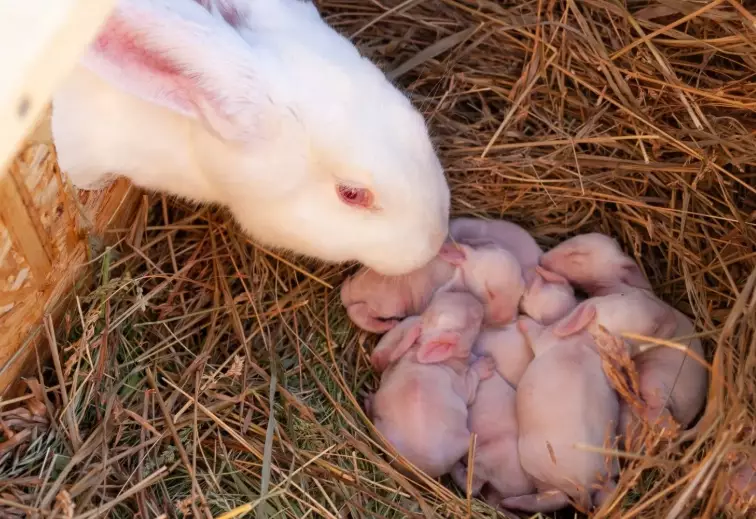
Week 1: The Silent Start
Honestly, you won't see anything. The fertilized eggs are implanting. Your rabbit likely acts completely normal. This is the calm before the storm.
Week 2: The First Hints
Around days 10-14, if you're an expert at palpation, you might feel the "marbles." For the rest of us, this is when we might notice her being a bit more standoffish or possessive over her food. Her belly might start to feel less soft and more solid when you gently pet her. This is where the question "how can you tell if a rabbit is pregnant" starts to have answers.
Week 3: Becoming Apparent
Weight gain is clearer now. She's definitely eating for a small crowd. Her abdomen has a distinct roundness from above. Behavioral quirks persist or intensify. If you were on the fence, you're now leaning heavily towards "yes, she's pregnant."
Week 4: The Home Stretch (Days 22-31)
Everything accelerates. Her belly is large and low. She may drink more water. Around day 28, the nesting instinct kicks in hard. Provide a nest box filled with hay by day 28 at the latest. She'll arrange it and pull her fur. Her nipples are fully developed. She may seem restless or, conversely, very quiet as she conserves energy.
Kindling Day (Birth)
This usually happens at night or in the early morning. She'll give birth quickly, often in under 30 minutes. She'll clean the kits, eat the placenta, and cover them in the nest with fur. Your job is to provide peace, quiet, and check on them once she's done to ensure all are alive and the nest is dry.
The Tricky Thing: False Pregnancy (Pseudopregnancy)
Here's what makes answering "how can you tell if a rabbit is pregnant" so frustrating. Rabbits can experience false pregnancies. This happens when a doe ovulates (due to mating with a neutered male, mounting by another female, or even just high hormones) but isn't actually pregnant.
She will display many of the same signs: nesting, fur pulling, aggression, and even mammary development. It can look incredibly convincing. The key difference is timing. A false pregnancy follows a similar hormonal cycle but lasts only about 16-18 days. So, if your rabbit builds a dramatic nest and pulls fur around day 17, it's likely a pseudopregnancy. The behavior will suddenly stop, and she'll return to normal.
It's harmless physically but can be emotionally draining for the owner who's been preparing for weeks. The main way to tell it apart from a real pregnancy is the lack of sustained weight gain and abdominal growth, and the early timing of nesting. If you need a definitive answer, a vet visit is the only sure way.
When and How to Get a Veterinary Confirmation
If you need to know for sure—for medical reasons, breeding records, or your own sanity—a veterinarian is your best resource.
- Palpation by a Vet: An experienced exotics vet can safely palpate your rabbit around the 2-week mark and give you a reliable yes or no.
- Ultrasound: This is the gold standard. A vet can detect pregnancy via ultrasound as early as 7-10 days, and definitely by 2 weeks. It's non-invasive and stress-free for the rabbit. It can also give an estimate of litter size later on.
- X-ray (Radiograph): Useful only in the final 10-14 days of pregnancy when the fetal skeletons have mineralized. An x-ray can give an exact count of the number of kits, which is helpful for knowing when she's finished giving birth.
Consulting a vet is also crucial to rule out other conditions that mimic pregnancy weight gain, like uterine tumors or other illnesses. The Merck Veterinary Manual outlines various reproductive conditions in rabbits that a vet will consider during a diagnosis.
Caring for Your Pregnant Rabbit
Once you've figured out how to tell if a rabbit is pregnant, the next step is proper care.
- Diet: Continue her normal high-quality hay (unlimited timothy/orchard grass). You can gradually increase her pellet portion slightly in the last two weeks, and offer more fresh, dark leafy greens for nutrients. Don't overdo pellets, as obesity complicates birth.
- Environment: Keep her in a quiet, stress-free area. No loud noises or unnecessary handling, especially in the final week. Ensure her enclosure is clean to prevent infection.
- Nest Box: As mentioned, introduce a nest box (a cardboard box with one side cut down low works) filled with soft hay around day 28. Let her do the rest.
- Minimal Handling: Avoid picking her up, especially in late pregnancy. If you must, support her entire hindquarters fully.
Common Questions Rabbit Owners Ask (FAQs)
Behavioral hints can start in the second week. The earliest physical confirmation via vet ultrasound is around 7-10 days. For the average owner observing at home, the signs become more reliable from the end of week 2 into week 3.
YES, immediately. A buck can impregnate a doe again within hours of giving birth (a "back-to-back" pregnancy). This is extremely dangerous and draining for the mother. They should be housed separately once pregnancy is suspected or confirmed.
Yes, as discussed above. Signs are identical to early/mid-pregnancy behaviors (nesting, aggression, fur pulling) but occur on a shorter cycle (peaking around day 17) and are not followed by actual birth or sustained physical changes.
It is safe only if you are highly experienced and use a feather-light touch. For virtually all pet owners, the answer is no. The risk of harming the developing kits is too high. Observing from a distance is safer.
The average gestation is 31 days, but it can range from 28 to 34 days. Smaller breeds tend to have slightly shorter pregnancies than giant breeds.
Litter size varies wildly by breed. Smaller breeds may have 2-4 kits, while larger breeds can have 8-12 or even more. The average for a medium-sized rabbit is 6-8.
Don't panic. Follow the care guide above. Start planning for homes for the kits well before they are born (they are weaned at 8 weeks). Seriously consider spaying the mother after she weans the litter to prevent future surprises. The RSPCA's rabbit care guide strongly advocates for spaying/neutering for health and behavioral reasons beyond just preventing pregnancy.
Final Thoughts: Trust the Process, But Verify When Needed
Figuring out how can you tell if a rabbit is pregnant is a mix of keen observation, understanding rabbit biology, and a healthy dose of patience. The signs are there if you know what to look for across the weeks. Start with behavior, watch for physical changes, and support her with excellent care.
My biggest piece of advice? Don't stress too much about getting a perfect confirmation on day 14. If she was with a buck, assume she's pregnant and act accordingly. Provide excellent nutrition, a calm environment, and get that nest box ready on time. Whether it's a true pregnancy or a false alarm, you're providing good care. And if you ever have serious doubts or concerns, picking up the phone to call your rabbit-savvy vet is always the right move. They can give you the definitive answer and peace of mind, allowing you to focus on preparing for the potential pitter-patter of tiny bunny feet.
Good luck! It's a nerve-wracking but amazing experience to be a part of.
Reader Comments