Quick Guide
- Why Vaccinate? It's Not Just a Vet Bill
- The Essential Rabbit Vaccines: What's in the Syringe?
- Rabbit Vaccination Schedule: A Practical Timeline
- Risks and Side Effects: Being Prepared
- Finding the Right Vet and Understanding the Cost
- Common Questions Rabbit Owners Ask About Shots
- Wrapping It Up: The Final Verdict on Rabbit Shots
So you've got a bunny. Maybe it's a floppy-eared lop, a tiny Netherland Dwarf, or a giant Flemish. You're doing all the right things – the hay, the veggies, the big enclosure. Then it hits you. Wait. Do rabbits need shots? I remember asking my vet this exact question when I first brought home my rabbit, Thumper. I was coming from a dog and cat background, where vaccinations are just a given. With rabbits, it felt... murkier.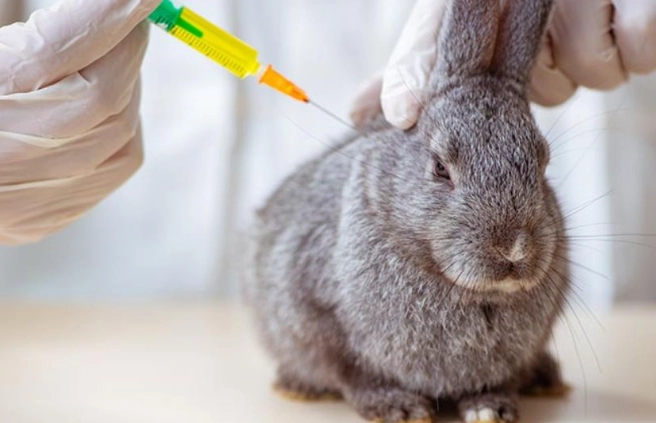
Let's cut through the confusion right now. The short, crucial answer is yes, in most cases, pet rabbits absolutely do need shots. It's not an optional extra like a fancy hutch toy; it's a fundamental part of responsible rabbit healthcare. But it's not as simple as a one-size-fits-all schedule. The specific shots your bunny needs depend heavily on where you live in the world and the disease risks in your area.
I think a lot of rabbit owners (myself included, initially) operate under the assumption that because their bunny lives indoors, they're safe. It's a dangerous myth. Some of the diseases we vaccinate against are airborne or can be brought in on our shoes, clothes, or by other pets. Not vaccinating is a gamble with your rabbit's life, and it's a gamble I learned never to take again after a close call.
Core Takeaway: Asking "do rabbits need shots?" is the first step to being a great owner. The next step is understanding which shots they need and why. Skipping vaccines is one of the biggest preventable risks to a pet rabbit's health.
Why Vaccinate? It's Not Just a Vet Bill
Let's be honest, vet visits cost money. And when your rabbit seems perfectly healthy, shelling out for shots can feel like an unnecessary expense. I've had that thought. But here's the perspective shift: vaccination is cheap insurance against diseases that are often fatal, expensive to treat (if treatable at all), and cause immense suffering.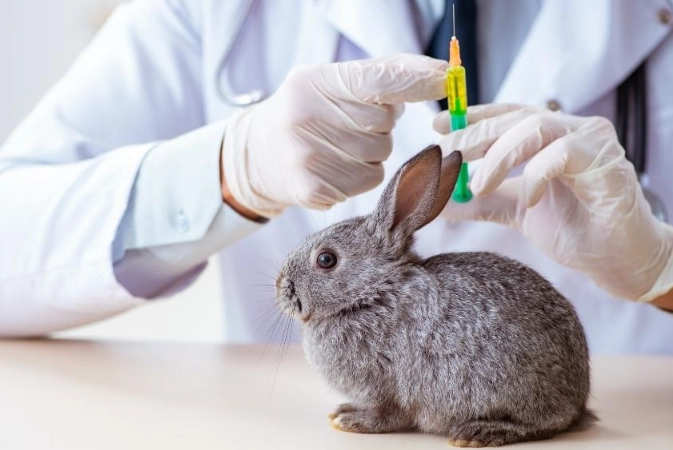
We're talking about diseases like myxomatosis and Rabbit Viral Haemorrhagic Disease (RVHD). If you haven't heard of them, be glad. Their descriptions are the stuff of rabbit-owner nightmares. Myxomatosis causes severe swelling, blindness, and is usually fatal. RVHD variants can kill a rabbit so quickly they show few symptoms before collapsing. The reality is grim. Vaccination is the only reliable protection.
Think of it this way. You wouldn't skip a life-saving treatment for yourself because of the cost. For your rabbit, who depends entirely on you for their wellbeing, these shots are that life-saving treatment. It's the cornerstone of preventative care.
The Essential Rabbit Vaccines: What's in the Syringe?
Alright, so we agree shots are important. But what shots do rabbits actually need? This is where geography becomes your guide. The vaccine landscape for rabbits in the United States is different from the United Kingdom or Australia.
For Rabbit Owners in the United States
In the US, the situation is more targeted. There is currently only one vaccine licensed for use in rabbits by the USDA, and it's for a specific, serious bacterial disease.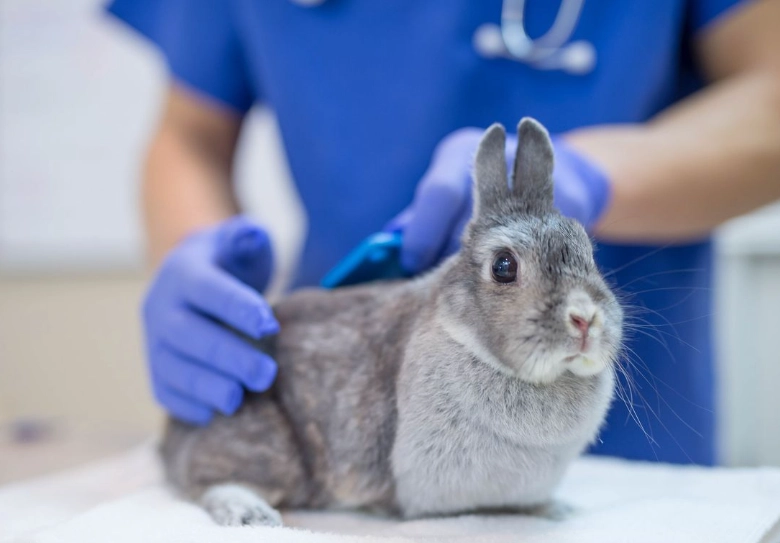
Important: Always, always consult a rabbit-savvy veterinarian. They have the most current information on disease outbreaks and vaccine availability in your specific state or region. The House Rabbit Society is an excellent resource for finding knowledgeable vets.
The primary vaccine you'll discuss with your vet is for Rabbit Hemorrhagic Disease Virus Type 2 (RHDV2). This is a nasty, highly contagious virus that has caused significant outbreaks in both wild and domestic rabbit populations across North America in recent years. It's a real and present danger. The vaccine for RHDV2 is considered crucial for any rabbit that might have exposure risk—which, frankly, includes any rabbit that goes outdoors or lives in an area with wild rabbits nearby, even if they are primarily indoors. The virus can be spread by insects, on surfaces, or through contact with infected rabbits or their waste.
You might wonder, "Do rabbits need shots for anything else in the US?" For the most common pet rabbit diseases, routine vaccination isn't standard practice like it is in Europe. Prevention focuses more on husbandry, diet, and a clean environment. However, the RHDV2 vaccine has become non-negotiable in many areas.
For Rabbit Owners in Europe, the UK, and Many Other Regions
If you're in Europe or the UK, the answer to "do rabbits need shots?" is a much more emphatic and structured YES. Vaccination is a standard, annual part of rabbit care due to the endemic presence of deadly viruses.
Here, rabbits typically receive a combined vaccine that protects against:
- Myxomatosis: A devastating virus spread by fleas, mosquitoes, and direct contact.
- Rabbit Viral Haemorrhagic Disease 1 (RHD1): The classic, fast-killing strain.
- A newer, often more stealthy strain.
Modern vaccines often cover all three in one injection, which is much easier on the bunny (and less stressful for you) than multiple pokes. In the UK, organizations like the RSPCA and the Rabbit Welfare Association & Fund (RWAF) strongly advocate for annual vaccination as absolute essential care.
Rabbit Vaccination Schedule: A Practical Timeline
Okay, so when does all this happen? Timing matters for building proper immunity.
For the combined myxo-RHD vaccines common in Europe/UK, kits can often start their first vaccination from as young as 5-7 weeks old. They'll need a second dose a few weeks later to boost their immunity, and then it's an annual booster for life. Don't miss that annual date – immunity wanes.
For the RHDV2 vaccine in the US, the initial series is typically two doses, 3-4 weeks apart. After that, it's an annual booster. Some vets, depending on local risk, may recommend a 6-month booster for high-risk bunnies. Your vet will set the specific schedule.
Here’s a simple table to visualize a typical core schedule for a bunny in a region requiring the combined vaccine:
| Age / Stage | Vaccine Type | Notes |
|---|---|---|
| 5-7 Weeks Old | Primary Combined Vaccine (Myxo+RHD) | First ever shot. Provides initial protection. |
| 10-12 Weeks Old | Booster Combined Vaccine (Myxo+RHD) | Essential to solidify full, long-term immunity. |
| Every 12 Months Thereafter | Annual Booster Vaccine | Critical to maintain protection. Mark your calendar! |
I set a yearly reminder in my phone for Thumper's booster. It's easy to forget, but that one day a year is so important.
Risks and Side Effects: Being Prepared
No discussion about "do rabbits need shots" is complete without talking about the risks. I'm not going to sugarcoat it – some rabbits react to vaccines. The vast majority are absolutely fine, maybe a little sleepy or off their food for a few hours.
But you should watch for:
- Lethargy or sleepiness for a day.
- A small lump or swelling at the injection site. This usually goes down on its own in a week or two.
- Mild sniffles or a slight temperature.
Seek Immediate Vet Attention If You See: Severe swelling of the face or feet, difficulty breathing, collapse, or not eating/drinking for more than 12 hours. Anaphylactic reactions are very rare, but possible.
Here's my personal rule: I always schedule vaccine appointments for the morning. That way, I have the entire day to monitor my bunny. I make sure their favorite greens are on hand to tempt them if they're feeling picky. The risk of a serious reaction is incredibly small, especially when weighed against the near-certain death from the diseases the vaccine prevents. It's a no-brainer, but it's good to go in with your eyes open.
Finding the Right Vet and Understanding the Cost
This is arguably the most important practical step. Not all vets are created equal when it comes to rabbits. You need an exotic pet veterinarian or a vet with a proven interest and experience in rabbits. A cat-and-dog vet might not have the latest info on rabbit vaccines or know the best injection technique.
Costs vary wildly. In the UK, a combined vaccine might cost £50-£80. In the US, the RHDV2 vaccine series can range from $40 to $80 per dose. Yes, it adds up. But compare that to the cost of emergency treatment for a critically ill rabbit, or worse, the heartbreak of loss.
Call around. Ask other rabbit owners in local groups. Ask the vet questions: "How many rabbit patients do you see?" "What is your recommended vaccine protocol for my area?" A good vet will welcome these questions.
Common Questions Rabbit Owners Ask About Shots
Let's tackle some of the specific worries that pop up. I've asked these myself, and I've heard them from countless other bunny parents.
Yes. I used to think this was a get-out-of-jail-free card. It's not. Myxomatosis can be spread by biting insects like mosquitoes that get inside. RHD viruses can be tracked in on hay, on your shoes, or by other animals. The risk is lower, but it is not zero. Why take the chance?
No. Absolutely not. Full stop. Vaccines require proper storage, handling, and administration. The injection must be given in the correct location (usually under the skin). An incorrect injection can cause serious injury. This is a job for a trained professional.
This is a critical conversation for you and your vet. Often, vets will advise that the protection from the vaccine is even more important for elderly or chronically ill rabbits, as their immune systems may be weaker. However, if a rabbit is acutely, seriously ill, the vet may postpone the vaccine until they are stable. Never make this call yourself.
No. There is no proven natural or homeopathic alternative that provides immunity against these specific viral diseases. Anyone who tells you otherwise is misinformed and putting your rabbit at grave risk. This is one area where modern medicine is non-negotiable.
Great question. Before: Make sure your bunny is healthy. If they have a runny nose or aren't eating, reschedule. Bring their favorite treat. Use a secure carrier. After: Keep them in a quiet, comfortable space. Offer water and their favorite foods. Monitor them closely for the next 24 hours. A little extra cilantro or a slice of banana never hurts as a recovery treat.
Wrapping It Up: The Final Verdict on Rabbit Shots
So, do rabbits need shots? The evidence, the expert consensus from bodies like the American Veterinary Medical Association (AVMA) and the RWAF, and plain old common sense all point to a resounding yes.
It boils down to this: Vaccination is the single most effective tool you have to protect your rabbit from sudden, painful, and preventable deaths. It's not a corporate scheme or an upsell. It's decades of veterinary science aimed at giving our furry friends long, healthy lives.
My journey from a unsure new owner to a staunch advocate for rabbit vaccines was built on seeing the alternative. The peace of mind that comes from knowing Thumper is protected is worth every penny and every minute spent at the vet's office. It's one less thing to worry about in the complex world of rabbit care.
Your action item today is simple. If your rabbit isn't up-to-date on their regionally appropriate vaccines, pick up the phone and book an appointment with a rabbit-savvy vet. It's not just a shot; it's a shield. And your bunny is counting on you to provide it.
Reader Comments