Quick Guide to This Article
You're in the kitchen, slicing a cucumber for a salad, and you feel a pair of eyes on you. Your rabbit is sitting there, nose twitching, looking utterly convinced that this cool, green stick is the greatest treasure you've ever held. The question pops into your head instantly: do rabbits eat cucumbers? Is it safe, or is this a one-way ticket to digestive trouble?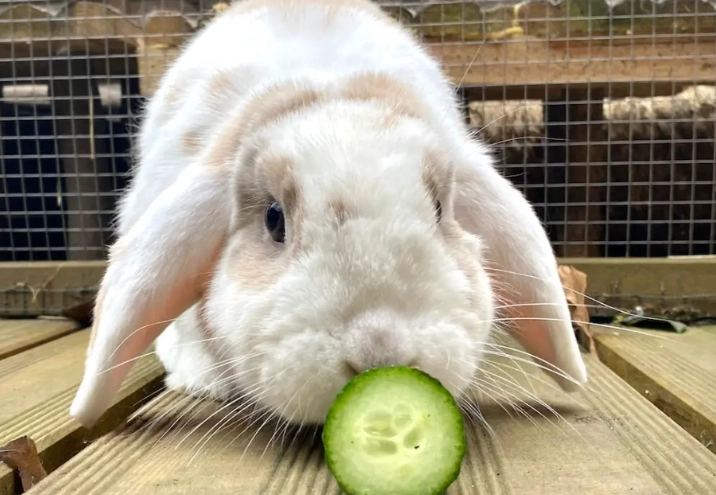
I've been there. When I first brought my rabbit, Mochi, home, I was terrified of giving him anything that wasn't hay or pellets. Every new vegetable felt like a potential risk. Cucumbers were a big one—they seem so harmless to us, but a rabbit's gut is a delicate ecosystem. After years of rabbit ownership, countless chats with my vet, and maybe a few overly cautious moments, I've learned the real, nuanced answer.
It's not just a simple yes or no. Asking "can rabbits eat cucumbers" is like asking if humans can eat cake. Well, yes, but the portion, frequency, and context matter a whole lot. This guide isn't just a quick answer; it's the deep dive I wish I had when I started. We'll cover the good, the bad, the watery details, and exactly how to make this treat work for your bunny, not against them.
The Short Answer: Yes, most rabbits can eat cucumber. It's non-toxic and generally safe in small, controlled amounts. But—and this is a huge but—it should be an occasional treat, not a dietary staple, due to its high water content and low nutritional density for herbivores.
Why Cucumbers Are a Tricky Treat for Rabbits
Let's break down the cucumber. To us, it's a hydrating, low-calorie snack. To a rabbit, it's mostly water in a waxy green package. That's the core of the issue.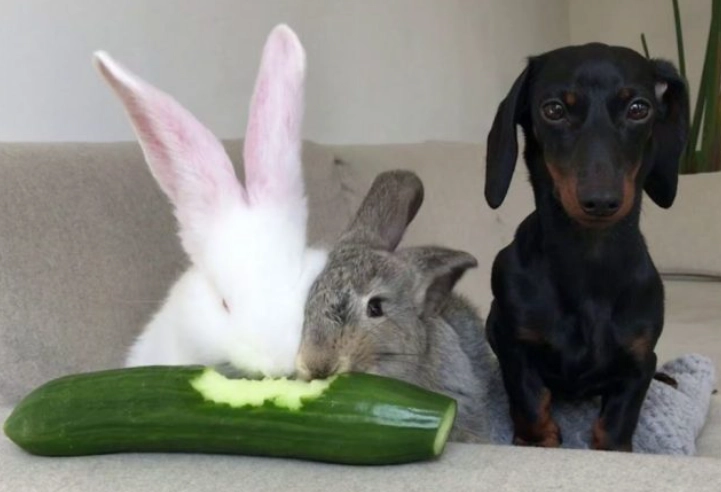
A rabbit's digestive system is a finely tuned fermentation machine, designed to process vast amounts of high-fiber, low-moisture hay. The primary goal is to keep everything moving steadily through the gut to prevent dangerous conditions like GI stasis. Foods with very high water and low fiber can potentially dilute the digestive process and slow things down if fed in excess.
Think of it this way: hay is the main engine fuel. Cucumber is like adding a splash of water to the fuel tank. A little splash probably won't hurt, but you wouldn't fill the tank with it.
Furthermore, cucumbers offer very little of what rabbits actually need from their fresh foods: vitamins like A and C, and crucial minerals. Compared to dark leafy greens like romaine or kale, cucumber is a bit of a nutritional lightweight. So when you're wondering do rabbits eat cucumbers, you're really asking if they can have a fun, crunchy, hydrating snack, not a nutritional powerhouse.
The Nutritional Breakdown: What's Actually in a Cucumber Slice?
Here’s a look at what you're really offering. This table compares a typical serving of cucumber to a rabbit's core dietary needs.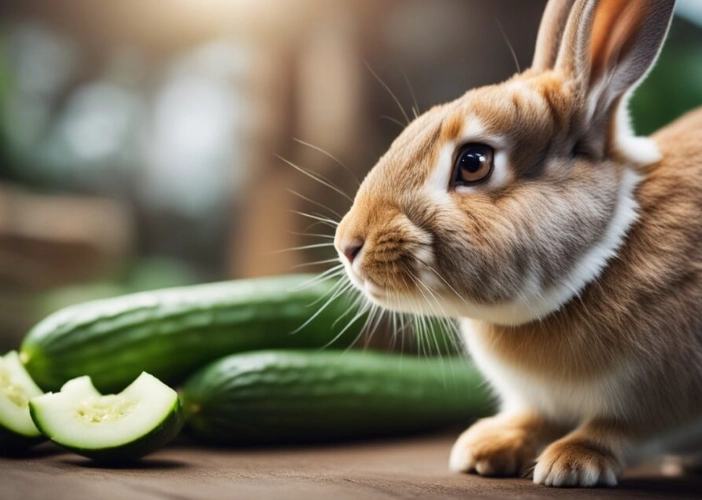
| Nutrient/Component | In Cucumber (per 100g) | Why It Matters for Rabbits |
|---|---|---|
| Water | ~95g | Extremely high. Great for hydration in summer, but can be too much if the diet isn't fiber-rich. |
| Fiber | ~0.5g | Very low. Rabbits need high fiber (18-25% of diet) for gut motility and dental health. Hay is essential. |
| Vitamin C | ~2.8mg | Low amount. Rabbits synthesize their own Vitamin C, so this isn't a primary need from veggies. |
| Vitamin K | ~16.4µg | Present, but leafy greens like parsley and kale are far superior sources. |
| Potassium | ~147mg | A decent amount. Supports nerve and muscle function. |
| Natural Sugars | ~1.7g | Low, which is good. Rabbits have sensitive digestive systems that don't handle sugar well. |
See the pattern? It's mostly water. This isn't to say it's "bad." It just means it doesn't contribute much to the heavy lifting of a rabbit's nutrition. The House Rabbit Society, a fantastic and authoritative resource for all things bunny, classifies cucumber as a "non-leafy green vegetable" to be fed sparingly, which aligns perfectly with this data.
A Quick Reality Check: I made the mistake once of giving Mochi too much cucumber peel on a hot day, thinking I was helping him hydrate. The result? Soft, mushy cecotropes (those special night droppings they usually re-eat) that he ignored. It was a mess and a sign his gut bacteria were thrown off. Lesson learned—moderation is everything.
The Safe Way to Feed Cucumbers to Your Rabbit: A Step-by-Step Plan
Okay, so you've decided to give it a try. Doing it right is everything. Here's the method I've settled on after trial and error.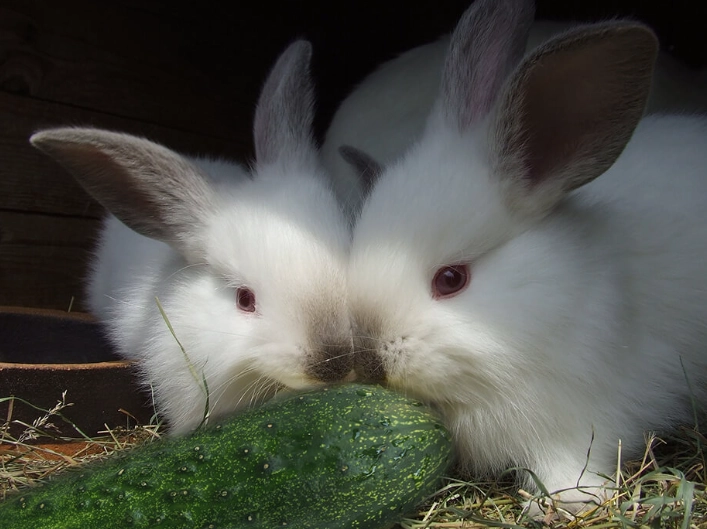
Step 1: Selection and Preparation
Always choose organic if you can. Cucumbers, especially the skin, can hold onto pesticides, and rabbits are small creatures where toxins can accumulate. If organic isn't an option, wash the cucumber thoroughly under running water and give it a gentle scrub. I usually peel a non-organic cucumber for my rabbit to be extra safe, though the peel itself is fine if organic.
Cut off a small slice. We're talking one or two thin rounds, or a few small sticks. The size should be no bigger than your rabbit's thumb (if they had one!). For a medium-sized rabbit (approx. 6 lbs), one tablespoon of chopped cucumber is a good starting point.
Step 2: The First Introduction
This is crucial. Only introduce cucumber (or any new food) to a rabbit that is already happily eating a stable diet of unlimited hay, fresh water, and a limited amount of pellets. Never give a new treat to a bunny with an already upset stomach.
Offer that one small piece. Then, wait. Observe for the next 12-24 hours. You're looking for any changes in their appetite for hay, their water consumption, and most importantly, their poop.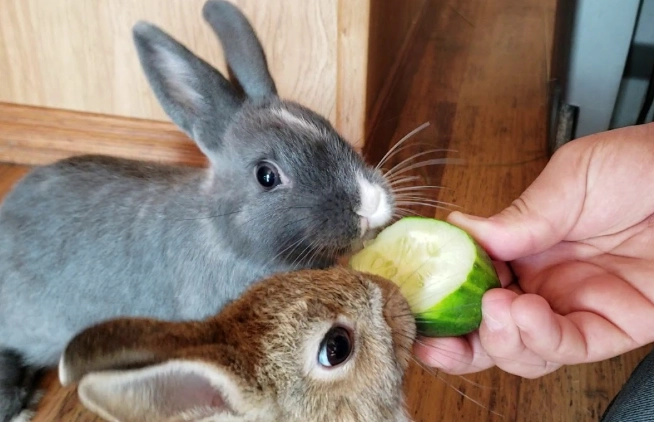
The Poop Test: Healthy rabbit droppings are firm, round, and uniform in size. If you see droppings that are small, misshapen, strung together like pearls, or overly soft/mushy after introducing cucumber, stop feeding it. Their system might be too sensitive to it.
Step 3: Frequency and Portion Control
If the introduction goes well, you can make cucumber an occasional treat. I mean occasional. Once or twice a week is plenty. It should never replace their daily serving of leafy greens. Think of it as the equivalent of you having a few chips—it's a snack, not the meal.
A good rule from the House Rabbit Society is that fresh vegetables (combined) should be about 1 cup per 2 lbs of body weight daily. Cucumber should only make up a tiny fraction of that cup, with the bulk being darker, leafier options.
Potential Risks and When to Avoid Cucumbers Entirely
While many rabbits handle a bit of cucumber just fine, there are clear situations where you should skip it.
- Rabbits with Chronic Digestive Issues: If your bunny has a history of GI stasis, bloating, or irregular cecotropes, it's best to avoid high-water, low-fiber veggies altogether. Stick to the safest leafy greens your vet approves.
- Young Rabbits (Under 12 Weeks): Their digestive systems are still developing. Their diet should be strictly alfalfa hay, pellets, and water. Introduce any veggies, including cucumber, slowly after 12 weeks, one at a time.
- Rabbits on a "Hay Diet" Reset: Sometimes vets recommend a period of just hay and water to resolve minor gut issues. During this time, obviously, no treats.
- The Seeds: While the soft, developed seeds in a typical slicing cucumber are usually fine, the larger, harder seeds in some varieties (like English cucumbers) can be a choking hazard or cause blockages. I always scoop them out to be safe. It takes two seconds and eliminates the worry.
Cucumber vs. Other Rabbit-Safe Vegetables: How Does It Stack Up?
If you're deciding what veggies to feed, it helps to see where cucumber falls in the hierarchy. Here’s my personal, experience-based ranking of common veggies, from "daily staples" to "rare treats."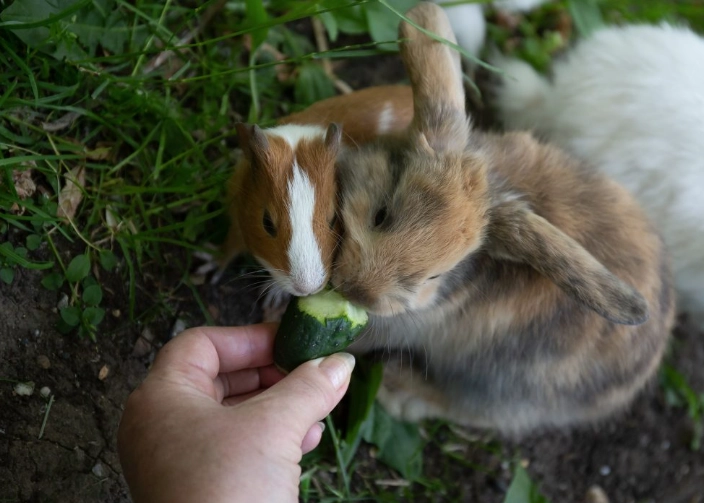
Top Tier (Daily Staples): These are high in fiber and nutrients, low in sugar and water. Romaine lettuce (not iceberg), green/red leaf lettuce, bok choy, celery leaves, endive, radicchio.
Great Tier (Rotate Regularly): Herbs like cilantro, parsley, mint, basil. Also dandelion greens (unsprayed!), carrot tops, and broccoli leaves (the florets can cause gas, so be careful).
Treat Tier (Feed Sparingly, 1-2x/week): This is where cucumber lives. Alongside bell peppers (any color, seeds removed), zucchini, summer squash, and the classic carrot (it's high in sugar!).
Rare/No Tier (Avoid or Extreme Caution): Iceberg lettuce (too watery, no nutrients), onions, leeks, garlic, potatoes, corn, beans, peas, rhubarb. These are dangerous or problematic.
As you can see, when pondering do rabbits eat cucumbers, the answer places it firmly in the "sometimes food" category, not the foundation of their fresh food intake.
Answering Your Burning Questions (The FAQ Section)
Can rabbits eat cucumber skin or peel?
Yes, if the cucumber is organic and well-washed. The peel actually has a bit more fiber and nutrients than the fleshy inside. If it's not organic, I personally peel it. The wax coating on some conventional cucumbers isn't something I want my rabbit ingesting.
Can rabbits eat cucumber seeds?
The small, soft seeds in the center of a standard cucumber are generally not harmful. However, I'm in the habit of scooping them out with a spoon. It's an easy step that removes any potential risk of a blockage, especially for smaller rabbits. With varieties that have large, hard seeds, always remove them.
Is cucumber good for rabbits in hot weather?
It can be a refreshing, hydrating snack. But it's not a substitute for fresh, cool water always available in a clean bowl. A frozen bottle of water wrapped in a towel for them to lie next to is often more effective for cooling. Don't overdo the cucumber thinking it will prevent dehydration.
My rabbit ate a lot of cucumber! What should I do?
First, don't panic. Remove all other fresh foods and treats. Make sure they have unlimited access to their best quality hay (like timothy or orchard grass) and fresh water. The hay is critical to get their fiber intake back up and normalize digestion. Monitor their poop closely for the next 24 hours. If they stop eating hay, become lethargic, or stop producing poop entirely, contact your vet immediately—these are signs of GI stasis.
Are pickles safe for rabbits?
Absolutely not. Never. Pickles are cucumbers soaked in vinegar, salt, and often spices like garlic and dill. The high sodium content is terrible for rabbits, and garlic/onion derivatives are toxic. Stick to plain, raw, fresh cucumber only.
My Two Cents: I've found that Mochi goes through phases. Sometimes he'll devour a cucumber slice; other times he'll sniff it and hop away, unimpressed. Rabbits have preferences, just like us. Don't force it. If they're not interested, there are plenty of other healthy treats they might love more, like a sprig of fresh basil or a raspberry leaf.
The Final Verdict: Should You Feed Cucumber to Your Rabbit?
Look, after all this, the core question—do rabbits eat cucumbers—has a layered answer.
Yes, they can. For many rabbits, it's a safe, enjoyable, crunchy snack that adds variety. The key is in the details: organic or well-washed, seeds scooped out, introduced slowly, and fed in tiny amounts only once or twice a week. It should never crowd out the main players in their diet: hay, water, leafy greens, and a small amount of pellets.
Your rabbit's health is the ultimate priority. When in doubt, hay is always the right answer. But if you want to share a cool slice of cucumber on a warm afternoon, watching those happy little chews, you can do so confidently now, knowing exactly how to keep it safe.
And remember, every rabbit is an individual. What works for my Mochi might not work for your bun. Start small, watch closely, and let their healthy habits be your guide. Happy feeding!
Reader Comments