Quick Guide
- Why Chocolate is a Death Sentence for Rabbits
- Signs Your Rabbit Ate Chocolate: The Red Alert Symptoms
- Emergency Protocol: What to Do If Ingestion Happens
- The Safe Rabbit Diet: What Should They *Actually* Be Eating?
- Common Human Foods That Are Dangerous for Rabbits
- Your Rabbit Nutrition Questions, Answered
- Creating a Bunny-Proof Home: The Ultimate Prevention
If you're a rabbit owner, or even just someone who loves these fluffy little creatures, you've probably found yourself holding a piece of chocolate, looking at your bunny's curious face, and wondering... can rabbits eat chocolate?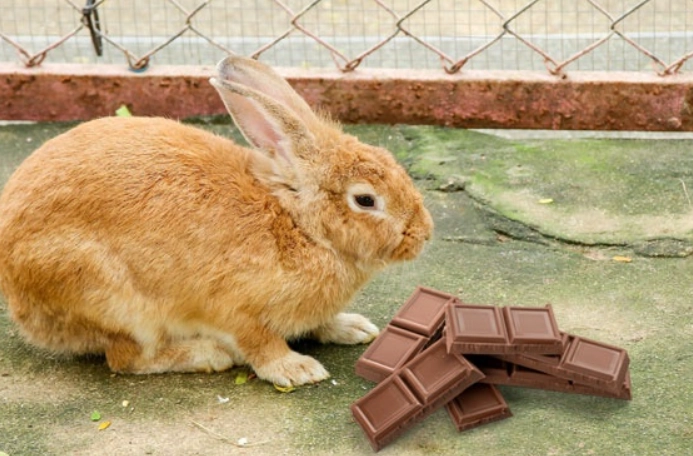
It's a simple question that pops up more often than you'd think. Maybe you're enjoying a candy bar and those pleading eyes are hard to resist. Or perhaps a piece of chocolate chip cookie fell on the floor. The temptation to share a tiny bit with your furry friend is real.
I've been there myself. Years ago, with my first rabbit, Thumper, I almost made that mistake. I'm so glad I looked it up first.
Let that sink in for a moment. It's not just a bad idea; it's a direct threat. This isn't me being overly cautious—it's a fundamental rule of rabbit care backed by veterinary science. So if you were hoping for a "maybe just a tiny bit" loophole, I'm sorry to disappoint, but your rabbit's safety is what matters most.
This article is going to dig deep into the why. We'll look at what's in chocolate that makes it so dangerous, what actually happens if a rabbit eats it (the symptoms aren't pretty), and crucially, what you should do if the worst happens. We'll also clear up the massive confusion around what rabbits can and should eat, because let's be honest, their diet can be confusing. Hay, pellets, veggies... it's a lot.
Why Chocolate is a Death Sentence for Rabbits
To understand why the answer to "can rabbits eat chocolate" is a hard no, you need to know what you're dealing with. Chocolate isn't just sugary junk food for them; it contains specific compounds that their bodies are utterly incapable of processing.
The primary villains are two methylxanthine alkaloids: theobromine and caffeine. Humans can metabolize these relatively easily (which is why we get a pleasant buzz), but rabbits? Their digestive systems are completely different. They are hindgut fermenters, designed to break down fibrous plant material, not complex stimulants.
Think of it like putting diesel fuel in a gasoline engine. The system just can't handle it, and catastrophic failure is the result.
The Toxic Mechanism: What Theobromine Does Inside a Bunny
When a rabbit ingests theobromine, it floods their system and starts wreaking havoc. Their metabolism is too slow to clear it out. This substance overstimulates their central nervous system and cardiovascular system. It's like forcing their little heart and brain into overdrive with no off switch.
The severity depends on two main things: the type of chocolate and the size/weight of your rabbit.
Here's the scary part: Dark, baking, and cocoa powder are the most toxic. They have the highest concentration of theobromine. Milk chocolate has less, but "less" is not "safe." White chocolate has the least, but it's still loaded with fat and sugar that can cause fatal gastrointestinal stasis. There is no safe type of chocolate for a rabbit.
A tiny 2-pound Netherland Dwarf is going to be in critical danger from a much smaller amount than a 10-pound Flemish Giant. But why risk figuring out the lethal dose? The safe dose is zero.
I remember reading a heartbreaking story on a rabbit forum. Someone's bunny got into some dark chocolate chips. They didn't think a few would matter. The rabbit was dead within 12 hours. It's that serious.
Signs Your Rabbit Ate Chocolate: The Red Alert Symptoms
Maybe you turned your back for a second. Maybe a well-meaning but uninformed guest offered a treat. If you suspect your rabbit has eaten any chocolate, time is your enemy. You need to act fast, and knowing the symptoms is crucial.
The signs can appear within 2-12 hours. Don't wait for all of them to show up. If you see even one or two, it's an emergency.
- Hyperactivity and Restlessness: Your normally calm bunny might be unable to sit still, twitching, or seeming "wired." This is the nervous system stimulation.
- Rapid Breathing and Panting: Their respiration rate will skyrocket. You'll see their sides moving quickly.
- Increased Heart Rate: You might be able to feel their heart pounding if you hold them gently against your chest.
- Muscle Tremors or Seizures: This is a severe sign. The body is losing control.
- Excessive Thirst and Urination: The body is trying desperately to flush out the toxin.
- Diarrhea or Bloated Abdomen: The digestive system is shutting down or going into distress.
- Lethargy and Weakness (Later Stage): After the initial hyperactivity, the body crashes into severe depression and weakness as systems fail.
Emergency Protocol: What to Do If Ingestion Happens
Panic won't help your rabbit. A clear, immediate plan will. Here is your step-by-step emergency response if you ever have to ask, "My rabbit ate chocolate, what now?"
- DO NOT INDUCE VOMITING. Rabbits are physically incapable of vomiting. Trying to make them will cause aspiration and severe distress.
- Identify the Chocolate. Quickly try to see what type and how much is gone. Grab the wrapper. This information is vital for the vet.
- Call Your Veterinarian Immediately. If it's after hours, call the nearest emergency animal clinic. Say clearly: "I have an emergency. My rabbit has ingested chocolate." Be ready to describe the type, estimated amount, your rabbit's weight, and any symptoms.
- Follow Their Instructions Precisely. They may tell you to come in right away or give you specific first-aid advice over the phone. Do not administer any human medications (like activated charcoal) unless explicitly directed by the vet.
- Keep Your Rabbit Calm and Contained. Place them in a safe, quiet carrier with no food or water (unless the vet says otherwise) for the journey. Stress makes everything worse.
At the vet, treatment may involve activated charcoal (administered by them) to prevent further absorption, intravenous fluids to support the kidneys and flush the system, medications to control heart rate and seizures, and supportive care. It's intensive, expensive, and not guaranteed. Prevention is infinitely better.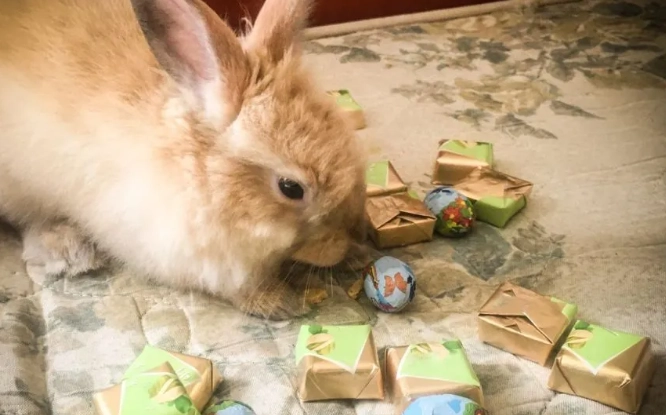
The Safe Rabbit Diet: What Should They *Actually* Be Eating?
Okay, so we've hammered home that rabbits and chocolate are a terrible mix. But all this "don't" talk can be frustrating. What can you give them? Let's flip the script and talk about the good stuff—the foods that keep bunnies healthy, happy, and their digestive systems humming.
A proper rabbit diet is a pyramid. Most of it isn't the fun treats we like to give; it's the essential fiber that keeps everything moving.
The Bunny Food Safety Pyramid
| Food Category | Percentage of Diet | Key Purpose & Examples | Feeding Notes |
|---|---|---|---|
| Unlimited Hay | 80-85% | Primary fiber source. Essential for digestion, dental wear, and mental health. Timothy Hay, Orchard Grass, Meadow Hay. | Must be available 24/7. Fresh, dry, and sweet-smelling. |
| Fresh Leafy Greens | 10-15% | Vitamins, minerals, moisture. Romaine, Green/Red Leaf Lettuce, Kale, Cilantro, Parsley, Dandelion Greens (pesticide-free). | 1 packed cup per 2 lbs body weight daily. Introduce new greens slowly. |
| High-Quality Pellets | ~5% (Limited) | Concentrated nutrients & fiber. Timothy-based pellets only, no colorful "mixes" with seeds/nuts. | 1/4 cup per 5 lbs body weight max. Not a food bowl staple. |
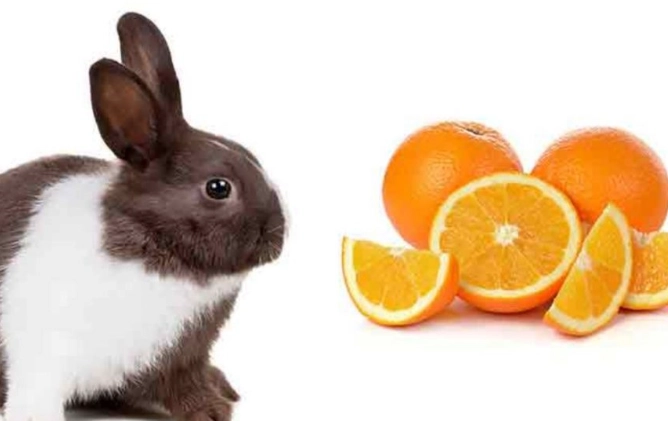
| Occasional Treats | Enrichment & bonding. A small slice of apple, a blueberry, a 1-inch piece of banana, a raspberry. | Treats mean TINY amounts, 1-2 times per week. Fruit is high in sugar. |
See how small the "treats" section is? That's the part we humans love, but it's the least important for their health. The foundation is boring old hay. If your rabbit isn't eating mostly hay, their diet is out of balance, making them more susceptible to issues like GI stasis, even without eating something toxic like chocolate.
Common Human Foods That Are Dangerous for Rabbits
Chocolate is the headline act, but it's not the only dangerous food in our kitchens. A lot of what's perfectly safe for us is a minefield for them. Here's a quick-hit list of other common foods to keep far away from your bunny:
- Allium Vegetables: Onions, garlic, leeks, chives. They cause blood cell damage.
- Avocado: Contains persin, a fungicidal toxin that is highly toxic to many animals.
- Iceberg Lettuce: Not toxic per se, but its lactucarium content can be a mild sedative and it's mostly water with little nutritional value, potentially causing diarrhea.
- Potatoes (Raw) & Potato Greens: Contain solanine, a glycoalkaloid poison.
- Rhubarb: The leaves are highly toxic due to oxalic acid.
- Seeds & Pits from Fruits: (e.g., apple seeds, peach pits) Often contain cyanide compounds.
- Processed Human Foods: Bread, crackers, cereal, pasta, yogurt drops (marketed for rabbits but often terrible), cookies. High in carbs, sugar, and starch, which disrupt gut bacteria.
- Meat, Eggs, Dairy: Rabbits are strict herbivores. Their gut cannot process animal protein.
It's a long list, I know. It can feel overwhelming. The golden rule? When in doubt, don't give it out. Stick to known safe greens and the rare approved fruit treat.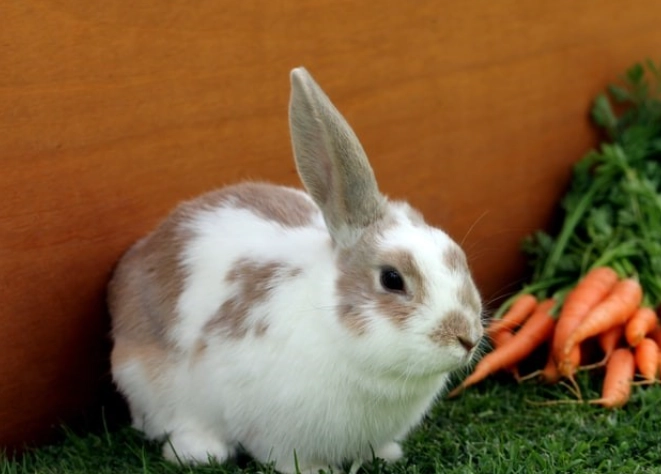
Your Rabbit Nutrition Questions, Answered
Let's tackle some of the specific questions that bounce around in a rabbit owner's head. These are the things you might search for at midnight.
Creating a Bunny-Proof Home: The Ultimate Prevention
Knowing that rabbits can't eat chocolate is one thing. Making it impossible for them to access it is another. Rabbits are curious, agile, and surprisingly good at getting into things. Prevention is 100% your responsibility.
- Store All Chocolate Securely: In high cabinets, not on countertops or low tables. Don't forget baking chocolate and cocoa powder in the pantry.
- Educate Everyone in the Household: Make sure kids, partners, roommates, and guests know the rule. A simple "Please don't feed the rabbit anything unless it's from this bag of approved treats" sign can help.
- Supervise Free-Roam Time: If your bunny has run of the house, be extra vigilant. Crumbs under the couch from last week's movie night are a hazard.
- Have Safe Alternatives Ready: When you're snacking on chocolate, give your bunny a sprig of fresh cilantro or a piece of their hay-based forage. They get to participate safely.
It's about mindset. You're not depriving them of a treat; you're protecting them from poison. The look of contentment on a bunny munching a big pile of hay is worth infinitely more than the risky thrill of a human snack.
I hope this guide has laid out all the facts clearly. It might seem a bit intense, but rabbit care is a serious commitment. They're fragile in ways dogs and cats aren't, especially with their digestion. Once you get the diet right, though, everything else gets so much easier. Trust me, Thumper is 8 years old now and still acts like a spring bunny, all because we keep it simple: lots of hay, fresh water, and love. And absolutely no chocolate.
Reader Comments