Quick Navigation
- The Rabbit Digestion System: Why We Can't Just Feed Them Anything
- Radish Nutrition: Breaking Down the Crunch
- The Practical Guide: How to Feed Radishes to Your Rabbit
- The Benefits and Risks: A Clear-Cut List
- What About Other Parts? Daikon, Black Radishes, Sprouts?
- Answering Your Top Questions: The Rabbit Radish FAQ
So you're standing in the kitchen, holding a bright red radish, and your bunny is giving you that look. You know the one. The "is that for me?" look. And you're wondering, can a rabbit eat radishes safely? It's a simple question, but the answer isn't just a yes or no. It's a whole conversation about rabbit guts, sugar content, and how to not mess up a good thing.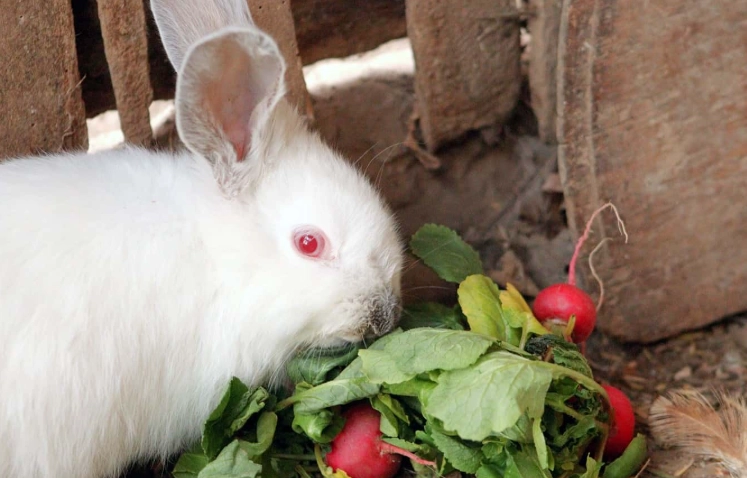
I've been there. My first rabbit, Thumper, was a curious little guy who would try to eat anything that crunched. I made my share of mistakes early on, learned from them (and from some very patient veterinarians), and now I want to save you the guesswork. Let's dig into the dirt on radishes and rabbits.
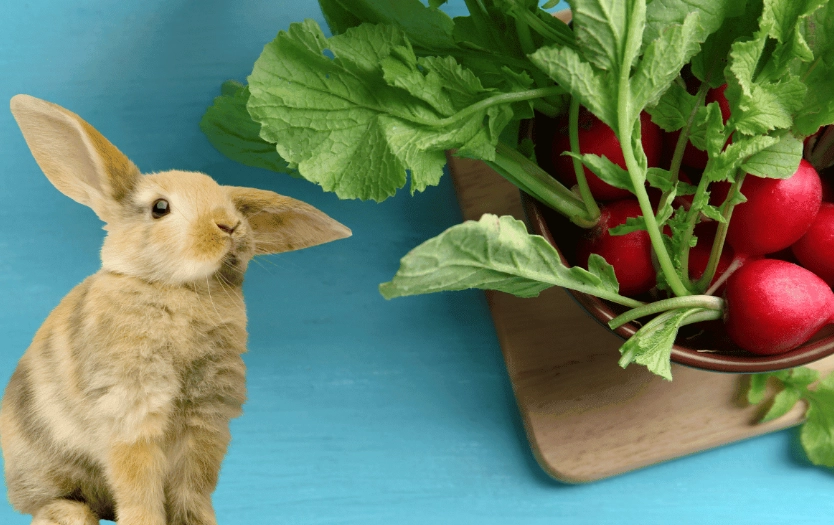
The Short Answer: Yes, rabbits can eat radishes. Both the root and the greens. But—and this is a big but—they are a treat food, not a staple. Think of them as the rabbit equivalent of a cookie, not a sandwich.
The Rabbit Digestion System: Why We Can't Just Feed Them Anything
To understand why the answer to "can a rabbit eat radishes" needs nuance, you have to understand how a rabbit works from the inside. Their digestive system is a finely tuned fermentation vat designed for one main job: breaking down fiber.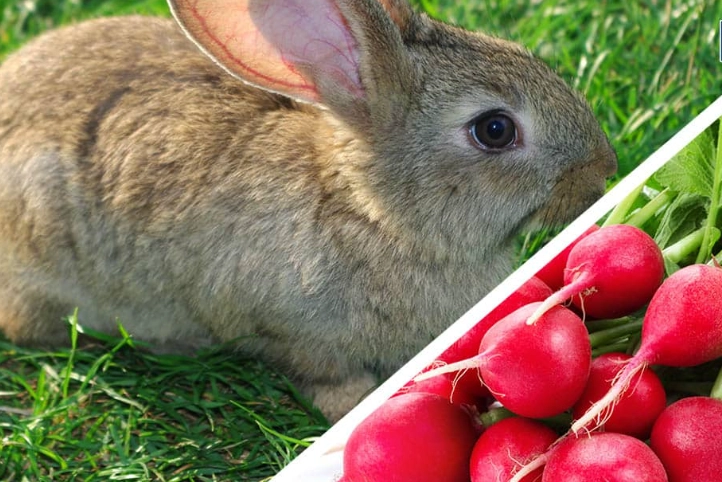
Hay, specifically grass hay like timothy or orchard grass, provides the long-strand fiber that keeps their gut muscles moving. This movement is non-negotiable. If it stops, so does the rabbit, and very quickly. Their stomachs are simple, but their hindgut (the cecum) is a complex organ where bacteria break down fibrous material into nutrients they can absorb.
When you introduce foods that are high in sugar or starch, like the root bulb of a radish, you risk upsetting the delicate bacterial balance in that cecum. The wrong bacteria can overgrow, producing gas and toxins. This is a fast track to gastrointestinal stasis (GI stasis), a silent killer for rabbits.
So, when we ask if a rabbit can eat radishes, we're really asking: "Is the nutritional profile of a radish compatible with this sensitive system?" Let's look at what's in a radish.
Radish Nutrition: Breaking Down the Crunch
A radish isn't just a spicy red ball. It's a package deal. You've got the root (the part we humans usually eat) and the leafy green tops. Nutritionally, they're almost two different foods from a rabbit's perspective.
For the root, the main things we care about are water, sugar, and a compound called isothiocyanate that gives it that peppery kick. The greens are a different story—they're leafy, fibrous, and packed with vitamins.
Radish Root (The Red/White Part)
This is the high-reward, higher-risk part. It's crunchy and juicy because it's about 95% water. That's not bad. The potential issue is in what makes up the other 5%. We're talking about natural sugars and those spicy compounds.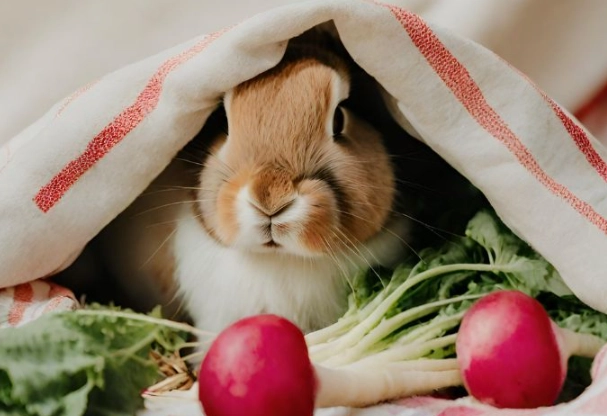
The sugar content, while natural, is still sugar. In a large rabbit, a tiny bit is fine. In a small rabbit, or if fed too often, it can start to cause problems like weight gain and, as mentioned, gut flora disruption. The spiciness? Some rabbits don't mind it at all. Others might take one nibble and hop away, unimpressed. It's not harmful in small amounts, but it's a flavor not all bunnies enjoy.
I remember giving Thumper a small slice. He sniffed it, took a cautious bite, crunched thoughtfully for a moment, and then looked at me as if to say, "You eat this stuff?" He finished it, but he was never as excited about radishes as he was about, say, a piece of cilantro.
Radish Greens (The Leafy Tops)
Now, here's the part I personally get more excited about. The greens. If you're going to feed any part of the radish plant to your rabbit regularly, make it the tops.
They are lower in sugar and higher in fiber compared to the root. They're a good source of Vitamin C, Vitamin K, calcium, and iron. They also have that slightly peppery hint, which some bunnies adore. The higher fiber content is much more in line with what a rabbit's gut is designed to handle.
In my opinion, the greens are the unsung hero of the radish plant for rabbit owners. You get to use the whole veggie—root for you (in your salad), tops for them. Less waste, happier bunny.
Pro Tip: Always wash radish greens (and the root) thoroughly. They can have dirt and, more concerning, pesticide residues from conventional farming. When in doubt, organic is a safer bet, but washing is non-negotiable either way.
The Practical Guide: How to Feed Radishes to Your Rabbit
Okay, so we've established that yes, a rabbit can eat radishes, with caution and focus on the greens. Let's get practical. How do you actually do this without causing trouble?
Portion Size: Less is More
This is the most critical part. A rabbit's diet should be roughly 80-90% unlimited grass hay. About 10% should be fresh vegetables. Treats like radish root fall into a tiny, tiny sliver of that 10%.
| Rabbit Size | Radish Root (Max Portion) | Radish Greens (Suggested Portion) | Feeding Frequency |
|---|---|---|---|
| Small (e.g., Netherland Dwarf) | 1 thin slice (size of a thumbnail) | 1-2 leaves | Once or twice a week |
| Medium (e.g., Mini Lop) | 2-3 thin slices | A small handful (4-6 leaves) | Twice a week |
| Large (e.g., Flemish Giant) | Half a small radish | A generous handful | Twice a week |
See how small those portions are? That's on purpose. The House Rabbit Society, a fantastic resource I always check, emphasizes that starchy vegetables (which includes radish roots) should be considered treats. Their general feeding guide is a great reference for building a balanced diet.
For the greens, you can be a bit more generous as they are a leafy green, but they should still be part of a rotating menu of different greens, not the only one you feed.
Introduction: The Slow and Steady Rule
Is this your rabbit's first time with radishes? You can't just drop a whole radish in their bowl and call it a day. You have to introduce any new food slowly.
- Day 1: Offer a piece of radish green the size of your bunny's ear. Just one piece.
- Day 2: Observe. Are their poops normal? Normal rabbit poop should be round, firm, and uniform. If they are, you can offer another small piece of green.
- Day 3-4: If all is still well, you can try a tiny sliver of the root, no bigger than your pinky nail.
- Day 5+: If, after 24 hours of the root sliver, their digestion is still perfect, you can consider radishes (in the portions above) a safe, occasional treat.
If at any point you see soft cecotropes (the sticky, smelly poops they normally re-ingest), mushy fecal poops, or a decrease in appetite, stop the radishes immediately. Go back to just hay and water for a day, and then resume their normal, safe veggies. Radishes might not be for your particular bunny.
Stop Immediately If: You notice diarrhea, bloating, lethargy, or a complete loss of appetite after feeding radishes. These are signs of digestive distress. Remove all fresh food, provide unlimited hay and water, and contact your veterinarian if symptoms persist for more than a few hours. GI stasis is an emergency.
The Benefits and Risks: A Clear-Cut List
Let's boil it down. Why would you even bother asking "can a rabbit eat radishes"? What's in it for the bunny, and what should you watch out for?
Potential Benefits of Radishes for Rabbits
- Hydration: The high water content can help with hydration, especially on warm days.
- Enrichment: The novel texture and taste provide mental stimulation. A new crunch is fun!
- Nutrients in Greens: The tops offer vitamins (A, C, K) and minerals like iron in a rabbit-appropriate form.
- Low-Calorie Treat (in correct portions): Compared to commercial treats full of seeds and honey, a slice of radish is a relatively low-calorie way to say "good bunny."
Potential Risks of Feeding Radishes
- Digestive Upset: The primary risk. Too much sugar from the root can cause gas, bloating, and potentially fatal GI stasis.
- Weight Gain: Overfeeding any treat, even a vegetable, contributes to excess calories. A fat rabbit is an unhealthy rabbit with joint and organ stress.
- Pesticide Exposure: If not washed thoroughly, conventional radishes can introduce harmful chemicals. The FDA provides general guidance on washing fresh produce, which is a good practice to follow.
- Urinary Issues (The Calcium Debate): Radish greens contain calcium. For a healthy rabbit with ample water intake, this is fine. For rabbits prone to bladder sludge or stones, a vet might advise limiting high-calcium greens like radish tops, spinach, and parsley. It's not a universal ban, but something to be aware of.
Honestly, the risks almost always stem from one thing: overfeeding. Get the portion right, and you likely mitigate 95% of the potential problems.
What About Other Parts? Daikon, Black Radishes, Sprouts?
You might see other types of radishes at the store. The rules generally stay the same, but with adjustments for size and potency.
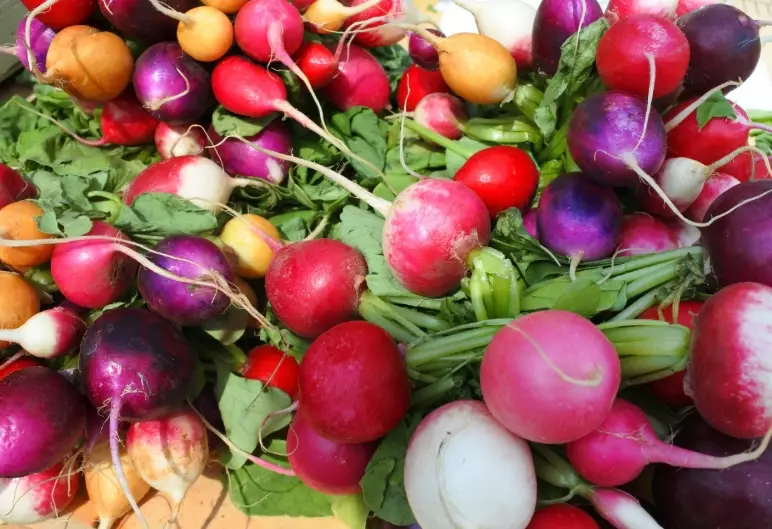
- Daikon (White Radish): Larger and often milder. The same rules apply—greens are great, root is a treat. A "slice" for a daikon will just be physically bigger than a slice from a red radish, but the volume should be similar to the portions in the table.
- Black Radishes: These are often more pungent and spicy. Some rabbits will outright refuse them. If they do eat it, offer even less than you would a red radish due to the stronger compounds.
- Radish Sprouts/Microgreens: These are young radish plants. They are generally safe and can be a nice garnish on their salad. Again, just a small pinch as part of their veggie mix.
I tried giving my current bunny, Mochi, a piece of daikon once. She was utterly confused by the size. She tried to pick it up, failed, and then just sat on it. Not her finest culinary moment. We stuck with the smaller red radishes after that.
Answering Your Top Questions: The Rabbit Radish FAQ
So, circling back to the big question: can a rabbit eat radishes?
The final, nuanced answer is yes, but with intelligent caution. The green tops are a nutritious, fibrous addition to their leafy green rotation. The crunchy root is a sugary treat to be doled out in thumbnail-sized portions, not a dietary staple.
The core of your rabbit's health will always be that endless pile of hay. Fresh vegetables are the supporting cast, and treats like radish root are the occasional cameo appearance. Get that hierarchy right, and you can safely let your bunny enjoy the occasional peppery crunch without worry.
Just remember to wash it, slice it small, and watch those poops. Your rabbit's gut will thank you.
Reader Comments