Quick Guide
- The Rabbit's World: Prey Animal Instincts 101
- The Top Reasons Why Does Rabbits Thump: A Deep Dive
- Decoding the Thump: Context is King
- What Should You Do When Your Rabbit Thumps?
- Beyond Thumping: The Full Rabbit Communication Toolkit
- Wild vs. Domestic: Does Thumping Differ?
- Your Rabbit Thumping FAQs Answered
- When Thumping Signals a Bigger Problem
- Building a Thump-Minimizing, Confidence-Boosting Home
So you're sitting there, maybe reading a book or watching TV, and suddenly you hear it. Thump. Thump-thump. A solid, rhythmic sound coming from your rabbit's corner. You look over, and there's your bunny, hind legs pounding the floor with surprising force. It's a sound that can be funny, confusing, and even a little alarming if you don't know what it means.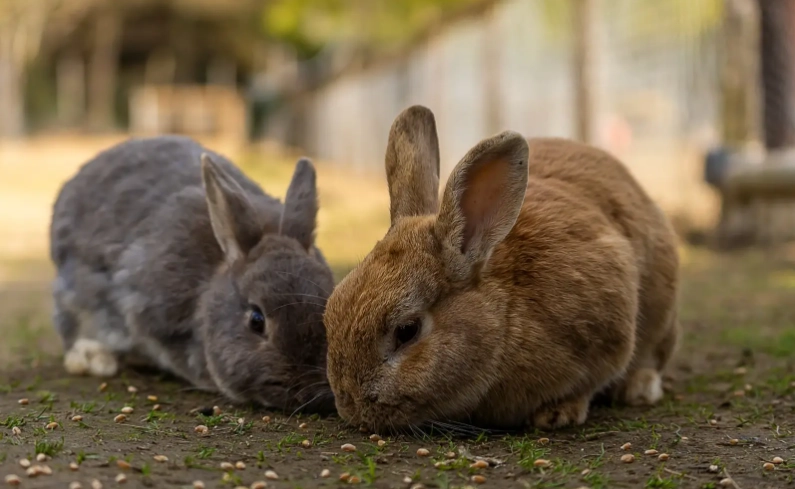
If you've ever wondered "why does rabbits thump," you're definitely not alone. It's one of the most common questions new rabbit owners have. Honestly, the first time my own rabbit, Mochi, did it in the middle of the night, I nearly jumped out of my skin. I thought something was terribly wrong.
But here's the thing – that thumping is your rabbit talking to you. It's not random. It's a core part of how they communicate fear, frustration, warnings, and even pain. Understanding it is like learning a key part of the rabbit language, and it completely changes your relationship with your pet.
The Rabbit's World: Prey Animal Instincts 101
To really get why rabbits thump, you have to step into their paws for a minute. Rabbits aren't predators like cats or dogs. They're prey animals. Their entire biology and psychology are wired for survival in a world full of things that want to eat them. This isn't just a cute fact – it's the master key that unlocks almost all rabbit behavior, including thumping.
In the wild, rabbits live in complex social groups in warrens. Communication is vital for survival, but they can't afford to be loud and draw attention. So they evolved subtle and not-so-subtle ways to signal each other. A thump sends a clear, percussive message through the earth that other rabbits can feel, even if they can't see or hear the source clearly. It's a brilliant adaptation.
This prey-animal mindset explains why rabbits are so sensitive. A strange smell, a sudden shadow, a loud noise from the apartment upstairs – things we barely notice can trigger their "danger, danger!" protocol. And part of that protocol is the mighty thump.
The Top Reasons Why Does Rabbits Thump: A Deep Dive
So, let's break it down. Why does rabbits thump, specifically? It's rarely for just one reason. Context is everything. Here are the main scenarios where you'll hear that familiar sound.
The "Danger!" Warning Thump
This is the classic. The number one reason. Your rabbit has seen, heard, or smelled something they perceive as a threat. It could be anything.
- The Vacuum Cleaner Monster: This is practically a universal trigger. The noise, the movement, the smell – it's a perfect storm of scary.
- Unfamiliar People or Animals: A guest in the house, a new dog barking outside the window.
- Strange Noises: A door slamming, construction sounds, fireworks, thunder.
- New Objects: You brought a new piece of furniture into the room. To you it's a chair. To your rabbit, it's a suspicious, unknown entity that wasn't there before.
The thump here is a dual-purpose signal. First, it's an alarm to other rabbits (or to you, if you're considered part of the colony). "Hey! Everyone! Be alert!" Second, it can be a warning to the perceived threat itself. "I see you. I'm big and scary. Don't come closer." It's a bluff, of course, but an instinctive one.
I remember Mochi once spent a solid five minutes thumping at a grocery bag I'd left on the floor. It had a logo with what I guess looked like giant, threatening eyes to her. From her perspective, she was bravely defending the living room from a plastic predator.
The "I'm Annoyed" or Territorial Thump
Not all thumps are about fear. Sometimes, they're about attitude. Rabbits can be surprisingly sassy and territorial. This thump is more about frustration or claiming space.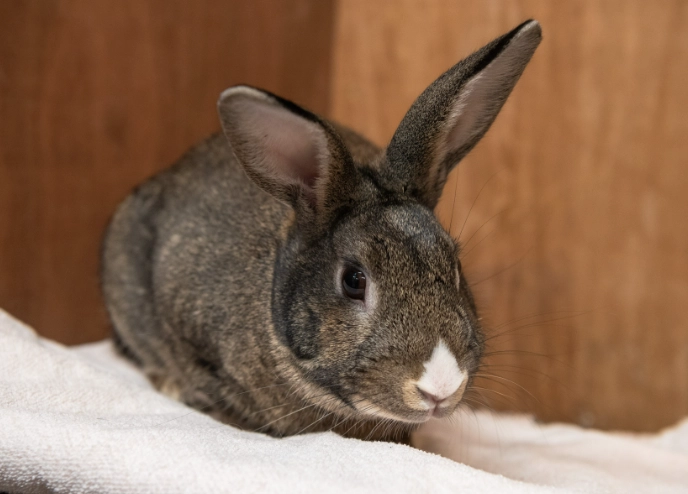
Common triggers include:
- You're petting them and then stop. The indignity!
- You moved their favorite toy or hid a treat puzzle a little too well.
- Another household pet (like a cat or another rabbit) is encroaching on their chosen nap zone.
- You're late with dinner. A truly unforgivable offense.
This type of thump is often a single, loud one, rather than a rapid series. It's a punctuation mark of displeasure.
The "Check This Out" or Communication Thump
This one is subtler. Sometimes, a rabbit will thump and then look at you expectantly. They might have heard a faint noise you didn't and are saying, "Did you hear that? What is it? Should we be worried?" They're checking in with you, their trusted companion, for confirmation.
If you calmly check it out (look out the window, listen) and then go back to what you were doing, often they'll relax. You've just reassured them that the coast is clear. It's a fascinating glimpse into how bonded rabbits can see us as part of their social structure.
The "I'm Hurt or Scared" Pain/Stress Thump
This is the most serious reason, and the one every owner needs to be aware of. Rabbits are masters at hiding illness and pain (another prey animal trait – showing weakness makes you a target). Sometimes, a thump can be a reaction to sudden pain or severe discomfort.
Why does rabbits thump when in pain? It could be a startled reaction to a sharp internal pain, or a general expression of extreme distress. Never ignore thumping that coincides with any other sign of illness.
Decoding the Thump: Context is King
You can't just hear a thump and know. You have to be a rabbit detective. Look at the whole picture.
| What to Look At | What It Might Mean | Your Best Response |
|---|---|---|
| Body Language | Ears pinned back, body tense and low to the ground? That's fear. Ears up, body posture normal but with a sassy stare? That's annoyance. | Fear: Speak softly, remove the threat if possible. Annoyance: Maybe apologize for being late with the greens. |
| The Thump Pattern | A rapid series of thumps is usually high alarm. A single, loud, deliberate thump is often a protest or warning shot. | Series: Stay calm, investigate the environment. Single: Acknowledge them, see if they're asking for something. |
| Timing & Environment | Did a truck just backfire outside? Did the cat just jump on the couch? Is it near their feeding time? | Connect the thump to the event. It solves the mystery 90% of the time. |
| What Happens After | Do they freeze in place, listening? Do they run and hide? Or do they just go back to eating? | Freezing/hiding means genuine fear. Going back to business means the issue is resolved in their mind. |
See? It's not just noise. It's a whole sentence made of vibration, posture, and timing.
What Should You Do When Your Rabbit Thumps?
Okay, practical advice time. Your rabbit is thumping. What now?
- Don't Panic or Startle Them More. Your energy matters. If you jump up and run over shouting "What's wrong?!" you've just confirmed their fear that something IS wrong. Stay calm.
- Assess the Situation. Quick scan. Is there an obvious trigger? A shadow? A noise? Is the rabbit showing other signs of distress or pain?
- For Fear/Alert Thumps: Speak in a low, calm, reassuring voice. "It's okay, I hear it too. It's just the wind." You don't need to pick them up (which can increase stress), but your calm presence is reassuring. If you can safely remove the trigger (close the curtain, turn off the noisy fan), do so.
- For Annoyance Thumps: Sometimes, just acknowledging them works. A glance and a "I know, I know, dinner is coming." Other times, you might need to figure out what they want – is their water bottle empty? Is the litter box too dirty for their royal standards?
- For Unexplained or Pain-Related Thumps: This is the vet call. Seriously. If your gut says this isn't normal, it probably isn't. Rabbits deteriorate fast. Better a false alarm than a missed emergency.
Beyond Thumping: The Full Rabbit Communication Toolkit
Thumping is loud and obvious, but it's just one tool in the box. To truly understand your bunny, you need to listen to their quieter signals too.
Happy Sounds & Signs:
- Tooth Purring: A soft, gentle grinding when being petted. The ultimate compliment.
- Binkies: Those crazy, joyous leaps and twists in the air. Pure happiness.
- Flopping: Dramatically falling over onto their side. It looks scary but means they feel utterly safe and relaxed.
Warning & Unhappy Signs:
- Growling/Hissing: Yes, rabbits can growl! It's a low guttural sound, usually over food or territory. A clear "back off."
- Lunging/Boxing: Standing on hind legs and swiping with front paws. A more aggressive warning than a thump.
- Loud Screaming: This is a sound of terror or extreme pain. You hope to never hear it.
When you put the thump into this broader context, its meaning becomes even clearer. It sits right in the middle of their communication spectrum – not as casual as a honk, not as dire as a scream.
Wild vs. Domestic: Does Thumping Differ?
It's the same instinct, but the triggers change. A wild rabbit's thump is almost exclusively a survival alarm – predator spotted. Their life depends on it.
Our house rabbits have kept the hardware (the instinct to thump) but have installed new software (the reasons to use it). Their world is full of confusing, non-lethal "threats" like recycling day and dropped remote controls. They've also learned they can use it to communicate with us, their strange, hairless roommates who control the food supply. So while the core why does rabbits thump is rooted in wild survival, the modern application has expanded into domestic life.
Your Rabbit Thumping FAQs Answered
Let's tackle some of the specific questions people type into Google. These are the real head-scratchers.
Is it normal for a rabbit to thump for no reason?
It might seem like no reason to you, but there's almost always a reason from the rabbit's perspective. A smell you can't detect (like a predator's scent on your shoes), an ultrasonic sound, or a tiny shadow. Before calling it "no reason," do a thorough environmental check. If it's truly persistent and inexplicable, consider a vet visit to rule out pain or neurological issues.
My rabbit thumps at night. Why?
Nighttime is prime thumping time. The house is quiet, so unfamiliar noises (the furnace kicking on, a house settling, an animal outside) are more pronounced. Their night vision is also excellent, so they might see shadows we don't. Ensure their sleeping area is in a quiet, draft-free spot. A bit of soft music or a white noise machine can help mask startling sounds.
How can I get my rabbit to stop thumping?
You shouldn't try to "stop" a natural, important communication behavior. Instead, try to reduce the causes. Rabbit-proof their environment for safety and calm. Provide plenty of hiding boxes so they feel secure. Establish a routine so they feel in control. A confident, secure rabbit thumps less. But they will always have the capacity to do it – and that's a good thing. You want them to be able to tell you when they're scared.
Can thumping be a sign of a happy rabbit?
Not typically. The behaviors associated with happiness are much softer – purring, binkying, flopping. Thumping is fundamentally an alert or protest signal. However, a rabbit that feels secure enough in its environment to issue a warning thump is arguably a confident rabbit, which is a positive state. But the thump itself isn't a happy sound.
My rabbit thumps when I pick them up. What does that mean?
It likely means they don't enjoy being picked up. Rabbits are ground animals and being lifted can trigger a prey-animal panic response. The thump is a protest. Work on building trust through ground-level interaction and only pick them up when absolutely necessary (like for vet visits), using proper support.
When Thumping Signals a Bigger Problem
Most thumping is normal, but be a responsible owner and know the red flags. As mentioned, pain is a major one. But there's also chronic stress or anxiety.
If your rabbit is thumping constantly, seems perpetually on edge, and is hiding more than interacting, their environment might be too stressful. Common culprits:
- Lack of Space: A tiny cage with no run time is a prison, not a home.
- Loneliness: Rabbits are social. A solo rabbit without enough human interaction can become neurotic. Consider bonding with a neutered/spayed friend (with proper research!). Organizations like the Rabbit Welfare Association & Fund (RWAF) have excellent resources on rabbit companionship.
- Boredom: No toys, no tunnels, nothing to chew or dig. Boredom leads to frustration and stress.
- Predator Stress: If you have other pets (like cats or dogs), even if they're friendly, their constant presence can be inherently stressful for a rabbit. Ensure the rabbit has a totally secure, predator-proof zone that is theirs alone.
Addressing these welfare issues doesn't just reduce thumping; it creates a genuinely happier, healthier animal. Resources from the American Veterinary Medical Association (AVMA) on general pet stress can provide a good framework, and rabbit-specific sites dive deeper.
Building a Thump-Minimizing, Confidence-Boosting Home
So, what does a rabbit-friendly home look like? It's one where they feel in control and safe, which naturally leads to less stress-based communication.
The Non-Negotiables:
- Space: A large, multi-level enclosure (x-pens are great) they can call home base, with unlimited access to a larger, rabbit-proofed exercise area for several hours daily.
- Hides: Multiple hiding places – boxes, tunnels, cat cubes. A place to retreat is a place to feel safe.
- Enrichment: Things to destroy (cardboard), chew (applewood sticks), dig (a digging box with shredded paper), and explore. A bored rabbit is a stressed rabbit.
- Routine: Feed at roughly the same times. Rabbits thrive on predictability.
- Respect: Let them come to you. Don't force interaction. Sit on the floor and let them investigate you. This builds trust on their terms.
When you get this environment right, you'll still get the occasional thump – the UPS truck, a sudden storm – but the constant, anxious thumping will fade away. You'll have a confident pet, not a nervous one.
So, the next time you hear that thump, don't just ignore it or get annoyed. Listen. It's your rabbit having a conversation. It might be saying "I'm scared of that bag," or "You're late," or the much more serious "I don't feel right."
Understanding why does rabbits thump turns a confusing noise into meaningful dialogue. It deepens your bond and makes you a better, more attentive guardian. And honestly, it's one of the things that makes rabbits such fascinating and complex companions. They're not just fluffy decorations; they're little beings with a rich, vibrational language all their own. All you have to do is learn to listen with more than just your ears.
Comment