In This Article
So you want to know what's the difference between a rabbit and a hare? You're not alone. I can't tell you how many times I've seen people point at a speedy, long-eared creature in a field and confidently declare it one or the other, only to be completely wrong. It happened to me for years! I used to think all the big, fast ones were hares and the small, fluffy ones were rabbits. Turns out, it's way more interesting than that. The confusion is totally understandable—they look similar, they hop, they love carrots in cartoons. But biologically and behaviorally, they're worlds apart. It's like confusing a wolf with a coyote, or a leopard with a cheetah. Once you know what to look for, you'll never mix them up again.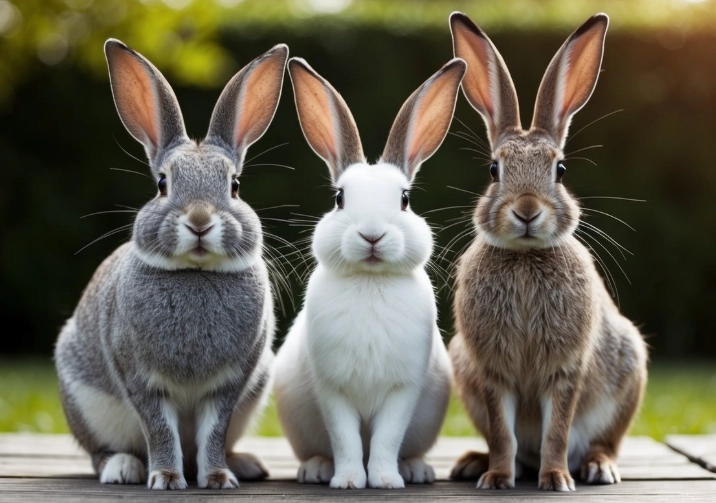
This isn't just trivia. If you're a gardener dealing with nibbled plants, a wildlife watcher, or even someone considering a pet, knowing the difference between a rabbit and a hare matters. Their needs, habits, and impacts are different. This guide is going to dig into everything, from their scientific classification down to the nitty-gritty details of their daily lives. We'll move beyond the basic "hare bigger, rabbit smaller" line you see everywhere and get into the real stuff.
Here's the core idea upfront: Rabbits and hares are distinct groups within the same family. Think of them as cousins, not siblings. Hares are generally built for speed and open-space survival from the moment they're born. Rabbits are more about social living, burrowing, and raising helpless young in safe nests. This fundamental life strategy shapes everything about them.
The Big Picture: Taxonomy and Family Ties
Let's start with the science, but I promise to keep it painless. Both rabbits and hares belong to the order Lagomorpha and the family Leporidae. That's right, they're not rodents (a common mistake). The key split happens at the genus level. Most true rabbits, like the ubiquitous Eastern Cottontail or the domestic rabbit, fall under the genus Sylvilagus or Oryctolagus. Hares, like the Snowshoe Hare or the European Brown Hare, belong to the genus Lepus.
This genetic separation happened millions of years ago, leading them down different evolutionary paths. It's not just a name tag difference; it's coded into their very DNA. The U.S. Fish & Wildlife Service often clarifies these distinctions in their wildlife resources, noting how management strategies differ for the various species within the Leporidae family. So when someone asks what's the difference between a rabbit and a hare, you can start by saying they're different genera. That usually impresses people.
The 7 Key Differences (Side-by-Side)
Alright, let's get to the practical stuff. Here’s a breakdown of the main areas where rabbits and hares part ways. I've put the most visual ones in a table because sometimes you just need to see it laid out.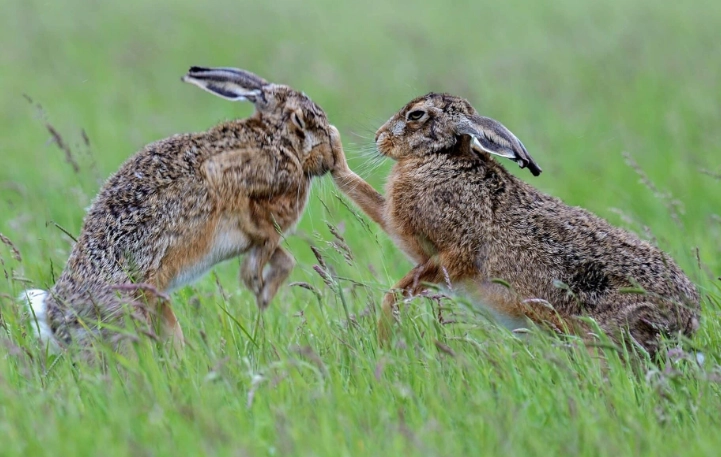
| Feature | Rabbit | Hare |
|---|---|---|
| Size & Build | Generally smaller, more compact body. Rounded, softer appearance. | Larger, longer body. Leaner, more athletic and rangy build. |
| Ears & Legs | Shorter ears relative to head; shorter hind legs. | Substantially longer ears (often with black tips); powerful, very long hind legs. |
| Offspring at Birth | Altricial: Born blind, hairless, and completely helpless. | Precocial: Born fully furred, eyes open, and mobile within a short time. |
| Nesting & Habitat | Digs complex burrow systems (warrens) for shelter and raising young. | Lives in simple, shallow depressions called "forms" above ground. |
| Social Behavior | More social, often living in colonies (especially European rabbits). | Largely solitary and territorial, except during mating season. |
| Response to Threat | Typically flees to the safety of its burrow. | Relies on incredible speed, agility, and camouflage to outrun threats. |
| Fur Color Change | Rare. Most retain the same coat color year-round. | Common in some species (e.g., Snowshoe Hare turns white in winter). |
That table gives you the snapshot. Now, let's wander through each of these points and add some color (and personal grumbling about past misconceptions).
1. Body, Ears, and Legs: Built for Different Lives
Look at a hare. I mean really look. They have this lanky, race-car vibe. Their hind legs are massive—proportionally some of the strongest in the animal kingdom. It's all for explosive acceleration. A European Brown Hare can hit speeds of 45 mph and make sudden zig-zags. Their ears are ridiculously long, not just for cute factor, but for superior hearing across flat, open landscapes and thermoregulation. You'll often see black markings on the tips.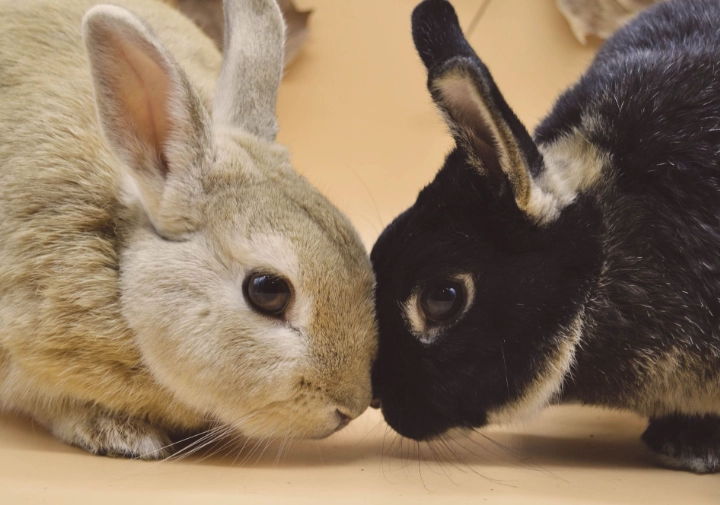
Rabbits are more the compact SUV model. Shorter legs, rounder bodies. Their ears are shorter and softer-looking. It's a build designed for darting into dense brush or diving down a hole, not for marathon sprints across fields. The domestic rabbit varieties exaggerate or minimize these traits, but the wild blueprint is there. I once spent an hour debating with a friend whether the animal we saw was a large rabbit or a small hare. We were both wrong—it was a jackrabbit (which is actually a hare! The naming is a whole other mess).
2. Babies: The Most Stunning Difference
This is the clincher. The single biggest answer to what's the difference between a rabbit and a hare lies in their young.
Rabbit kits are born in a secure, fur-lined nest inside a burrow. They're pink, blind, and look more like little beans than animals. They're utterly dependent on their mother, who visits only briefly once or twice a day to nurse. This strategy is about quality care in a safe location.
Hare leverets are born on the bare ground in a form. They pop out fully furred, eyes wide open, and with a degree of coordination. Within a few hours, they can hop around. The mother hare doesn't stick around—she visits to feed them but otherwise leaves them scattered and relying on camouflage. It's a "prey from day one" strategy. Finding a lone leveret doesn't mean it's abandoned; its mom is probably nearby. The Smithsonian's National Museum of Natural History has great resources on these divergent reproductive strategies, showing how evolution shaped them for different survival challenges.
3. Home Sweet Home: Burrows vs. Forms
Rabbits are engineers. They create extensive underground networks called warrens with multiple entrances, nesting chambers, and bolt holes. It's a communal fortress. This is why they're associated with complex social structures. If you see a bunch of rabbit-sized holes in a bank or field, you're looking at a rabbit apartment complex.
Hares are minimalists. Their home is a shallow scrape pressed into the grass or dirt, called a form. It offers minimal shelter but a full 360-degree view and a quick exit. They don't dig burrows (with very rare exceptions). They live out in the open, exposed to the elements and predators, trusting their senses and speed. I find this incredibly brave, or maybe just stubborn. It perfectly illustrates their independent, tough-as-nails attitude.
4. Personality and Social Life
Following from their homes, their social lives differ wildly. Rabbits, especially the European rabbit, are highly social. They live in structured groups with complex hierarchies. They groom each other, communicate with a variety of signals, and share warren duties. Even the more solitary American cottontails have overlapping ranges and some interaction.
Hares are loners. They come together to mate, and that's about it. They're territorial and will box with each other (the famous "mad March hare" behavior). They don't form social bonds. It's a solitary, vigilant existence. If you see a group of long-eared animals chilling together, they're almost certainly rabbits, not hares.
Beyond the Basics: Fur, Diet, and Lifespan
Some differences are subtler but still tell the story.
Fur and Camouflage: Many hare species have seasonal molts. The Snowshoe Hare is the classic example, turning from brown to brilliant white to match the snow. Most rabbits don't do this; their burrow offers protection, so their coat stays consistent. A hare's fur also tends to be coarser and grizzled, while a rabbit's is softer.
Diet: Both are herbivores, but hares, often living in tougher, open environments, might browse on tougher vegetation, bark, and twigs, especially in winter. Rabbits have a strong preference for tender grasses, herbs, and vegetables (much to a gardener's dismay).
Lifespan: In the wild, both have short, perilous lives due to predation, often just 1-3 years. Hares, with their exposed lifestyle, might have it even tougher. In captivity, rabbits can live 8-12 years. Hares are rarely kept in captivity and don't typically live as long even if they are; they're just not wired for it.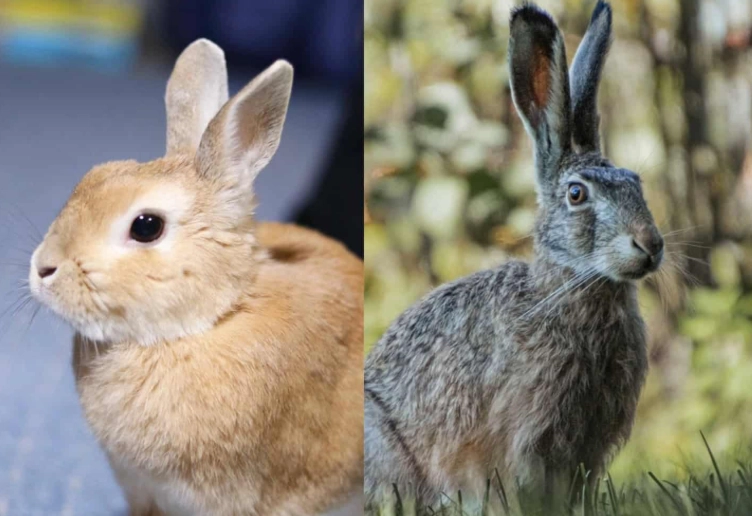
Common Questions (And Some Honest Answers)
Can rabbits and hares interbreed?
No. Absolutely not. They have different numbers of chromosomes. It's biologically impossible. This is a hard stop. Anyone telling you they've seen a "rabbit-hare hybrid" is mistaken, likely seeing a large rabbit breed or a small hare species.
What about jackrabbits and cottontails?
This is where common names betray us. A jackrabbit is a hare (genus Lepus). It's in the name! A cottontail is a true rabbit (genus Sylvilagus). So in North America, you're mostly comparing jackrabbits (hares) to cottontails (rabbits). The Arctic Hare, Snowshoe Hare—all hares. The Eastern Cottontail, Desert Cottontail—all rabbits.
Which one is faster?
Hare, no contest. Their entire physiology is built for it. A rabbit's dash is quick and frantic, aimed at the nearest cover. A hare's run is sustained, powerful, and strategic. It's built to outpace predators in open country.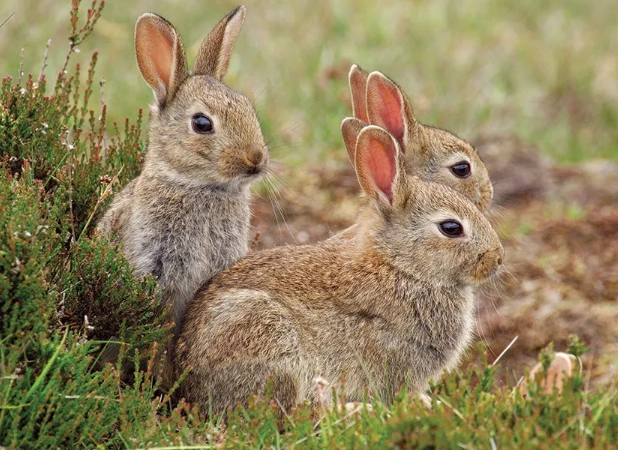
Is one smarter than the other?
That's a loaded question. They're intelligent in ways suited to their lives. Rabbits display more complex social intelligence. Hares exhibit incredible situational awareness and cunning in evasion. I'd call it a tie, just different kinds of smart.
Can I keep a hare as a pet like a rabbit?
I strongly advise against it. It's a terrible idea. Domestic rabbits are the result of thousands of years of selective breeding for temperament. Hares are wild animals. They are stressed by confinement, don't bond with humans, have specific dietary needs, and are prone to fatal stress-induced conditions like capture myopathy. Organizations like the USDA's Animal and Plant Health Inspection Service have regulations around keeping wild lagomorphs for good reason. Enjoy them in the wild.
Why Does This Difference Matter?
It's not just for winning nature trivia. If you're a farmer or gardener, knowing whether you have rabbits or hares helps with management. Rabbits can be excluded with fencing buried into the ground. Hares, who don't burrow, require different fencing strategies. For conservationists, understanding their specific habitat needs—warrens for rabbits, open meadows with cover for hares—is crucial for land management. For the casual observer, it deepens your appreciation of the natural world. That speedy ghost on the twilight hill isn't just a "big rabbit"; it's a hare, a solitary athlete surviving on its wits and speed.
When you really get into it, the question of what's the difference between a rabbit and a hare opens a window into evolutionary biology. Two related animals, facing similar challenges, came up with radically different, brilliant solutions: the communal burrower and the solitary speedster.
Final Takeaway: Next time you're out and see one, don't just guess. Look for the clues. Long, black-tipped ears and a lanky build in an open field? Probably a hare. A rounder body vanishing into a bramble patch or near a burrow? Likely a rabbit. Remember the babies, remember the homes. The distinction is clear, fascinating, and tells a great story about adaptation.
I hope this settles the debate. It did for me, after I finally took the time to look beyond the surface. The natural world is full of these nuanced separations, and understanding them makes every outdoor experience richer. Now go forth and identify with confidence!
Comment