Quick Guide
If you ask just about anyone what rabbits eat, I’ll bet my last dollar they’ll say carrots. Bugs Bunny ruined us all, didn’t he? That cartoon image of a rabbit happily munching on a giant orange root is burned into our brains. But here’s the thing I learned the hard way with my own rabbit, Thumper: what’s good for a cartoon isn’t always good for a real, living creature with a delicate digestive system.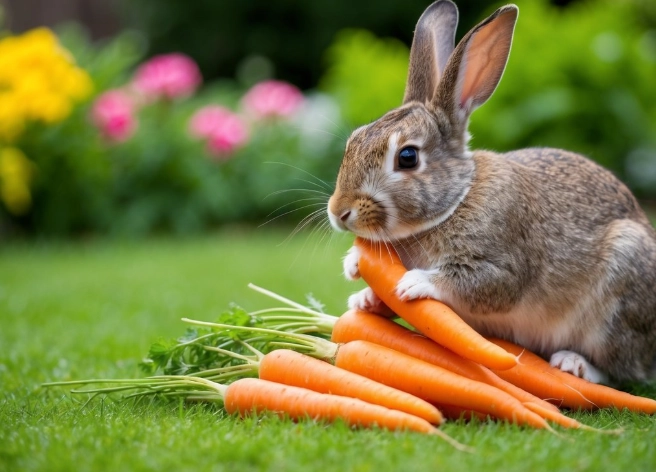
So, let’s cut to the chase. Should rabbits eat carrots? The short, honest answer is yes, but not in the way you think. It’s a treat, not a staple. It’s the candy of the rabbit world. Feeding your bunny carrots like they’re going out of style is one of the most common mistakes new owners make, and it can lead to some serious health issues. This isn't just my opinion; it's backed by every reputable rabbit care resource out there.
The Core Truth: Carrots are high in sugar and starch. A rabbit's digestive system is designed for a low-sugar, high-fiber diet centered on hay. Too much sugar disrupts their gut flora, leading to obesity, digestive stasis (a life-threatening condition), and dental problems.
I remember giving Thumper a whole baby carrot as a daily treat when I first got him. He loved it, of course. Who wouldn't love candy? But after a few weeks, I noticed his poops were getting smaller and irregular. A frantic vet visit and a lesson in rabbit nutrition later, I realized I was essentially feeding him a sugar cube every day. I felt awful. That experience is why I'm so passionate about getting this information out there.
Why the “Carrot-Only” Diet is a Recipe for Disaster
Let’s break down why the popular image is so wrong. A wild rabbit’s diet consists mainly of grasses, weeds, leaves, and the occasional bark or twig. The key component here is fiber—lots and lots of it. Their digestive systems are fermentation vats that need a constant flow of roughage to keep moving. Sugars and simple carbohydrates ferment too quickly, causing a bacterial imbalance.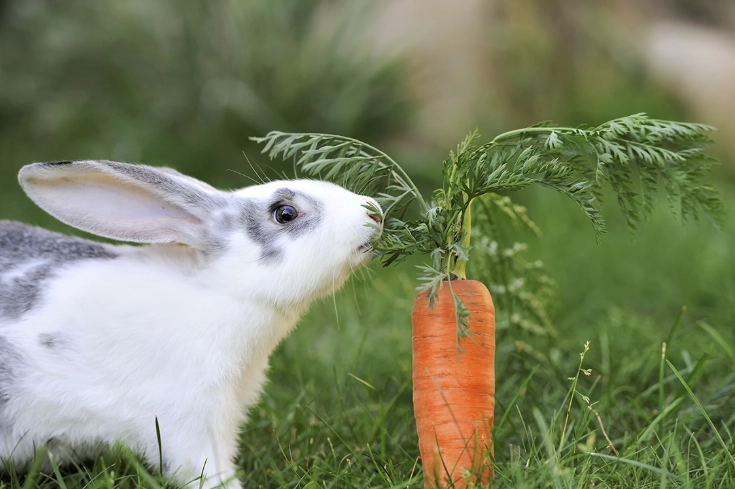
Now look at a carrot. The orange part we eat is the root, a storage organ for the plant. It stores energy in the form of sugars. Compared to the leafy green tops (which are fantastic for rabbits, by the way), the root is a sugar bomb.
| Food Item | Primary Nutrient | Role in Rabbit Diet | Frequency |
|---|---|---|---|
| Timothy Hay / Grass Hay | Fiber | Staple (80-90% of diet). Wears down teeth, keeps gut moving. | Unlimited, 24/7 |
| Fresh Leafy Greens (e.g., Romaine, Kale) | Vitamins, Minerals, Moisture | Daily vegetable portion. Provides essential nutrients. | 1-2 cups daily per 2kg body weight |
| Carrot (Root) | Sugars, Vitamin A | Occasional treat. High sugar content requires strict limitation. | 1-2 thin slices, 1-2 times per week |
| Carrot Tops (Greens) | Fiber, Calcium | Excellent leafy green. Can be part of the daily veggie mix. | In rotation with other greens |
| Commercial Pellets | Concentrated Nutrients | Supplement, not main food. Choose high-fiber, plain pellets. | Limited quantity daily (e.g., 1/4 cup per 2kg rabbit) |
See the difference? Hay is the main course, greens are the side dish, and carrots are the occasional dessert. Framing it like this makes it much easier to understand. The House Rabbit Society, a fantastic authority on rabbit care, is adamant about this hierarchy. Their feeding guide clearly prioritizes hay above all else.
So, when you ask should rabbits eat carrots, the answer hinges entirely on quantity and frequency. It’s not a yes/no question; it’s a “how much and how often” question.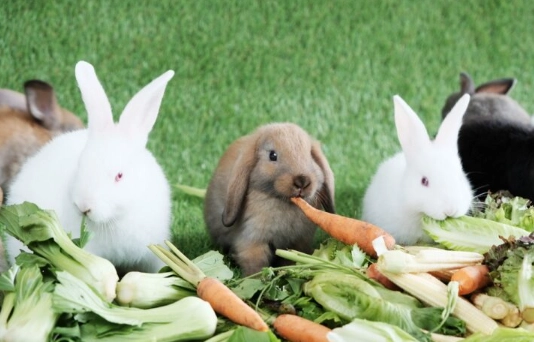
The Safe Carrot Feeding Guide: Less is More
Okay, so carrots aren't poison. They do have Vitamin A and some nutrients. The trick is to think of them as a rare delicacy. Here’s my practical, no-nonsense guide based on vet advice and resources from places like the House Rabbit Society and the Merck Veterinary Manual.
How Much Carrot is Safe?
For an average-sized rabbit (around 2kg or 4.5lbs), think tiny.
- The Weekly Allowance: One to two thin slices, about the thickness of a coin.
- Frequency: Once or twice a week at most. Not every day. Definitely not multiple times a day.
- Preparation: Wash it thoroughly. You can peel it if you're concerned about pesticides, but it's not strictly necessary if you wash well. Cut it into small, manageable pieces to prevent choking.
Warning Signs of Too Much Carrot/Sugar: If you notice soft or mushy cecotropes (the softer, cluster-like poops they usually re-ingest), a decrease in normal hard fecal pellets, lethargy, or a loss of appetite, stop all treats immediately and consult a vet. These can be early signs of gastrointestinal stasis.
I know, it seems ridiculously small. But look at it from the rabbit's perspective. Their bodies are small, and their metabolism is finely tuned. A little sugar goes a long way. Giving them more is not kindness; it’s risking their health for a moment of cute eating.
What About Baby Carrots?
This is a common point of confusion. A “baby carrot” sold in bags is often just a whittled-down piece of a larger carrot. They are just as sugary. One whole baby carrot is way too much for a single serving. If you use a baby carrot, chop it into at least four pieces and give only one piece per treat time.
Top Alternatives: What to Feed Instead of Carrots
If you want to give your bunny a treat they’ll love without the sugar spike, you have so many better options. The key is to focus on leafy parts of plants. Here’s my personal ranking of safer, healthier treats.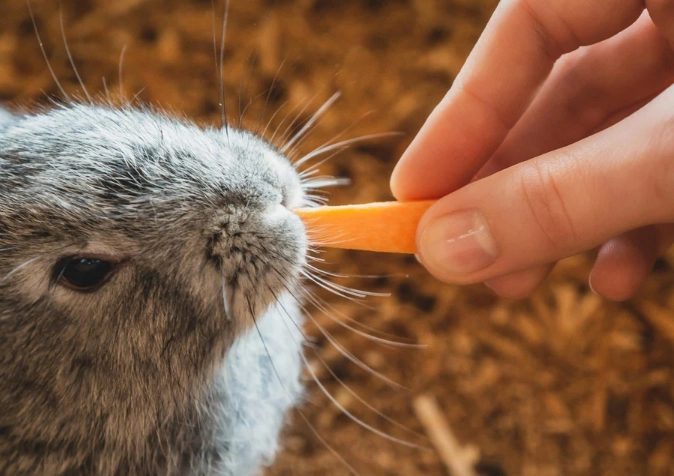
Pro Tip: Always introduce any new food, even a healthy one, in a tiny amount to see how your rabbit’s stomach handles it. Wait 24 hours to check for any digestive upset.
The “Green Light” Treat List (Can be given more freely than carrots)
- Herbs: Cilantro, parsley, mint, basil, dill. My Thumper goes crazy for cilantro. These are flavorful and low in sugar.
- Leafy Greens: The tops of carrots, radishes, and beets are excellent! Also romaine lettuce (not iceberg, which is nutritionally void), kale, spring greens, and bok choy.
- Other Veggie Bits: Bell pepper (red, green, yellow – remove seeds), Brussels sprout leaves, broccoli leaves.
The “Proceed with Caution” Treat List (Still treats, but better than carrot root)
- Fruits: These are also sugary. Think of them as “super treats.” A single blueberry, a thin slice of apple (no seeds!), or a small chunk of banana (like a thumbnail-sized piece) once a week is plenty.
- Other Root Veggies: Things like parsnip or sweet potato have similar sugar/starch issues. Treat them with the same extreme caution as carrots.
The goal is variety and moderation. A mix of different leafy greens every day is far superior to a daily carrot.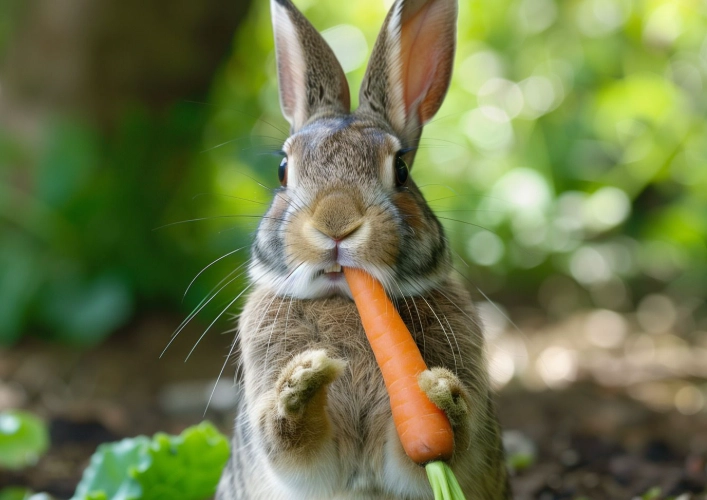
Answering Your Burning Questions
Can rabbits eat carrots every day?
No. I would strongly advise against it. Daily carrot consumption significantly increases the risk of digestive problems and obesity. It’s a habit that’s hard to break once started, too. Rabbits are creatures of routine and will come to expect it.
Are carrot tops/greens safe?
Yes! In fact, they are highly recommended. Carrot tops are a nutritious, fibrous leafy green. Wash them well and mix them into your rabbit’s daily salad. They are a completely different food from the root.
My rabbit loves carrots and refuses other treats. What do I do?
This is a classic case of a sugar preference. You have to be a bit stubborn. Stop giving carrots completely for a few weeks. Consistently offer small pieces of healthier alternatives like cilantro or parsley. They might turn their nose up at first, but hunger is a great motivator. Eventually, they’ll try the new food and discover they like it.
What are the specific health risks of too many carrots?
Let’s be specific, because “bad for them” isn’t helpful. The main risks are:
1. Gastrointestinal Stasis (GI Stasis): The sugar alters the pH and bacterial balance in the cecum (a part of their gut). This slows or stops gut motility. It’s a medical emergency that can be fatal within 24 hours.
2. Obesity: Excess calories from sugar turn to fat. An overweight rabbit has joint problems, reduced mobility, and is at higher risk for other diseases.
3. Dental Issues: While the crunch might seem good, carrots don’t provide the sustained abrasive chewing that hay does to properly wear down their continuously growing teeth. Poor dental wear leads to painful malocclusion (misaligned teeth). Resources like the VIN (Veterinary Information Network) have detailed peer-reviewed articles on these conditions.
Should rabbits eat carrots as their main vegetable?
Absolutely not. Their main vegetables should be dark, leafy greens. Carrots should not be considered a “vegetable” in their diet plan; they should be filed strictly under “treats.”
So, after all this, should rabbits eat carrots? You know my stance. They can, but it’s a tiny, infrequent privilege, not a right. The real question we should be asking is, “What does my rabbit need for a long, healthy life?” And the answer to that is always: unlimited hay, fresh water, a variety of leafy greens, a few pellets, and the very occasional sugary bite.
Building a Better Daily Diet: A Sample Plan
Let’s move from theory to practice. Here’s what a healthy day looks like for my rabbit now. This mirrors the advice from most exotic vets.
Morning: Refresh the unlimited timothy hay rack. I mean, pile it high. He should never be without hay. Check and refill water (in a bowl, not just a bottle, as bowls allow for more natural drinking).
Evening: This is veggie and treat time.
- I give him a heaping handful of mixed greens: maybe some romaine, a few sprigs of cilantro, and a couple of radish tops.
- He gets his measured tablespoon of plain, high-fiber pellets.
- Maybe, if it’s a treat day (say, Tuesday), he’ll get a single slice of carrot or a blueberry. But three or four days a week, there’s no “treat” at all—just the greens. And he’s perfectly happy.
The difference in his health, his fur, his energy, and his litter box output was night and day once I switched to this model. His poops are uniform and plentiful—the sign of a happy rabbit gut.
It’s simple, really. Feed for health, not just for the cute photo.
I hope this clears up the confusion. The carrot myth is pervasive, but it’s one we need to correct as responsible pet owners. Your rabbit’s health depends on it. Do your own research too—click those links to the House Rabbit Society and Merck Manual. Seeing the same advice from multiple authoritative sources is how you know it’s not just one person’s opinion.
At the end of the day, asking should rabbits eat carrots is the right first step. Now you have the knowledge to answer it correctly and make the best choices for your furry friend.
Comment