Your Guide to Rabbit Nutrition
You're holding a crust of bread, and those big, adorable bunny eyes are locked onto it. The little nose is twitching. The urge to share your snack is almost overwhelming. I've been there. Before I knew better, I'd sometimes give my first rabbit, Thumper, a tiny piece of my toast crust. He loved it. It felt harmless, like a treat. But the more I learned, the more that feeling of "harmless" turned into a knot of worry in my stomach. So, let's cut to the chase and answer the big question head-on: should rabbits eat bread?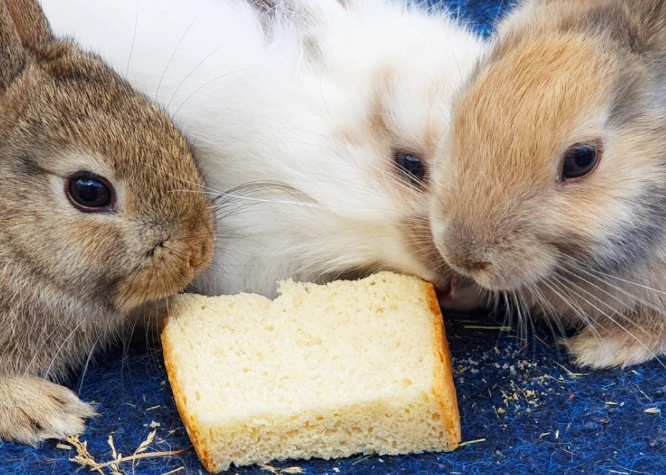
The short, definitive answer is no.
It's not about being a mean pet parent. It's about understanding that a rabbit's digestive system is a finely tuned, complex engine designed for one type of fuel: fiber. Bread is the wrong fuel. It's like putting diesel in a gasoline car – things will break down, and the repair bills (or vet bills, in this case) can be steep and heartbreaking.
I want this to be the last article you need to read on the topic. We're going to dig into the why behind the "no," look at what actually happens inside your bunny if they eat it, explore some shockingly common myths, and most importantly, give you a whole toolkit of safe, healthy, and bunny-approved alternatives. By the end, you'll not only know if rabbits can eat bread, but you'll feel confident in making the best choices for your furry friend's long-term health.
Why Bread is a Big Problem for Bunny Bellies
To understand why bread is bad, you need a quick peek under the hood of rabbit digestion. Rabbits are hindgut fermenters. Their magic happens in the cecum, a large pouch at the start of the large intestine. This is where specialized bacteria break down tough plant fibers (think hay, hay, and more hay) into nutrients the rabbit can absorb. This whole system runs on a constant conveyor belt of high-fiber, low-sugar, low-starch material.
Bread throws a wrench into this perfect system. Let's break down the components:
The Starch and Sugar Bomb
Bread, whether white, brown, or whole wheat, is primarily refined carbohydrates. It's packed with starch and sugars. A rabbit's gut bacteria are not equipped to handle this sudden influx. The wrong bacteria (the ones that love sugar and starch) can proliferate wildly, disrupting the delicate balance. This leads to a condition called dysbiosis.
Think of it as a coup in the gut. The good, fiber-loving bacteria get overwhelmed by the bad, sugar-loving ones. These bad bacteria produce gas and toxins. The result? Bloating, severe pain, and potentially life-threatening conditions like Gastrointestinal (GI) Stasis. GI Stasis is a rabbit owner's nightmare – the gut slows down or stops completely. It's an emergency. The RSPCA, a leading animal welfare authority, lists inappropriate diet as a primary cause of digestive issues in rabbits, and starchy foods like bread are a major culprit.
The Fiber That Isn't Fiber
"But my bread says it's high in fiber!" I hear you. Here's the catch: the fiber in bread is not the same as the fiber in hay or grass. The long, abrasive strands of hay (what we call "indigestible fiber") are what keep the gut muscles moving. They provide the necessary bulk and friction. The processed fiber in bread is softer, shorter, and doesn't provide this essential mechanical function. It can actually contribute to a sluggish gut.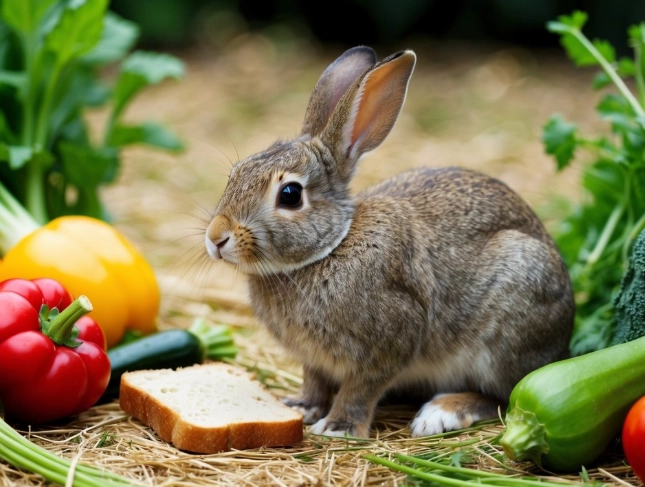
Nutritional Void and Weight Gain
Bread offers rabbits almost nothing they need. It's deficient in the crucial vitamins (like Vitamin A and D) and minerals essential for bone, teeth, and organ health. What it does offer is empty calories. Rabbits can gain weight surprisingly quickly on starchy treats. Obesity in rabbits is a serious health risk, leading to arthritis, heart strain, and difficulty grooming themselves, which creates a whole other set of problems.
And let's talk teeth. Rabbit teeth grow continuously. Chewing on hard, fibrous hay grinds them down naturally. Soft bread does nothing for tooth wear. Overgrown teeth are painful, prevent eating, and require vet intervention to file down.
Bread Breakdown: A Closer Look at Different Types
Maybe you're thinking, "Okay, but what about...?" Let's tackle the common variants head-on.
| Type of Bread | Is it Safe? | The Reality Check |
|---|---|---|
| White Bread | No. The worst offender. | Highly processed, highest in simple starches and sugars, almost zero nutritional value for a rabbit. A definite no-go. |
| Whole Wheat / Brown Bread | No. Still unsafe. | Marginally more fiber, but still a concentrated source of starch and calories. The core digestive issues remain. Don't be fooled by the "healthy for humans" label. |
| Toast | No. | Toasting doesn't change the chemical composition in a way that matters for rabbits. It's still bread. |
| Bread Crust | No. | Often harder, which people mistake for being good for teeth. It's not abrasive like hay; it's just a denser piece of starch. No benefit, all risk. |
| Moldy or Stale Bread | EXTREMELY DANGEROUS. | Mold can produce mycotoxins that are lethal to rabbits, causing severe neurological and organ damage. Never, ever feed bread that's even slightly off. |
See a pattern? The base ingredient is the problem. The House Rabbit Society, a fantastic resource for evidence-based rabbit care, is unequivocal: bread, rolls, crackers, and other baked goods are not suitable for rabbits. Their diet guides are a lifesaver for new owners.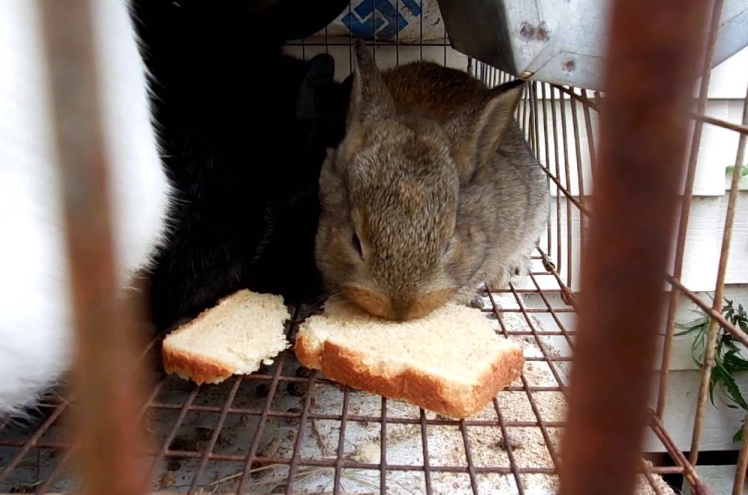
What If My Rabbit Already Ate Some Bread?
Don't panic. One tiny piece accidentally snatched off the floor is unlikely to cause a catastrophe in an otherwise healthy adult rabbit. The problems arise from regular feeding or a large quantity eaten at once.
Here's what to do:
- Stay Calm: Freaking out helps no one, especially your bunny who can sense your stress.
- Remove All Access: Make sure no more bread is within reach.
- Monitor Closely: For the next 12-24 hours, watch for warning signs:
- Reduced or no appetite for their usual hay and greens.
- Smaller, misshapen, or no fecal pellets.
- Lethargy, hunched posture (sign of pain).
- Loud gut sounds (gurgling) or a hard, bloated belly.
- Encourage Hay and Water: Offer their favorite hay (timothy, orchard grass) and fresh water. The hay is the best thing to get their gut moving normally again.
The Healthy Swap: What to Feed Instead of Bread
Now for the good part! You want to treat your rabbit, and you absolutely should. Bonding over food is a joy. The key is choosing treats that are safe, healthy, and actually beneficial. The foundation of their diet (80-90%) must always be unlimited, high-quality grass hay.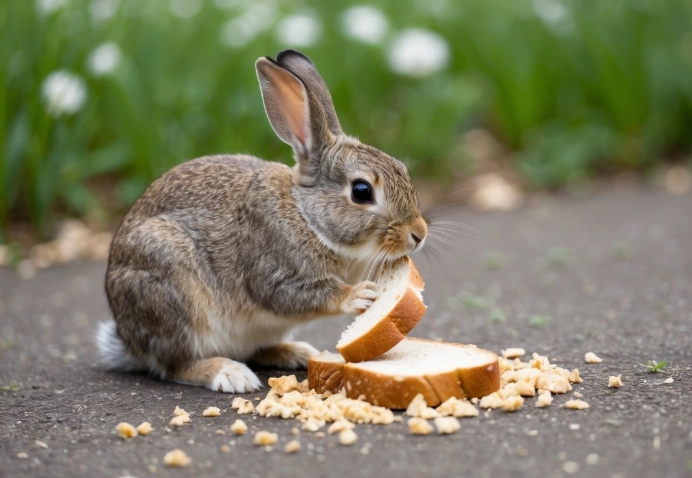
For the treat portion of their diet, here’s your go-to list. These are the things that make my bunnies do happy binkies.
Top Tier Treats (Feed in Moderation)
These are the "superfoods" of the bunny treat world. They have nutritional benefits and are generally low in sugar and starch when fed correctly.
- Fresh Herbs: Cilantro, parsley (flat-leaf or curly), mint, basil, dill. My rabbits go crazy for cilantro. It's packed with flavor and vitamins.
- Leafy Greens: Romaine lettuce, green leaf lettuce, red leaf lettuce, kale (sparingly, as it's high in calcium), arugula, spring greens. Rotate these for variety.
- Certain Vegetables: Bell peppers (any color, seeds removed), zucchini, Brussels sprouts (one small one), broccoli leaves and stalks (flowers can cause gas in some buns, so introduce slowly).
Occasional Sweet Treats (Feed Sparingly - Think Pinky-Nail Size)
These have higher sugar content, so they are true "once or twice a week" treats.
- Fruits: Apple slice (no seeds), banana (a tiny piece is a mega-hit), blueberry, strawberry top (the leafy part), raspberry, pear slice (no seeds).
- Carrot Tops: The leafy greens are fantastic! The actual orange carrot root is high in sugar—treat it like fruit, not a daily vegetable.
Commercial Treats: What to Look For
The pet store aisle is full of colorful, yogurt-covered, seed-stuffed treats marketed for rabbits. Be very skeptical. Most are junk food.
Here’s my personal checklist before buying any packaged treat:
- First Ingredient: It should be hay (timothy, meadow, orchard) or a plain, dried vegetable/fruit. Not "wheat flour," "cereal," or "sugars."
- No Added Sugars: Avoid anything with molasses, honey, sucrose, fructose, etc., high on the list.
- No Seeds, Nuts, or Colored Bits: Rabbits don't naturally eat these in the wild. They are high in fat and can cause digestive issues.
- Simple is Better: A bag of plain, dried dandelion leaves or apple wood sticks is a far better choice than a multi-colored "treat salad." Companies like Oxbow offer simple, hay-based treats that are a safer bet.
Answering Your Burning Questions
I've gotten so many questions from other rabbit owners over the years. Here are the most common ones that pop up when we talk about whether rabbits should eat bread.
Can rabbits eat bread for teething?
No, no, and no. This is a dangerous myth. Bread is soft and offers zero abrasive quality to wear down teeth. It's like giving a teething baby a marshmallow. For teething and continuous tooth wear, the only correct answer is unlimited hay. Safe wood chews (apple, willow, aspen) also help.
My breeder/pet store said bread crusts are fine. Who's right?
This is frustratingly common. Unfortunately, a lot of outdated or incorrect information gets passed down. Reputable veterinary sources and rabbit welfare organizations like the Rabbit Welfare Association & Fund (RWAF) are clear: bread is not suitable. Always lean on information from veterinary nutritionists and established welfare groups, not just tradition.
Is a little bit really that harmful?
This is the slippery slope. One tiny piece once might not cause an immediate trip to the ER. But why risk it at all? More importantly, it sets a precedent. Rabbits are smart. If they get a delicious starchy treat once, they'll want it again. It can create begging behaviors and make them picky with their healthy hay. It also normalizes it for you, the owner. Suddenly, "a little bit" becomes a weekly thing, and the cumulative risk goes up. There are so many truly safe treats; there's just no need to use bread.
What about using bread to hide medicine?
It's tempting, but please don't. The medicine is meant to help, but the bread carrier can cause new problems. Ask your vet for rabbit-safe alternatives. Critical Care (a recovery food) can be used to mix meds, or a tiny bit of unsweetened applesauce or banana mush often works. Your vet can give you the best method.
Building a Gut-Healthy Diet: The Long Game
Thinking about whether rabbits can eat bread is really about committing to their overall digestive health. It's a long-term project. Here's the simple, tried-and-true daily blueprint:
- Unlimited Grass Hay: This should be available 24/7. Timothy, Orchard, Meadow, Oat hay. It's their main food, bedding, and entertainment. A rabbit without hay is a rabbit in digestive peril.
- Fresh Leafy Greens: About 1 packed cup per 2 lbs of body weight daily. Rotate between romaine, herbs, spring mix, etc.
- Limited Pellets: If you feed pellets, choose a high-fiber, timothy-based one with no colorful bits or seeds. Feed only about 1/4 cup per 5 lbs of body weight. Many healthy adult rabbits don't need pellets if their hay and greens are excellent.
- Fresh Water: Always available, in a clean bowl (bowls are better than bottles for encouraging intake).
- Treats: From the safe lists above, given sparingly.
So, the next time you're eating a sandwich and see those pleading eyes, you'll know what to do. Put the bread down, and maybe go pick a fresh sprig of parsley from the garden or offer a crunchy piece of bell pepper instead. You'll be giving a treat that loves them back, keeping their complex and wonderful digestive system running smoothly for years to come.
Remember, the core question of should rabbits eat bread has a simple answer. But the better question is: what's the best, most joyful life I can give my rabbit? And that life is full of hay, fresh greens, safe treats, and absolutely no bread.
Comment