Quick Navigation
Let's cut right to the chase. If you're asking "how long does a pet rabbit live," you've probably heard a bunch of different numbers. Five years? Eight? Maybe even twelve? It's confusing, and honestly, a lot of the information out there is either too vague or just plain wrong. I remember when I got my first rabbit, Thumper, I was told he'd be around for maybe six or seven years if I was lucky. Well, Thumper had other plans and stuck around for a lively eleven years. That experience taught me that the answer to a rabbit's lifespan isn't a simple number—it's a whole conversation about care, breed, and a bit of luck.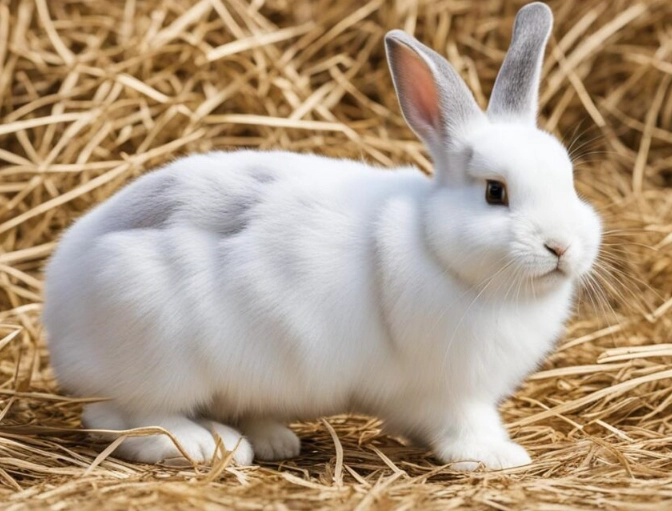
The short, textbook answer is that a well-cared-for domestic rabbit has an average lifespan of 8 to 12 years. But that "average" hides a massive range. I've known bunnies who passed away tragically young due to preventable issues, and I've cheered for senior rabbits celebrating their 14th birthday. The real question isn't just "how long does a pet rabbit live," but "how can I make sure my rabbit lives the longest, healthiest life possible?" That's what we're going to unpack here.
What Really Determines a Rabbit's Lifespan? It's More Than Just Genetics
Think of a rabbit's potential lifespan like a scorecard. Genetics gives them a starting number, but everything you do as an owner adds or subtracts points. Some factors are huge, others are smaller, but they all add up.
The Big Three: Diet, Environment, and Veterinary Care
If I had to pick the three pillars that most directly answer "how long will my rabbit live," these are it.
Diet is Non-Negotiable. A rabbit's gut is a finely-tuned, sometimes temperamental engine. The wrong fuel causes a breakdown, often a fatal one like GI stasis. The right diet is simple in theory but often messed up in practice. Unlimited, high-quality grass hay (Timothy, Orchard, Meadow) should make up about 80-90% of their intake. It's not just food; it's dental wear, gut motility, and mental stimulation. Fresh, dark leafy greens come next. Pellets? They should be a limited supplement, not the main event. And fruits or sugary veggies are rare treats. I made the mistake of overfeeding pellets early on with Thumper, and it led to some weight issues we had to carefully reverse.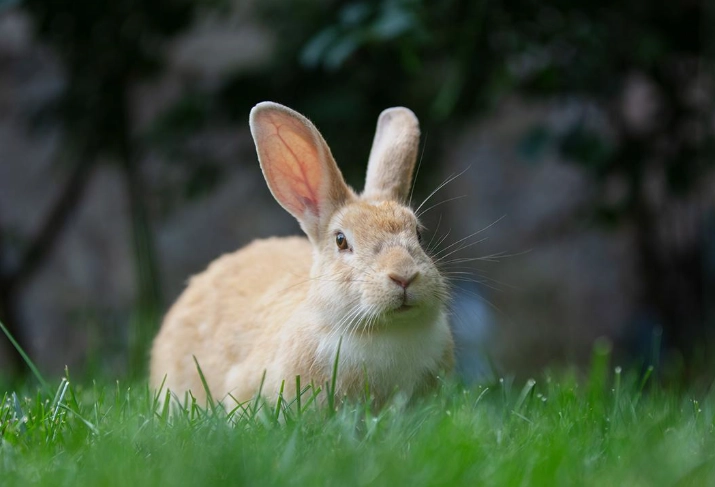
Environment: Safe, Spacious, and Stimulating. Does your rabbit live in a cramped hutch outside? That's one of the biggest lifespan shorteners. Outdoor rabbits face predators, extreme temperatures, parasites, and loneliness. The House Rabbit Society, a fantastic resource I've relied on for years, strongly advocates for indoor living, and I agree. An indoor rabbit, living as part of the family in a rabbit-proofed space, is safer and less stressed. Stress is a silent killer for prey animals. Their space needs room to run, jump (binky!), and explore. Boredom leads to depression and poor health.
Veterinary Care: Not Just for Emergencies. This is where many owners get caught out. Rabbits need a vet who actually knows rabbits—an "exotic" or special species vet. Annual check-ups are crucial because rabbits hide illness incredibly well. By the time they show obvious symptoms, they can be very sick. Regular vet visits catch dental issues (which are super common), early signs of arthritis, or weight problems. And let's talk about spaying/neutering. This isn't just about preventing babies; it drastically reduces the risk of reproductive cancers in females (which are very common) and improves behavior in males, allowing for peaceful bonding. It's one of the single most impactful things you can do for their long-term health.
Other Key Players: Breed, Companionship, and Mental Health
Breed Does Matter, But It's Not Destiny. Generally, smaller rabbit breeds tend to live longer than giant breeds. It's a general trend seen in many animal species. A Netherland Dwarf often has a longer average lifespan than a Flemish Giant. But don't let breed averages fool you. A giant breed with impeccable care can outlive a dwarf breed with poor care any day. The breed gives you a clue about potential genetic predispositions (like certain heart issues in some lines), but it doesn't write the final story.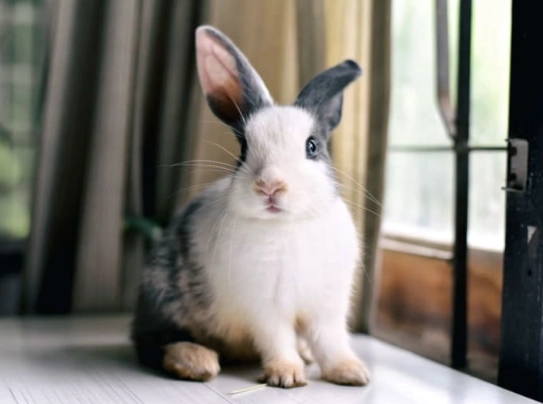
Rabbits Are Not Solitary Animals. This is a hill I will die on. A lonely rabbit is an unhappy rabbit. In the wild, they live in complex social groups. A solitary life is stressful and unnatural. Bonding your rabbit with a compatible spayed/neutered friend provides grooming, companionship, and mental stimulation. It reduces stress, encourages activity, and just makes life richer. I've seen withdrawn, lethargic rabbits completely blossom after being bonded. It affects their overall will to thrive. The House Rabbit Society has excellent guides on bonding if you're nervous about the process.
Mental health is totally linked to physical health. A bored rabbit might over-groom, become aggressive, or stop eating. Providing puzzles, digging boxes, tunnels, and rotating toys keeps their brain active. A busy bunny is a happy, healthy bunny.
A Closer Look: How Long Do Different Rabbit Breeds Typically Live?
Okay, let's get into some specifics. While care is king, knowing your breed's general tendencies helps set realistic expectations. Remember, these are averages. Your bunny could be an overachiever!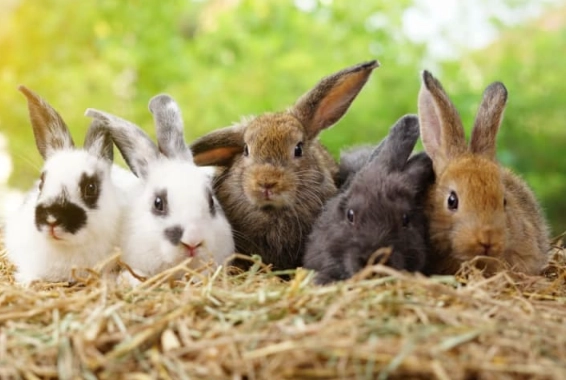
| Breed | Size Category | Average Lifespan Range | Notes & Considerations |
|---|---|---|---|
| Netherland Dwarf | Small | 10 - 12+ years | Often one of the longest-lived breeds. Can be prone to dental issues due to compact facial structure. |
| Mini Rex | Small | 7 - 10 years | Popular for their plush fur. Generally robust, but require regular grooming to prevent matting. |
| Holland Lop | Small | 7 - 12 years | Lop-eared breeds can be more prone to ear infections and dental issues. Regular ear checks are key. |
| Lionhead | Small | 7 - 10 years | That gorgeous mane requires daily grooming to prevent painful tangles and hairballs. |
| Standard Rex | Medium | 5 - 8 years | Known for their wonderful velvety fur. A generally healthy, mid-range breed. |
| English Spot | Medium/Large | 6 - 9 years | Active and athletic. Needs plenty of space to run to maintain health. |
| Flemish Giant | Giant | 5 - 8 years | Gentle giants. Their large size can predispose them to arthritis and heart issues later in life. Joint supplements and soft bedding are helpful. |
| French Lop | Giant | 5 - 7 years | Large and lop-eared, so watch for both joint and ear health. They need very spacious accommodations. |
Looking at that table, it's clear why people often ask "how long does a pet rabbit live?" The range is huge! A Netherland Dwarf and a French Lop could have vastly different natural life expectancies, even with identical care. It's important to go in with your eyes open, especially with giant breeds—their shorter potential lifespan means you have to cherish every day, but it doesn't mean you love them any less.
The Action Plan: How to Help Your Rabbit Live a Long, Full Life
Knowing the factors is one thing. Turning that into a daily routine is another. Here’s your practical checklist, the stuff that really moves the needle on your rabbit's life expectancy.
Daily and Weekly Must-Dos
- Hay, Hay, and More Hay: Refill that hay rack endlessly. It should always be fresh, green, and fragrant. If it's dusty or brown, toss it.
- Fresh Greens: A packed cup of varied greens per 2 lbs of body weight daily. Romaine, cilantro, kale, spring mix—rotate them for variety.
- Clean Water: Change water daily, whether in a bowl or bottle. Bowls are often better for encouraging hydration. Keep it scrupulously clean.
- Litter Check: Clean the litter box at least every other day. Monitoring poop output is your #1 early warning system for health problems. You want a steady pile of uniform, round, fibrous droppings.
- Social Time: Not just feeding time. Sit on the floor with them. Let them explore you. Pet them (if they like it). This builds trust and lets you spot subtle changes in behavior or movement.
Monthly and Quarterly Tasks
- Nail Trims: Every 4-6 weeks. Overgrown nails can cause sore hocks and affect their gait.
- Full Habitat Clean: Once a month, do a deep clean of their enclosure. Disinfect (with pet-safe solutions), check for chewed wires or hazards, and refresh all bedding.
- Weight Check: Get a small pet scale and weigh them monthly. A sudden weight loss or gain is a major red flag requiring a vet visit.
- Grooming Deep Dive: For long-haired breeds, this is daily. For short-haired, a thorough weekly brush. During shedding seasons, you might need to brush daily to prevent life-threatening hairballs.
Senior Rabbit Care: When Your Bunny Gets Older
So your rabbit is hitting those later years—maybe 6 or 7 and up for a large breed, 8 or 9 for a smaller one. Their needs change. Caring for a senior rabbit is a special honor. You'll notice they might sleep more, be less inclined to big jumps, and their coat might get a little thinner.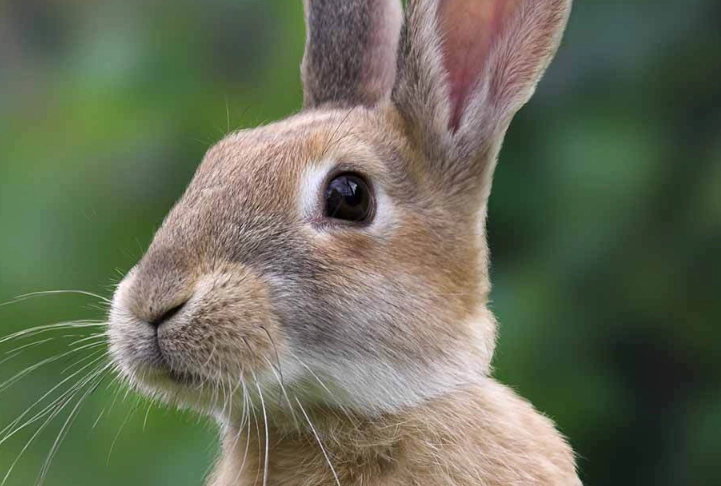
Their diet may need adjusting. Older rabbits with dental issues might need their greens chopped smaller or critical care food mixed in. Softer bedding becomes essential to prevent painful pressure sores (sore hocks). Ramps can replace jumps to their favorite spots. You might need to help them with grooming hard-to-reach places.
Vet visits might become more frequent, every 6 months instead of yearly, to monitor for common age-related issues like kidney function or arthritis. Your vet might recommend joint supplements. Pain management for arthritis can dramatically improve a senior bunny's quality of life. Observing how long a pet rabbit lives in its golden years is deeply rewarding, as you adapt to give them comfort and dignity.
It's about quality of life. Are they still interacting? Eating with enjoyment? Grooming themselves? When the bad days start to outnumber the good, that's the hardest conversation with your vet. But a long life should also be a good life.
Common Health Issues That Can Shorten a Rabbit's Life
Being aware of the common pitfalls is half the battle. Here are the big ones that directly impact how long your pet rabbit might live.
- Gastrointestinal (GI) Stasis: The #1 killer. The gut slows or stops. Causes: pain, stress, poor diet, dehydration, hairballs. Signs: small, misshapen poop or none at all, lethargy, hunched posture, grinding teeth.
- Dental Disease: Rabbit teeth grow constantly. Misalignment (malocclusion) leads to painful spikes, abscesses, and an inability to eat. Signs: drooling, dropping food, weight loss, eye discharge. Requires a vet to diagnose and trim/file teeth.
- Respiratory Infections (Snuffles): Often caused by the bacteria Pasteurella multocida. Signs: sneezing, nasal discharge, matted front paws from wiping nose. Can become chronic and damage lungs if not treated aggressively.
- Uterine Cancer: In unspayed females over age 3, the incidence is alarmingly high—up to 80% by age 6. This is why spaying is so critical. Signs: blood in urine, aggression, lumps.
- Flystrike: A horrific, fast-moving condition where flies lay eggs on a rabbit (often due to a soiled bottom from diarrhea or poor mobility), and the maggots literally eat the rabbit alive. Prevention through impeccable hygiene and daily "bottom checks" is vital.
- E. Cuniculi (EC): A microscopic parasite many rabbits carry. It can flare up due to stress, causing neurological symptoms (head tilt, seizures, hind leg weakness) or kidney disease. Diagnosis and treatment require a vet.
See a pattern? Most of these are preventable or manageable with proactive care. That's the empowering part of asking "how long does a pet rabbit live"—you have so much control over the answer.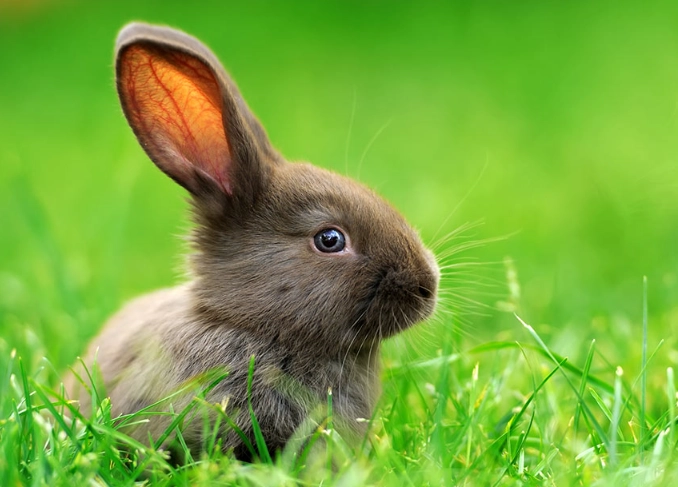
Answering Your Burning Questions About Rabbit Lifespan
I get a lot of questions from new and prospective owners. Here are the ones that come up most often when we talk about how long rabbits live.
Wrapping It Up: The Heart of the Matter
So, after all this, what's the final answer to "how long does a pet rabbit live"?
The number is 8 to 12 years on average, but the truth is a story you write together. It's a story woven from strands of high-quality hay, fresh vegetables, safe spaces, insightful veterinary care, and the profound comfort of companionship—both yours and that of another bunny friend.
It's a commitment.
A commitment to learning their subtle language, to noticing the slight change in poop size or the extra hour spent napping. It's about providing not just a life, but a good life, full of exploration, treats (in moderation!), and security.
If you're bringing a rabbit into your life, you're signing up for a decade-long journey. It can be one of the most rewarding pet relationships you'll ever have. They are quiet, clever, funny, and deeply affectionate on their own terms. By asking the question "how long does a pet rabbit live," you're already on the right path—the path of a responsible owner who wants to get it right. Now you have the map. Go give your bunny the long, hoppy life they deserve.
Comment