Quick Navigation
So, you're thinking about getting a bunny, or maybe you already have one hopping around your living room. One of the very first questions that pops into anyone's head is a simple one: how long do bunny rabbits live for? It's a big deal, right? You're committing to a little life, and you want to know what you're signing up for. I remember when I got my first rabbit, Thumper, I was told "oh, about 5 to 8 years." That felt like a decent chunk of time. But let me tell you, the answer to "how long do pet rabbits live" is way more complicated—and honestly, way more interesting—than a simple number.
The short, frustratingly vague answer is that a pet rabbit's lifespan typically ranges from 8 to 12 years. But I've met folks with bunnies that made it to a ripe old 14, and sadly, I've also heard stories of rabbits passing away much younger due to preventable issues. That huge range isn't just random luck. It's the direct result of a whole bunch of factors that you, as an owner, have a massive amount of control over. Think of it this way: asking "how long do bunny rabbits live for" is like asking "how long does a car last?" A well-maintained, garage-kept sedan driven gently on highways will outlast a neglected sports car revved on dirt roads every single time. Your bunny is the same.
This isn't just about genetics or breed, though that's part of it. It's about what you feed them, where they live, the vet care they get, and even how much mental stimulation they have. A rabbit's life is surprisingly delicate and incredibly robust at the same time. Getting it right means you could have a fluffy companion for over a decade. Getting it wrong can cut that time tragically short. So let's ditch the simple number and really dig into what determines a rabbit's lifespan, how you can influence it, and what to expect at every stage of your bunny's life.
What Really Determines How Long a Bunny Rabbit Lives?
If you're searching for "how long do bunny rabbits live for," you're probably hoping for a straight answer. The truth is, it's a puzzle. Several big pieces have to fit together for a rabbit to reach its full life potential. Some pieces you can't change much, but most of them are completely in your hands. Let's break down the biggest factors.
Breed: It's More Than Just Size
This is the genetic starting point. Generally, smaller rabbit breeds tend to live longer than giant breeds. It's a common trend in the animal world. A tiny Netherland Dwarf often has a longer average lifespan than a massive Flemish Giant. The giant breeds just seem to age faster and are more prone to certain structural issues like arthritis or heart problems. But here's the kicker—breed is just a tendency, not a destiny. I've seen impeccably cared for Flemish Giants live to 10, and neglected dwarf breeds pass away young. Don't just pick a breed because you read it lives the longest; pick one that fits your lifestyle so you can actually provide that excellent care.
Diet: The Foundation of Health (And Where Most People Go Wrong)
This is arguably the single most important piece you control. A rabbit's digestive system is a finely tuned, somewhat fragile engine. The wrong fuel destroys it. The cornerstone of a longevity-promoting diet is unlimited, high-quality grass hay (like Timothy or Orchard grass). It should make up about 80-90% of what they eat. Hay wears down their constantly growing teeth and keeps their gut moving properly. Gastrointestinal stasis—a gut slowdown—is a silent, fast killer of pet rabbits, and a poor diet is the main cause.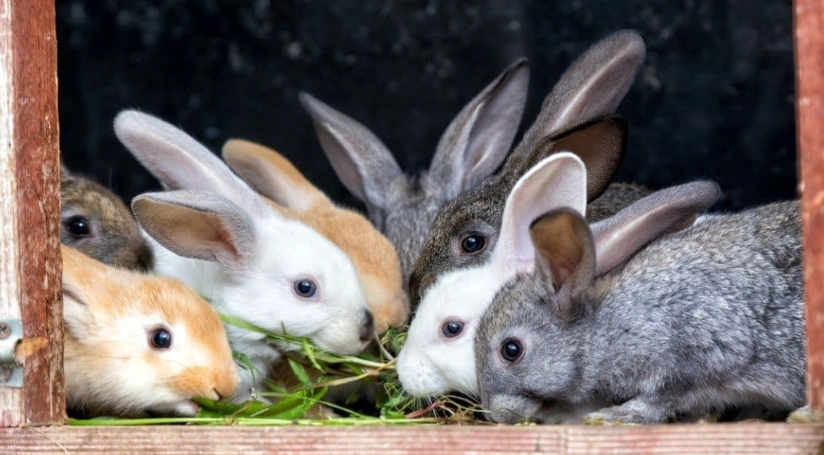
Next are fresh, dark leafy greens. Then a very small, measured amount of high-fiber pellets. The treats? Fruits, carrots, store-bought yogurt drops? They should be tiny, rare rewards. I made the mistake early on with Thumper, thinking a baby carrot a day was fine. It's like feeding a kid a candy bar daily. It leads to obesity and dental problems. The ASPCA's rabbit care guide has a great breakdown on proper rabbit nutrition, and it's worth bookmarking.
Housing & Environment: Cage vs. Kingdom
How long do bunny rabbits live for when they're stressed or bored? Not as long. The old image of a rabbit stuck in a small hutch in the backyard is a recipe for a shortened, unhappy life. Rabbits need space to run, jump (binky!), and explore. They are crepuscular (most active at dawn and dusk) and need room for these activity bursts.
Indoor housing is almost always safer and leads to longer lifespans. It protects them from predators, extreme temperatures, and parasites. The minimum recommended space is enough for three hops in a row, but bigger is always better. Many owners use puppy exercise pens connected to a designated "rabbit-proofed" room. A stressed rabbit—from a too-small cage, loud noises, or predatory pets (like dogs or cats staring at them)—has a weakened immune system. Chronic stress literally shortens lives.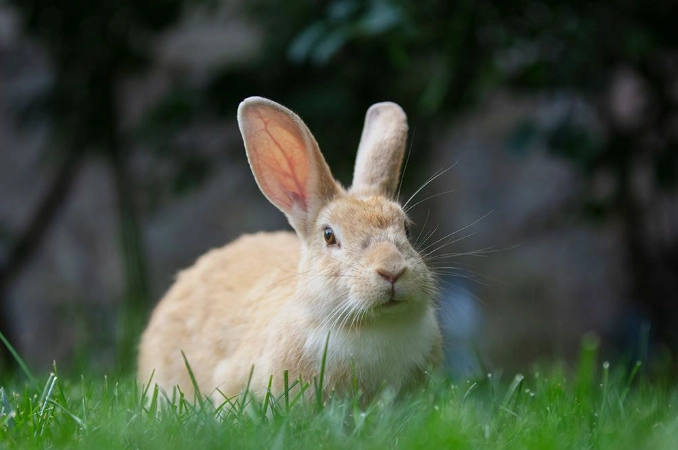
Veterinary Care: The Non-Negotiable Check-Up
Rabbits are prey animals. They are masters at hiding illness until it's very advanced. By the time a rabbit stops eating or looks obviously sick, it's often an emergency. This is why having a rabbit-savvy veterinarian is non-negotiable. Not all vets are experienced with "exotics" like rabbits. You need one who is.
Annual check-ups are crucial. More frequent for seniors. Key preventative care includes:
- Vaccinations: Depending on your country (like in the UK where Rabbit Hemorrhagic Disease is prevalent), vaccines are life-saving.
- Spaying/Neutering: This is a huge one. For females, spaying virtually eliminates the risk of uterine cancer, which has an alarmingly high incidence in unspayed does. For males, it reduces aggression and spraying. The surgery itself has risks, but in the hands of a good vet, the long-term lifespan benefits are massive.
- Regular dental checks: Rabbit teeth never stop growing. Malocclusion (misalignment) can prevent them from eating and requires regular filing.
Vet care is expensive, no doubt. But budgeting for it is part of responsible ownership. The VCA Animal Hospitals network provides reliable, vet-authored info on common rabbit health issues that's a great resource.
Companionship: The Loneliness Factor
Rabbits are social animals. In the wild, they live in complex warren communities. A solitary rabbit is often a bored and depressed rabbit. Depression leads to inactivity and a poorer appetite. Many European welfare standards now state that rabbits should be kept in pairs. A neutered male and spayed female pairing often works beautifully. They groom each other, snuggle, and play. This social enrichment reduces stress and promotes mental well-being, which absolutely contributes to a longer, healthier life. It's not just about physical health; it's about emotional health too.
Bunny Breed Lifespan: A Quick Comparison Guide
While individual care trumps breed every time, it's helpful to see the general trends. Remember, these are averages. With exceptional care, many rabbits will exceed these ranges. This table should give you a ballpark idea when you're wondering how long do bunny rabbits live for based on their type.
| Breed | Average Size | Typical Lifespan Range | Key Lifespan Considerations |
|---|---|---|---|
| Netherland Dwarf | Very Small (2-2.5 lbs) | 10 - 12+ years | Often long-lived, but can be prone to dental issues due to compact skull shape. |
| Mini Rex / Holland Lop | Small (3-4.5 lbs) | 8 - 12 years | Popular pet breeds. Good longevity with proper care. Lop ears need regular checking for infection. |
| Standard Rex | Medium (7.5-10.5 lbs) | 6 - 10 years | Plush coat. A sturdy breed, lifespan sits in the common average range. |
| Flemish Giant | Giant (13+ lbs) | 5 - 8 years | Shorter average lifespan. Prone to arthritis and heart issues. Need more space and careful joint support. |
| Lionhead | Small (3.5 lbs) | 7 - 10 years | Long, wooly mane requires daily grooming to prevent matting and deadly wool block. |
| Mixed Breed / "Rescue" | Varies | 8 - 12+ years | Hybrid vigor can be a benefit! Often robust health, but background is unknown. |
See? That "8 to 12 years" starting point makes more sense now, doesn't it?
How to Help Your Rabbit Live a Longer, Healthier Life
Knowing the factors is one thing. Turning that into action is another. If you want to maximize the answer to "how long do bunny rabbits live for" in your own home, here's your practical to-do list. This isn't just theory; this is the daily stuff that adds years.
Get the Diet Absolutely Right
I can't stress this enough. Go look at your rabbit's food right now.
- Hay: Is it always available? Is it fresh and sweet-smelling, not dusty or moldy? Buy in bulk from a reputable source.
- Pellets: Are they plain and simple? Limit to about 1/4 cup per 5 lbs of body weight daily for adults.
- Greens: Introduce a variety slowly: romaine, cilantro, bok choy, dandelion greens (unsprayed). Avoid iceberg lettuce (no nutritional value).
- Water: Always fresh, in both a bowl (better for them) and a bottle as backup.
Create a Rabbit Paradise, Not a Prison
Think enrichment, not just containment.
- Space: Can your rabbit take at least three full hops in any direction? If not, expand.
- Toys: Cardboard castles, untreated willow balls, paper towel rolls stuffed with hay. Rotate them to prevent boredom.
- Digging & Chewing: Provide a digging box (shallow box with child-safe soil or shredded paper) and plenty of safe wood (apple, willow) to chew. This satisfies instincts and saves your baseboards.
- Litter Training: Yes, you can! It makes free-roaming time safer and easier, giving them more mental stimulation.
Don't Skip the Vet – Ever!
Proactive, not reactive.
- Find that vet now, before you have an emergency.
- Spay/neuter unless there's a specific medical reason not to.
- Weigh your rabbit weekly with a kitchen scale. Weight loss is often the first sign of illness.
- Learn what normal poop looks like (round, firm, fibrous) and what normal behavior is. Any change is a clue.
Love Them on Their Terms
Rabbits aren't cuddly toys. Most don't like being picked up and held (it triggers prey instincts). Bond by sitting on the floor and letting them come to you. Pet them on their head and cheeks. Learn their unique personality. A trusting, low-stress rabbit is a healthier rabbit. Forcing interaction creates fear, and fear is a form of chronic stress.
Your Rabbit Lifespan Questions, Answered
How can I tell how old my rabbit is?
If you didn't get your rabbit as a baby, it's tricky. Vets can make an educated guess by looking at teeth wear, the clarity of the eyes, and the flexibility of the toe joints and spine. Younger rabbits are more energetic, have tighter skin, and sharper claws. Older rabbits might have graying fur (especially around the muzzle), less muscle tone, and may develop cataracts. But there's no surefire way, which is why knowing "how long do bunny rabbits live for" is often a forward-looking question rather than a backward one.
Is my rabbit considered a senior?
Generally, rabbits enter their "senior" years around ages 5 to 7, depending on the breed (giants earlier, dwarfs later). This is when you might start seeing subtle changes: less explosive energy, more napping, maybe a slight stiffness when they first get up. Their dietary needs might shift (fewer pellets, same unlimited hay), and they'll need more frequent vet check-ups—every 6 months is a good rule. Arthritis is common, so providing softer resting areas and ramps instead of jumps becomes important.
What are the most common health problems that shorten a rabbit's life?
The big three are:
1. Gastrointestinal (GI) Stasis: The gut slows or stops. Causes: poor diet, stress, pain from another issue. Prevention is all about diet, exercise, and stress reduction.
2. Dental Disease: Overgrown teeth, spurs, or abscesses. Causes: genetics, but primarily a lack of abrasive hay to wear teeth down. Prevention: unlimited hay, yearly dental checks.
3. Uterine Cancer in Unspayed Females: Incidence is as high as 60-80% in does over 4 years old. Prevention: spay before 2 years of age.
Other common issues are respiratory infections (snuffles), parasites, and injury from unsafe environments or improper handling.
Can rabbits live happily alone?
They can survive alone, especially if they get tons of human interaction. But for true thriving, a bonded partner is almost always better. A human cannot replicate the constant companionship, mutual grooming, and understanding that another rabbit provides. If you work long hours, a solo rabbit will spend most of its time alone and bored. A bonded pair entertains each other. Seriously, consider two. It's not twice the work, and it doubles the joy.
What's the oldest rabbit on record?
According to the Guinness World Records, the oldest rabbit ever was a wild rabbit caught in Australia named Flopsy, who lived to be 18 years and 10 months old! For pet rabbits, ages of 14-16 are occasionally, but rarely, reported. These are extreme outliers, like a human living to 115. They show the potential of the species, but aiming for a healthy 10-12 years is a more than admirable and achievable goal for any dedicated owner.
So, circling back to that original question—how long do bunny rabbits live for? It's clear it's not a lottery. It's a direct reflection of the care they receive. From the hay in their rack to the size of their pen, from the vet you choose to the friend you provide, you are writing the story of their lifespan.
It can feel like a lot of responsibility. Sometimes it is. There are days when cleaning the litter box or paying a vet bill feels like a chore. But then you see your rabbit do a full-on binky, leaping and twisting in the air for pure joy, or they flop over next to you in total contentment, and you remember why you're doing it. You're not just keeping an animal alive; you're giving a complex, intelligent, emotional creature a truly good, long life. And that's a commitment that can easily last a decade or more, filled with more personality and charm than you might ever expect from a small, fluffy herbivore.
Start with the basics: the right food, the right space, the right vet. Observe, learn, and adapt. Your rabbit will tell you what it needs, if you pay attention. Do that, and you'll be amazed at just how long your bunny companion can be a part of your life. The journey to answering "how long do bunny rabbits live for" starts the day you bring them home.
Comment