Quick Guide
- The Good, The Bad, and The Fluffy: Weighing It All Up
- So You've Decided to Go For It: The Pre-Rabbit Checklist
- Choosing Your Rabbit: Breed, Age, and the Magic of Bonding
- The Day-to-Day: What Living With a Rabbit Actually Looks Like
- Health & Grooming: Keeping Your Bunny in Top Shape
- Behavior: Understanding the Hop, Thump, and Nip
- Rabbits, Kids, and Other Pets
- Wrapping It Up: The Final Verdict
So you're thinking about getting a rabbit. Maybe you saw an adorable fluffball at a pet store, or a friend has one that seems so calm and cute. The big question pops into your head: do rabbits make good pets? It's not a simple yes or no answer. Honestly, it drives me a bit nuts when people treat them like starter pets or easy alternatives to dogs. They're not. I learned that the hard way years ago when I brought home a Netherland Dwarf without a clue.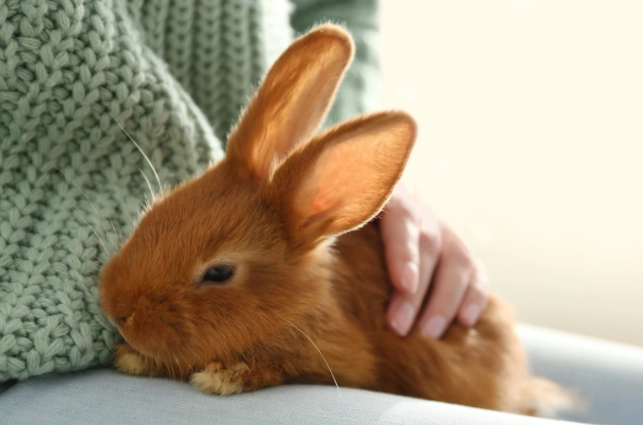
Let's be real.
Rabbits are complex, sensitive creatures with specific needs that many first-time owners completely underestimate. Whether rabbits make good pets depends almost entirely on you—your lifestyle, your expectations, and your willingness to learn a whole new way of caring for an animal. This isn't just about putting a bunny in a hutch with some carrots. It's about committing to a potentially decade-long relationship with a quiet, often misunderstood friend.
I'm writing this because I wish I had read something like it before I got my first rabbit. I made mistakes. I thought a small cage was enough. I thought petting it for a few minutes a day was sufficient interaction. I was wrong, and my rabbit, Mochi, was stressed and unhappy until I figured things out. So let's skip the fluffy, romanticized version and get into the gritty, practical truth about living with a rabbit.
The Good, The Bad, and The Fluffy: Weighing It All Up
Before you even look at rabbit breeds, you need a brutally honest assessment. Let's break down the major pros and cons. This is the core of answering "do rabbits make good pets for me?"
The Fantastic Parts (The Pros)
Quiet Companionship: If you live in an apartment or have noise-sensitive neighbors, this is a huge plus. No barking, squawking, or loud meowing. Their loudest sound is usually a contented tooth-purr when you pet them just right, or the occasional annoyed foot thump.
Personality Plus: Once they feel safe, rabbits have huge, hilarious personalities. They can be silly, stubborn, curious, and deeply affectionate. Watching a rabbit do a "binky" (a joyful jump and twist in the air) is pure magic. They form real bonds with their people.
Litter Box Trainable: Yes, you read that right! Most rabbits can be litter trained for their primary enclosure, much like a cat. This makes cleaning up after them far more manageable than many expect. It's not always perfect, but it works well.
Long Lifespan: With proper care, a rabbit can live 8 to 12 years, sometimes longer. This means a long-term friend, but also a long-term responsibility. It's a commitment comparable to a dog or cat.
The Challenging Parts (The Cons)
Fragile Health & Vet Bills: Rabbits have delicate digestive systems and hide illness well (a prey animal instinct). They require a specialized exotic veterinarian, which is more expensive than a regular cat/dog vet. A simple GI stasis episode can cost hundreds to treat.
Destructive Chewing: This is non-negotiable. Their teeth never stop growing, so they MUST chew. Baseboards, charger cables, furniture legs, books—nothing is safe unless you meticulously bunny-proof your home. My favorite headphone cord was a casualty.
Not Great for Young Kids: Generally, rabbits and very young children are a poor mix. Rabbits are prey animals and can be easily frightened by loud noises and sudden movements. They also have fragile bones and can be seriously injured if dropped or squeezed. They are better suited for calm, older children and adults.
Social & Time Needs: Rabbits are social animals. A single rabbit left alone in a cage all day is a depressed rabbit. They need several hours daily of supervised, out-of-enclosure time to hop, explore, and interact. It's a significant time investment.

See what I mean? It's a mixed bag.
The people who find that rabbits do make good pets are the ones who look at the cons and think, "I can handle that. I'm willing to bunny-proof and find the right vet." They're excited by the pros of having a quiet, intelligent companion. The people who end up rehoming their rabbit are usually the ones blindsided by the chewing, the vet costs, or the social needs.
So You've Decided to Go For It: The Pre-Rabbit Checklist
Okay, you've weighed the pros and cons and you're leaning towards yes. Fantastic! But don't run to the breeder just yet. Here's what you absolutely must do first. This is the "pre-game" that most guides skip.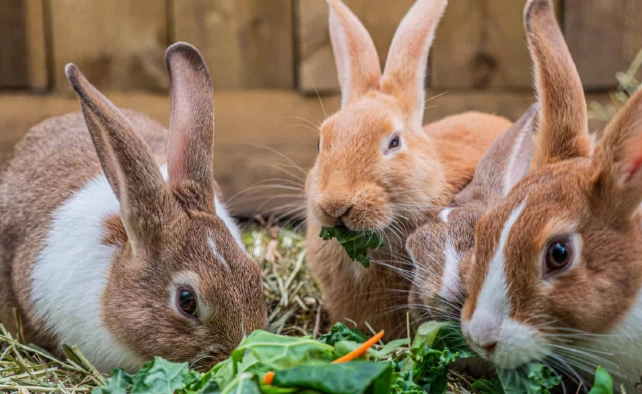
Step 1: Find Your Exotic Vet FIRST
This is the most important step. Call around. Ask if they see rabbits regularly. Ask about emergency hours and typical costs for a check-up. Having a vet lined up before an emergency is critical. A great resource to start is the House Rabbit Society veterinarian list. They maintain a directory of rabbit-savvy vets.
Next, calculate the real costs. It's not just the $50 adoption fee or $100 from a breeder.
- Startup Costs: Large enclosure (an exercise pen is best), litter boxes, heavy ceramic food bowls, water bowl/bottle, hidey houses, toys, grooming supplies, baby gates for proofing. Easily $300-$500.
- Monthly Costs: High-quality hay (the bulk of their diet), fresh greens, limited pellets, litter (paper-based is best). About $50-$80/month.
- Annual/Variable Costs: Vet check-ups ($80-$150), vaccinations (where required), unexpected illness (can be $300+).
Now, the fun part: bunny-proofing a room. Get on the floor. See all those cords? You need cord protectors or to reroute them. Baseboards? You might need plastic guards. That nice rug? It might get nibbled. It's a mindset shift.
Choosing Your Rabbit: Breed, Age, and the Magic of Bonding
This is where your journey gets personal. Should you get a baby or an adult? A big bunny or a small one? One or two?
My strong, strong recommendation?
Consider adopting an adult rabbit from a rescue or shelter. Why? Their personality is already established. You'll know if they're calm, playful, shy, or sassy. Many are already litter trained and spayed/neutered (which is essential for health and behavior). You're also giving a second chance to a wonderful animal. Sites like Petfinder can help you search for adoptable rabbits in your area.
If you have your heart set on a specific breed, do your homework. Size isn't just about cuteness; larger breeds are often calmer but need more space and eat more. Smaller breeds can be energetic and sometimes more skittish.
| Breed | Typical Size | General Temperament | Good For? |
|---|---|---|---|
| Netherland Dwarf | Very Small (2-2.5 lbs) | Often energetic, can be shy/nervous | Experienced owners, quiet homes |
| Mini Lop | Small (3-6 lbs) | Typically gentle, friendly, relaxed | Families (with older kids), first-time owners |
| Rex | Medium (6-10 lbs) | Calm, curious, loves petting (amazing fur!) | Most households, people wanting a cuddlier bun |
| Flemish Giant | Very Large (13+ lbs) | Gentle "gentle giant", often very docile | Homes with ample space, calm environments |
Now, the biggest question after "do rabbits make good pets" is often "should I get one or two?" Rabbits are socially complex. In the wild, they live in warrens. A lone rabbit can get very lonely, leading to depression and destructive behavior.
When I got Mochi a bonded friend, it was a game-changer. She stopped chewing the carpet obsessively. She spent her time grooming and cuddling with her buddy instead. They kept each other company when I was at work. It doubled some costs (vet bills, food), but it halved my guilt and actually made their care easier in many ways. A bonded pair is often happier and healthier.
Many rescues will adopt out already-bonded pairs, which is perfect. If you get one young rabbit, seriously consider getting a second once the first is spayed/neutered and settled. The bonding process itself is a topic for another day—it can be slow and require patience!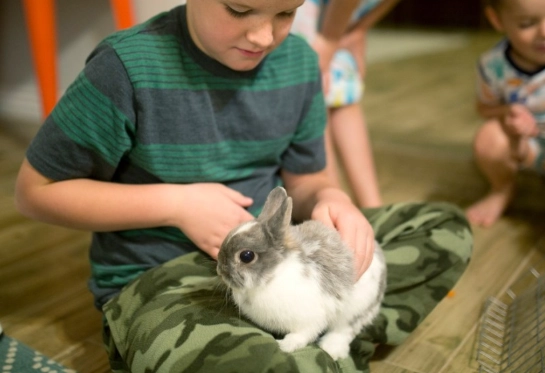
The Day-to-Day: What Living With a Rabbit Actually Looks Like
Let's move past theory and into the daily grind. This is the reality check.
Morning Routine
You wake up. First thing, you check on the rabbit. Are they eating? Moving normally? You refresh their water, give them a big pile of fresh timothy hay (or orchard grass, or oat hay), and maybe a handful of fresh greens like romaine lettuce or cilantro. You spot-clean their litter box. This takes 10-15 minutes.
Diet: It's Not Just Carrots!
This is where many new owners mess up. The ASPCA's rabbit care guide outlines it well, but here's the simple breakdown:
- 80% Hay: Unlimited, 24/7 access. This is for digestion and tooth wear.
- 15% Fresh Vegetables: A packed cup per 2 lbs of body weight daily. Leafy greens are key.
- 5% Pellets: Just a small, measured amount. No colorful mixes with seeds and corn.
- Treats: Fruit (like a blueberry or apple slice) is a rare treat, not a staple.
Carrots? High in sugar. More of a treat. The Bugs Bunny diet is a myth!
Evening Play & Social Time
This is the best part. You open their pen or enclosure. They come hopping out. You sit on the floor with them. You might read a book or watch TV while they explore, hop onto your lap for pets, or do zoomies around the coffee table. You interact, but on their terms. You don't forcibly pick them up (most rabbits hate it). You let them come to you. This needs to happen for at least 2-3 hours, ideally more.
Pro Tip: The best way to bond is to get down on their level. Lie on the floor. Let them sniff you, hop over you. Offer a gentle chin scratch (many rabbits love this). Let them decide the pace.
Health & Grooming: Keeping Your Bunny in Top Shape
You can't just wait until they look sick. By then, it's often an emergency.
GI Stasis: The boogeyman of rabbit ownership. This is when their gut slows down or stops. Signs include not eating, not pooping, sitting hunched up, and lethargy. It's an immediate vet emergency. Having critical care food (a recovery powder) and syringes on hand can be a lifesaver while you get to the vet.
Dental Problems: Those ever-growing teeth need to be worn down by chewing hay. If the diet is wrong, teeth can overgrow, causing pain, abscesses, and an inability to eat. Regular vet checks include looking at the teeth.
Grooming: Rabbits are clean, but they need help. They groom themselves constantly and ingest fur. During shedding seasons (usually spring and fall), you must brush them daily to prevent them from swallowing too much fur, which can cause a blockage. Long-haired breeds like Angoras require near-daily brushing year-round.
Spaying (females) and neutering (males) is not optional if you want a healthy, well-behaved pet. It drastically reduces the risk of reproductive cancers in females (extremely high risk), curbs hormone-driven behaviors like spraying, chewing, and aggression, and makes litter training easier. It's the single best thing you can do for their long-term health.
Behavior: Understanding the Hop, Thump, and Nip
Rabbits don't speak, but they communicate constantly. Learning their language is key to a happy coexistence.
- Binky: That joyful jump and twist. It means "I'm incredibly happy!"
- Tooth Purring: A gentle, quiet grinding sound when you're petting them. Contentment.
- Licking You: The ultimate compliment. You are part of their family.
- Thumping: A loud hind leg thump. It's an alarm. "Danger!" or "I'm annoyed!"
- Nipping: A gentle nip can mean "move" or "pay attention to me." A hard bite is fear or anger. Figure out the trigger.
- Flopping: Suddenly falling over on their side. It looks scary but means they feel completely safe and relaxed.
If your rabbit is chewing something forbidden, don't yell. Clap your hands sharply, say "NO," and immediately offer an acceptable alternative like a willow chew toy. Positive redirection works. Punishment just makes them afraid of you.
Rabbits, Kids, and Other Pets
This is a big one. Do rabbits make good pets for families? The answer is nuanced.
For families with calm, respectful children over the age of 8 or 10, who can be taught to sit quietly and let the rabbit approach, yes, it can be wonderful. The rabbit teaches patience and gentle interaction. For families with toddlers or very young, energetic kids, a rabbit is usually a poor fit. The risk of injury to the rabbit is too high, and the rabbit will likely live in a state of fear.
As for other pets, extreme caution is needed.
Dogs & Cats: It depends 100% on the individual dog or cat. Some have high prey drives and will never be safe. Others can be trained to ignore or even befriend a rabbit. Never leave them unsupervised together. Introductions must be slow, controlled, and with the rabbit in a safe space. The rabbit's safety is the absolute priority.
Wrapping It Up: The Final Verdict
So, after all this, do rabbits make good pets?
For the right person, they are extraordinary pets.
They are for the homebody who enjoys quiet evenings. For the detail-oriented person who doesn't mind a meticulous care routine. For the observer who finds joy in learning a subtle, silent language. For someone ready for a decade-long commitment that is more akin to a partnership than simple ownership.
They are not for the impulsive buyer, for someone wanting a low-maintenance pet, for a family with rambunctious young kids, or for someone unwilling to spend money on specialized vet care.
The question "do rabbits make good pets" is really a mirror. It asks you to look at your own life, your patience, and your capacity for care. If you see a match, then you might just be on your way to one of the most unique and rewarding relationships the pet world has to offer. Just remember—adopt, don't shop, get two if you can, and buy more cord protectors than you think you'll need.
Comment