What’s Inside
- Yes, Rabbits Get Fleas: Understanding the Risk and Danger
- The Safe Removal Playbook: What to Do If Your Rabbit Has Fleas
- Prevention: How to Stop Fleas Before They Start
- Common Questions Rabbit Owners Ask (The FAQ You Actually Need)
- Products & Treatments: A Quick Safety Checklist
- Wrapping It Up: Your Action Plan for Peace of Mind
Let's cut straight to the chase. You're probably here because you saw your rabbit scratching a bit too much, or maybe you found a tiny dark speck in their fur. Your mind jumps to the dreaded question: do rabbits get fleas?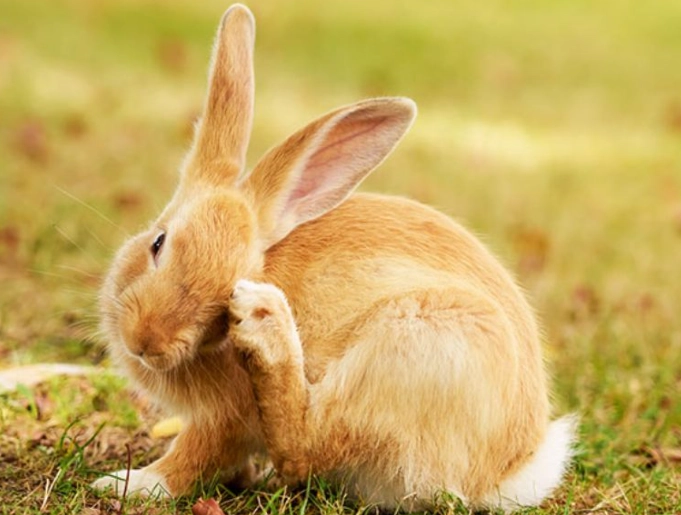
The short, somewhat annoying answer is yes. Absolutely. Contrary to what some pet store employees might casually tell you, rabbits are not immune to these pesky parasites. I learned this the hard way years ago when I brought home a beautiful Holland Lop from a breeder who swore their rabbits were "clean." A week later, I was staring at tiny black bugs hopping around in my bunny's white fur. It was a nightmare, and the information I found online was a confusing mess of home remedies and scary warnings.
Key Takeaway Right Away: Indoor rabbits can get fleas just as easily as outdoor ones. They often catch them from other household pets (like cats or dogs), from humans who've been around other infested animals, or even from hay or bedding that's been contaminated. Thinking your indoor bunny is safe is the first mistake a lot of us make.
This guide isn't just a rehash of generic pet advice. Rabbits are exotic pets with incredibly sensitive systems. What works for a dog could kill a rabbit. I've spent hours talking to exotic vets and sifting through resources from places like the House Rabbit Society to separate fact from fiction. We're going to cover everything—from how to know for sure if it's fleas, to the shockingly wrong treatments you must avoid, to a step-by-step plan for getting rid of them safely.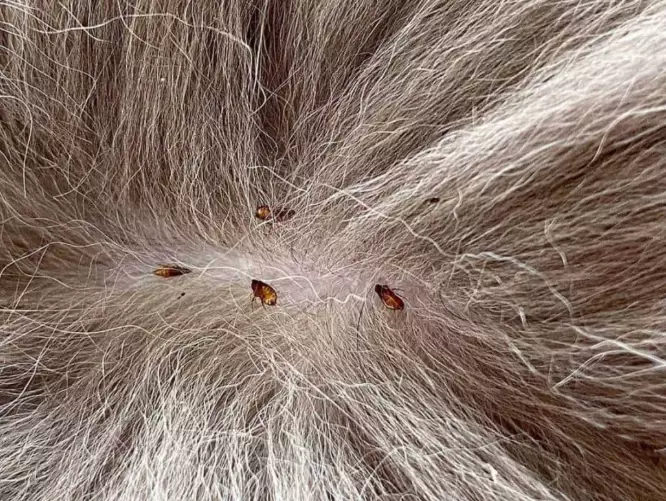
Yes, Rabbits Get Fleas: Understanding the Risk and Danger
So, do rabbits get fleas? We've established they do. But it's not just about itching. For a rabbit, a flea infestation is a serious health threat. Their stress levels can skyrocket, which is dangerous for a prey animal. Excessive scratching can lead to painful skin wounds and infections. But the real killers are anemia and disease.
Fleas feed on blood. A severe infestation, especially on a small or young rabbit, can drain so much blood that the rabbit becomes anemic—weak, lethargic, and in danger. Furthermore, fleas can transmit myxomatosis, a horrific and often fatal rabbit virus, in some parts of the world. They can also carry tapeworm larvae; if your rabbit swallows a flea while grooming, it can end up with an internal parasite problem too.
Watch Out For: Young kits (baby rabbits), elderly rabbits, or those already sick are at the highest risk. Their bodies can't cope with the blood loss or stress. If your bunny falls into one of these categories and you suspect fleas, a vet visit isn't just recommended, it's urgent.
How to Spot Fleas on Your Rabbit: It's Not Always Obvious
Rabbits are meticulous groomers. Sometimes, you won't see the fleas themselves because your bunny is eating them (grim, I know). You need to become a detective. Look for "flea dirt." This is flea poop—digested blood that looks like fine black pepper. Part your rabbit's fur, especially around the neck, behind the ears, and above the tail. If you see these black specks, place them on a damp white paper towel. If they dissolve into a reddish-brown stain (blood), you've confirmed flea dirt.
Other signs include:
- Excessive scratching, biting, or grooming.
- Restlessness or seeming uncomfortable.
- Hair loss, especially in patches.
- Visible red bumps or scabs on the skin, particularly along the back.
- Actually seeing small, fast-moving brown insects crawling through the fur.
The Safe Removal Playbook: What to Do If Your Rabbit Has Fleas
This is where most owners go wrong. The instinct is to grab the nearest flea shampoo or spot-on treatment. Do not do this. Many over-the-counter flea products for cats and dogs contain chemicals (like fipronil, permethrin, or organophosphates) that are highly toxic to rabbits and can cause seizures, liver failure, and death.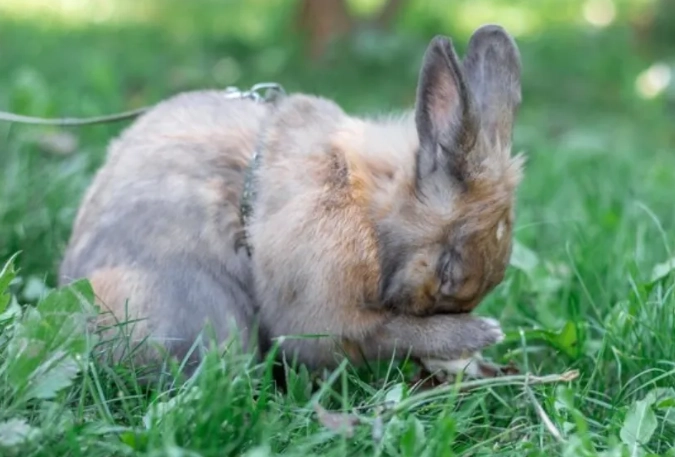
Your action plan should be methodical and rabbit-safe.
Step 1: The Physical Removal (Flea Combing)
Get a fine-toothed metal flea comb. Sit with your rabbit in a well-lit area over a white towel or sheet. Gently comb through their fur, starting at the head and working backward. Dip the comb in a bowl of soapy water (dish soap works) after each pass to drown the fleas. This is immediate, chemical-free relief. It's tedious but effective for reducing numbers quickly.
Step 2: Consult Your Vet (The Most Important Step)
Before using ANY medication, talk to a veterinarian experienced with rabbits. They will prescribe a safe insecticide. The most commonly prescribed safe options are products containing selamectin (like Revolution/Stronghold for kittens) or imidacloprid (like Advantage II for kittens). Critical: The vet will calculate the exact dose based on your rabbit's weight. Using a dog or cat dose, even of these "safer" drugs, can be fatal.
My vet once told me about a case where an owner used a "small dog" dose of a common flea product on their Netherland Dwarf. The rabbit nearly died and needed days of supportive care at the clinic. The vet bill was in the thousands. The take-home? Never, ever guess with medication.
Step 3: Nuke the Environment
Fleas don't live on your rabbit 24/7. They jump off and lay eggs in the environment. If you only treat the bunny, you'll have a new batch hatching in 2-3 weeks. You must break the cycle.
- Wash Everything: Wash all pet bedding, your own bedding if the rabbit has access, and soft furnishings in hot water. Dry on the highest heat setting.
- Vacuum Like a Maniac: Vacuum floors, carpets, rugs, and upholstery thoroughly. Pay special attention to baseboards and under furniture. Immediately seal and throw away the vacuum bag or empty the canister outside.
- Treat the Habitat: For the rabbit's living area (cage, pen), use a rabbit-safe environmental spray recommended by your vet. Alternatively, you can use diatomaceous earth (food-grade ONLY) sprinkled lightly in the pen (not directly on the rabbit), left for a few hours, and then vacuumed up. It's a physical desiccant that kills fleas.
Step 4: Treat ALL Household Pets Concurrently
If you have cats or dogs, they must be treated for fleas on the same schedule as your rabbit, with vet-approved products for their species. Otherwise, they'll just keep passing fleas back and forth.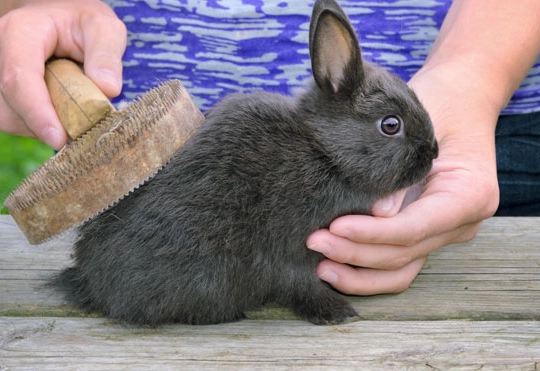
Prevention: How to Stop Fleas Before They Start
Once you've been through the battle, you never want to do it again. A good prevention strategy is multi-layered.
The Pillars of Rabbit Flea Prevention: 1) Environmental Control. 2) Regular Checks. 3) Judicious, Vet-Supervised Preventative Medication (if needed).
Here’s a breakdown of common prevention methods and their pros/cons:
| Prevention Method | How It Works | Safety & Notes | Best For |
|---|---|---|---|
| Regular Flea Combing | Physical removal of fleas and eggs. | 100% safe, non-toxic. Great bonding activity. | All rabbits, especially as a weekly check. |
| Vet-Prescribed Preventatives (e.g., Selamectin) | Topical liquid applied monthly that kills fleas. | Very safe WHEN dosed correctly by a vet. Don't buy online without consultation. | Rabbits in multi-pet homes or high-risk areas. |
| Environmental Hygiene | Frequent cleaning, washing bedding, vacuuming. | Completely safe and essential. Removes flea life stages. | Every single rabbit household, no exceptions. |
| Diatomaceous Earth (Food Grade) | Fine powder that dehydrates insects. | Safe for environment if used correctly. Avoid inhalation (wear a mask when applying). Do NOT apply directly to rabbit's face or in a dusty cloud. | Treating the living environment (pen, carpet around pen). |
| "Natural" Repellents (e.g., Cedar, Essential Oils) | Claim to repel fleas with scent. | Most are UNSAFE. Cedar shavings are toxic to rabbits' respiratory systems. Essential oils (tea tree, eucalyptus, peppermint) can be toxic if absorbed or licked. I don't recommend this route. | Not recommended. The risks outweigh any unproven benefits. |
My personal strategy? I keep my rabbits strictly indoors. I do a quick flea comb check every Sunday during grooming time. I'm obsessive about vacuuming their room. And I only use a vet-prescribed preventative during the peak summer months because we have a cat who occasionally goes on a leash outdoors. It's been years since we've had an issue.
Common Questions Rabbit Owners Ask (The FAQ You Actually Need)
Let's tackle some of the specific worries that pop up when you're searching for answers about rabbits and fleas.
Products & Treatments: A Quick Safety Checklist
Let's make this super clear. Before you put anything on or near your rabbit, run it through this mental list:
- ✅ SAFE (with vet approval): Selamectin (Revolution/Stronghold for kittens), Imidacloprid (Advantage II for kittens). Dose is critical.
- ? UNSAFE / TOXIC: Most over-the-counter dog/cat spot-ons, flea collars, permethrin sprays, organophosphates, lime-sulfur dips (unless specifically directed by a vet for a specific condition).
- ⚠️ USE WITH CAUTION: Diatomaceous Earth (environment only, food grade, avoid dust), certain insect growth regulators (like lufenuron) which may be combined with safe adulticides—again, vet advice only.
When looking for information on safe pesticide use around pets, even for environmental sprays, I often cross-reference with resources like the EPA's guide on pets and pesticide safety. It helps you understand the active ingredients and potential risks.
Wrapping It Up: Your Action Plan for Peace of Mind
So, do rabbits get fleas? You bet they do. But now you're armed with more than just a yes or no. You know it's a solvable problem if you stay calm and follow safe, rabbit-specific protocols.
The core of it all is this: your rabbit's sensitivity is a double-edged sword. It makes them vulnerable to harsh chemicals, but it also means they show signs of discomfort early. Pay attention to that scratching. Make flea combing part of your routine. And build a relationship with a good rabbit-savvy vet before you have an emergency.
Final Thought: Dealing with fleas on a rabbit is a pain. It's stressful, messy, and worrisome. But seeing your bunny comfortable, happy, and hopping around without constantly itching is worth every minute of the effort. Just remember—safety first, vet advice always, and never stop asking questions like "do rabbits get fleas" and "what's the safest way to handle it?" That's what makes a great rabbit owner.
I hope this deep dive saves you some of the headaches I had to go through. Go give your bunny a gentle head scratch (and maybe a quick part of the fur to check for pepper-like specks while you're at it).
Comment