Your Quick Guide
- So, Do Rabbits Actually Eat Zinnias? Let's Break It Down
- Why the Confusion? The Science Behind Rabbit Diets
- Your Action Plan: How to Protect Zinnias from Rabbits
- Rabbit-Proofing Your Garden: A Seasonal Checklist
- Answering Your Burning Questions (FAQ)
- Wrapping It Up: A Realistic Mindset for Gardeners
Let's be real. You've put in the work. You planted those zinnia seeds with care, watched the seedlings push through the soil, and nurtured them just to see something—or someone—munching on your prized blooms one morning. The culprit? Often, it's a fluffy, cute, and incredibly hungry rabbit. So, the million-dollar question pops up: do rabbits eat zinnias?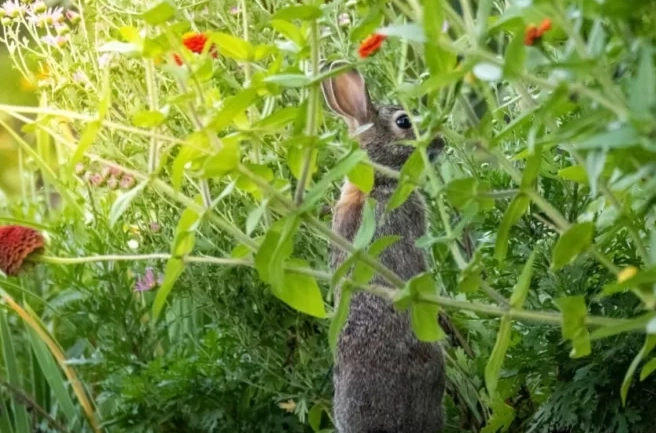
The short, frustrating answer is: it depends. It's not a simple yes or no. I wish it were. Sometimes they'll leave them completely alone, treating your zinnia bed like a decorative no-go zone. Other times, especially when their favorite snacks are scarce, they'll treat your garden like an all-you-can-eat salad bar. Understanding this "it depends" is the key to saving your flowers.
The Core Truth: Zinnias are not a rabbit's first choice. They're often listed as "rabbit-resistant." But "resistant" is not the same as "rabbit-proof." When a rabbit is hungry enough, or when tender young zinnia shoots are the only green thing around, resistance goes out the window. I learned this the hard way after a dry spring left the wild grasses thin, and my garden became the local bunny diner.
So, Do Rabbits Actually Eat Zinnias? Let's Break It Down
You're searching for a straight answer, and here it is, with all the messy details. Rabbits are opportunistic feeders. Their menu is dictated by availability, taste, and a bit of learned behavior. While they vastly prefer tender clover, lettuce, beans, and young carrots, a zinnia isn't off-limits.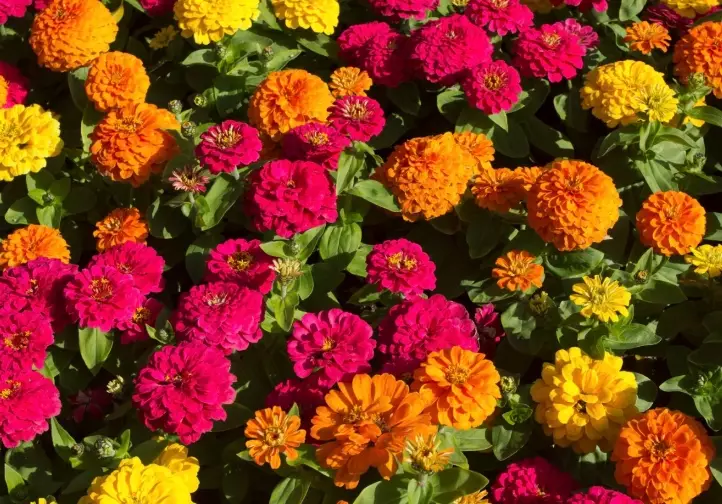
Think of it this way. If you offered a kid broccoli or ice cream, the choice is obvious. But if you only offered broccoli, eventually, they'd eat it. Rabbits operate on a similar principle of desperation and opportunity.
I've seen it happen in two main scenarios:
- The Seedling Stage Massacre: This is the most common heartbreak. Fresh, succulent zinnia seedlings are incredibly tender and lack the tougher textures and stronger tastes of mature plants. To a rabbit, they're basically gourmet microgreens. They'll nip them right off at the soil line, leaving you with nothing but bare dirt.
- The Mature Plant Nibble Test: Even established zinnias aren't completely safe. A curious or peckish rabbit might take a few exploratory bites from leaves or, worse, chew through a stem to get to a flower head. They rarely devour an entire mature plant, but the damage is enough to ruin its looks and health.
This variability is why you'll find conflicting reports online. One gardener swears rabbits never touch their zinnias, while another has a war story about the Great Zinnia Devouring of last summer. Both are telling the truth based on their local conditions.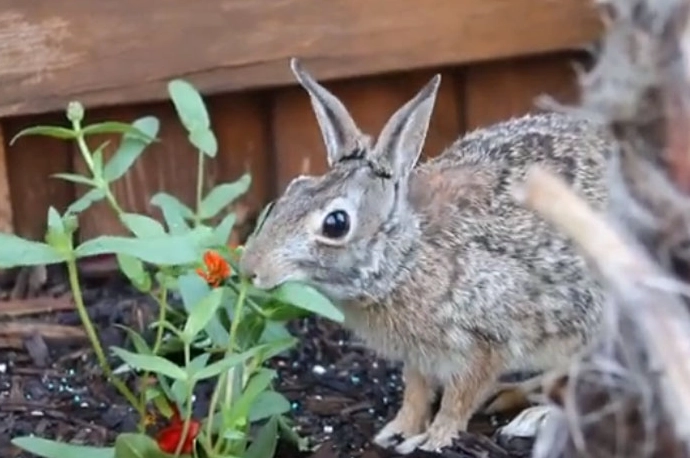
Why the Confusion? The Science Behind Rabbit Diets
To really get why the answer to "do rabbits eat zinnias" is so fuzzy, we need to peek into rabbit biology. Their feeding choices aren't random.
First, rabbits have continuously growing teeth. They need to chew on fibrous material to wear them down. This means they're always sampling. Second, their sense of taste and smell guides them away from strongly aromatic or bitter plants—a primary defense mechanism for many flowers and herbs.
Zinnias have a few things going for them that make them less palatable:
- Texture: Mature zinnia leaves and stems can be slightly hairy or rough, which isn't a rabbit's preferred mouthfeel.
- Taste: While not intensely bitter or spicy like marigolds or garlic, some zinnia varieties may have a mild taste that's unappealing.
- Learned Aversion: If rabbits have plenty of tastier options (like your neighbor's vegetable patch), they'll learn to bypass your zinnias.
However, the University of California's Statewide Integrated Pest Management Program notes that when populations are high or food is scarce, rabbits will feed on a much wider variety of plants, including those normally considered resistant. This is a crucial piece of the puzzle that many basic guides miss. You can read more about their feeding patterns on their official rabbit management page.
So, the plant's natural defenses are a deterrent, not an impenetrable shield. It's like having a good lock on your door—it keeps honest people out, but a determined thief will find a way.
Your Action Plan: How to Protect Zinnias from Rabbits
Okay, enough theory. You're here because you want to save your garden, not just understand rabbit psychology. Based on my own trial and error (and plenty of frustration), here's a layered defense strategy. Don't rely on just one method. Combine them.
A Quick Reality Check: No single method is 100% foolproof forever. Rabbits are adaptable. The goal is to make your garden such an inconvenient, unappetizing place that they move on to easier pickings elsewhere.
Physical Barriers: The Gold Standard
If you really want to sleep soundly, physical barriers are the most effective solution. It's simple: if they can't reach the plant, they can't eat it.
- Fencing: This is the big one. You need a fence with 1-inch or smaller mesh that's at least 2 feet high. But here's the kicker—rabbits can dig. You must bury the bottom 3-6 inches of the fence outward, or pin it firmly to the ground with landscape staples. A fence that only goes up is a fence they'll go under. The National Gardening Association has great practical fencing tips for this exact purpose.
- Cloches and Cages: For individual plants or small beds, use hardware cloth cages or plastic cloches. I make simple cylinders out of hardware cloth for my precious seedling areas. It's a bit of work, but seeing those seedlings grow untouched is worth it.
- Tree Guards/Spiral Guards: These aren't just for trees! You can use the plastic spiral wraps around the main stems of taller zinnia varieties to prevent girdling (where they chew a ring around the stem, killing the plant).
Fencing is work upfront, but it's the most permanent peace of mind you can buy.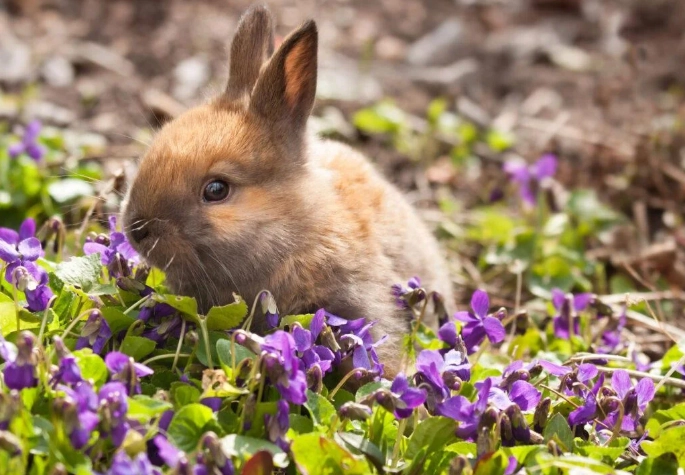
Repellents: The Chemical (and Natural) Shield
Repellents work by making plants taste or smell bad. They need to be reapplied regularly, especially after rain.
Commercial Repellents: Look for products containing putrescent egg solids, capsaicin (hot pepper), or garlic. These create an odor or taste barrier. Spray both the plants and the surrounding soil. Follow the label instructions closely—more is not better and can burn plants.
Homemade Sprays: A common recipe is a blend of garlic, cayenne pepper, and dish soap in water. It can work for a short time, but I find it washes off too easily. It's a decent temporary fix.
Granular Repellents: These are sprinkled around the garden perimeter. They often use predator scents (like coyote or fox urine) to trigger a fear response. Their effectiveness varies widely by location and rabbit population.
My take? Repellents are a good supplementary tool, especially for established plants. But I wouldn't trust them alone with vulnerable seedlings.
Strategic Gardening: Outsmart Them
Change the environment to your advantage.
- Plant Sacrificial Crops: This feels counterintuitive, but it works. Plant something rabbits love (like clover or parsley) in a corner away from your zinnias. The idea is to distract them with an easier, preferred meal. Sometimes it keeps them busy enough to leave your main attraction alone.
- Companion Planting: Interplant your zinnias with strongly scented plants that rabbits hate. Good companions include:
- Onions and Garlic
- Marigolds (the strong-smelling varieties, not the scentless ones)
- Herbs like Sage, Oregano, and Thyme
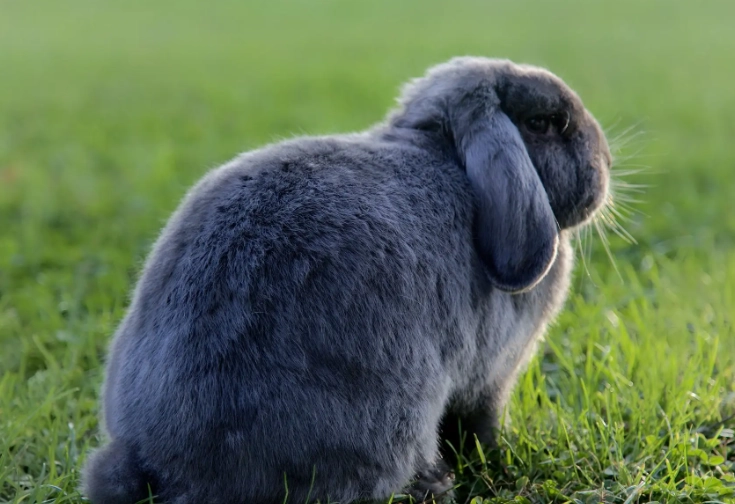
- Remove Shelter: Rabbits are prey animals. They won't venture far into open spaces if they don't have brush piles, tall grass, or woodpiles to hide in. Keeping the edges of your garden tidy removes their security blanket.
A Quick Comparison of Your Defense Options
| Method | How It Works | Effectiveness | Effort/Cost | Best For... |
|---|---|---|---|---|
| Fencing (Buried) | Physical exclusion | Very High | High effort/cost upfront | Permanent, total protection for entire beds |
| Hardware Cloth Cages | Physical exclusion for small areas | Very High | Medium effort/cost | Protecting seedling flats or prized individual plants |
| Commercial Repellent Sprays | Taste/smell deterrent | Medium (requires consistency) | Low effort, ongoing cost | Supplemental protection for established plants |
| Companion Planting | Natural olfactory camouflage | Low to Medium | Low effort/cost | General garden health & mild deterrent effect |
| Predator Scents/Granules | Fear-based deterrent | Variable (can habituate) | Low effort, ongoing cost | Temporary perimeter defense in low-pressure areas |
Looking at that table, you can see why I lean towards physical barriers for anything I truly care about. The other methods help, but they're not the solid wall you might need.
Rabbit-Proofing Your Garden: A Seasonal Checklist
Your battle plan changes with the seasons. Rabbits are a year-round issue in many areas.
Spring (The Critical Season): This is war. Seedlings are going in, and wild food is still limited. • Install temporary fencing or cloches around new planting areas before you even see a rabbit. • Apply repellents to emerging shoots. • Be extra vigilant—check for signs of nibbling daily.
Summer: Your plants are bigger and tougher, but young rabbits are out learning what's good to eat. • Maintain your fences and reapply repellents after heavy rains. • Keep the garden weeded so rabbits can't hide near your zinnias. • If you're going on vacation, make sure your defenses are solid. A week unattended is an invitation.
Fall/Winter: Rabbits are preparing for lean times and will eat bark and any remaining greenery. • Protect the base of any perennial plants near your garden. • Remove dead plant material that can provide shelter. • Consider leaving your fencing up year-round if you have winter-interest plants or early spring bulbs.
Answering Your Burning Questions (FAQ)
No, zinnias are not listed as toxic to rabbits by major animal poison control centers like the ASPCA. This is important. It means a rabbit won't get sick from eating them, which unfortunately removes a natural deterrent. They can eat them without consequence, which is why they sometimes do. The Missouri Botanical Garden, a highly respected plant authority, lists zinnias without any toxicity warnings for animals, which you can verify on their extensive plant database.
They'll go for the easiest, tastiest parts first: 1. Seedlings and young shoots: The #1 target. Tender and full of moisture. 2. Leaves: They'll nibble around the edges. 3. Stems: Chewing through a stem is a death sentence for that branch or the whole plant. 4. Flower buds and petals: Less common, but I've seen them bite off a flower head, maybe out of curiosity.
They rarely dig up the roots.
It's dangerous to say "never," but some plants are so unpalatable they're almost always safe. These are your best allies for a rabbit-resistant garden: • Strongly aromatic herbs: Lavender, Russian Sage, Catmint. • Plants with milky sap: Milkweed, Poppies. • Fuzzy or prickly plants: Lamb's Ear (though they might try young leaves), Sea Holly. • Bulbs with toxicity: Daffodils, Alliums (ornamental onions).
Planting a border of these around your more vulnerable garden can act as a natural deterrent fence.
Good question. Deer, groundhogs, and insects can also cause damage. Look for these tell-tale signs of rabbit feeding: • Clean-cut stems at a 45-degree angle: Their sharp incisors make a clean, angled cut, unlike the ragged tear from chewing insects. • Damage low to the ground: Rabbits rarely feed above 2 feet. • Small, round droppings: Pea-sized pellets near the damage. • Tracks: In soft soil, look for hind foot tracks larger than the front ones.
If the damage is high up or the entire plant is vanished, you might have a deer or groundhog issue.
Wrapping It Up: A Realistic Mindset for Gardeners
So, after all this, what's the final word on whether do rabbits eat zinnias? They can, and they will, under the right (or wrong) conditions. Treating zinnias as "rabbit-proof" is a recipe for disappointment.
The most successful gardeners I know are the ones who accept that gardening is a negotiation with nature. You're not going to eliminate every rabbit. The goal is effective management.
Start with observation. Identify the pressure level in your area. Then, implement a layered defense. Maybe that's a simple spray repellent for a few plants on a balcony, or maybe it's installing a proper fence for a large backyard cutting garden.
Don't get discouraged if one method fails. I've had repellents that worked one year and did nothing the next. I've had rabbits find the one weak spot in a fence. You adapt, you patch the hole, you try something new. That's gardening.
Your zinnias are worth protecting. Their bright, cheerful blooms are a summer highlight. With a bit of strategy and some upfront work, you can enjoy them in all their glory, not as a rabbit's lunch.
Comment