Quick Guide
- Why Size and Purpose Matter More Than You Think
- A Close Look at Popular Rabbit Breeds
- Comparing the Different Kinds of Rabbits: A Handy Table
- Beyond the Breed: Fur Type and Special Considerations
- How to Choose the Right Rabbit For You
- Caring for Your Chosen Bunny: It's More Than Just Pellets
- Answering Your Rabbit Questions
- Final Thoughts on Finding Your Match
So you're thinking about getting a rabbit, or maybe you're just fascinated by them. I get it. There's something incredibly charming about these fluffy creatures. But let me tell you, stepping into the world of pet rabbits without knowing the different kinds of rabbits out there is like walking into a car dealership blindfolded. You might end up with something that doesn't fit your life at all. I learned that the hard way years ago, thinking a rabbit was just a rabbit. Boy, was I wrong.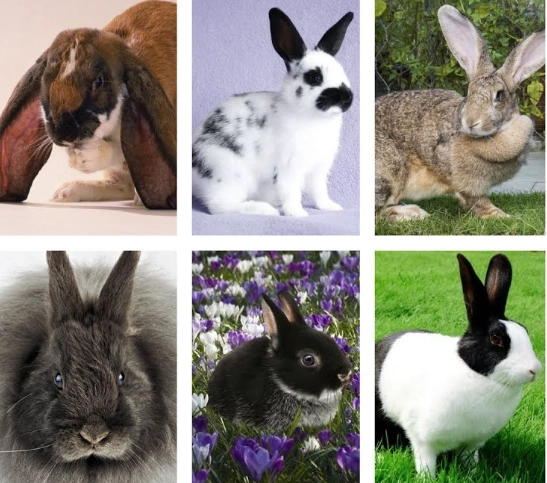
The variety is staggering. From tiny fluffs that fit in your palm to gentle giants the size of a small dog, the different kinds of rabbits each come with their own personality, care needs, and quirks. This isn't just about picking the cutest one (though that's tempting). It's about finding a companion whose needs match what you can provide. That's what this guide is for. We're going to cut through the fluff, pardon the pun, and look at what really matters when you're trying to understand the different kinds of rabbits available as pets.
Why Size and Purpose Matter More Than You Think
Before we dive into specific breeds, let's talk about the big categories. Rabbits are often grouped by size and their original purpose. This isn't just pet shop talk; it fundamentally shapes their behavior and needs.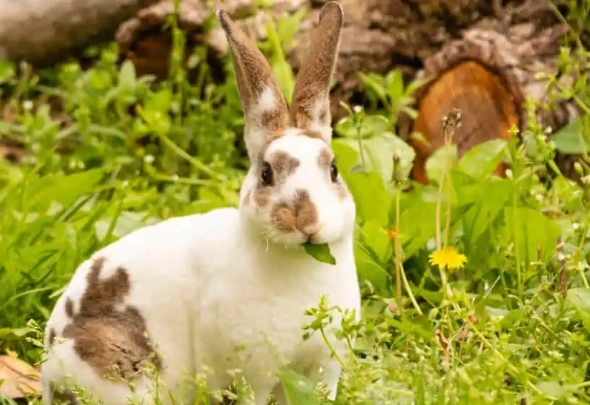
You've got the dwarf and mini breeds, often bred primarily for companionship. They're cute, usually need less space, but sometimes? They can have big attitudes in small packages. Then there are the medium-sized rabbits, many of which were originally bred for fur or meat. They tend to be calmer, sturdier. The giant breeds are exactly that—giant. They're often incredibly docile, like living teddy bears, but they eat a lot and need serious space. Finally, there are the "fancy" or show breeds, with unique fur types or ear shapes. Their looks require specific grooming, and their personalities can be as distinctive as their appearance.
Knowing this helps you ask the right questions. Do you want a lap rabbit or a playful explorer? A low-maintenance friend or one that's a grooming project? The different kinds of rabbits cater to different lifestyles.
A Close Look at Popular Rabbit Breeds
Alright, let's get into the specifics. Here's where we meet the personalities. I've spent time with many of these breeds, and I can tell you, the stereotypes are often true, but every bunny is an individual.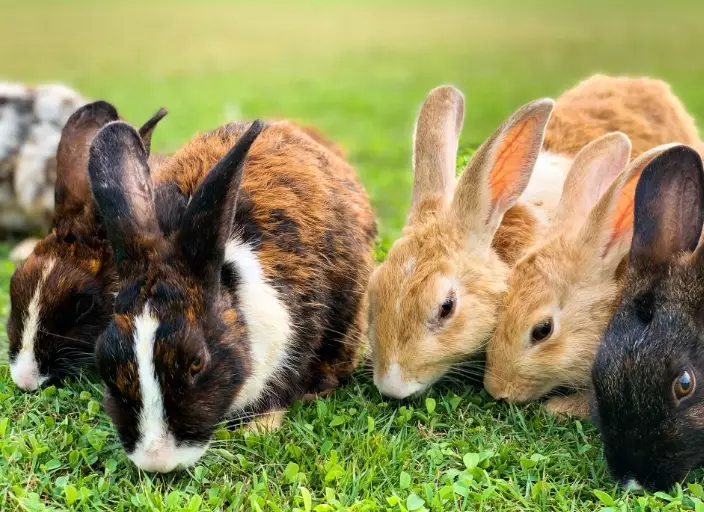
The Small Wonders: Dwarf and Mini Breeds
These are the ones you see all over Instagram. Tiny, adorable, and full of spunk.
- Netherland Dwarf: The classic dwarf. They look like perpetual babies with their compact bodies and short ears. Weighing under 2.5 lbs, they're tiny. Personality-wise, they can be a bit shy or skittish at first. I've found they often bond deeply with one person but might be wary of strangers. They're not always the best for young kids because of their delicate size and sometimes nervous nature.
- Holland Lop: Probably the most popular lop-eared breed. Those floppy ears are irresistible. They're a bit bigger than the Netherland Dwarf, usually 3-4 lbs, and generally have a sweeter, more laid-back disposition. They're often described as "clownish" and playful. A great choice for a first-time owner who wants a friendly, interactive pet.
- Mini Rex: Oh, the fur. It's like velvet. Seriously, petting a Mini Rex is a unique experience. They're about 3-4.5 lbs and have a very plush, dense coat that's short and requires less grooming than long-haired breeds. They tend to be curious, active, and enjoy being handled if socialized young. A solid all-around small breed.
What's the catch with small breeds? Sometimes they can be more prone to dental issues due to their compact skulls. And their small size makes them more fragile, so handling requires extra care.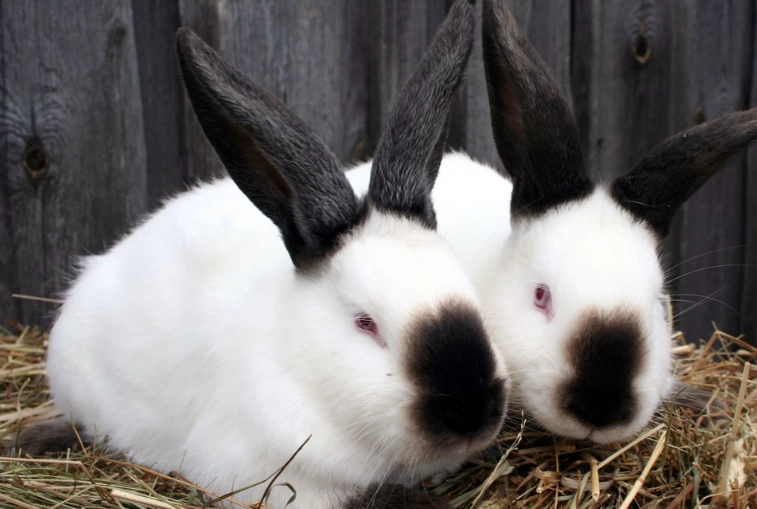
The Middle Ground: Medium-Sized Breeds
This category is my personal favorite for family pets. They're a good size—not too big, not too small—and often have wonderfully balanced temperaments.
- Dutch Rabbit: You know this one. The classic "bunny" look with the white blaze and colored body. Weighing 4-5.5 lbs, they're friendly, intelligent, and generally quite easy-going. They're one of the best breeds for beginners. They're active and playful but also enjoy cuddle time. A real classic for a reason.
- English Spot: A slender, athletic rabbit with a unique broken coat pattern of spots and a butterfly marking on the nose. They're energetic, 5-8 lbs, and need plenty of exercise. They can be a bit more independent and are known for their playful "binkies" (those happy jumps and twists). Not the snuggliest, but incredibly entertaining to watch.
- Harlequin: Named for its striking, alternating bands of color, this is a truly beautiful rabbit. They're 6.5-9.5 lbs. In my experience, they're often good-natured, calm, and can be quite affectionate. They're a less common breed, so you might have to seek out a specialized breeder.
Medium-sized rabbits often hit the sweet spot. They're sturdy enough for gentle interaction with older children, their care needs are manageable, and they have enough space in their bodies for robust health.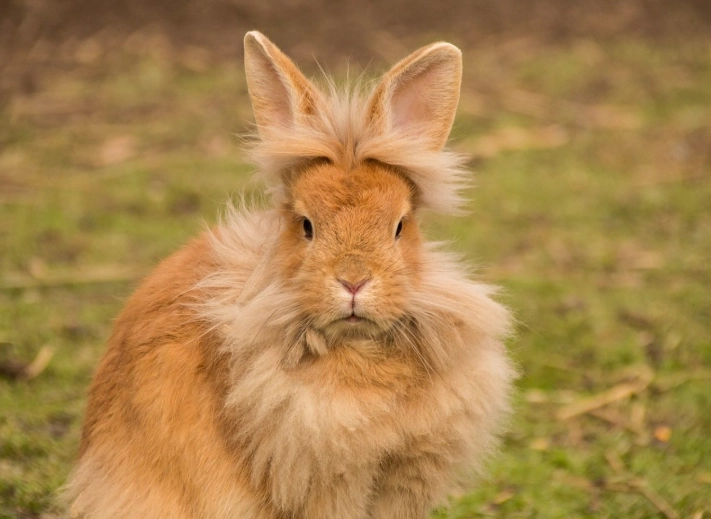
The Gentle Giants: Large and Giant Breeds
Don't let the size intimidate you. Some of the calmest, most dog-like rabbits I've ever met have been giants.
- Flemish Giant: The king of rabbits. They can weigh over 15 lbs, with some reaching 20 lbs or more. They have a semi-arch body shape (a raised back) and come in various solid colors. Their temperament is legendary—calm, docile, and patient. They are less likely to startle or panic. However, they need a huge living space, eat a tremendous amount, and produce... well, a corresponding amount of waste. You need to be prepared for the commitment.
- Checkered Giant: Another large breed (10-12 lbs), known for its distinctive arching back and bold black and white markings. They are active and need a lot of room to run. They can be friendly but are often less inclined to be lap rabbits than the Flemish. They're a show-stopper in appearance.
- French Lop: A massive lop-eared breed, 10+ lbs, with a heavyset, muscular body and those signature droopy ears. They are typically extremely laid-back, sweet, and enjoy lounging. They can be prone to ear infections due to their ear structure, so regular checks are a must.
Thinking about a giant breed? Your main considerations are space and budget. They need a large exercise pen, not just a cage, and their food and litter costs are significantly higher.
Comparing the Different Kinds of Rabbits: A Handy Table
Let's put some of this info side-by-side. It's easier to see the differences this way. This table focuses on some of the most common pet choices across the size spectrum.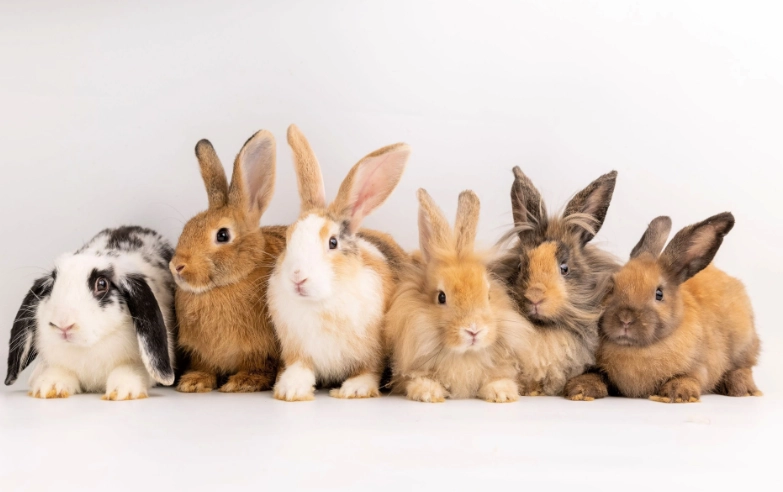
| Breed | Size Category | Average Weight | Key Temperament Traits | Best For |
|---|---|---|---|---|
| Netherland Dwarf | Dwarf | Under 2.5 lbs | Can be shy, energetic, bonds deeply | Experienced owners, quiet homes |
| Holland Lop | Small | 3-4 lbs | Friendly, playful, clownish | Beginners, families with older kids |
| Dutch | Medium | 4-5.5 lbs | Gentle, intelligent, good-natured | First-time owners, families |
| Mini Rex | Small | 3-4.5 lbs | Curious, enjoys handling, velvety fur | Owners who want a tactile pet |
| Flemish Giant | Giant | 13+ lbs | Extremely calm, docile, patient | Owners with ample space, seeking a calm companion |
See how the different kinds of rabbits really do offer different lifestyles? A Holland Lop and a Flemish Giant are both rabbits, but the daily experience is worlds apart.
Beyond the Breed: Fur Type and Special Considerations
The breed tells you a lot, but the fur type is a daily commitment. This is a huge factor in care.
Short-Haired (Rex, Dutch, most breeds): Low maintenance. A weekly brushing is usually plenty, more during heavy shedding seasons. The Mini Rex's plush coat is an exception—it's so dense it still needs regular grooming to prevent matting.
Long-Haired (Angora breeds, Jersey Wooly): High maintenance. We're talking daily grooming to prevent painful, tight mats that can pull on the skin. If you don't have 10-15 minutes a day for grooming, do not get a long-haired rabbit. It's not fair to them. I tried fostering an Angora once. The grooming was a part-time job. Beautiful, but not for the time-poor.
Satin Coats (Satin breeds): These have a unique hair shaft structure that makes them incredibly shiny. The care is similar to short-haired, but the shine is stunning.
And then there are the lops. Lop-eared rabbits (Holland Lop, French Lop, etc.) are prone to ear infections and wax build-up because the ear canal is folded over, creating a dark, warm, poorly ventilated environment. Weekly ear checks should be part of your routine.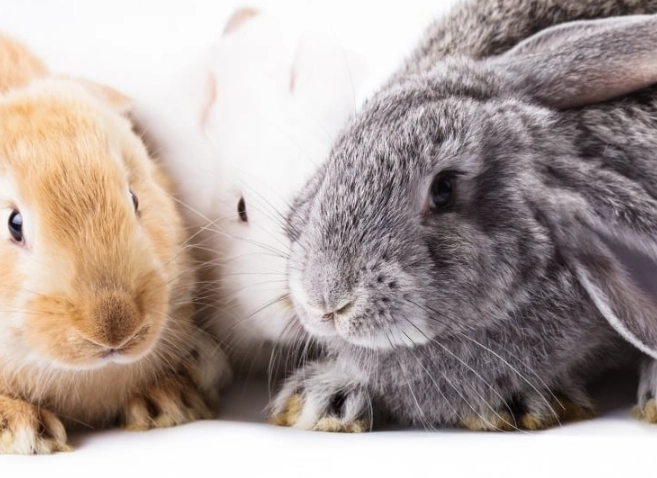
How to Choose the Right Rabbit For You
This is the most important part. It's not about which rabbit is "the best." It's about which one is the best for you. Ask yourself these questions honestly.
How much space do you really have? Not just for a cage, but for a permanent exercise pen (an x-pen is ideal). A Flemish Giant needs a whole room section; a Netherland Dwarf can do well in a large pen in your living room.
How much time do you have for grooming? Be realistic. Daily grooming is a serious commitment for long-haired breeds.
What's your household like? Busy with young kids? A calm, sturdy medium or large breed might be better than a tiny, nervous dwarf. Quiet apartment? Many different kinds of rabbits could work.
What's your experience level? If this is your first rabbit, lean towards breeds known for their friendly, forgiving temperaments: Dutch, Holland Lop, perhaps a Mini Rex. Avoid the more high-strung or fragile breeds until you've got some experience.
Where will you get your rabbit? This is crucial. Reputable breeders are great for specific breeds, but shelters and rabbit rescues are overflowing with wonderful rabbits of all kinds, often already spayed/neutered and socialized. You can meet them and see their real personality. Organizations like the House Rabbit Society have excellent resources on adoption and care.
Caring for Your Chosen Bunny: It's More Than Just Pellets
No matter which of the different kinds of rabbits you bring home, their core needs are the same. It's the scale that changes.
Diet is everything. It's not just about buying a bag of pellets. The foundation is unlimited, high-quality grass hay (Timothy hay is standard). This keeps their digestive system moving and their teeth worn down. Then add a daily serving of fresh, leafy green vegetables (romaine, kale, cilantro—research safe greens!). Pellets should be a small, measured supplement, not the main course. The ASPCA's rabbit care guide has a great breakdown of a proper diet.
Housing shouldn't be a cage. Think of it as a home base. A large dog exercise pen (x-pen) is far superior to any typical pet store cage. It gives them room to hop, stretch, and play. They should have access to this space for several hours every day, if not all day.
Vet care is non-negotiable and specialized. You need an exotic vet who sees rabbits. Not all small animal vets are experienced with them. Spaying or neutering is critical for health, behavior, and preventing cancer. It's not optional for a pet rabbit.
They need mental stimulation. Rabbits are smart and get bored. Provide tunnels, cardboard castles, untreated wood toys to chew, and puzzle feeders. A bored rabbit is a destructive rabbit.
Answering Your Rabbit Questions
Are rabbits good pets for children?
They can be, but with major caveats. They are not low-maintenance starter pets. They are fragile and can be easily injured by rough handling or drops. They are also often most active at dawn and dusk. A rabbit is a good pet for a child if the adult is the primary caregiver, handles all vet responsibilities, and supervises all interactions. A calm, medium-sized breed is best for families.
How long do pet rabbits live?
With excellent care, 8 to 12 years is common for smaller breeds. Larger/giant breeds often have shorter lifespans, around 5 to 8 years. This is a long-term commitment, similar to a dog.
Can rabbits live with other pets?
It's possible, but introductions must be incredibly slow and supervised, and the rabbit must always have its own safe space. Dogs with high prey drives and cats are significant risks. Never leave them unsupervised. The rabbit's safety and stress level must come first.
Do rabbits like to be held?
Most rabbits do not enjoy being picked up and cuddled. They are prey animals, and being lifted off the ground triggers instinctual fear. They prefer to be petted while all four feet are firmly on the floor. Some breeds and individuals are more tolerant than others, but it's rarely their favorite thing.
What's the biggest mistake new rabbit owners make?
Underestimating their needs. Thinking they are cheap, easy, cage-bound pets that are happy alone. They need space, companionship (either from you or another bonded rabbit), a specialized diet, exotic vet care, and mental engagement. They are complex, social, intelligent animals.
Final Thoughts on Finding Your Match
Exploring the different kinds of rabbits is the first and most responsible step you can take. It moves you from wanting "a rabbit" to wanting a specific companion whose needs you understand and are excited to meet.
For me, after years of being around them, I lean towards the medium-sized, short-haired breeds for general pet homes. They offer that great mix of personality, manageability, and robustness. But that's just my take. Your perfect match might be a lazy giant or a tiny, spirited dwarf.
The key is to research, meet rabbits in person if you can (rescues are fantastic for this), and be brutally honest about your lifestyle. The right rabbit, one of the many wonderful different kinds of rabbits waiting for a home, will bring a unique kind of joy into your life. It's a quiet, gentle, funny joy filled with binkies, nose bonks, and the peaceful crunch of hay. Just make sure you're ready for it.
Good luck on your search. Do it right, and you'll have a fantastic friend for years to come.
Comment