Quick Navigation
- Why the Big Fuss About Cabbage and Rabbits?
- The Good, The Bad, and The Gassy: Nutritional Breakdown of Cabbage
- Not All Cabbages Are Created Equal: A Type-by-Type Guide
- How to Safely Feed Cabbage to Your Rabbit (The Step-by-Step Plan)
- Cabbage vs. Other Popular Rabbit Veggies: How Does It Stack Up?
- Your Top Questions About Rabbits and Cabbage, Answered
- Final Verdict: Should You Feed Your Rabbit Cabbage?
So you're standing in the kitchen, holding a head of cabbage, and your fluffy friend is doing that intense stare thing rabbits do so well. The question pops into your head: can rabbits have cabbage? It seems like a simple yes or no, right? But if you've spent any time in rabbit owner forums (and I have, maybe too much time), you know it's a topic that gets people pretty worked up. Some swear by it as a staple, others treat it like bunny kryptonite. It's confusing.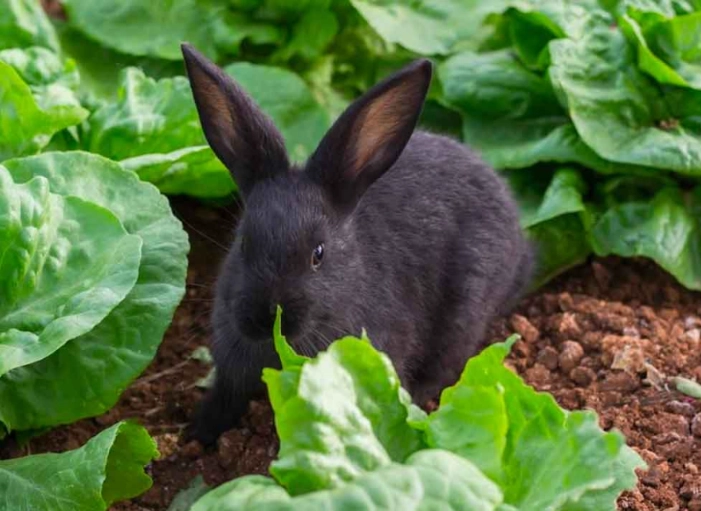
I remember when I first got my rabbit, Thumper. I was so careful, sticking to just hay and pellets for weeks. Then one day, I figured a little bit of my dinner's green cabbage couldn't hurt. It was just a leaf! Well, let's just say the next few hours involved a lot of concerning gurgles and a very sedentary bunny. It scared me enough to dive deep into rabbit nutrition, talking to vets, and reading everything from the House Rabbit Society to academic papers. So, let's cut through the noise.
The short, direct answer is yes, rabbits can eat cabbage. But—and this is a massive but—it's not as simple as just handing over a leaf. It comes with a big list of caveats, warnings, and "it depends" factors. Saying "rabbits can have cabbage" is like saying humans can eat chili peppers. Technically true, but the amount, frequency, and individual tolerance make all the difference between a tasty treat and a regrettable experience.
Why the Big Fuss About Cabbage and Rabbits?
To understand why the question "can rabbits eat cabbage" is so loaded, you need to understand the rabbit digestive system. It's a marvel of nature, but also incredibly delicate. Rabbits are hindgut fermenters. Their cecum, a big pouch at the start of their large intestine, is like a fermentation vat full of special bacteria that break down fibrous material. This system is perfect for an endless stream of hay. Introduce the wrong thing, or too much of a new thing, and the bacterial balance can get thrown off fast.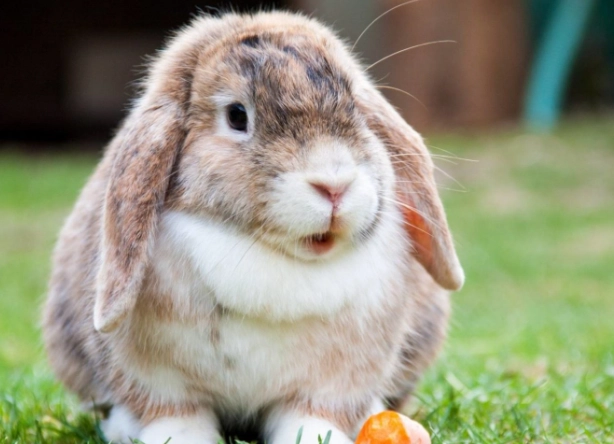
The main culprit in cabbage is a group of complex sugars called raffinose oligosaccharides. Sounds fancy, but all you need to know is that these sugars are notorious for causing gas. In humans, they give us a bit of bloating. In a rabbit, whose digestive tract is a one-way street (they can't vomit or easily pass gas upwards), trapped gas can lead to a condition called Gastrointestinal Stasis (GI Stasis). This is a life-threatening emergency where the gut slows down or stops completely. It's the number one killer of pet rabbits, and diet is often the trigger.
So when people ask if rabbits can have cabbage, what they're really asking is: "Is the nutritional benefit worth the risk of gas and potentially fatal stasis?" That's the core of the debate.
Key Point: A rabbit's digestive health is all about bacterial balance. Sudden changes or gas-producing foods can disrupt this balance, leading to serious illness. Hay should always make up 80-90% of their diet to keep everything moving smoothly.
The Good, The Bad, and The Gassy: Nutritional Breakdown of Cabbage
Let's look at what's actually in cabbage. It's not all bad news. In fact, cabbage packs a decent nutritional punch, which is why it's often considered for rabbits.
The Benefits (The Pros)
Cabbage is low in calories and sugars, which is good. It's got a high water content, which can help with hydration (though water from a bottle or bowl is still essential). It contains Vitamin K, which is important for blood clotting, and Vitamin C, an antioxidant. It also provides some fiber, though not the same long-strand fiber found in hay that is critical for wearing down teeth and gut motility.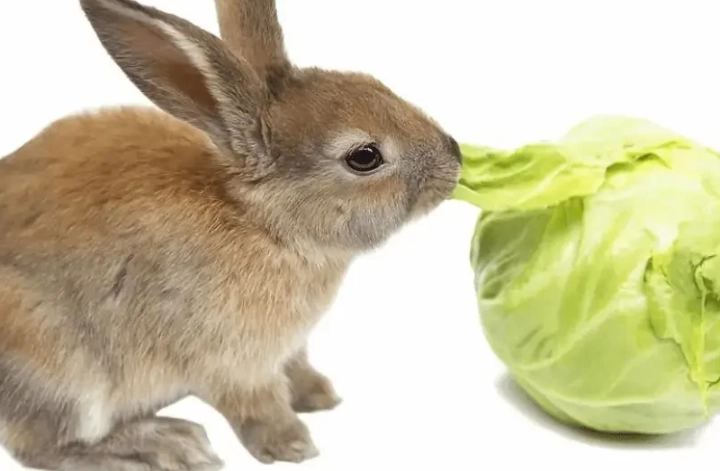
For a bored bunny, the different texture and crunch can be a nice enrichment. Variety in vegetables is good for providing a spectrum of micronutrients. The House Rabbit Society, a highly respected authority on rabbit care, lists cabbage as an acceptable vegetable to feed, with the crucial advice to introduce it slowly and in moderation.
The Risks (The Cons)
Here's where we get to the meat (or, well, the leaves) of the problem.
- Gas Production: As mentioned, the star of the show is the gas-causing potential. This is the #1 reason for caution.
- Goitrogens: Cabbage contains compounds called goitrogens that can interfere with thyroid function if fed in extremely large, chronic quantities. For the occasional small serving, this is less of a concern than the gas issue, but it's worth knowing.
- Calcium Content: Some types of cabbage, like green and savoy, have moderate calcium levels. Rabbits excrete excess calcium through their urine, and too much can contribute to the formation of bladder sludge or stones.
- Pesticides: Conventionally grown cabbage often ranks high on the "Dirty Dozen" list for pesticide residue. Always, always wash it thoroughly, or better yet, buy organic if you can.
So, can rabbits have cabbage? The nutrients say maybe, but the risks demand a strategy.
Not All Cabbages Are Created Equal: A Type-by-Type Guide
This is something a lot of basic guides miss. "Cabbage" isn't one thing. The type you choose can significantly change the risk profile. Personally, I stick to the milder varieties now after my experience with Thumper and green cabbage.
| Type of Cabbage | Safety Level for Rabbits | Notes & Personal Recommendation |
|---|---|---|
| Green Cabbage | Proceed with Caution | The most common type. Has a stronger flavor and is more likely to cause gas. If you're going to feed it, make it the tiniest of treats. |
| Red/Purple Cabbage | Proceed with Caution | Similar to green cabbage in gas potential. The vibrant color comes from anthocyanins (antioxidants), but that doesn't negate the gas risk. |
| Savoy Cabbage | Better Choice | Those crinkly, darker green leaves. It's generally considered gentler on bunny tummies than solid-head cabbages. A safer place to start if you're determined to try cabbage. |
| Napa Cabbage (Chinese Cabbage) | Best Choice | This is the winner. It's lighter, has a higher water content, and is significantly less likely to cause gas. Many rabbit owners and resources consider this the safest cabbage option. |
| Bok Choy | Good Choice | Technically a Chinese cabbage. Both the white stalks and green leaves are usually well-tolerated. It's a staple in my rabbit's veggie mix now. |
After Thumper's green cabbage incident, I switched to using Napa cabbage or bok choy as very occasional parts of his veggie rotation. The difference was night and day—no more gurgly tummy. It taught me that the specific type matters more than I thought.
How to Safely Feed Cabbage to Your Rabbit (The Step-by-Step Plan)
Okay, let's say you've read the risks, checked the table, and you still want to see if your bunny can have cabbage. Here's the only way to do it safely. Treat this like a science experiment with your pet's health on the line.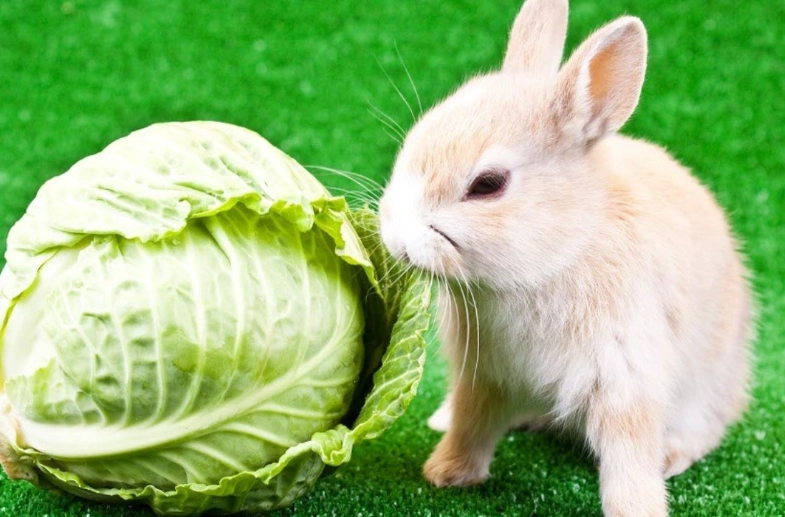
Step 1: The Prerequisites
Your rabbit must be an adult (over 6 months old) and in excellent health. Never give cabbage to baby bunnies, seniors with known digestive issues, or rabbits recovering from illness. Their systems are too sensitive. Ensure their diet is already 80-90% unlimited grass hay (Timothy, Orchard, etc.). If their hay intake isn't perfect, fix that first before adding any risky veggies.
Step 2: Start with the Safest Option
Don't start with green cabbage. Pick Napa cabbage or bok choy. Wash it incredibly well. I sometimes soak leafy greens in a water-vinegar solution and then rinse thoroughly to remove any potential pesticides or contaminants.
Step 3: The Tiny Introduction
We're talking about a piece the size of your thumbnail, or one small leaf. No more. Give it to them in the morning so you can monitor them all day. Do not give any other new vegetables that day.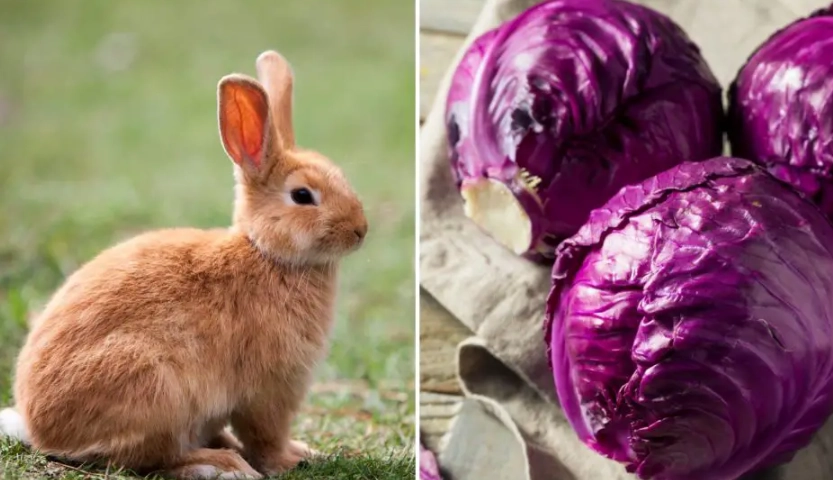
Step 4: The 24-Hour Watch
This is critical. Watch for:
- Normal behavior: Are they eating their hay as usual? Pooping normally (fecal pellets should be round, firm, and plentiful)?
- Warning signs: Reduced appetite for hay, smaller or misshapen poops, a hard or bloated-feeling belly, lethargy, or audible gut sounds (gurgling).
If you see any of these warning signs, stop immediately. The answer for your rabbit is likely "no, they cannot have cabbage."
Step 5: Gradual Increase (If All Goes Well)
If after 24 hours everything is perfectly normal, you can try again in a couple of days with a slightly larger piece (maybe two thumbnails' worth). The goal is not to make cabbage a daily food. Even if tolerated, it should remain an occasional treat.
Emergency Red Flags: If your rabbit stops eating, stops pooping, or appears in pain (pressing belly to floor, tooth grinding), this is a potential GI Stasis emergency. Contact your rabbit-savvy veterinarian immediately. Do not wait.
Cabbage vs. Other Popular Rabbit Veggies: How Does It Stack Up?
When you're wondering if rabbits can have cabbage, you're probably comparing it to other options. Let's be honest, is it even worth the hassle? Here's my take, based on both research and years of trial and error.
There are simply better, safer vegetables out there that provide similar or better benefits without the high gas risk. Vegetables like romaine lettuce, cilantro, carrot tops (not the carrot!), bell pepper (red/green/yellow, seeds removed), and basil are almost universally well-tolerated and make up the core of my rabbit's daily veggie portion. The RSPCA's advice on feeding rabbits emphasizes leafy greens like kale and spinach in moderation, and herbs, but doesn't push cabbage as a primary choice.
I've created a sort of mental tier list for my own shopping:
- Staple Greens (Feed daily/weekly): Romaine lettuce, spring greens, cilantro, bok choy (the safe "cabbage"), basil.
- Occasional Treats (Feed 1-2 times a week): Savoy cabbage, a small piece of carrot, bell pepper, broccoli leaves (not florets!).
- Rare Treats (Feed sparingly, if at all): Green/Red cabbage, kale (high in calcium), spinach (oxalates), fruits like apple or banana.
In this lineup, classic green cabbage falls into the "rare treats" category for me. The potential downside just outweighs the upside when there are so many fantastic alternatives.
Your Top Questions About Rabbits and Cabbage, Answered
Final Verdict: Should You Feed Your Rabbit Cabbage?
Look, after all this, you might be expecting me to give a firm yes or no. But responsible pet care is rarely that black and white. So here's my honest, nuanced conclusion.
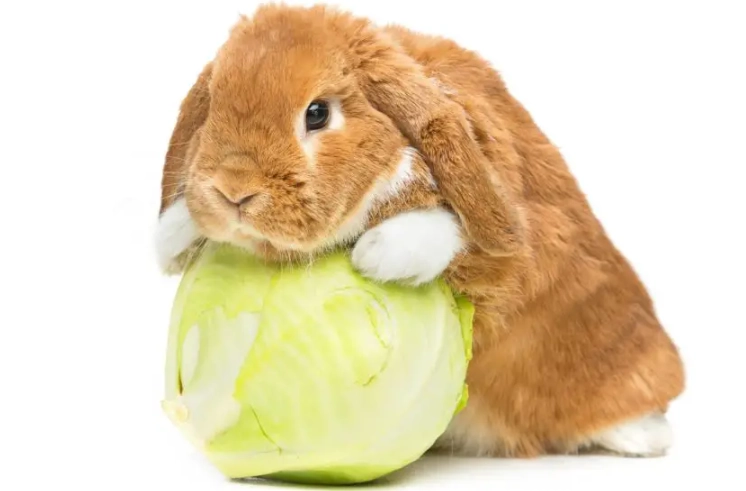
Can rabbits have cabbage? Technically, yes, they can. It is not toxic. But the more important question is: Should they? And for most rabbits, the answer is probably not as a regular part of their diet. The risk of gas and GI complications is real and significant, especially with the wrong type or amount.
If you are determined to try, you must:
- Choose the safest type (Napa, Bok Choy, then Savoy).
- Introduce it with an absurdly small amount.
- Monitor like a hawk.
- Keep it as a rare treat, not a staple.
The Bottom Line: The world of rabbit-safe vegetables is vast and wonderful. With so many excellent, low-risk options available—like romaine lettuce, cilantro, and herbs—there's little need to gamble with gas-producing cabbages. Your rabbit's health is built on a foundation of unlimited hay, a small amount of pellets, and a variety of safe greens. When choosing those greens, erring on the side of caution isn't being paranoid; it's being a good bunny parent. Focus on building a diet that keeps their digestive system running smoothly, day in and day out. That's the real secret to a happy, healthy, hoppy friend.
In the end, knowing that rabbits can have cabbage is less important than knowing whether it's the right choice for your unique rabbit. Watch them, learn their tolerances, and when in doubt, stick to the greens that keep their tummy quiet and their poops perfect. Trust me, from experience, that's the path to peace of mind.
Comment