Ask someone "what is the home of the rabbit?" and you'll likely get two different answers. A biologist thinks of sprawling underground warrens in a meadow. A pet owner pictures a cozy hutch or a cage in the living room. Both are right. A rabbit's home is its entire world—the place where it eats, sleeps, plays, hides, and feels safe. Getting this environment wrong is the root of most behavioral and health problems I've seen in over a decade of rabbit care. Let's break down exactly what a rabbit's home should be, whether in the wild or sharing your house.
What You'll Find in This Guide
The Wild Rabbit's Home: More Than Just a Hole
Wild rabbits, like the European rabbit, don't live in solitary burrows. They live in complex, multi-family apartment complexes called warrens. This isn't just a cute metaphor. A warren is a meticulously engineered survival tool.
It's a network of interconnected tunnels and chambers dug into soft, well-drained soil. There are specific rooms for different purposes: nesting chambers lined with fur and grass, sleeping quarters, and bolt-holes—quick escape routes that often have less obvious entrances. The design promotes airflow and prevents flooding. Warrens can be vast, covering an area as large as a tennis court and housing dozens of rabbits.
Why does this matter for your pet bunny? Because their instincts are hardwired for this environment. Your domestic rabbit craves:
- Space to run and hop, not just sit.
- Multiple levels and areas for different activities (eating zone, sleeping zone, bathroom corner).
- Dark, enclosed hideaways where they feel completely secure.
- Digging opportunities—it's not just fun, it's a core behavior.
- Social interaction (with you or a bonded partner).
Ignore these instincts, and you get a bored, stressed, or destructive rabbit. The pet industry often sells cages that satisfy human convenience, not rabbit psychology.
Creating an Indoor Rabbit Home: Your Living Room, Their Territory
For most pet rabbits, the ideal home is a rabbit-proofed room or area of your house with a spacious pen or cage as a home base. Think of the cage as their bedroom/burrow, and the free-roam area as their territory.
The Home Base Cage or Pen: Size is Non-Negotiable
The biggest mistake is a tiny cage. The House Rabbit Society, a leading authority, states the enclosure must allow at least three full hops. For an average 4-5 lb rabbit, that's at least 8 square feet of floor space, plus room for a litter box, hidey house, food bowls, and toys—without crowding.
I recommend new owners skip most pet store cages entirely. They're almost always too small. Instead, use a large dog exercise pen (x-pen). It's customizable, gives tons of space, and is often cheaper. You can configure it in a square, rectangle, or even around a corner of a room.
My Go-To Setup: I use a 42-inch tall x-pen (so they can't jump out) configured in an 8x4 foot rectangle. Inside, I place a large cat litter box in one corner, a wooden hideaway house in another, a hay rack always full of timothy hay, and a fleece blanket in the sleeping area. The pen door is always open unless I'm cleaning. This isn't their prison; it's their safe den inside their larger kingdom (my bunny-proofed study).
Rabbit-Proofing: The Boring, Essential Step Everyone Hates
Giving free-roam time fails if you haven't rabbit-proofed. Rabbits chew. Not to be naughty, but because their teeth grow continuously and exploring with their mouth is natural. Baseboards, chair legs, phone chargers, and Ethernet cables are all fair game.
The trick isn't just covering wires with tubing (which you should do). It's providing more appealing alternatives. Have a pile of willow sticks, applewood sticks, cardboard castles, and hay-stuffed toys in every room they access. Redirect, don't just restrict.
The Outdoor Rabbit Hutch: Is It Ever a Good Idea?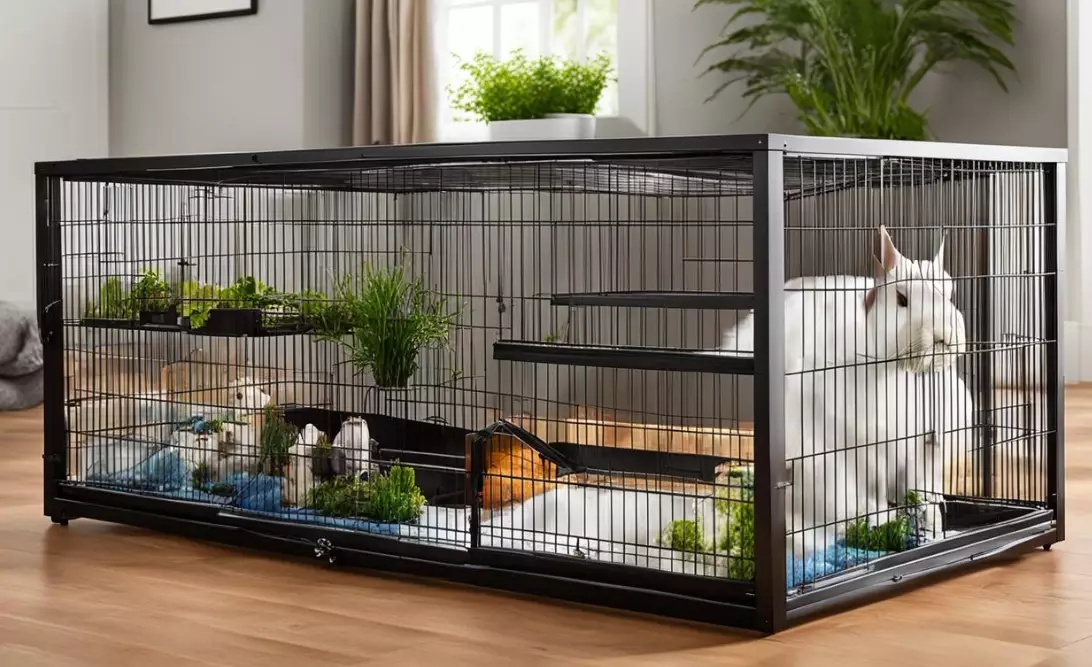
Many people envision a rabbit in a quaint backyard hutch. As an expert, I'm hesitant. Outdoor housing exposes rabbits to extreme temperatures, predators (even with locks, raccoons are clever), parasites, flies (which can cause fatal flystrike), and profound loneliness. They are social, crepuscular animals who miss out on family interaction outdoors.
If outdoor housing is the only option, it must be a fortress, not a flimsy shed-bought box. Here’s what a truly safe outdoor setup requires:
| Component | Minimum Requirement | Why It's Critical |
|---|---|---|
| Structure | Two compartments: fully enclosed, insulated sleeping area + secure wire run. | Protection from weather, drafts, and predators. Provides choice of environment. |
| Size | Sleeping area at least 6' x 2' x 2'. Attached run minimum 8' x 4' x 2' high. | Allows running, hopping, standing fully upright on hind legs. |
| Security | Heavy-duty welded wire (16 gauge or thicker), predator-proof locks on all doors. | Prevents break-ins from foxes, raccoons, dogs. Chicken wire is useless. |
| Flooring | Solid, raised floor in sleeping area. Run on solid ground or wire over trench. | Prevents sore hocks, keeps out digging predators and moisture. |
| Location & Enrichment | Shaded, sheltered spot. Daily cleaning, rotation of toys, and daily human interaction. | Prevents boredom, depression, and ensures health monitoring. |
It's a massive undertaking. The cost and effort to build this properly often exceed the cost and ease of setting up an indoor free-roam space. And you still can't fully mitigate the risks of weather or isolation.
A Quick Reality Check: I've helped rehabilitate several "outdoor rabbits" brought in by well-meaning owners. The common threads? Chronic upper respiratory infections from damp cold, obesity from lack of space to move, and severe timidity from lack of socialization. Bringing them inside was like watching a different animal emerge.
Common Rabbit Housing Mistakes (And How to Fix Them)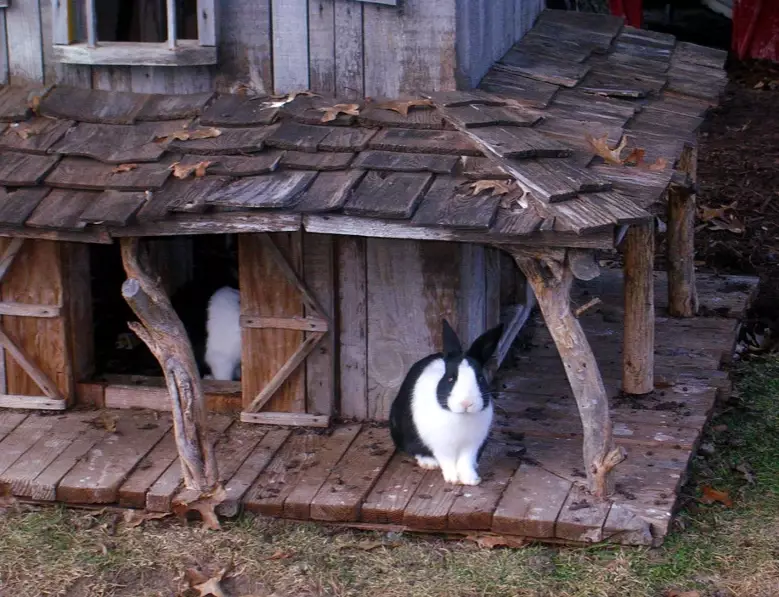
Let's cut to the chase. Here are the subtle errors I see constantly.
Mistake 1: The Cage is the Entire Home. Even a large cage is still a cage. A rabbit needs time outside it every day to sprint, explore, and binky. The fix is simple: open the door. Use a pen to create a safe zone if you can't rabbit-proof the whole room.
Mistake 2: Slippery Floors. Hardwood, tile, or linoleum is a skating rink for a rabbit. They lack paw pads and can slip, causing injury or developing sore hocks. The fix: use interlocking foam mats, cheap area rugs (with tight weave so they don't chew loops), or fleece blankets to cover high-traffic areas.
Mistake 3: The Litter Box is an Afterthought. Rabbits like to eat hay while they poop. Placing the hay rack on the opposite side of the cage from the litter box is like putting your toilet in the garage and your dinner table in the attic. The fix: put a heaping pile of hay directly inside the litter box or in a rack right above it. You'll be amazed at how quickly litter training clicks.
Mistake 4: No Dedicated Hide. A rabbit without a fully enclosed, dark place to retreat is a stressed rabbit. An open bed or tent isn't enough. The fix: get a fully enclosed wooden house with two exits (so they don't feel trapped). Cardboard boxes with two holes cut work great too.
Your Rabbit Home Questions, Answered
 What's the best bedding for my rabbit's litter box and sleeping area?
So, what is the home of the rabbit? It's not a product you buy. It's an environment you build—one that respects their wild blueprint while integrating safely into your human world. It's a space that says "you are safe here, you can be a rabbit here." Start with more space than you think you need, add more hiding spots than seems necessary, and always, always prioritize their need to move and explore. Get the home right, and everything else—litter habits, health, and bonding—becomes so much easier.
Reader Comments