Quick Navigation: What's Inside This Guide
If you've ever strolled through a forest and wondered where all the rabbits are hiding, you're not alone. I've spent over ten years tracking small mammals across North American woodlands, and let me tell you, rabbits are masters of stealth. Their homes aren't just random holes in the ground—they're carefully engineered sanctuaries. This guide will strip away the mystery and show you exactly where rabbits live in the forest, based on firsthand observation and ecological research.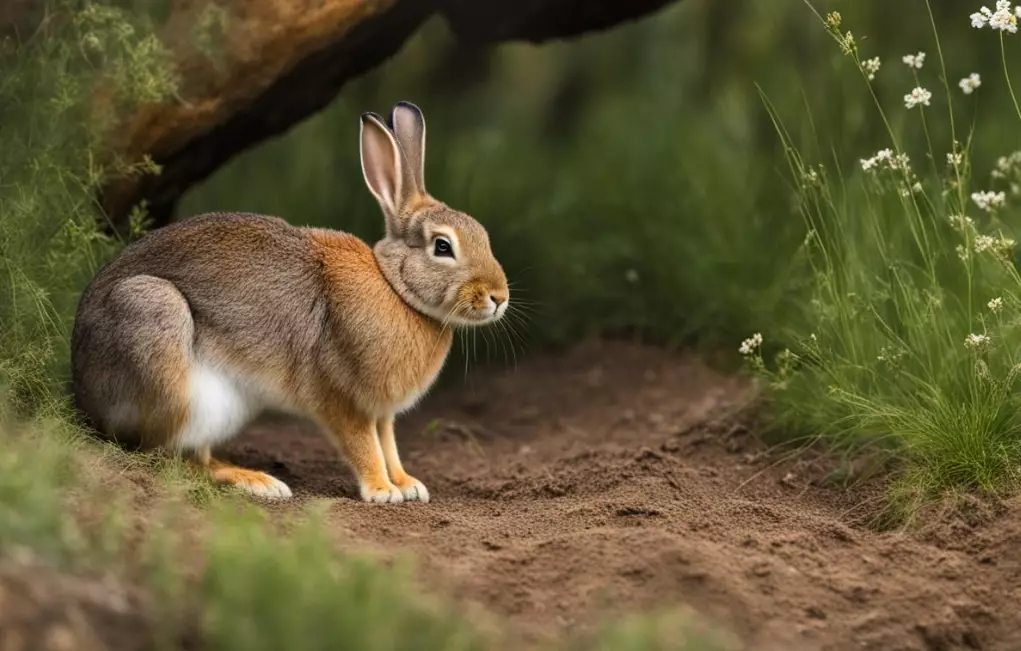
Most people think rabbits just dig a simple burrow and call it a day. That's a rookie mistake. In reality, forest rabbits, like the Eastern Cottontail or Snowshoe Hare, select sites based on a complex mix of factors: soil type, vegetation cover, predator pressure, and even microclimate. From the dense underbrush of deciduous forests to the pine-scented floors of coniferous woods, each environment shapes their living habits uniquely.
Understanding Rabbit Habitats in the Forest
Forests aren't uniform; rabbits adapt to specific zones. In my experience, they favor edges—where meadows meet trees, or along streams. These areas offer food diversity and quick escape routes. A study by the U.S. Fish and Wildlife Service notes that edge habitats support higher rabbit densities due to resource availability.
Take the Appalachian forests, for example. Here, rabbits often nest in thickets of blackberry or fern, where the ground is soft enough for digging but dense enough to conceal entrances. I once tracked a cottontail family in Pennsylvania for a week. Their burrow was tucked under a fallen log, surrounded by poison ivy—a natural deterrent for humans and some predators. Smart, right?
Different forest types host different rabbit species. In boreal forests, Snowshoe Hares rely on snowpack for insulation and camouflage—their burrows are shallower. In temperate rainforests, like those in the Pacific Northwest, rabbits might use root systems of large trees as burrow foundations. It's not one-size-fits-all.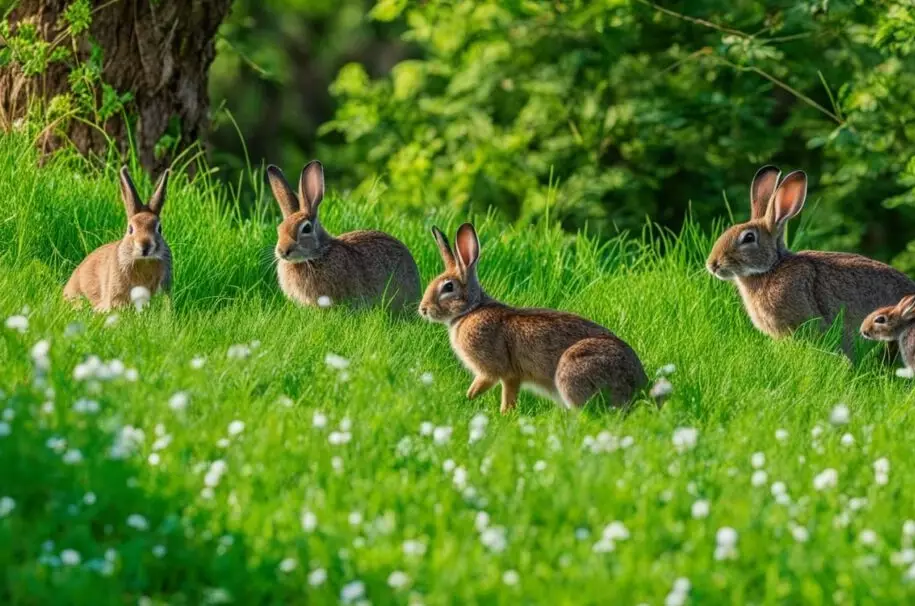
How Rabbits Choose Their Living Spaces
Rabbits aren't architects by chance; they're survivalists. When selecting a home site, they prioritize safety, food proximity, and drainage. A common misconception is that any soft soil will do. Actually, rabbits avoid waterlogged areas—burrows can flood, killing offspring. They prefer slightly elevated ground with sandy loam soil, which is easy to dig and stable.
From my observations, here's how the selection process works. A rabbit will scout an area for days, testing soil with its paws. It looks for natural features like rock outcrops or fallen debris to integrate into the burrow entrance. This reduces excavation effort and enhances camouflage. I've seen burrows where the entrance was barely visible, hidden behind a curtain of moss.
Top 3 Factors in Site Selection
Predator Avoidance: Rabbits choose sites with multiple escape routes. Think dense shrubbery or interconnected tunnels.
Food Access: Within 50 meters of grazing areas—grasses, clover, bark. No rabbit wants a long commute for dinner.
Soil Composition: Not too rocky, not too sandy. A mix that holds shape but doesn't collapse. In clay-heavy forests, rabbits might repurpose old rodent burrows instead of digging anew.
One subtle error many wildlife guides make is assuming rabbits always dig deep. In fire-prone forests, like those in California, rabbits create shallow forms—scrapes in the ground lined with fur—because deep burrows can become ovens during wildfires. It's a nuance often overlooked.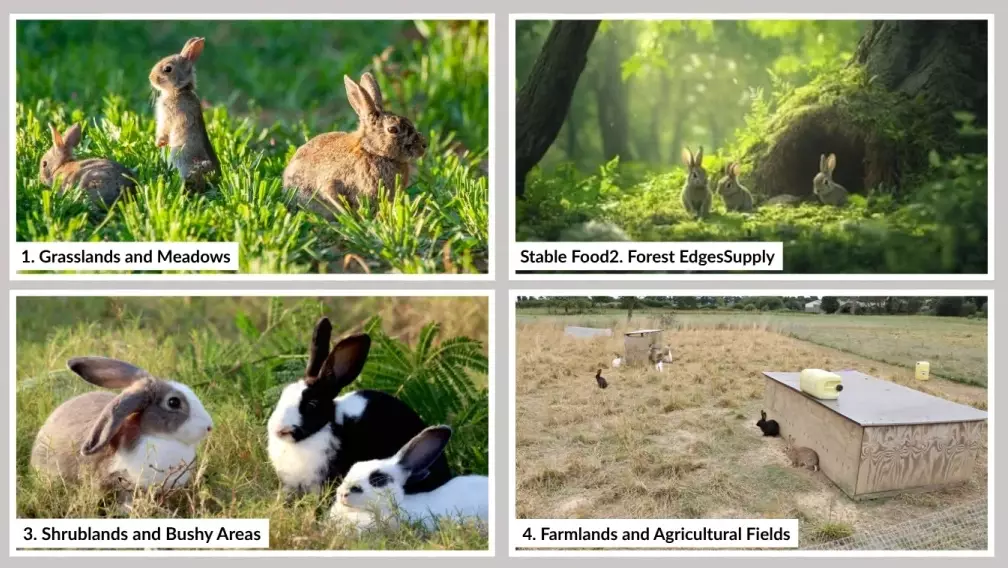
Inside a Rabbit Burrow: Structure and Purpose
A rabbit burrow, or warren, is more than a hole. It's a multi-room suite designed for rearing young, evading threats, and weathering storms. The typical forest rabbit burrow has a main entrance, several bolt holes (emergency exits), and nesting chambers. Depth varies: from 30 cm for temporary shelters to over 2 meters for permanent homes.
Let me describe a burrow I documented in a Michigan oak forest. The entrance was about 15 cm wide, angled downward to prevent rain ingress. Inside, a tunnel led to a nesting chamber lined with dried grass and the doe's own fur. Off to the side, a smaller chamber stored food—yes, rabbits cache vegetables sometimes. Bolt holes emerged near a thorny bush, perfect for a quick dash.
| Burrow Component | Purpose | Typical Dimensions |
|---|---|---|
| Main Entrance | Primary access, often hidden | 10-20 cm diameter |
| Nesting Chamber | Rearing kits, insulated | 25 cm wide, 15 cm high |
| Bolt Holes | Escape routes from predators | Multiple, narrow tunnels |
| Food Cache | Storage for harsh times | Small side chamber |
Burrows are rarely solitary. In dense populations, rabbits create interconnected networks, almost like underground villages. This social aspect is crucial for warning systems—thumps on the ground signal danger. But in sparse forests, burrows are more isolated, reducing competition.
Construction isn't continuous. Rabbits dig most actively at dawn and dusk, using their powerful hind legs. I've watched a cottontail excavate for 20 minutes, then pause to listen for threats. It's meticulous work. If the soil is too hard, they might abandon the site—a reason why you'll find half-dug holes sometimes.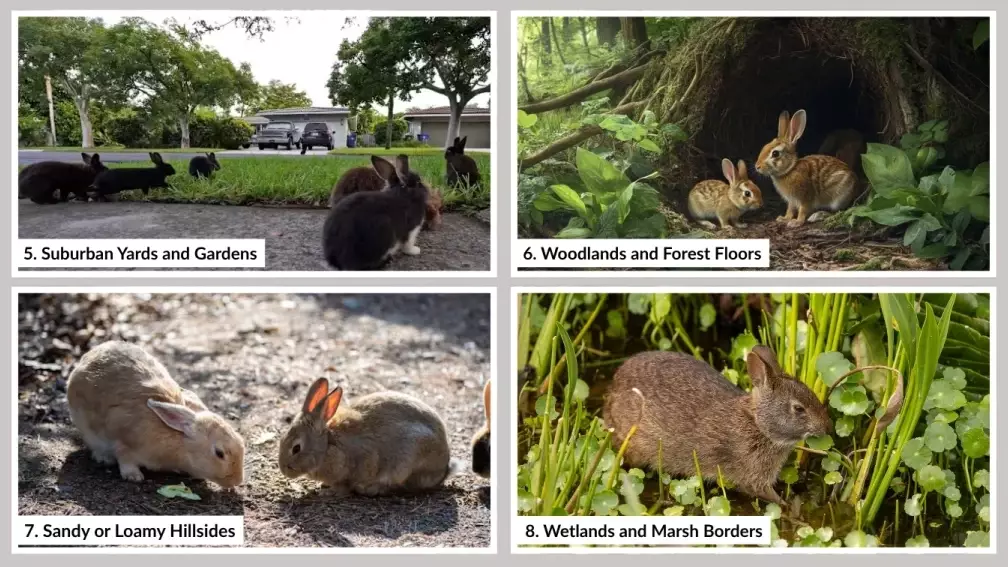
Daily Life and Survival Tactics in the Woods
Living in the forest is a 24/7 challenge. Rabbits are crepuscular—most active at twilight—to avoid diurnal predators like eagles and nocturnal ones like owls. Their daily routine revolves around feeding, grooming, and vigilance. From my hides, I've noted that a rabbit spends about 30% of its active time near the burrow entrance, scanning for movement.
Survival hinges on camouflage and speed. Forest rabbits have coats that blend with leaf litter or snow. But here's a non-consensus point: their biggest threat isn't just predators; it's habitat fragmentation. Logging or trail development can isolate burrows, forcing rabbits into open areas where they're vulnerable. The International Union for Conservation of Nature highlights habitat loss as a key pressure on some rabbit species.
Seasonal changes dictate behavior. In winter, rabbits in northern forests may tunnel under snow for insulation—creating subnivean spaces. In spring, they expand burrows for new litters. Summer brings heat avoidance; they'll rest in cool, damp soil during midday. I recall a summer in Colorado where rabbits vanished from sunny spots by 10 AM, only to reappear near streams at dusk.
Food sourcing is local. Rabbits eat a variety of plants: grasses, twigs, bark. In pine forests, they might nibble on young saplings, which can annoy foresters. But they're also ecosystem engineers—their grazing controls undergrowth, reducing fire risk. It's a trade-off.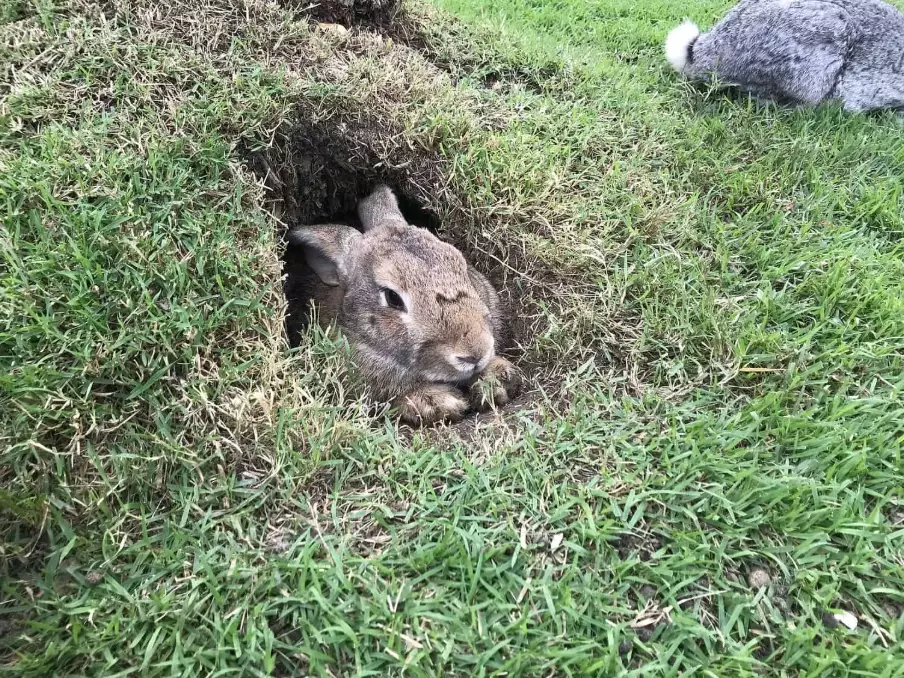
Common Myths About Forest Rabbits Debunked
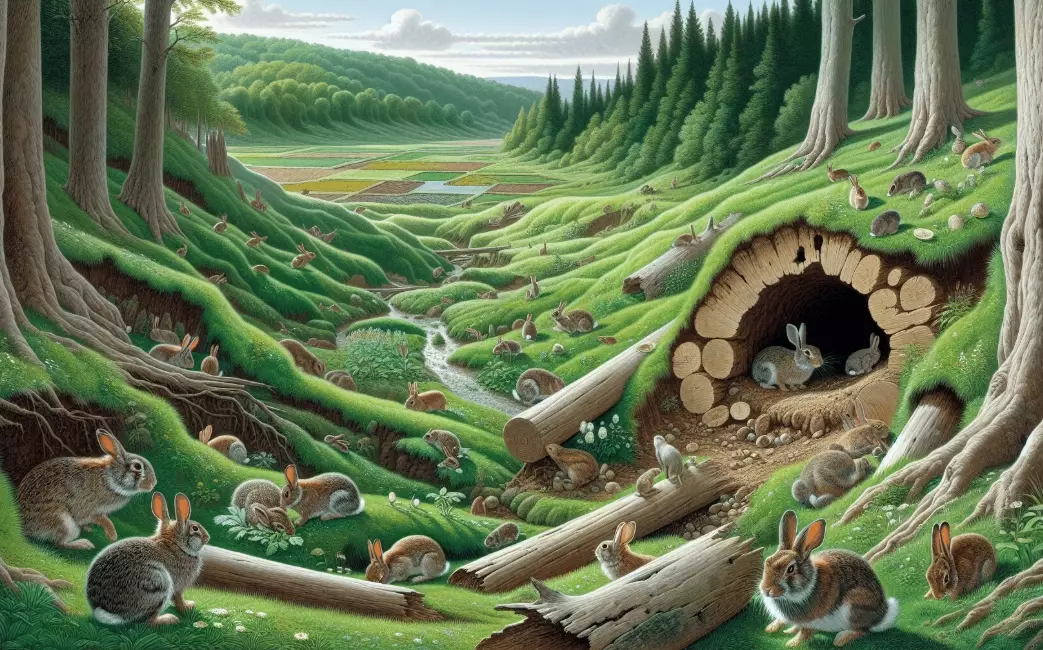
Myth 1: Rabbits live in hollow logs. Mostly false. While they might use logs for temporary shelter, permanent homes are underground. Logs are too exposed and lack escape routes.
Myth 2: All rabbit holes look the same. Not even close. Entrance size and shape vary by species and soil. Cottontail burrows are neater; hare scrapes are messier.
Myth 3: Rabbits are solitary. Depends. In rich habitats, they tolerate neighbors for safety. I've seen multiple does share a warren entrance, though they keep separate nesting chambers.
My pet peeve? People assuming rabbits are dumb. They're not. They learn predator patterns—I've observed rabbits avoiding a trail where a fox patrols at specific times. Their intelligence is underestimated.
Your Rabbit Habitat Questions Answered
 Do forest rabbits abandon their burrows after human interaction?
Understanding where rabbits live in the forest isn't just trivia; it's about appreciating these small engineers' role in ecosystem health. Next time you're in the woods, look closer—you might spot a hidden entrance or a fleeting shadow. Remember, their survival hinges on undisturbed habitats, so tread lightly.
Reader Comments