Let's clear this up right from the start. When we ask "where did rabbits live," we're really asking two huge questions. Where did they first evolve and call home? And then, how did they get from that single point on the map to living just about everywhere you can imagine today? The story isn't a simple list of countries. It's an epic saga of evolution, continental drift, human meddling, and incredible animal adaptability. The modern rabbit's journey began in what is now Spain and Portugal, and through a mix of natural spread and human introduction, they've made homes on every continent except Antarctica. Their story is a masterclass in survival.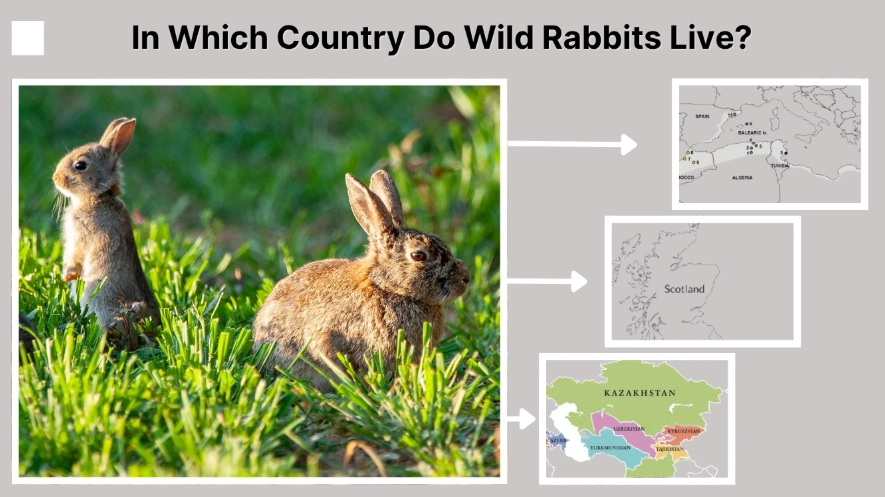
Your Quick Jump to Rabbit Habitats
The Ancient Homeland: A Mediterranean Origin Story
Forget the idea of rabbits hopping around with dinosaurs. Their story is more recent, and the location is surprisingly specific. All modern rabbits and hares belong to the family Leporidae. The fossil record and genetic studies point firmly to the Iberian Peninsula—modern-day Spain and Portugal—as the cradle of rabbit evolution. This happened during the late Miocene or early Pliocene epochs, roughly 5 to 7 million years ago. The climate there was (and is) characterized by hot, dry summers and mild, wet winters—a Mediterranean climate. The landscape was a mix of open scrubland, grasslands, and sparse woodlands.
This environment shaped the rabbit's most famous trait: burrowing. The dry, soft soils of Iberia were perfect for digging extensive warrens to escape the heat and predators. This was their survival blueprint. For millions of years, the European rabbit (Oryctolagus cuniculus) was largely confined to this corner of the world. They weren't the global citizen we know today. Their world was defined by the Iberian Peninsula and possibly parts of southern France. This long isolation is a key piece of the puzzle. It explains why, when humans finally started moving them around, they sometimes caused ecological chaos. Their evolution was fine-tuned for one specific type of place.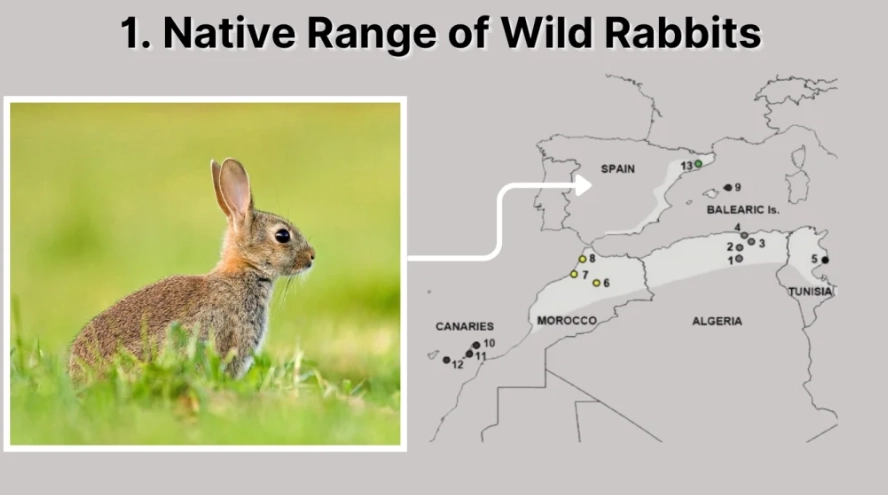
How Rabbits Spread From Their Ancient Homeland
The rabbit's journey from a regional Iberian specialty to a global resident is a two-act play: natural dispersal and human-assisted travel.
The Natural (and Slow) Expansion
After the last Ice Age, as glaciers retreated and climates warmed, rabbit populations began to expand naturally northward and eastward from their Iberian refuge. They moved into the rest of France and likely parts of Italy. This process was slow, dictated by generations of rabbits gradually finding new territories with suitable soil and food. They followed river valleys and coastal plains, landscapes that mimicked their ancestral home. By the time humans in the region started keeping historical records, rabbits were established in much of Western Europe, though their density was highest in the south.
The Human Superhighway
This is where the story accelerates dramatically. Humans became the rabbit's primary dispersal agent.
Romans and Medieval Lords: The Romans are often credited with spreading rabbits north as a semi-domesticated food source. They built enclosures called leporaria to farm them. Later, in medieval times, rabbits were a prized game animal. Norman lords introduced them to England after the 1066 conquest, and they were spread across estates for hunting. Monasteries also kept them as a source of meat and fur.
A Common Mistake: Many people think rabbits were introduced to the UK by the Romans. The evidence is shaky. While the Romans knew about them, widespread establishment in Britain likely came later with the Normans. It's a subtle historical mix-up that changes the timeline.
The Age of Exploration and Colonialism: This was the game-changer. From the 15th century onward, European sailors took rabbits on ships as a living food supply. They'd release them on remote islands to breed, creating a meat larder for future voyages. This is how rabbits landed in the Atlantic islands (Azores, Madeira), and crucially, in Australia and New Zealand in the late 18th and 19th centuries. The introduction to Australia in 1859 by Thomas Austin, who released 24 rabbits for sport hunting, is the most infamous. Without natural predators and with perfect conditions, their population exploded into the hundreds of millions, causing an ecological and agricultural disaster documented extensively by sources like the International Union for Conservation of Nature (IUCN) in their studies on invasive species.
The Americas: Here's a twist. The rabbits common in the Americas, like the Eastern Cottontail, are not the European rabbit. They are different genera that evolved separately in the New World. However, the European rabbit was introduced to parts of South America (like Chile and Argentina) and to some islands, with similar, though less catastrophic, results.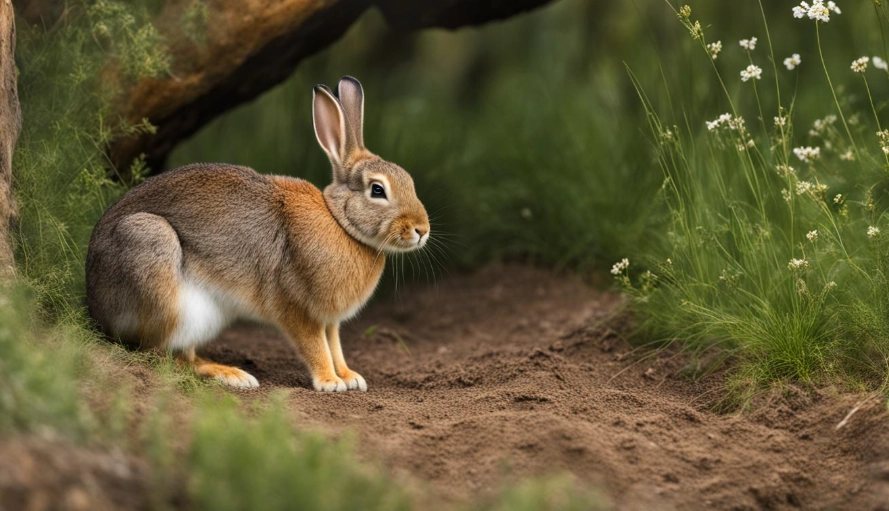
What Are the Key Habitats for Wild Rabbits Today?
So, where do all these rabbits, both native and introduced, actually live? They are habitat generalists with a strong preference for one thing: edges. They thrive in transitional zones where two habitats meet. This provides food from one area and cover from another.
Open Grasslands and Meadows: This is classic rabbit territory. Short grass allows them to spot predators, and the nearby scrub or soil banks offer burrowing sites. Think of the warrens in the English countryside or the cottontails in North American prairies.
Scrubland and Bush (Mediterranean Maquis/Fynbos/Chaparral): This is their ancestral home biome. Dense, low woody vegetation provides excellent food and shelter. The sandy, dry soil is perfect for burrows. You'll find high densities of European rabbits in Spanish *dehesas* or in similar scrub in Australia.
Woodland Edges and Forest Clearings: They rarely live in deep, dark forests. Instead, they stick to the sunny edges, clearings, or young plantations where light reaches the ground and encourages undergrowth.
Agricultural Land: Farms are essentially man-made grasslands. Fields of crops, pastureland, and the hedgerows that border them create an ideal edge habitat. This is why rabbits are often considered agricultural pests.
Deserts and Arid Regions: Some species, like the North American jackrabbits (which are hares) or the desert cottontail, are superbly adapted to dry lands. They may use burrows dug by other animals or rest in shallow depressions (forms) under bushes, relying on moisture from plants and efficient kidneys.
Coastal Dunes and Sandy Heaths: The loose, sandy soil is easy to dig in. European rabbits are a key part of dune ecosystems in places like the Netherlands, where their grazing maintains a short, diverse plant community.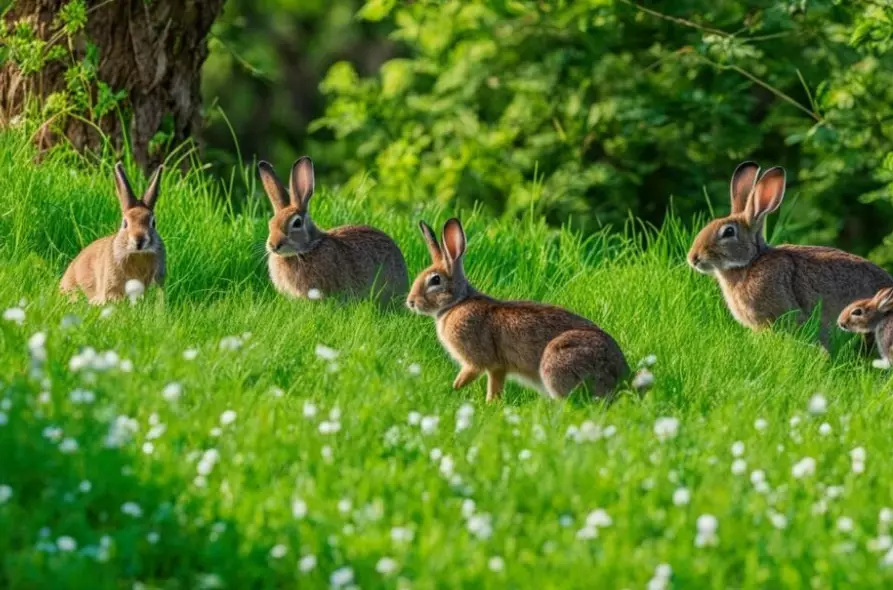
Case Study: Two Iconic Rabbits, Two Different Worlds
To understand how "where rabbits live" differs, let's compare the two most well-known species.
| Trait | European Rabbit (Oryctolagus cuniculus) | Eastern Cottontail (Sylvilagus floridanus) |
|---|---|---|
| Evolutionary Origin | Iberian Peninsula | The Americas |
| Social Structure | Highly social, lives in large, communal warrens with complex tunnels. | Largely solitary. Does not dig extensive burrows; uses existing holes or dense cover. |
| Primary Shelter | Self-dug, permanent underground warrens. | Shallow depressions (forms) in grass, brush piles, or abandoned burrows of other animals. |
| Signature Habitat | Open fields with soft, diggable soil adjacent to cover (hedgerows, scrub). | Overgrown fields, woodland edges, suburban yards with tall grass and shrubs. |
| Global Distribution (Post-Human) | Western Europe, UK, Australia, New Zealand, parts of South America, many islands. | Eastern and central North America, introduced to parts of Europe and Italy. |
| Key Adaptation | Complex social burrowing for safety and rearing young. | Solitary, cryptic lifestyle relying on camouflage and quick bursts of speed. |
This table shows you can't have a one-size-fits-all answer. A rabbit's "home" is defined by its species.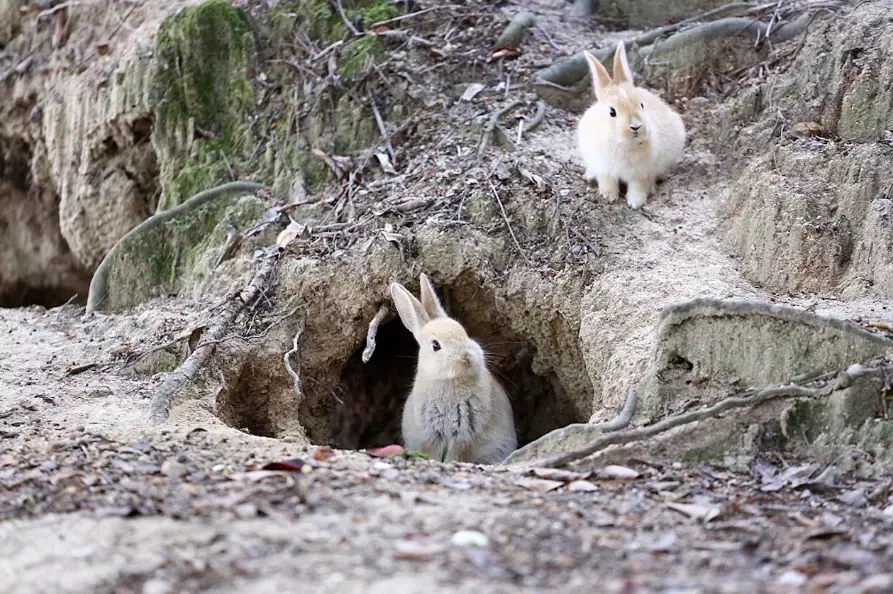
Rabbits and Humans: City Life and Habitat Threats
I've watched cottontails in my own backyard raise litters under the deck, and seen warrens in city parks. Urban and suburban areas have become a major modern habitat. Our gardens, parks, golf courses, and railway embankments offer a buffet of ornamental plants, vegetables, and lawn grass, alongside plenty of hiding spots under sheds and in shrubbery. For rabbits, cities are often predator-light, resource-rich environments.
But the modern story isn't all about adaptation and success. The flip side is severe habitat loss and disease.
Habitat Fragmentation: The expansion of roads, housing, and intensive agriculture destroys the very edge habitats rabbits depend on. A field turned into a parking lot is a lost warren. A hedgerow removed for a larger field removes a travel corridor and food source.
Myxomatosis and Rabbit Hemorrhagic Disease (RHDV): These deliberately introduced viral diseases have decimated wild rabbit populations, particularly in Europe and Australia. In their native Iberian Peninsula, rabbit numbers have crashed due to disease, affecting entire predator populations like the Iberian lynx that depend on them. It's a stark reminder that even a successful species can be vulnerable.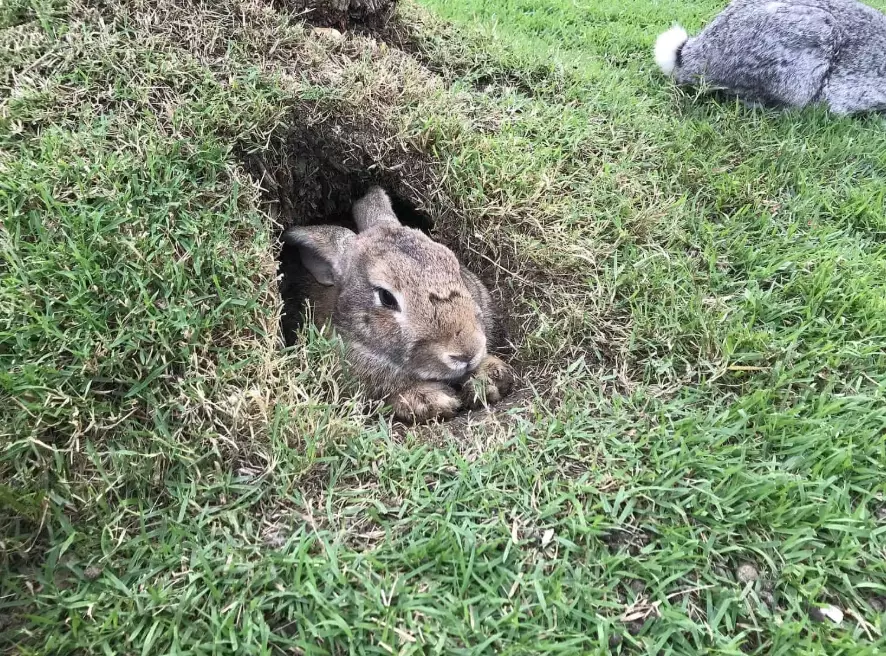
Your Rabbit Habitat Questions Answered
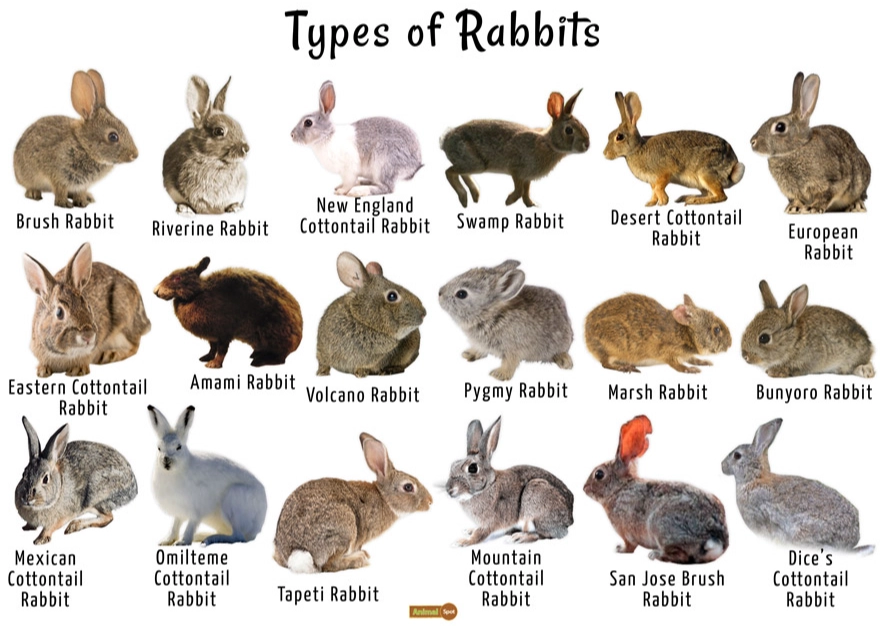 I see rabbits in my city park all the time. Where do they actually sleep and raise babies without obvious burrows?
Reader Comments